![9 Essential Winter Patio Heater Maintenance Tips [Pro Guide]](https://huserie.com/wp-content/uploads/2026/04/9-Essential-Winter-Patio-Heater-Maintenance-Tips-Pro-Guide.webp)
As winter approaches, the thought of enjoying your outdoor space becomes a distant memory. But with a good patio heater, you can keep those cozy gatherings alive, even when the temperatures drop. I created this guide to help you maintain your winter patio heater so that it remains in tip-top shape, ensuring you can keep the warmth flowing all season long.
If you’re a homeowner or someone who loves to entertain outdoors, this post is for you. You want to create a welcoming environment on your patio, regardless of the cold. Whether you’re wrapping up in blankets with a mug of hot cocoa or hosting a lively gathering, you’ll appreciate the comfort of a well-maintained heater.
In this guide, you’ll discover 9 essential winter patio heater maintenance tips that will keep your outdoor heating equipment safe and efficient. From checking for gas leaks to properly storing your heater, these straightforward tips are designed to help you enjoy a warm and inviting patio all winter long. Let’s dive into the details and make sure your patio heater is ready for the chilly months ahead!
Key Takeaways
– Regularly clean your heater to remove dust and debris, ensuring optimal performance and safety.
– Always check for gas leaks before using your heater, which can prevent dangerous situations.
– Inspect the heating element for wear and tear; replacing any damaged parts can extend the heater’s life.
– Proper storage during the off-season protects your heater from weather damage and rust.
– Schedule professional maintenance if you’re unsure about any repairs; it’s worth the investment for peace of mind.
1. Clean Your Heater Regularly
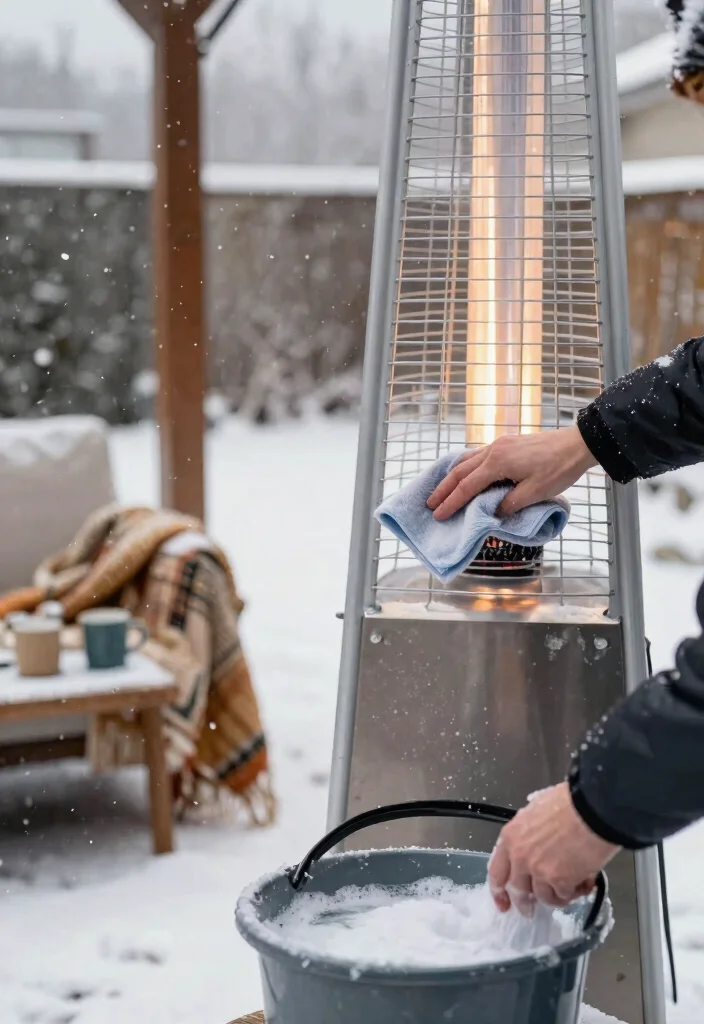
To keep your patio heater running smoothly, regular cleaning is key. Dust and grime can build up and affect its performance. Start by wiping down surfaces with a soft cloth, then tackle tougher stains using a gentle soap and water solution. Don’t forget to clean the heating element and reflector to guarantee even heat distribution. Aim for this cleaning session at least once a month throughout the winter months.
Make it a habit to check for any signs of wear while you clean. Use non-abrasive cleaners to avoid surface scratches. Always let the heater cool down completely before you start cleaning. This simple routine can help prevent rust and extend the life of your heater.
Benefits of regular cleaning:
– Enhance efficiency for better heat output
– Minimize fire hazards with a clean surface
– Prolong the overall lifespan of your heater
By keeping your heater clean, you ensure a safe and efficient outdoor heating experience.
2. Check for Gas Leaks
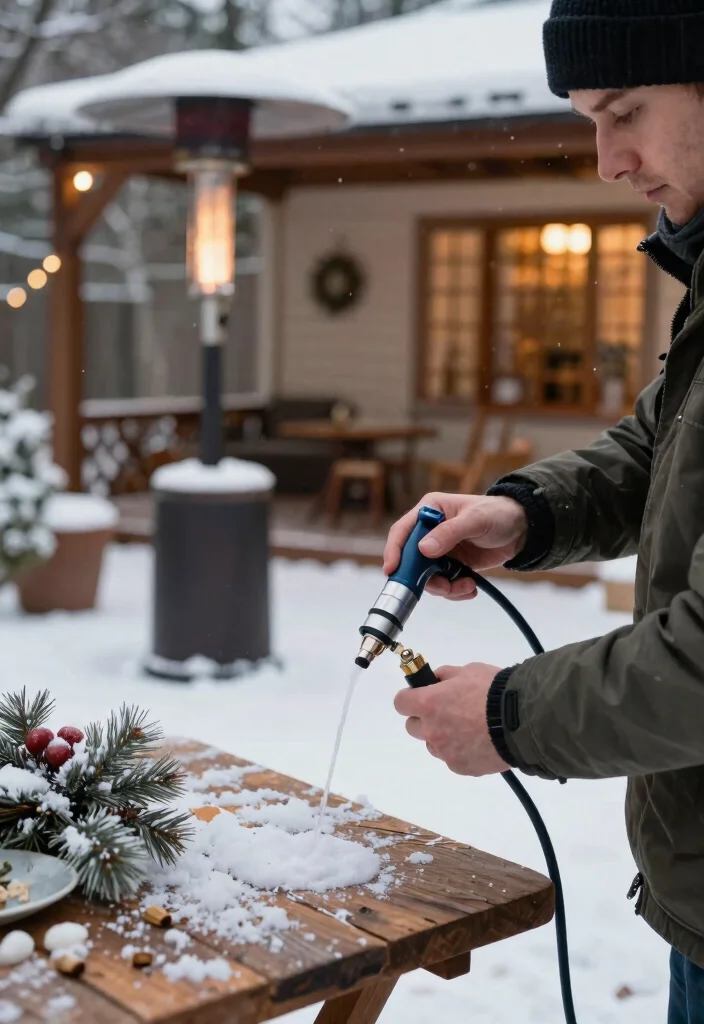
Your safety comes first! Before turning on your patio heater, checking for gas leaks is essential. Use a solution of soap and water on the gas line connections. If bubbles appear, you have a leak that needs immediate attention. Tighten connections or replace any faulty parts to maintain a safe heating environment.
Make this check a part of your routine before each use, especially after your heater has been idle for a while. Recognizing the smell of gas can help you detect leaks early. Never overlook any signs of a potential leak, as it can lead to dangerous situations.
Gas leak safety checks:
– Apply soap solution to all gas connections
– Familiarize yourself with gas odors for quicker detection
– Address leaks promptly to ensure safe operation
Prioritizing gas leak checks means you can enjoy your outdoor space without worry.
Safety first is one of the best winter patio heater maintenance tips — always check for gas leaks before firing up. A quick soap-and-water test can catch leaks early, saving you from costly repairs and mayday moments. Make leak checks part of your pre-use routine.
3. Inspect the Heating Element
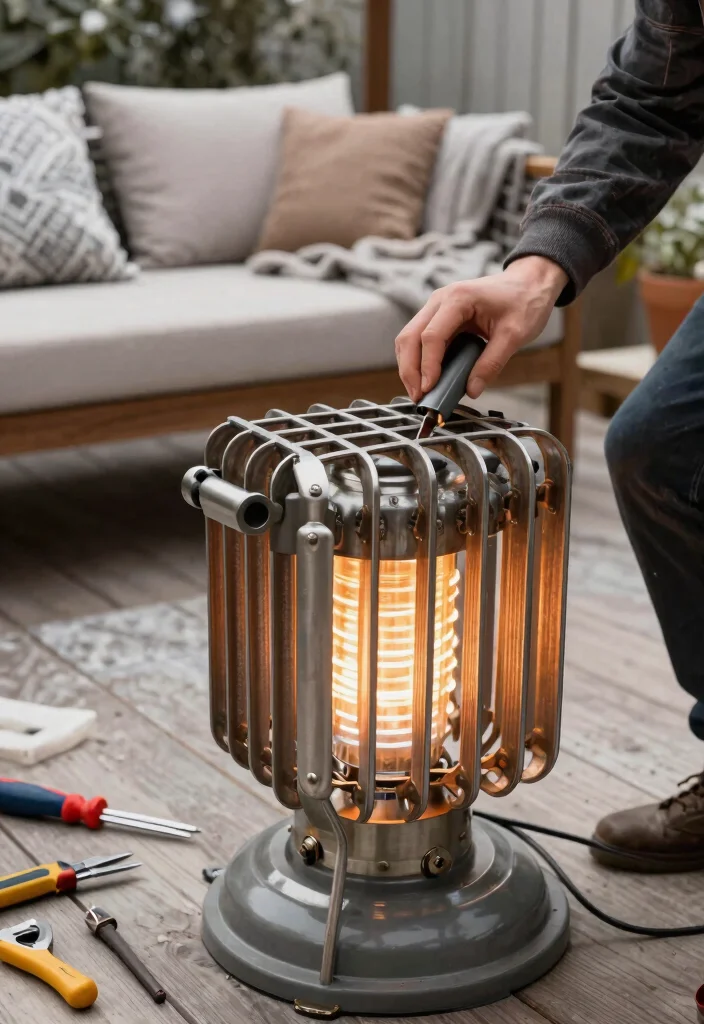
The heating element is crucial for delivering warmth from your patio heater. Over time, it can wear out or sustain damage. Regularly inspect it for any signs of discoloration or cracks, and consider replacing it if you spot any issues before winter arrives.
When inspecting, listen for unusual sounds while the heater operates. Ensure the element is securely fastened and consult the manufacturer’s guide for specific replacement instructions if needed. Keeping this component in top shape is vital for efficient heating.
Inspection steps:
– Check for discoloration or cracks on the element
– Listen for unusual sounds during operation
– Consult the manual for replacement guidance
With regular inspections, your heater will provide consistent warmth for all your outdoor gatherings.
4. Store Your Heater Properly
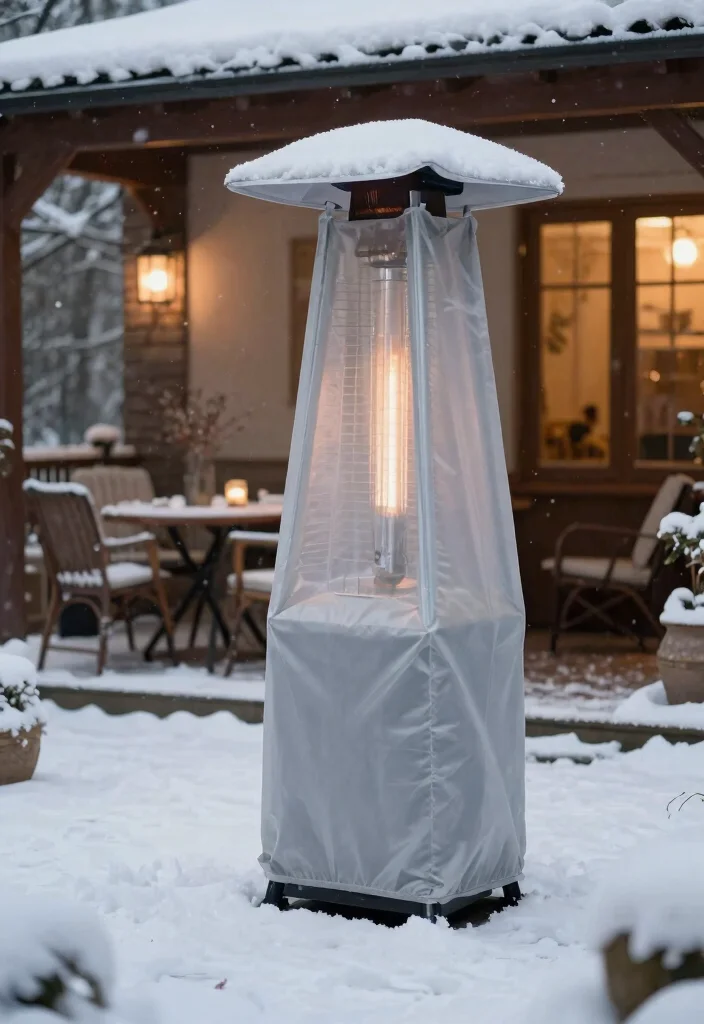
Proper storage is essential for extending the life of your patio heater once winter ends. If you live in a region with severe winter conditions, bringing it indoors is ideal. If indoor storage isn’t feasible, cover it with a durable, weatherproof cover to shield it from the elements.
When storing, remove any propane tanks and keep them in a well-ventilated area outdoors. Ensure the heater is clean to prevent rust, and store it in a dry place to minimize corrosion.
Storage best practices:
– Detach propane tanks and store them outside
– Clean the heater thoroughly before storage
– Choose a dry area to reduce rust risk
Following these storage tips ensures your heater will be ready to use when the weather warms up again.
Fun fact: following winter patio heater maintenance tips can cut rust by up to 60% when stored indoors or under a weatherproof cover. If indoors isn’t possible, remove propane tanks and store the unit in a dry, ventilated area.
5. Check the Fuel Supply
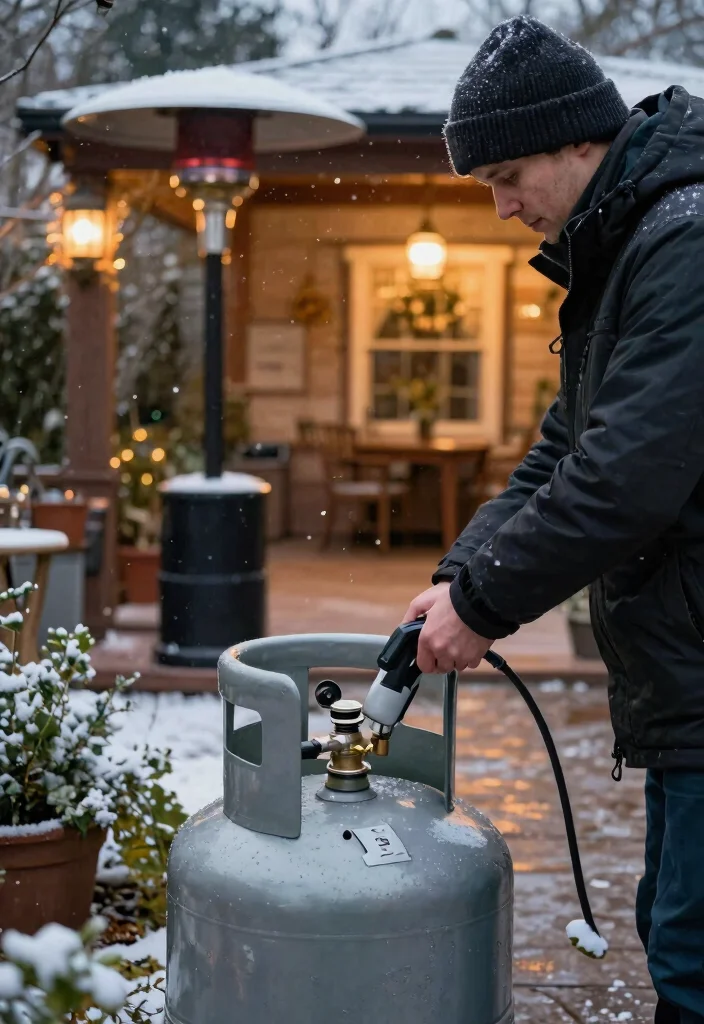
Whether your heater runs on propane or natural gas, making sure you have enough fuel is vital for uninterrupted heating. Before you use your heater, check the fuel level. If you’re using a propane tank, ensure it’s full and securely connected. For natural gas heaters, confirm that all connections are tight and leak-free.
Stay ahead by replacing propane tanks before they run out, and routinely inspect hoses and connections for any signs of wear. Knowing your heater’s fuel consumption can help you plan ahead.
Fuel supply checks:
– Replace tanks before they run empty
– Inspect hoses for damage regularly
– Understand your heater’s fuel needs
By keeping your fuel supply in check, you ensure a cozy atmosphere even on the chilliest nights.
Fun fact: 1 in 3 outdoor heater failures start with an empty propane tank. For reliable warmth, practice winter patio heater maintenance tips by checking fuel level before every use and replacing tanks before they run out.
6. Replace Worn-Out Parts
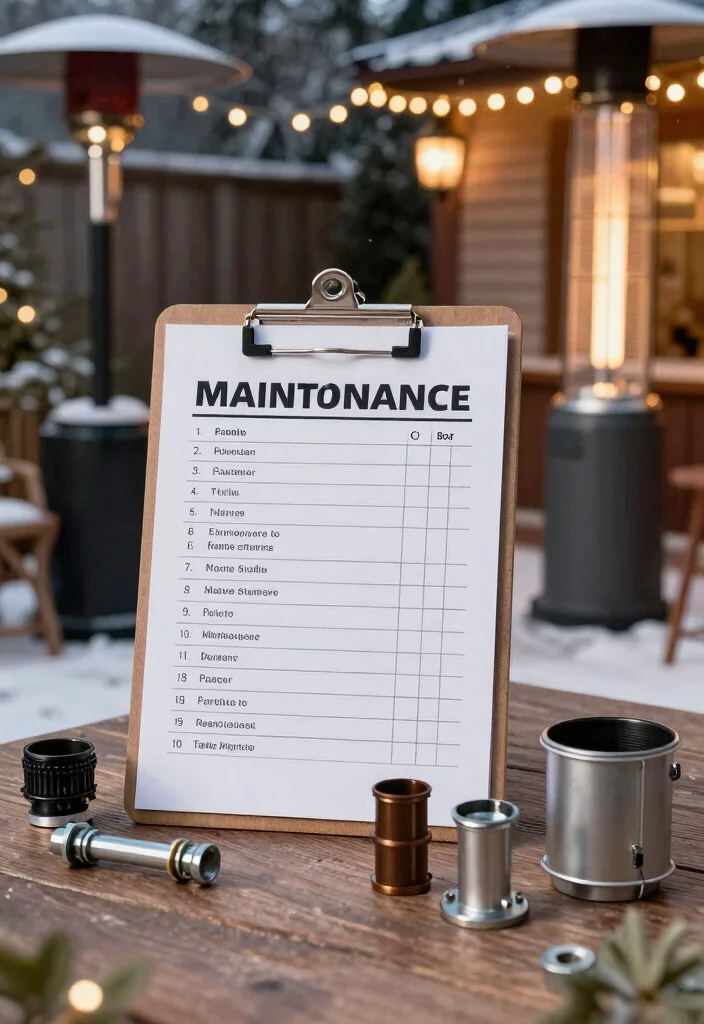
Just like any appliance, parts of your patio heater can wear down with regular use. Components such as igniters, hoses, and reflectors might need replacing to keep everything running efficiently. Keeping a maintenance checklist can be a great way to track what requires replacement or repair.
Use only manufacturer-approved parts for any replacements. Save your receipts for warranties and ensure you replace parts that are covered. Regular check-ups, especially before and after winter, can help maintain your heater’s performance.
Replacement reminders:
– Use approved parts only for replacements
– Keep receipts for warranty claims
– Schedule maintenance check-ups regularly
Proactive maintenance protects your investment and keeps your heater ready for entertaining guests.
7. Ensure Proper Ventilation
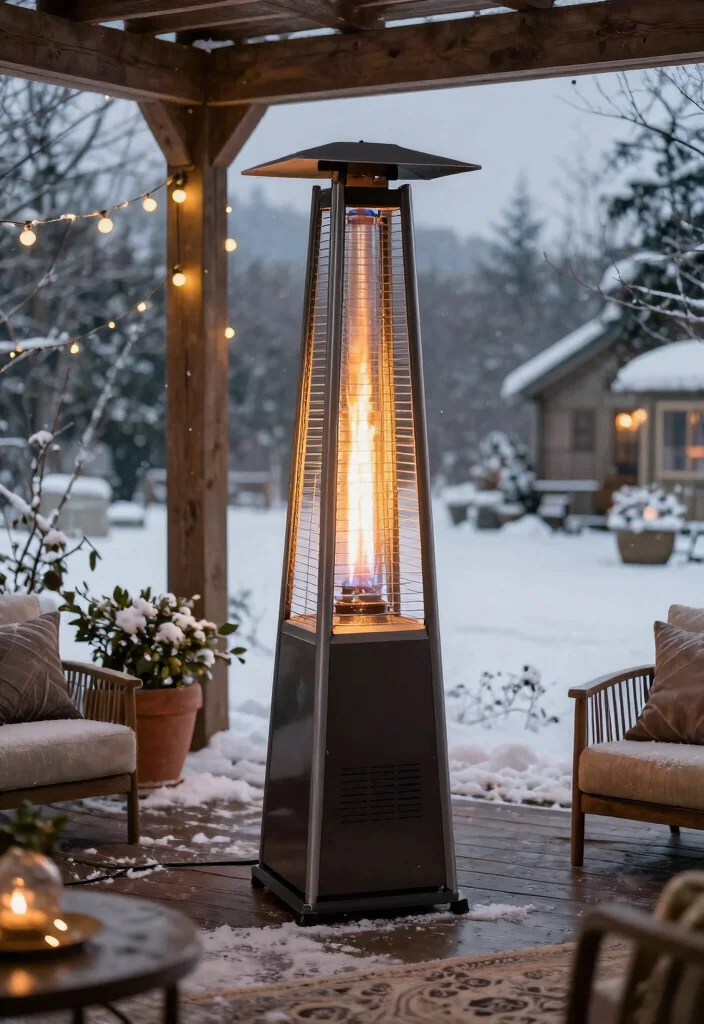
Good ventilation is crucial when using patio heaters, especially gas models. Lack of proper airflow can lead to a buildup of harmful fumes. Always place your heater in areas with adequate ventilation and avoid positioning it too close to walls or fences. Look for signs like a steady flame indicating it’s functioning properly.
Ensure there’s a clear space around the heater to allow airflow and, if using a covered patio, ensure there’s an opening for exhaust. Familiarizing yourself with local regulations regarding heater placement is also wise.
Ventilation tips:
– Maintain space around the heater for airflow
– Create openings for exhaust in covered patios
– Know local rules on heater placement
By focusing on ventilation, you create a safe and inviting atmosphere for all your guests.
8. Read the Manufacturer’s Manual
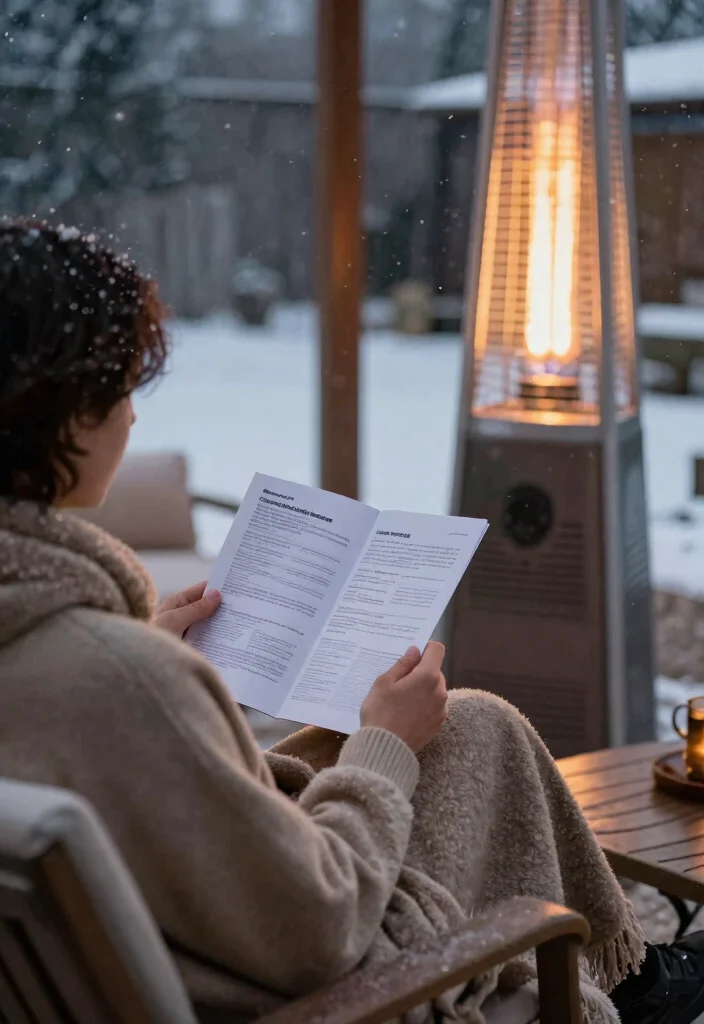
Every patio heater comes with a manual packed with essential information about maintenance and safety features. Take some time to read through this resource; it contains specific tips tailored to your model. Understanding the operation of your heater can prevent future issues and inform you about any specialized care it may require.
Follow the manual’s guidelines for routine checks and maintenance schedules. Pay close attention to safety instructions when operating the heater, and familiarize yourself with warranty information for any future repairs.
Manual insights:
– Adhere to maintenance schedules outlined in the manual
– Follow safety instructions for safe operation
– Understand warranty details for repairs
Consulting the manual ensures you’re well-informed, maximizing your heater’s performance and safety.
9. Schedule Professional Maintenance
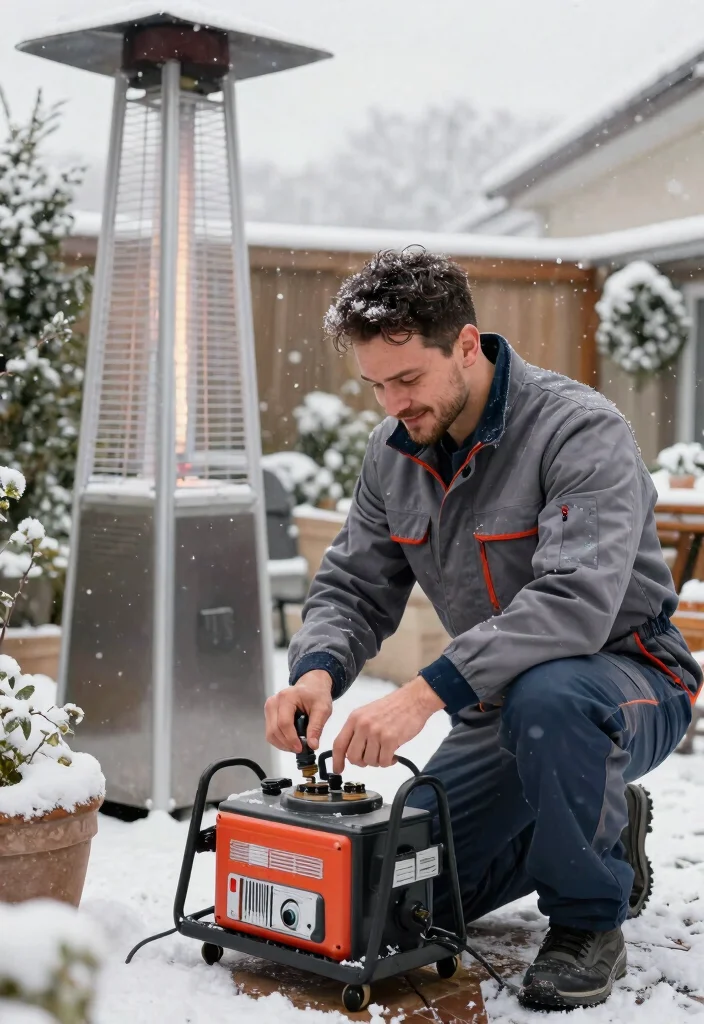
While you can handle DIY maintenance, arranging for professional servicing at least once a year is beneficial. Experts can uncover issues that might not be obvious to the average user and provide model-specific advice. Regular professional maintenance ensures your heater runs efficiently and safely during the winter months.
Look for local services that focus on patio heater maintenance and request a detailed inspection report to know what was done and any recommendations. Scheduling during off-peak times can save you from long waits.
Professional maintenance benefits:
– Identify hidden issues for better safety
– Gain tailored advice for your heater model
– Schedule during off-peak for convenience
Investing in professional care enhances both safety and performance, ensuring warm winters for years to come.
Ongoing Maintenance & Care Guide
Maintenance Schedule:
Daily/Weekly Tasks:
– Clean the heater: Wipe down the exterior and remove any debris to prevent rust and keep it looking new. (Time: 10 minutes)
– Check for signs of wear: Look for frayed hoses or damaged parts. Catching these issues early saves you time and money. (Time: 5 minutes)
– Inspect the fuel supply: Make sure your propane tank is secure and check the gauge. A low tank can affect performance. (Time: 5 minutes)
– Test ignition: Ensure the heater lights up easily. If it doesn’t, it might need attention. (Time: 5 minutes)
Monthly/Seasonal Tasks:
– Deep clean the burner and reflector: Remove any dirt or grease buildup. This helps maintain optimal heating efficiency. (Time: 30 minutes)
– Inspect and clean the heating element: Dust or debris can lower heating performance. A clean element works better. (Time: 20 minutes)
– Check gas connections: Ensure all connections are tight and leak-free. This is crucial for safety. (Time: 15 minutes)
– Store properly if not in use: If you’re done for the winter, clean and cover your heater to protect it from the elements. (Time: 20 minutes)
– Schedule professional maintenance: It’s wise to bring in a pro yearly to check things you might miss. (Time: 1 hour)
Maintenance Summary Table:
| Task | Frequency | Difficulty | Time Needed |
|———————————–|————-|————|—————–|
| Clean the heater | Daily/Weekly| Easy | 10 minutes |
| Check for signs of wear | Daily/Weekly| Easy | 5 minutes |
| Inspect the fuel supply | Daily/Weekly| Easy | 5 minutes |
| Test ignition | Daily/Weekly| Easy | 5 minutes |
| Deep clean burner and reflector | Monthly | Moderate | 30 minutes |
| Inspect and clean heating element | Monthly | Moderate | 20 minutes |
| Check gas connections | Monthly | Moderate | 15 minutes |
| Store properly if not in use | Seasonal | Easy | 20 minutes |
| Schedule professional maintenance | Yearly | Moderate | 1 hour |
Common Issues to Watch For:
⚠️ Signs that indicate maintenance is needed:
– Rust on the heater: This means moisture has gotten to it. Address this quickly to prevent further damage.
– Unusual noises: If you hear popping or hissing, this could indicate a gas leak or loose parts. Turn off the heater and check.
– Weak flames or erratic heating: This could signal a clogged burner or issues with gas delivery. Clean the burner to see if performance improves.
– Frequent ignition failures: If your heater struggles to light, it may need a thorough cleaning or replacement parts.
– Gas smell: If you smell gas, shut off the heater and ventilate the area. This is a serious safety concern!
Care Tips:
💡 Tips for keeping your patio heater in good condition:
– Use a cover: When not in use, a quality cover will protect it from rain, snow, and dust. This prolongs its life.
– Keep it dry: Moisture can lead to rust, so make sure your heater is stored in a dry place during off-seasons. If you use it outside, check it after rain.
– Regular checks: Before every use, take a moment to inspect your heater. Early detection of issues can save you big headaches later.
– Fuel quality: Always use the correct fuel type as specified in the manual. Poor quality fuel can affect performance.
– Educate yourself: Familiarize yourself with the manufacturer’s manual. It holds crucial information for your specific model. Knowing this can guide you in your maintenance tasks.
Conclusion

Winter patio heater maintenance is essential for ensuring your outdoor space remains warm and inviting. By following these nine tips, you can enjoy your winter gatherings with peace of mind, knowing that your heater is safe and effective. Embrace the beauty of winter while staying cozy outside, and don’t hesitate to share your own tips or experiences with patio heater care!
Note: We aim to provide accurate product links, but some may occasionally expire or become unavailable. If this happens, please search directly on Amazon for the product or a suitable alternative.
This post contains Amazon affiliate links, meaning we may earn a small commission if you purchase through our links, at no extra cost to you.
Frequently Asked Questions
Question: What are the essential winter patio heater maintenance tips every gardener should know?
These winter patio heater maintenance tips help you keep outdoor spaces cozy and safe. Start with a quick safety check: inspect fuel connections for leaks, clean burner vents and grills, and test the ignition. Then follow the heater maintenance checklist items like clearing debris, checking for gas or propane leaks, and ensuring proper clearance from decks and fabrics. For storage and seasonal use, use a breathable cover and prepare your seasonal patio preparation routine so you’re ready for cold snaps. Finally, keep winter outdoor heating efficient by scheduling a quick pro inspection if you notice anything off.
Question: How can I safely store and winterize my patio heater to prolong its life?
To safely store and winterize your patio heater, start by turning off the gas supply and disconnecting power where applicable. Empty any fuel, wipe down surfaces, and let parts dry completely before storage. If you can store indoors in a dry space, that’s best; otherwise use a breathable cover in a dry area and avoid stacking heavy items on top. Before spring, inspect for rust or corrosion and reattach gas lines or hoses as needed; this is part of your patio heater care and seasonal patio preparation plan.
Question: What signs suggest my heater needs maintenance or replacement during winter?
Watch for a yellow or flickering flame, uneven heat, or a slow or failed ignition – these point to combustion or burner issues in winter outdoor heating equipment. A distinct gas smell, cracked hoses, rust on burners, or corrosion also signals a maintenance check. If you hear banging noises or see soot buildup, pause use and follow the heater maintenance checklist. When in doubt, call a professional to assess safety and avoid unsafe situations.
Question: Are there simple, do-it-yourself maintenance tasks I can handle before the cold sets in?
Yes! You can perform several DIY tasks like cleaning burner tubes with a soft brush, vacuuming dust from vents, and tightening loose screws. Lubricate moving parts with manufacturer-approved lubricant and test the ignition and safety shut-off. Check electrical connections on electric heaters and make sure the exterior shields are intact to block wind. This is a key part of your seasonal patio preparation and outdoor heating tips.
Question: How often should I arrange professional servicing for winter outdoor heating systems?
Most experts recommend an annual professional service, ideally before the winter season, so everything is ready to perform. A pro will inspect gas lines, regulators, venting, ignition, and safety shut-offs for peak winter outdoor heating safety. If you use your heater heavily or notice issues, schedule a mid-season check as part of your heater maintenance checklist to keep your outdoor space warm and safe.
![9 Essential Compost Bin Maintenance Tips [No Bad Smells]](https://huserie.com/wp-content/uploads/2026/04/9-Essential-Compost-Bin-Maintenance-Tips-No-Bad-Smells-150x150.webp)


![15 Stunning Inflatable Pool Deck Ideas [Make It Look Built In]](https://huserie.com/wp-content/uploads/2026/04/15-Stunning-Inflatable-Pool-Deck-Ideas-Make-It-Look-Built-In-150x150.webp)