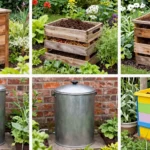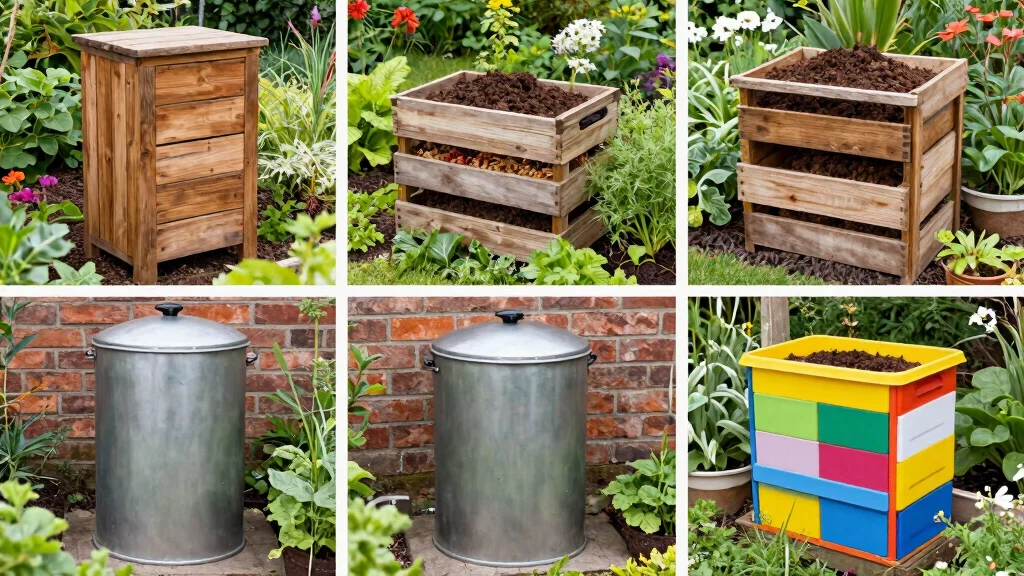
Creating a compost bin at home isn’t just a fun project; it’s a step towards sustainable living. If you’ve been feeling the urge to do something eco-friendly, you’re not alone. Many people are now looking for ways to reduce waste and create nutrient-rich soil for their gardens. That’s why I put together this post. I’ve gathered 13 smart compost bin design ideas that are perfect for your backyard, even if space is tight.
If you’re someone who enjoys gardening or is simply interested in sustainable practices, this guide is for you. Whether you have a sprawling yard or just a small balcony, these ideas will inspire you to start composting. You’ll find designs that are stylish, functional, and perfect for small spaces. Plus, you’ll save money on soil amendments while doing your part for the planet.
In this post, you will discover a variety of compost bin designs that are easy to build and maintain. Each idea balances functionality with creativity, ensuring you can find something that suits your style. From DIY solutions to upcycled materials, there’s something here for everyone. Let’s dive into these compost bin design ideas and get your composting journey started!
Key Takeaways
– Discover 13 unique compost bin designs that cater to small spaces, making it easier to start composting at home.
– Learn about various materials and styles, from stacked pallets to stylish metal bins, allowing you to choose what fits your aesthetic and needs.
– Get practical tips on building your DIY compost bin, perfect for your backyard or balcony, enhancing your sustainable gardening efforts.
– Understand the benefits of backyard composting, including reducing waste and creating nutrient-rich soil for your plants.
– Gain insight into the eco-friendly aspect of composting and how it contributes to a more sustainable lifestyle, making a positive impact on the environment.
1. Stacked Pallet Compost Bin
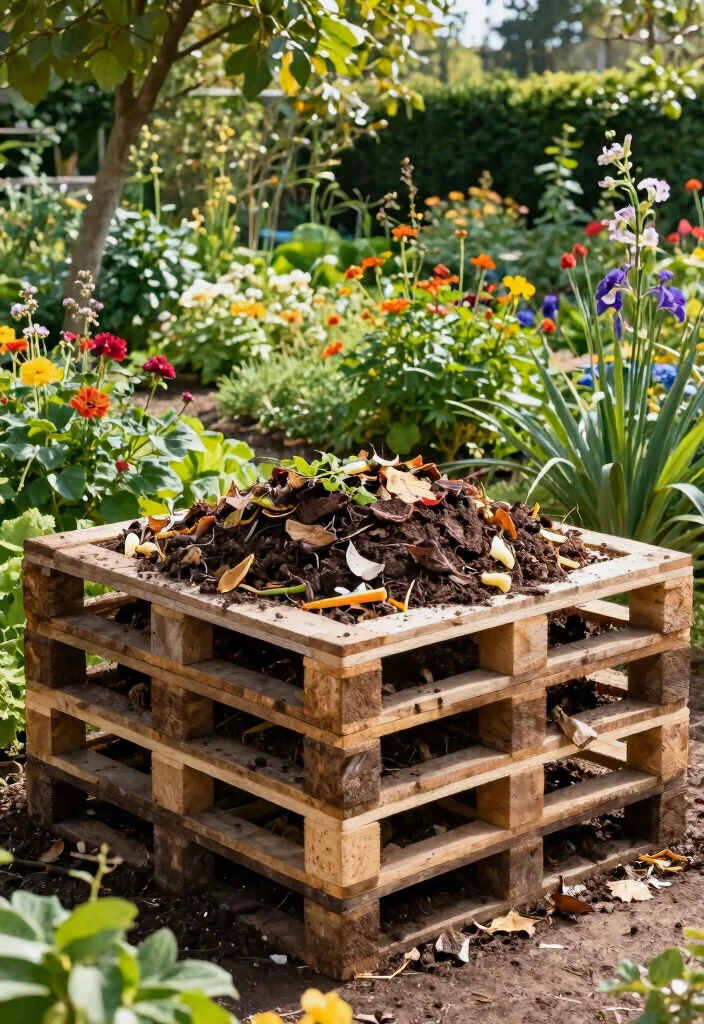
If you’re looking for a simple yet functional composting solution, a stacked pallet bin might be just what you need. Utilizing old wooden pallets, you can craft a multi-tiered system that not only saves space but also enhances airflow, which is vital for successful composting. Arranging the pallets into a square or rectangular shape creates separate compartments that are both rustic and practical, blending seamlessly with your garden aesthetic.
To get the most out of your pallet compost bin, ensure it’s on a flat surface for stability. Lining the inside with chicken wire or landscape fabric helps contain materials while allowing air to flow freely. For those rainy days, covering your bin with a tarp can prevent excess moisture and maintain the right balance for decomposition.
Key features to implement:
– Set pallets on a stable ground for durability.
– Use wire mesh for optimal air circulation.
– Cover with a tarp during wet weather.
This design not only promotes effective composting but also gives you a chance to upcycle materials, making it a fulfilling DIY project that enriches your garden.
2. Vertical Garden Compost Tower
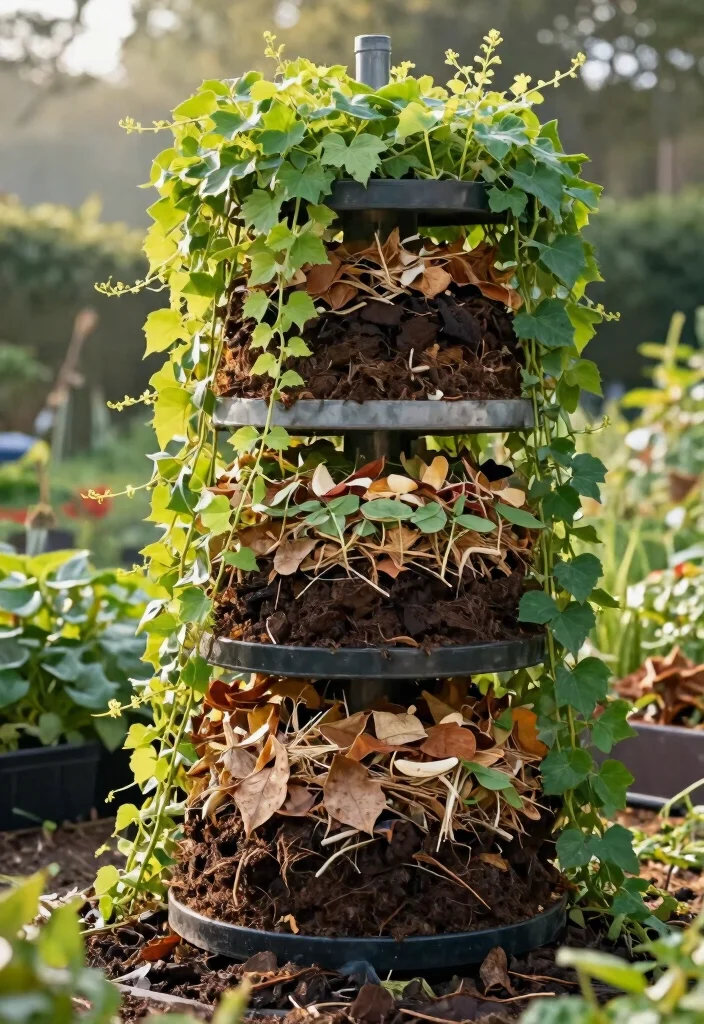
Elevate your composting approach with a vertical garden compost tower, perfect for tight spaces. This unique design allows you to stack multiple bins, making it ideal for urban settings where space is limited. Each level can hold different compost types, like kitchen scraps at the top and yard waste below, creating an efficient system that looks stunning in your garden.
For maximum effectiveness, select durable materials such as metal or treated wood that can withstand the elements. A removable base is a smart addition for easy access to finished compost, while a built-in watering system can help keep moisture levels consistent without constant effort.
Things to consider:
– Use sturdy materials for lasting durability.
– Include a removable base for easy compost retrieval.
– Add a watering system for moisture control.
This vertical compost tower not only saves space but also adds an eye-catching element to your garden, especially when adorned with climbing plants, making it both functional and beautiful.
3. Recycled Trash Bin Composting
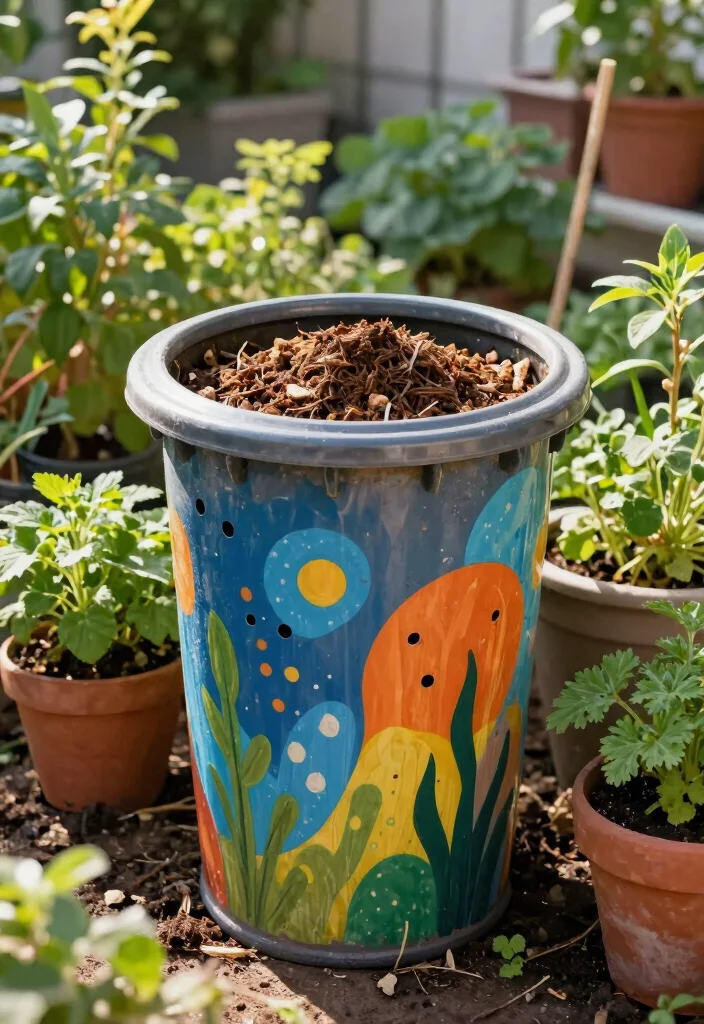
Why not give that old trash bin a new purpose by transforming it into a compost bin? This quick and eco-friendly solution fits perfectly in small spaces. With just a few holes drilled for aeration, you can start composting kitchen scraps and garden waste effortlessly. It’s an excellent choice for those who want a discreet composting option in urban settings.
To create your compost bin, start by thoroughly cleaning the trash bin to remove any lingering odors. Drill holes in the sides and bottom for airflow and layer your compost materials, ensuring a good mix of greens and browns for optimal results.
Steps to follow:
1. Clean the bin to remove any residue.
2. Drill holes for ventilation.
3. Layer compost materials properly.
This approach not only promotes sustainability but also allows you to personalize your bin with colorful paint or designs, turning an ordinary trash bin into a stylish and functional composting solution for your home.
Key Trade-offs & Our Top Pick
Choosing the right compost bin design for your backyard is crucial for effective composting. Each style has its own benefits and drawbacks. Let’s explore some popular options to help you make an informed decision.
1. Stacked Pallet Compost Bin
– Pros:
– Inexpensive and easy to build using recycled pallets.
– Great for aeration due to open slats.
– Encourages easy access for turning compost.
– Cons:
– Can be less durable in harsh weather.
– Requires some DIY skills to assemble properly.
– May attract pests if not managed well.
– Best for: DIY enthusiasts looking to recycle materials while saving money.
2. Vertical Garden Compost Tower
– Pros:
– Space-saving design fits well in small yards.
– Allows for efficient composting in small amounts.
– Can double as a decorative garden feature.
– Cons:
– Limited volume for larger composting needs.
– More expensive than other simple designs.
– Requires regular maintenance to keep it working effectively.
– Best for: Urban gardeners with limited space seeking an attractive composting solution.
3. Mini Worm Composting Bin
– Pros:
– Produces high-quality compost (vermicompost) quickly.
– Ideal for small spaces and kitchen scraps.
– Pests are less of an issue due to closed design.
– Cons:
– Requires specific care for worms (temperature, moisture).
– Can be a bit pricy to set up initially.
– Not suitable for larger yard waste.
– Best for: Those wanting to compost kitchen waste indoors with minimal space.
4. Upcycled Wooden Crate Compost Bin
– Pros:
– Eco-friendly option repurposing old crates.
– Aesthetically pleasing for backyard settings.
– Easy to access for turning compost.
– Cons:
– Wood can deteriorate over time, needing replacement.
– May not provide sufficient aeration if packed too tightly.
– Limited composting space compared to larger bins.
– Best for: Eco-conscious gardeners who enjoy upcycling and aesthetics.
5. Compost Tumbler
– Pros:
– Easy to turn compost for aeration.
– Faster composting process due to sealed design.
– Rodent-resistant, minimizing pest issues.
– Cons:
– Higher cost compared to traditional bins.
– Limited capacity for larger composting needs.
– Can be heavy and difficult to rotate when full.
– Best for: Busy gardeners who want quick results and easy handling.
Expert Recommendation:
Best Overall: Compost Tumbler
The compost tumbler is our top pick for most people due to its combination of ease of use, speed, and pest control. You can quickly turn your compost, helping it break down faster. While it may be a bit more costly upfront, the convenience and effectiveness it offers can save you time and effort in the long run.
Why We Picked This:
If you’re looking for a budget-friendly option or enjoy DIY projects, you might prefer the stacked pallet compost bin or the upcycled wooden crate. For those with limited space, the vertical garden compost tower or mini worm composting bin could be a better fit. Each option has its charm, so consider your gardening goals and space before deciding!
4. Mini Worm Composting Bin
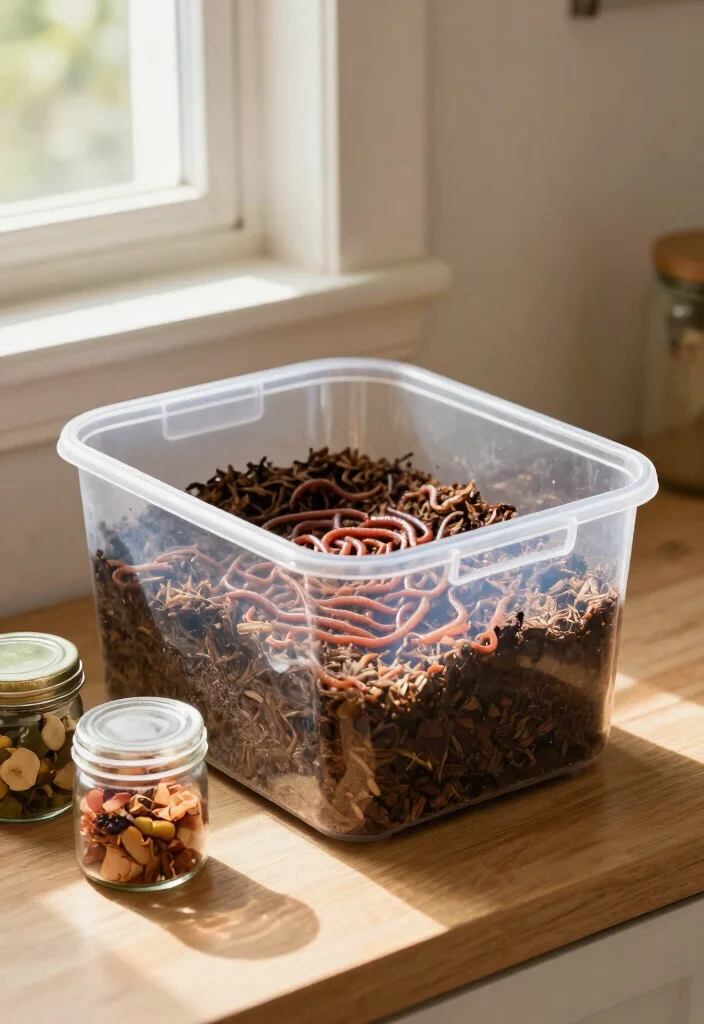
If you’re keen on vermicomposting, a mini worm composting bin is an ideal choice for compact living spaces. Using red wriggler worms, this system rapidly breaks down organic matter into nutrient-rich compost, and it can easily fit under your kitchen sink or on a balcony.
Setting up your worm bin is simple. Start with a plastic container that has a lid to keep the worms safe. Add bedding material like shredded newspaper or coconut coir, and feed your worms a balanced diet of fruit and vegetable scraps.
Essential components include:
– A secure plastic container with a lid.
– Shredded newspaper or coconut coir for bedding.
– A mix of kitchen scraps for feeding.
This method not only accelerates composting but also engages you in a fascinating process. Plus, you get the bonus of worm tea, a liquid gold for your plants, making this compact solution both practical and rewarding.
5. Upcycled Wooden Crate Compost Bin
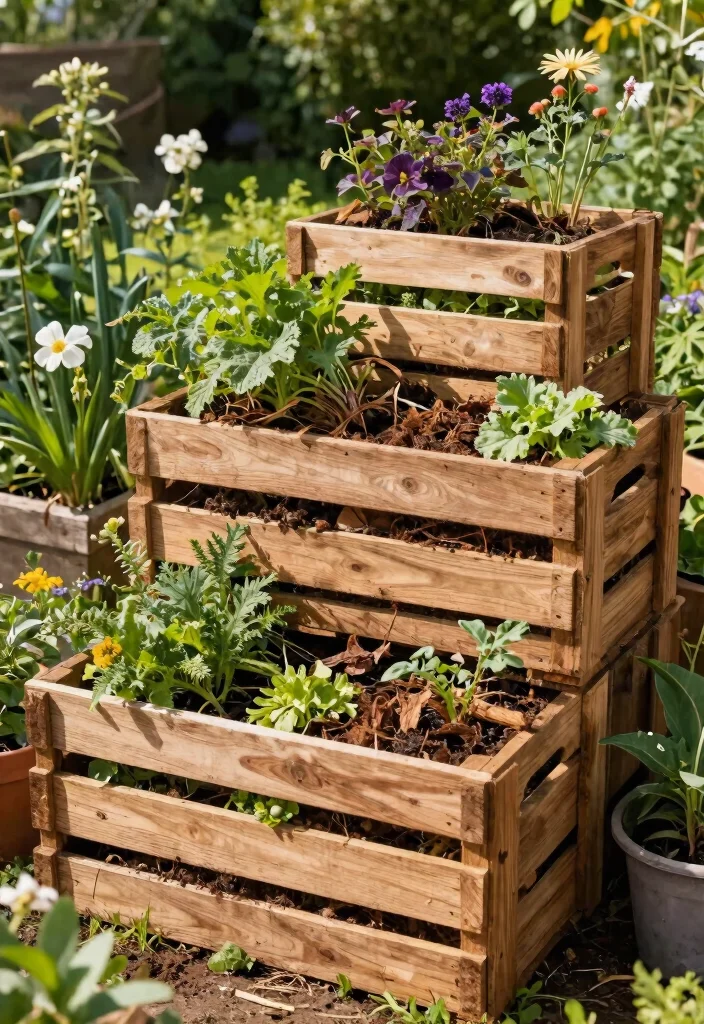
Transforming wooden crates into a compost bin brings a charming rustic vibe to your garden while being functional. You can stack these crates or arrange them side by side, creating multiple compartments for different composting stages. Their open design allows for excellent airflow, which is essential for effective composting.
When using crates, make sure they are clean and free from harmful treatments. Position them in a sunny spot to help with the composting process, and consider a rotation system to keep your materials fresh and active.
Key considerations:
– Ensure crates are clean and safe for use.
– Place in a sunny area to aid decomposition.
– Organize a rotation for active composting.
This upcycled design not only serves a practical purpose but also adds artistic flair to your outdoor space, making sustainable gardening stylish and enjoyable.
6. Stylish Metal Compost Bin
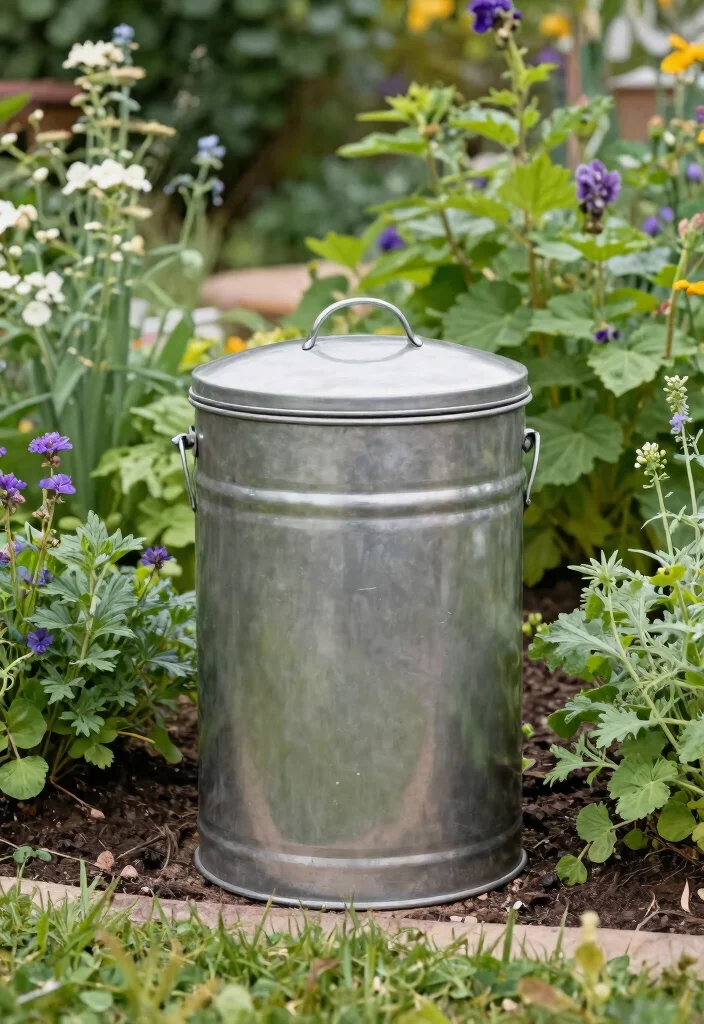
For those wanting a sleek and modern composting option, a stylish metal compost bin is a great pick. These bins are designed to seamlessly blend with your outdoor decor while offering exceptional durability. With secure lids to keep pests out and proper ventilation, they combine form and function beautifully.
When selecting a metal compost bin, look for rust-resistant materials to ensure it lasts through various weather conditions. These bins often come in various sizes, making it easy to find one that fits your space perfectly.
Benefits to enjoy:
– Rust-resistant materials for long-lasting use.
– Aesthetically pleasing compared to traditional bins.
– Available in multiple sizes to fit any area.
A stylish metal compost bin enhances your garden’s appearance while effectively managing organic waste, making it a smart choice for eco-conscious gardeners.
7. Hanging Compost Bins
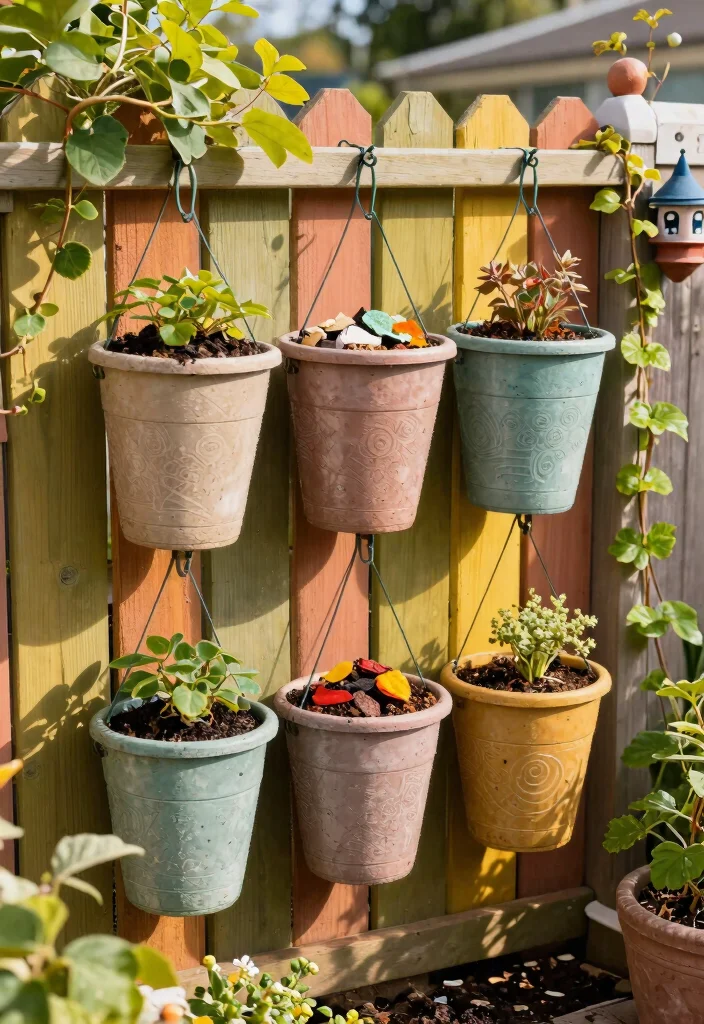
Hanging compost bins offer a creative solution for maximizing vertical space in your garden. These bins can be hung on fences, walls, or even ceilings, making them perfect for compact areas. Their straightforward design allows for easy addition and removal of compost materials.
When choosing a hanging compost bin, ensure it’s securely fastened to support the weight of compost. A design with good drainage is essential, as excess moisture can impede the composting process. Incorporating a sturdy lid will help keep pests at bay and manage odors effectively.
What to keep in mind:
– Securely fasten to support the compost weight.
– Choose a design with proper drainage.
– Include a lid to deter pests.
Utilizing hanging compost bins not only saves space but also adds a unique flair to your garden, allowing you to create a functional and visually appealing feature.
8. Stylish Container Composting
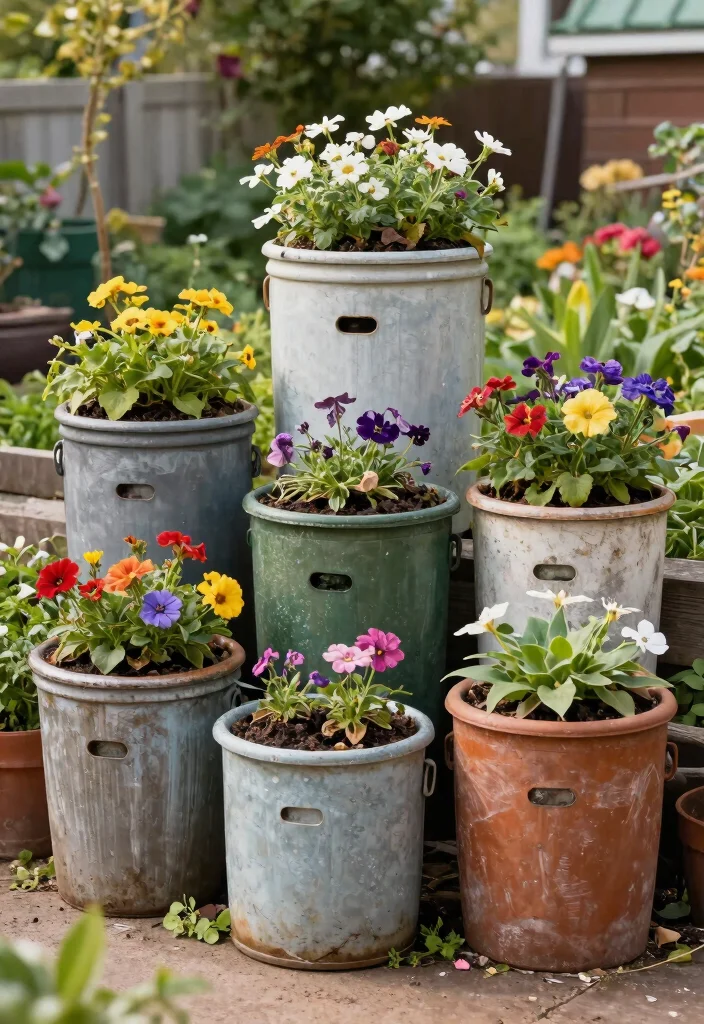
For urban gardeners, using stylish containers as compost bins is an ingenious way to recycle while maintaining aesthetics. This method allows you to repurpose old pots or containers, keeping your composting efforts discreet and chic. Selecting containers that match your garden decor can create a beautiful display.
To ensure success, make sure your containers have drainage holes to prevent water from pooling. Combining a mix of materials is key, so layer browns and greens effectively, and monitor moisture levels, as containers can dry out more quickly than traditional bins.
Success tips include:
– Ensure drainage holes to avoid excess water.
– Use a mix of browns and greens for balance.
– Monitor moisture levels closely.
Container composting not only keeps your efforts hidden but also adds a personal touch to your gardening, sparking conversations about sustainable practices among neighbors.
Fun fact: a single repurposed planter can become a chic compost bin design idea for small spaces in as little as 2–3 weeks. With drainage holes and a smart browns-and-greens layered mix, you can turn kitchen scraps into ready compost while keeping your balcony stylish.
9. DIY Kitchen Compost Bin
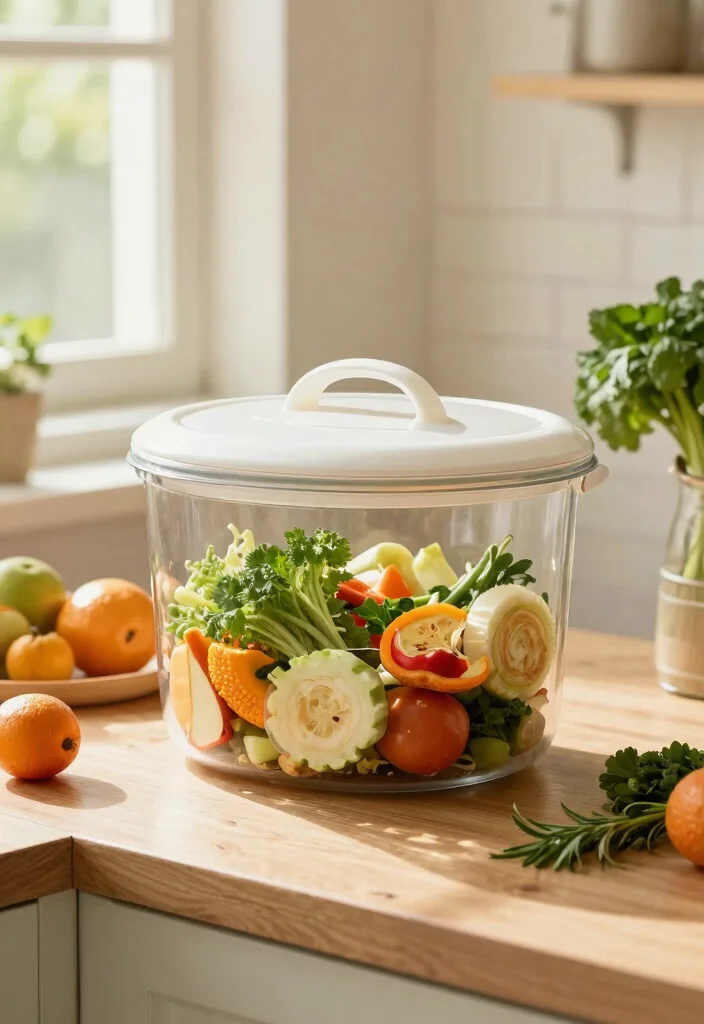
Creating a DIY kitchen compost bin is a fantastic first step toward sustainable living. Designed to sit conveniently on your countertop or under the sink, it makes collecting food scraps and organic waste easy. Whether you use a simple jar or construct a custom bin from wood or plastic, this project is both practical and rewarding.
Key features to consider include an airtight lid to minimize odors and keep pests away, as well as a design that can complement your kitchen decor. Easy access is crucial for quick disposal of scraps, so think about how you’ll use it in your daily routine.
Features to include:
– Airtight lid to reduce smells and pests.
– Attractive design that adds to your kitchen decor.
– Convenient access for quick disposal.
Building your kitchen compost bin can be a fun family project, allowing you to personalize it and take your first steps toward a greener lifestyle!
A DIY kitchen compost bin is your shortcut to less waste and a greener home. Start with a simple under-sink container, then follow smart compost bin design ideas to keep odors down and turn scraps into garden nourishment.
10. Compost Bin with a Lid
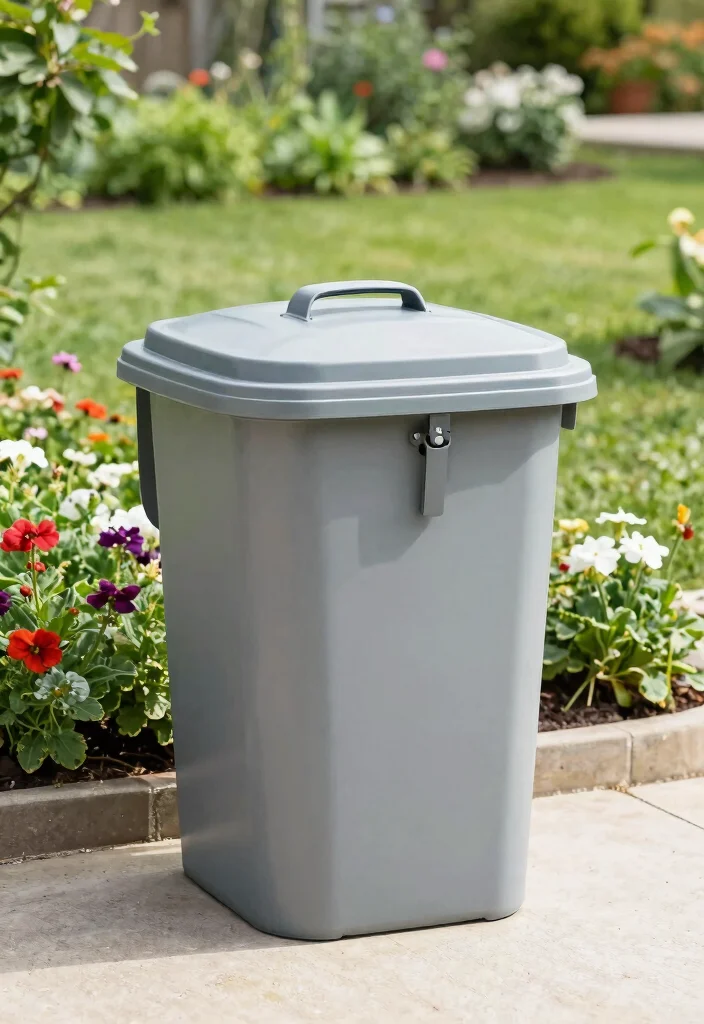
A compost bin with a lid is vital for managing odors and keeping pests out of your compost. When selecting a bin, look for designs that feature easy-to-open lids, allowing you to add scraps and turn the compost with ease. This design not only enhances practicality but also helps maintain a tidy garden environment.
When choosing your compost bin, consider features like locking mechanisms for securing the lid, ventilation holes for proper airflow, and simple assembly for hassle-free setup.
Features to prioritize:
– Locking mechanisms to keep the lid secure.
– Ventilation holes for optimal airflow.
– Easy assembly for quick setup.
This approach is perfect for garden lovers who want to keep their composting process organized and efficient while enjoying the benefits of sustainable practices.
11. Simple Wire Bin
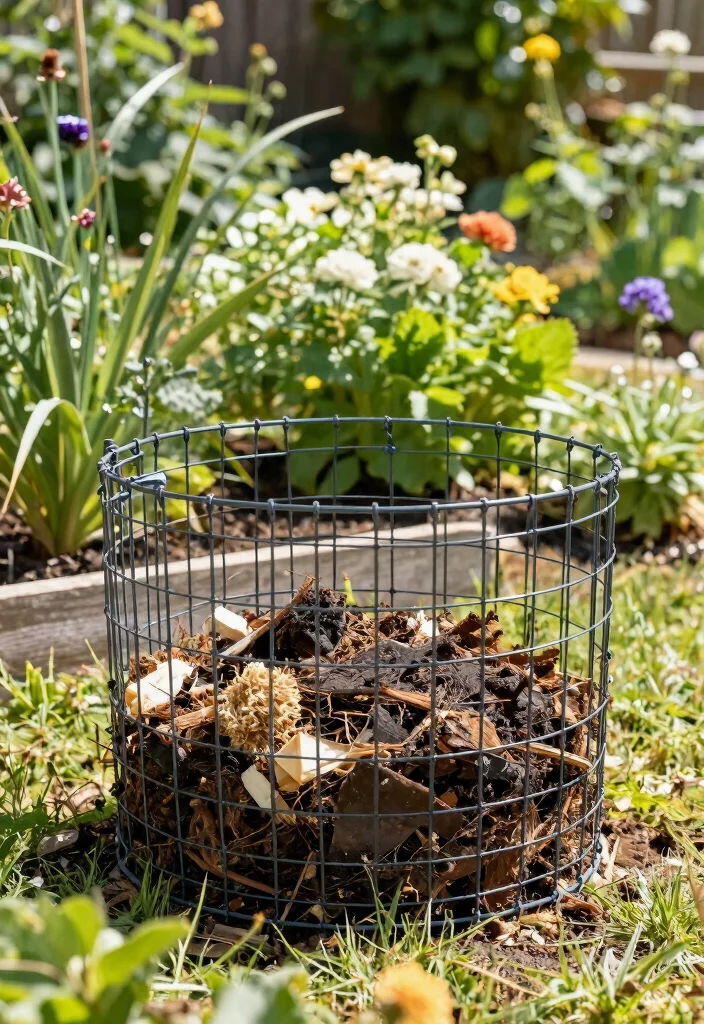
If you’re on a budget, a simple wire bin could be the perfect composting solution for you. Made from fencing or chicken wire, it’s easy to set up in any garden space. The open design ensures excellent airflow, which is essential for successful composting.
Make sure the wire is sturdy enough to hold your compost materials, and choose a location with good drainage to avoid water pooling. Covering the bin with a tarp during heavy rains can help maintain moisture levels.
Considerations for success:
– Ensure the wire is durable enough for composting.
– Select a well-drained location.
– Use a tarp to protect from excess rain.
This design is a fantastic way to start composting without a large investment, offering a rustic appearance that complements any garden style while supporting eco-friendly practices.
12. Compost Tumbler
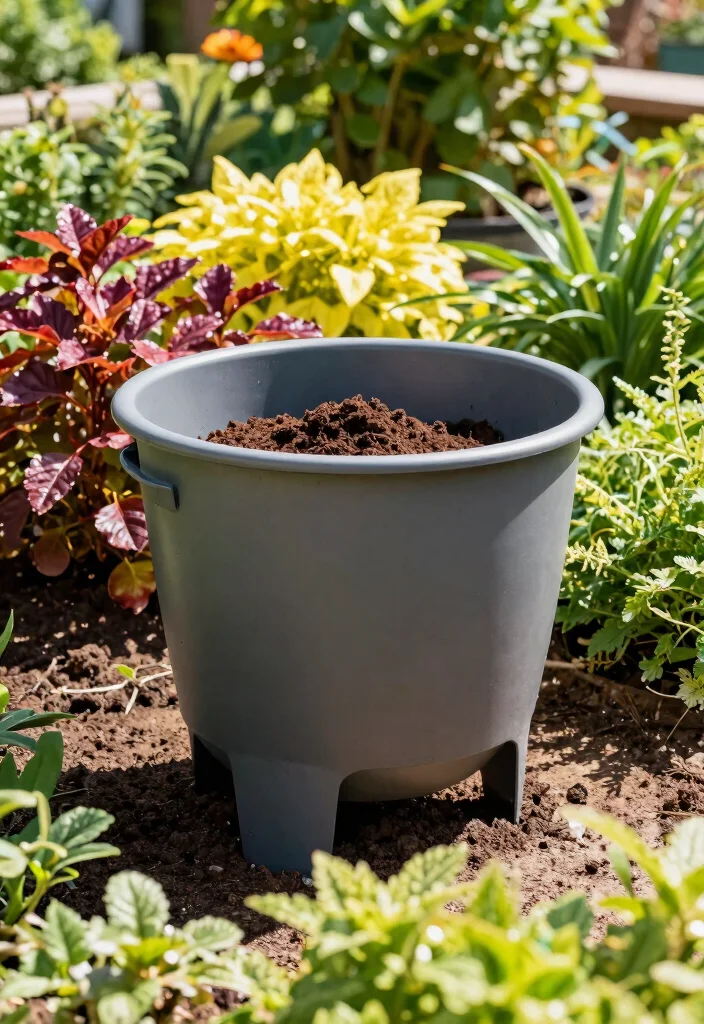
If you want to speed up your composting process, a compost tumbler is an excellent investment. This enclosed design makes it easy to mix materials, promoting faster decomposition. It’s especially suitable for smaller gardens, taking up minimal space while being highly effective.
The tumbler keeps your compost contained and tidy, minimizing odors. The rotating design encourages aeration, which is crucial for breaking down materials, making the process less labor-intensive.
Reasons to choose a tumbler:
– Keeps compost tidy and odor-free.
– Encourages aeration for faster decomposition.
– Easy to rotate for efficient mixing.
Investing in a compost tumbler enhances your composting efficiency and adds a modern touch to your garden, making it a smart choice for sustainable gardening.
Fun fact: Compost bin design ideas like a tumbler can speed up decomposition by 2-3x. With rotating aeration, you’ll turn kitchen scraps into usable compost in as little as 2-4 weeks, even in small spaces.
13. Portable Compost Bin
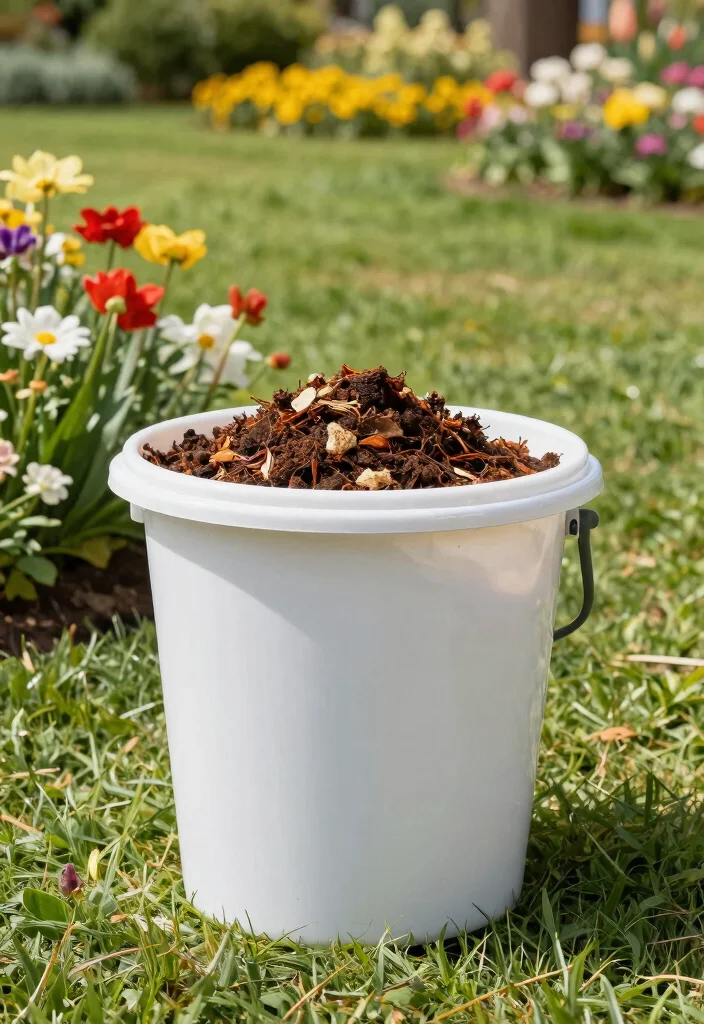
A portable compost bin offers flexibility for those who want to compost on the go. Whether at a community garden or enjoying the outdoors, these lightweight bins allow you to gather organic waste wherever you are. They’re designed for easy transport, making composting accessible no matter your location.
When choosing a portable bin, look for durable materials that are lightweight for convenience. Ensure it has ventilation holes for proper airflow and easy access openings for adding scraps.
Features to look for:
– Lightweight materials for easy carrying.
– Ventilation holes for optimal airflow.
– Convenient openings for easy scrap addition.
Portable compost bins are perfect for adventurous gardeners and apartment dwellers who want to stay engaged with composting, allowing you to maintain your routine wherever you go!
Conclusion
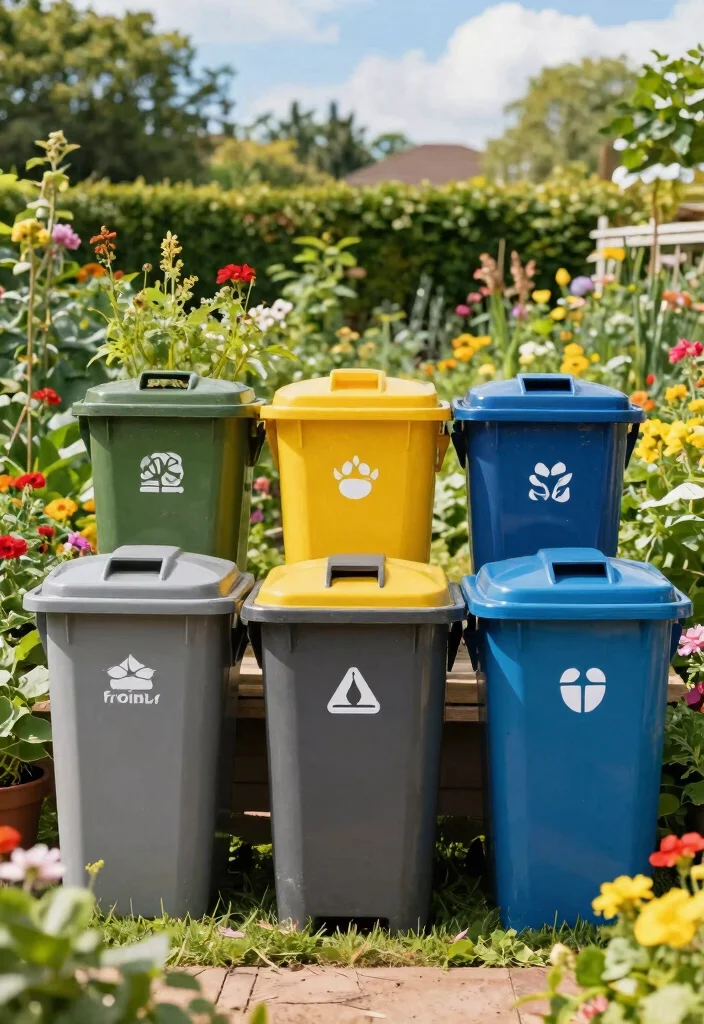
Exploring these 13 creative compost bin design ideas illustrates how composting can fit seamlessly into any space, no matter how small. Each design not only promotes sustainable gardening but also adds a unique touch to your outdoor or indoor setting.
As you embark on your composting journey, remember that every little effort counts toward a greener planet. Take inspiration from these ideas and start crafting your own compost bin that suits your lifestyle. Join the conversation about sustainable living and share your experiences with friends and family!
Note: We aim to provide accurate product links, but some may occasionally expire or become unavailable. If this happens, please search directly on Amazon for the product or a suitable alternative.
This post contains Amazon affiliate links, meaning we may earn a small commission if you purchase through our links, at no extra cost to you.
Frequently Asked Questions
What are the best vertical compost bin design ideas for small spaces?
Vertical designs help you maximize tiny patios, balconies, or corners while keeping eco-friendly gardening. Here are practical compost bin design ideas you can build at home: a) a stackable tote-tower using two to four plastic bins with vented sides, b) a slimline wall-mounted rotating barrel that fits along a fence or wall, c) a pallet-frame vertical tower with multiple compartments, d) a worm-tower base tucked at the base of a raised bed, and e) a compact two-bin cylinder with a simple turning mechanism. Each option saves space while delivering good airflow and easy access. These ideas support backyard composting in small spaces and align with sustainable gardening and eco-friendly gardening goals.
How can I build a DIY vertical compost bin at home?
Start with a clear plan and a simple materials list for a DIY compost bin that fits your space.
Step 1: Pick a design and size based on how much you generate and where you’ll place it.
Step 2: Gather materials (reused pallets or food-safe plastic totes, screws, drill, ventilation holes, hardware cloth for pest protection, hinges for a lid).
Step 3: Assemble the frame or shell and add ventilation slots or holes for airflow.
Step 4: Line the interior with hardware cloth or a breathable liner and fit a tight lid.
Step 5: Add a simple turning method if you’re not using a tumbler (a rotating bin or a door/hand-turn access works well).
Step 6: Place the unit on a raised, sheltered spot and start layering greens and browns, keeping the moisture like a wrung-out sponge.
With these steps, you’ll have a practical DIY compost bin that supports backyard composting and sustainable gardening.
What materials work best for vertical compost bins to maximize airflow and minimize pests?
Choose durable, non-toxic options that suit small spaces: cedar or pine framing, recycled plastic totes or HDPE bins, and a pest barrier such as hardware cloth. For airflow, install evenly spaced vent holes or perforated panels. Elevate the bin on legs or a frame to improve drainage and air movement. Finish with a tight-fitting lid to reduce pests and odors. Using reclaimed materials keeps things eco-friendly gardening and supports sustainable gardening without breaking the bank.
How should I manage composting in a vertical bin to get fast, rich compost?
Follow a simple composting tips routine: balance greens and browns (roughly 1–2 parts greens to 3 parts browns); chop or shred compostables to speed up decomposition; keep moisture like a wrung-out sponge (neither soggy nor bone-dry); aerate by turning every 7–14 days or using an internal turning mechanism. Don’t overfill—add waste gradually and mix old with new to maintain healthy microbial activity. In warm months a well-managed vertical system can produce finished compost in as little as 4–8 weeks; cooler climates will take longer.
How do I prevent odors and pests in a small-space backyard composting setup?
Keep lids closed and secure, and always cover kitchen scraps with a layer of dry browns like leaves or shredded paper. Maintain proper moisture and aeration to avoid anaerobic conditions that cause odors. Use a pest-proof inner liner and a fine mesh or hardware cloth barrier if needed. Place the unit away from seating areas and ensure good drainage. Regular turning and a steady supply of browns will keep your backyard composting pleasant and effective, fitting nicely into eco-friendly gardening habits.
![9 Essential Compost Bin Maintenance Tips [No Bad Smells]](https://huserie.com/wp-content/uploads/2026/04/9-Essential-Compost-Bin-Maintenance-Tips-No-Bad-Smells-150x150.webp)
![15 Stunning Inflatable Pool Deck Ideas [Make It Look Built In]](https://huserie.com/wp-content/uploads/2026/04/15-Stunning-Inflatable-Pool-Deck-Ideas-Make-It-Look-Built-In-150x150.webp)