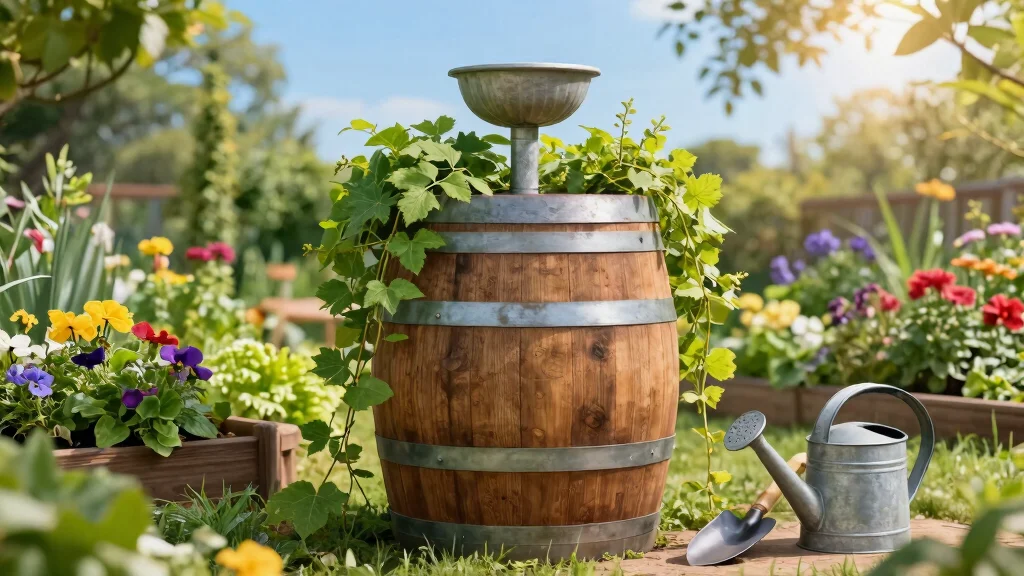
Rainy days always spark a craving for nurturing growth in your garden, but have you ever thought about how to use all that precious rainwater? With the right tools, you can collect and filter rainwater to nourish your plants, giving them the hydration they need while being kind to the environment. That’s why I’ve put together this post on the 9 Best Rain Barrel Filter Ideas for Clean Garden Water. It’s time to turn that rain into your garden’s best friend!
If you’re passionate about gardening, eco-friendly practices, or just looking to improve your garden irrigation system, this guide is for you. Whether you’re a seasoned gardener or just starting with your first DIY rain barrel, you’ll find practical tips and ideas to fit your needs. I promise you’ll discover a variety of filtering methods that are easy to understand and implement, making your sustainable water management efforts not only effective but also fulfilling.
By the end of this post, you’ll have a solid understanding of different rain barrel filter ideas, from simple mesh screens to multi-layer filtration systems. You’ll also learn how these filters can keep your rainwater clean and usable, ensuring that your garden thrives. So, grab your gardening gloves and let’s dive into creating a sustainable water system that benefits both your plants and the planet!
Key Takeaways
– Understanding Filters: Learn how different types of filters, like mesh screens and activated charcoal, can keep your rainwater clean for garden use.
– DIY Solutions: Discover how easy it is to create your own rain barrel filters using materials you might already have at home.
– Pre-filtration Techniques: Explore options like first flush diverters that help keep contaminants out before water enters your storage system.
– Multi-layer Filtration: Get insights into using complex filtration systems that combine various filtering methods for maximum effectiveness.
– Sustainable Practices: Embrace eco-friendly gardening by harvesting rainwater, conserving resources, and keeping your garden healthy and hydrated.
1. Mesh Screen Filters
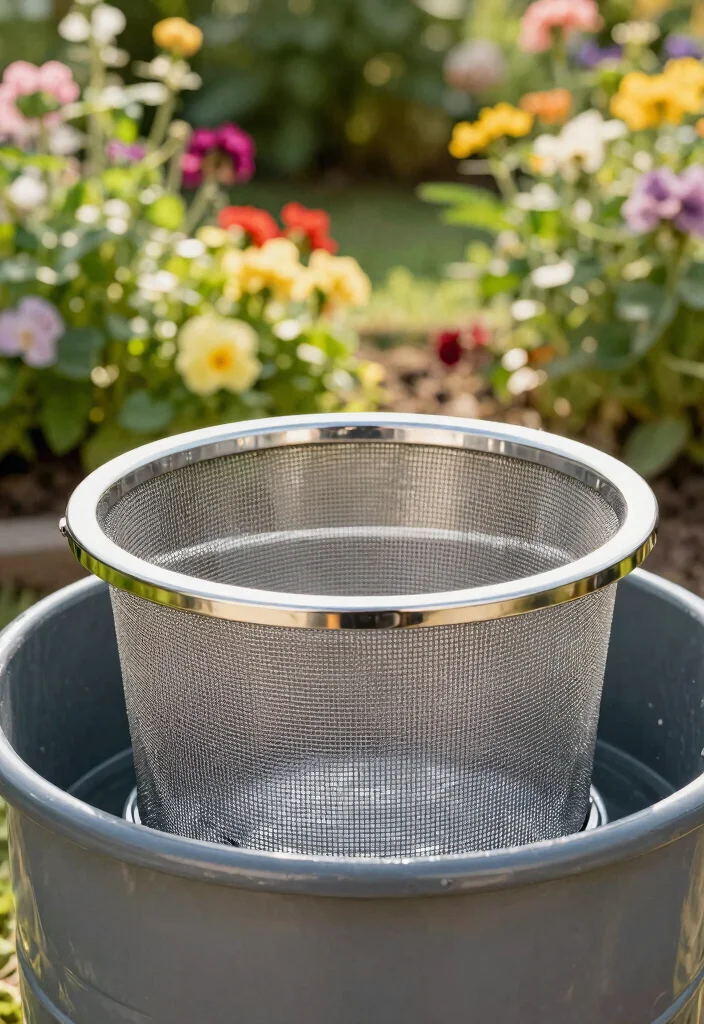
If you’re looking for an easy way to keep your rainwater clean, mesh screen filters are a fantastic choice. These filters effectively block larger debris like leaves and twigs, ensuring your stored rainwater remains pure and ready for use. They’re not just functional but also simple to install and customize to fit most rain barrel openings, making them a practical addition to any gardening setup.
Mesh screens come in a variety of materials, such as stainless steel and nylon, which provide durability against the elements. Choosing a fine mesh allows you to capture even smaller particles while ensuring excellent water flow.
Key benefits of using mesh screens:
– Affordable: Easy on your wallet and replaceable when needed.
– Low maintenance: Just rinse during your regular garden care.
– Versatile: Suitable for different barrel shapes and sizes.
With mesh screen filters, you’ll enjoy cleaner water for your garden and peace of mind knowing your rain collection system is working effectively.
Mesh screen filters are a simple, smart way to keep rainwater clean. They block leaves and twigs, protecting your barrel and your plants. Install once, customize to fit your opening, and keep your rain barrel filter ideas practical and ready to use.
Key Trade-offs & Our Top Pick
Option Comparison
1. Mesh Screen Filters
– Pros:
– Effective at catching leaves and debris.
– Easy to install and maintain.
– Cons:
– Can clog quickly if not cleaned regularly.
– May not filter out smaller particles.
– Best for: Gardeners looking for a simple solution to keep larger debris out of their rain barrels.
2. Activated Charcoal Filters
– Pros:
– Great at removing odors and impurities.
– Provides clean and safe water for plants.
– Cons:
– Requires replacement every few months.
– Can be more expensive than basic filters.
– Best for: Those who want to ensure their garden water is both pure and odor-free.
3. DIY Sand Filters
– Pros:
– Cost-effective and customizable.
– Good for filtering out small particles.
– Cons:
– Takes time and effort to create.
– May need frequent maintenance to function well.
– Best for: DIY enthusiasts who want a hands-on approach to rainwater filtration.
4. Gutter Downspout Filters
– Pros:
– Prevents debris from entering the rain barrel from the start.
– Easy installation directly into existing gutters.
– Cons:
– Might require regular cleaning to remain effective.
– Limited filtration capabilities for finer particles.
– Best for: Homeowners looking to protect their rain barrels from the beginning.
5. Biodegradable Filters
– Pros:
– Eco-friendly and sustainable option.
– Breaks down naturally without harming the environment.
– Cons:
– May not last as long as synthetic options.
– Effectiveness can vary based on materials used.
– Best for: Eco-conscious gardeners wanting a sustainable filtration choice.
Expert Recommendation:
Best Overall: Mesh Screen Filters
Mesh screen filters are our top recommendation for most gardeners. They offer excellent value for money, as they are affordable and easy to use. The installation process is straightforward, making them accessible for any gardener, regardless of skill level. Plus, they require minimal maintenance compared to more complex systems, ensuring long-term durability.
Why We Picked This:
While mesh screen filters are versatile, some might find activated charcoal filters better suited for their needs, especially if odor removal is a top priority. Conversely, DIY sand filters appeal to those who enjoy a project and want to save on costs. Each option has its strengths, so consider your specific garden needs when choosing the right filter.
2. Activated Charcoal Filters
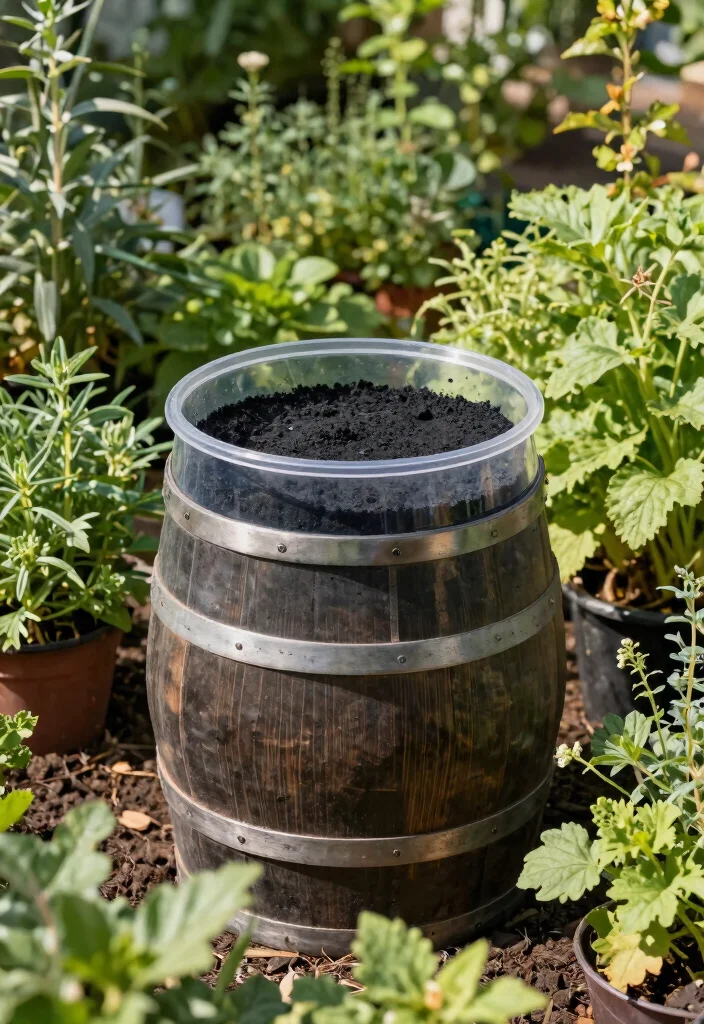
For those who want to take water purification to the next level, activated charcoal filters are an excellent solution. Known for their ability to absorb impurities, these filters greatly enhance the quality of your rainwater, ensuring it’s fresh and clean for your plants. By acting like a sponge, activated charcoal traps harmful contaminants and odors while allowing only the purest water to pass through.
Implementing activated charcoal filters is straightforward: place a layer at the bottom of your rain barrel, followed by a mesh screen to filter incoming rainwater. Be sure to replace the charcoal every few months to maintain its effectiveness, and keep track of your replacement schedule.
Here’s why you should consider activated charcoal filters:
– Layering: Combine with a mesh screen for thorough filtration.
– Health benefits: Improves water quality for healthier plant growth.
– User-friendly: Simple to install and maintain.
Using activated charcoal filters promotes sustainable gardening while ensuring your plants receive the highest quality water.
3. DIY Sand Filters
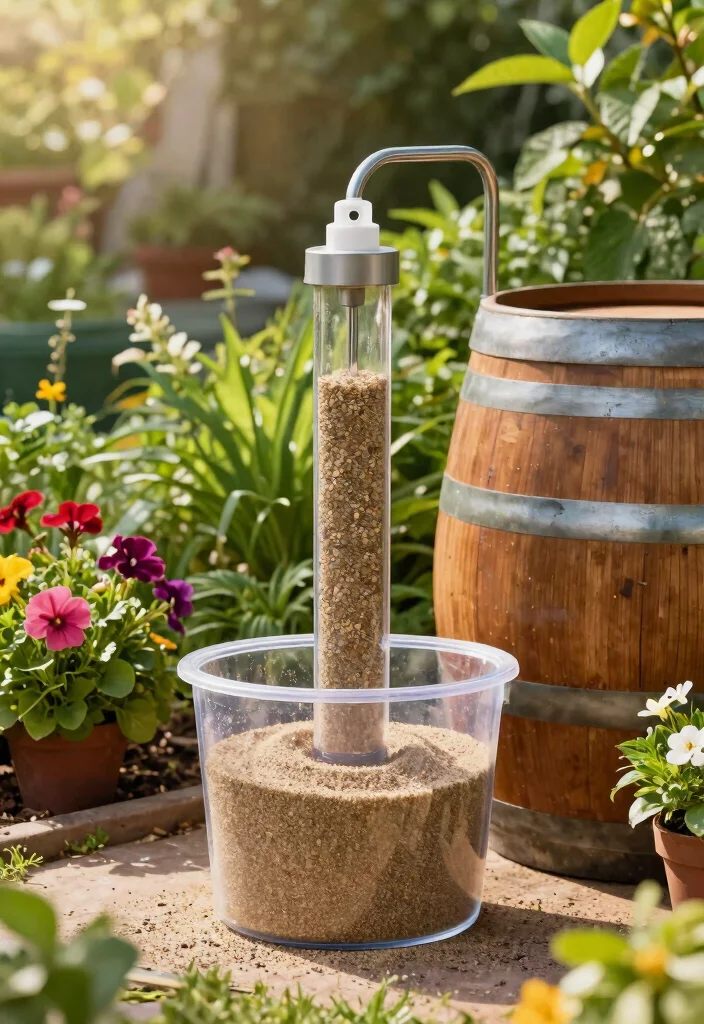
If you enjoy hands-on projects, creating a DIY sand filter for your rain barrel can be both fun and effective. This method utilizes the natural filtering properties of sand to purify rainwater, making it a rewarding addition to your gardening toolkit. You can easily build one using common materials, turning your rainwater collection into a creative project.
To create your own sand filter, gather sand, gravel, and a container. Start by layering larger gravel at the bottom, followed by fine sand to trap smaller particles. Position the filter on top of your rain barrel for easy access and remember to check and replace the sand regularly for optimal performance.
Steps to build a DIY sand filter:
– Gather materials: Use sand, gravel, and a sturdy container.
– Layer effectively: Start with gravel, then add sand.
– Regular maintenance: Swap out sand and gravel to keep it clean.
This DIY approach not only filters your rainwater but also adds a personal touch to your gardening practices.
DIY sand filters turn rain barrel filter ideas into a practical project you can finish this weekend. Build a simple layered container with gravel, sand, and a clean outlet, and watch your garden water become clearer and safer with every rainfall.
4. Gutter Downspout Filters
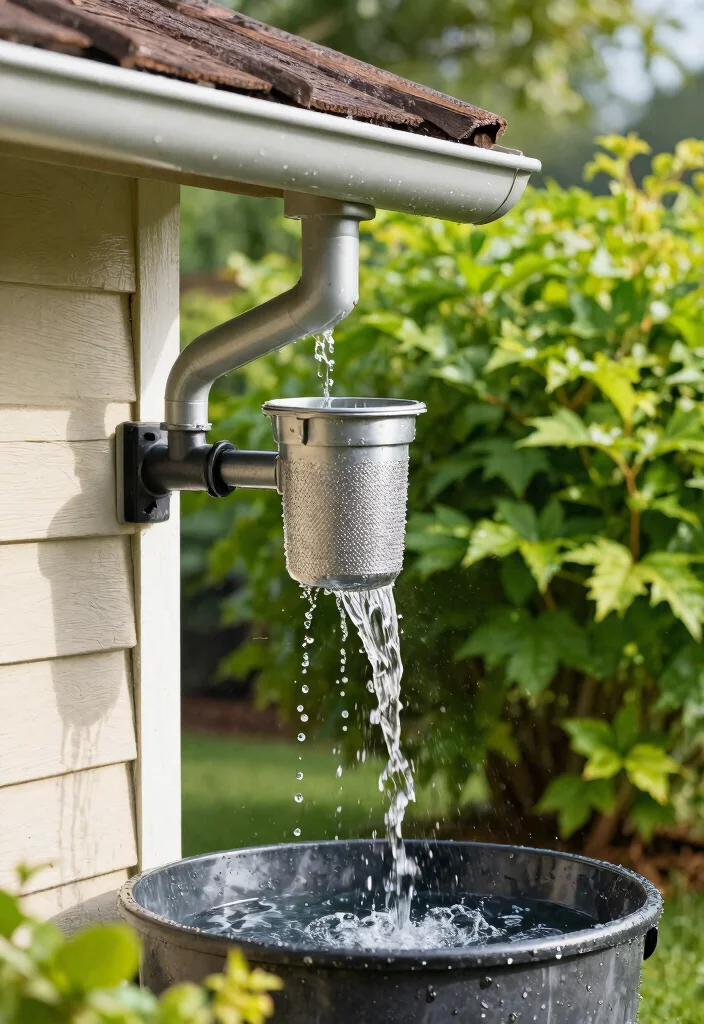
Enhancing your rainwater harvesting begins with your gutter system. Gutter downspout filters act as a first line of defense, blocking debris from entering your rain barrel. By installing these filters, you can ensure that only clean, filtered water flows into your storage system, significantly improving the quality of collected rainwater.
These filters are designed to fit most standard downspouts, allowing for quick installation with just a few tools. Look for durable materials that can withstand the weather to ensure long-lasting use.
Benefits of gutter downspout filters include:
– Debris prevention: Stops leaves and dirt before they reach your barrel.
– Easy to install: Fits standard sizes with minimal effort.
– Durability: Made from weather-resistant materials for longevity.
By integrating gutter downspout filters, you’ll not only improve the quality of your rainwater but also support healthier plant growth in your garden.
5. Biodegradable Filters
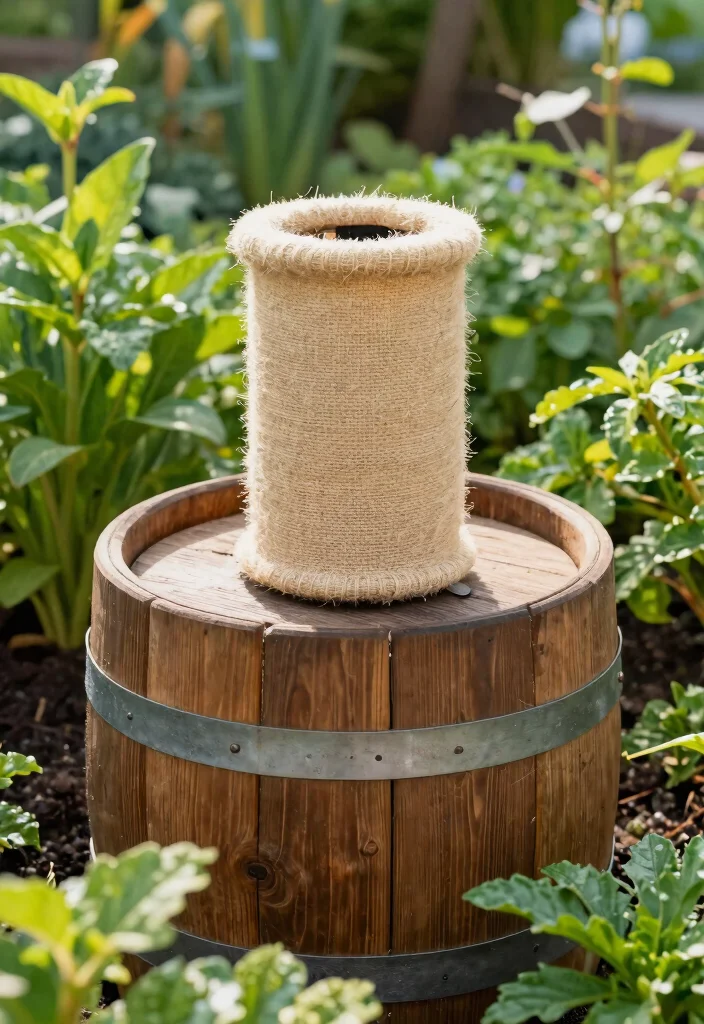
For environmentally conscious gardeners, biodegradable filters offer a sustainable option for rainwater filtration. These filters decompose naturally over time, making them a great choice for those who want to reduce their carbon footprint while keeping their gardens healthy. Made from materials like coconut coir or jute, they effectively trap sediment without harming the environment.
Using biodegradable filters is straightforward; simply place them at the entry point of your rain barrel. As they break down, they even add nutrients to the soil, enhancing plant health.
Consider these advantages of biodegradable filters:
– Eco-friendly: Naturally decomposes without lasting waste.
– Functional: Filters rainwater while enriching your soil.
– User-friendly: Easy to install and replace.
Incorporating biodegradable filters into your system supports eco-friendly practices while ensuring quality water for your plants.
Did you know biodegradable filters can cut plastic waste by up to 70% in rain barrel filter ideas for sustainable gardens? Made from coconut coir or jute, these filters trap sediment and decompose naturally, keeping your garden water clean without extra waste.
6. Filter Systems with Carbon Filters
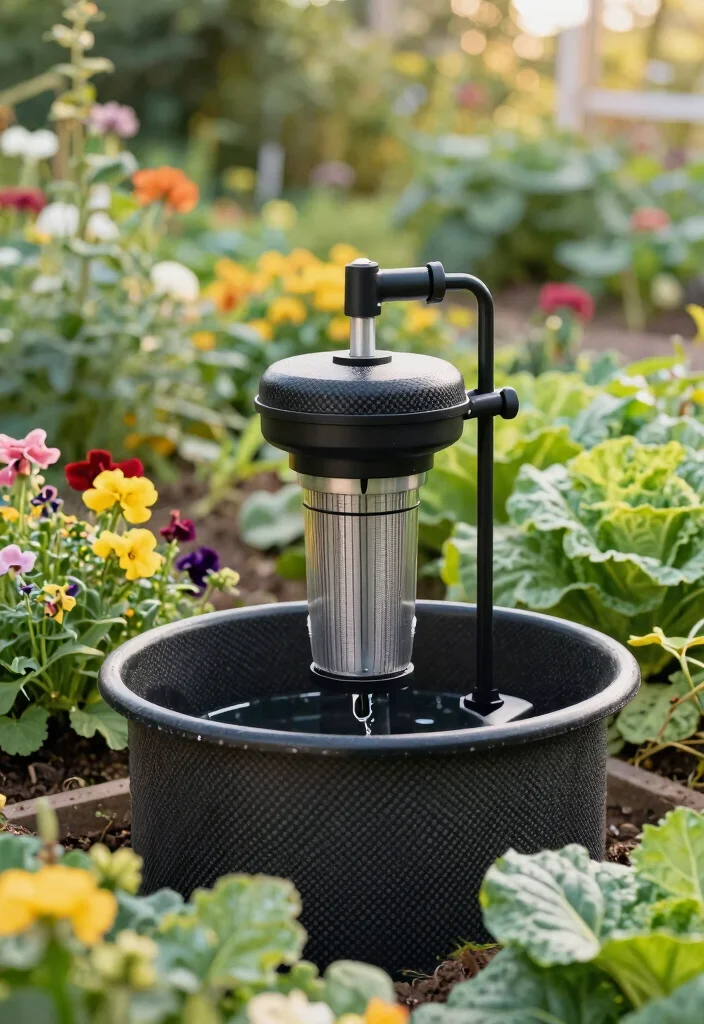
If you’re after a more advanced solution, carbon filters provide superior purification for your rainwater. These systems excel at removing contaminants and improving the taste and smell of the water, making it perfect for gardening. Carbon filters work by adsorbing impurities, ensuring that your plants receive clean and safe water.
To set up a carbon filter, you can install it directly within the barrel or inline with the downspout. While they may be a bit pricier than standard options, the improved water quality they provide is worth the investment.
Why choose carbon filters?
– Enhanced effectiveness: Adsorbs a wider range of impurities.
– Improves taste: Ensures fresh water for your garden.
– Investment: Quality water justifies the higher cost.
Implementing a carbon filter will greatly enhance your rainwater harvesting experience, providing the best water for your plants.
7. Floating Filter Systems
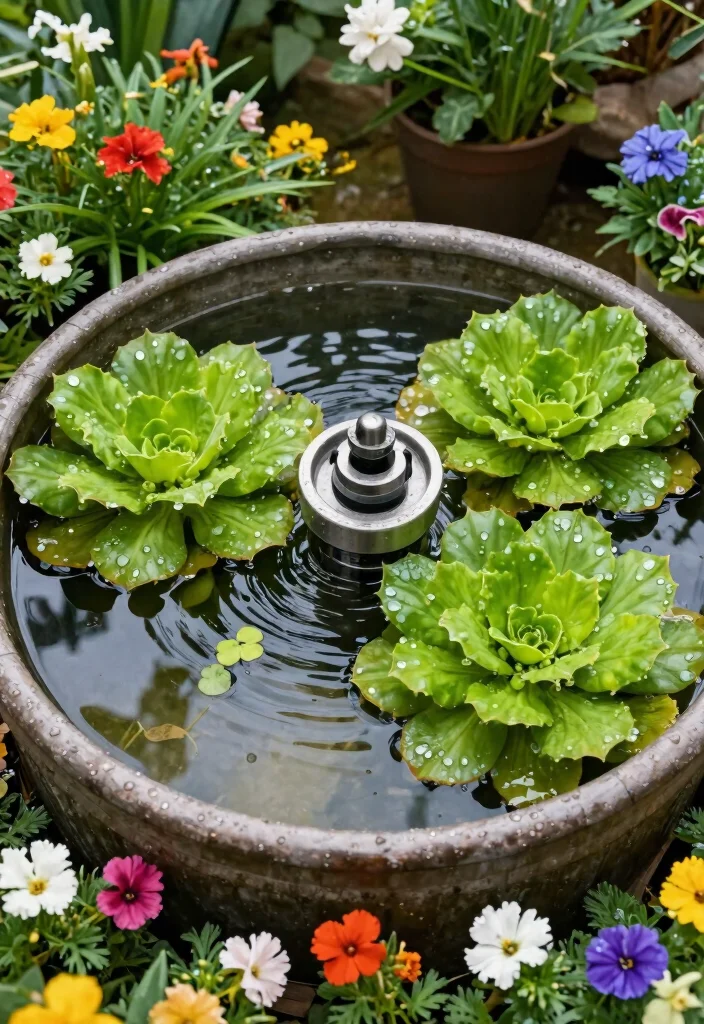
For a unique twist, consider floating filter systems that not only purify your rainwater but also add visual appeal to your garden. These innovative systems use floating devices to filter water at the surface, ensuring only the cleanest water is collected from your rain barrel. This design helps capture the purest rainwater as it flows in while enhancing the aesthetics of your setup.
Maintenance is a breeze since the filter stays on the surface, allowing you to easily remove and clean it without emptying the barrel. This feature not only keeps your water clean but also serves as a charming focal point in your garden.
Benefits of floating filters include:
– Surface filtration: Captures only the cleanest water.
– Easy maintenance: Simple to clean without hassle.
– Decorative touch: Adds beauty to your rain barrel setup.
Floating filters keep your water clean and elevate the look of your gardening space.
8. Pre-filtration with a First Flush Diverter
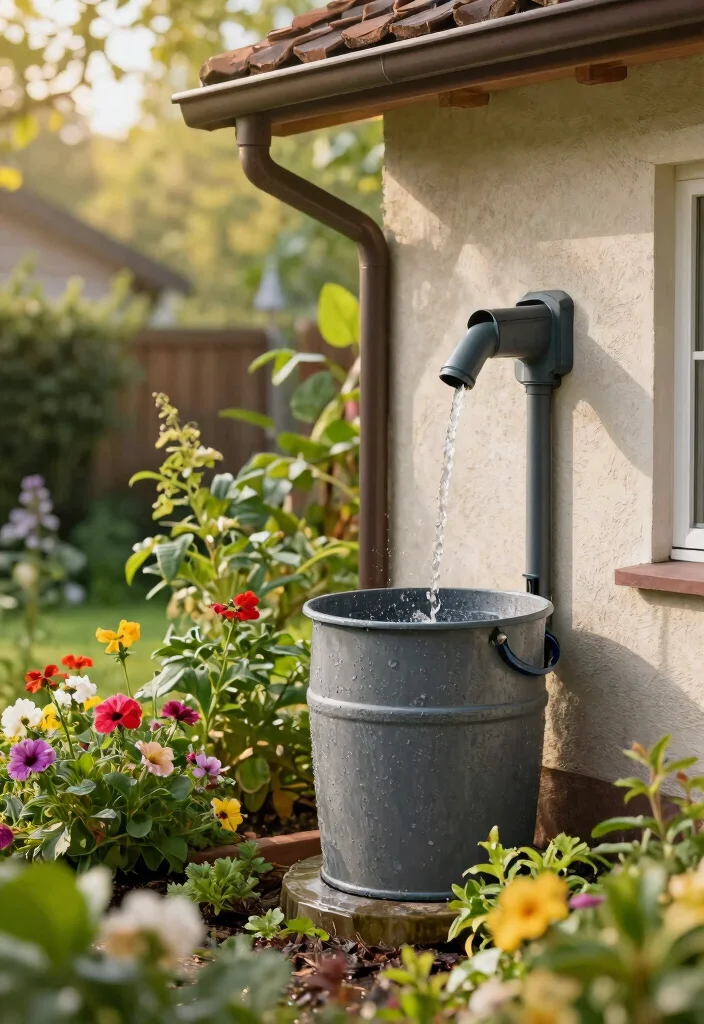
A first flush diverter is essential for effective rainwater harvesting, helping to ensure that the initial runoff—often contaminated—is diverted away from your barrel. This pre-filtration method significantly boosts the quality of the water collected, making it safer for your plants.
The diverter works by channeling the first few gallons of rainwater away, capturing debris and pollutants before they can enter your barrel. Most diverters are designed to fit standard downspouts and can be easily installed without a professional.
Key features of a first flush diverter:
– Effective capture: Channels away contaminants before they reach the barrel.
– Streamlined efficiency: Directs clean water once the initial flush is cleared.
– Ease of installation: Simple setup for any standard downspout.
Using a first flush diverter is a smart way to enhance your rainwater harvesting system, ensuring that only the cleanest water nourishes your plants.
9. Multi-layer Filtration Systems
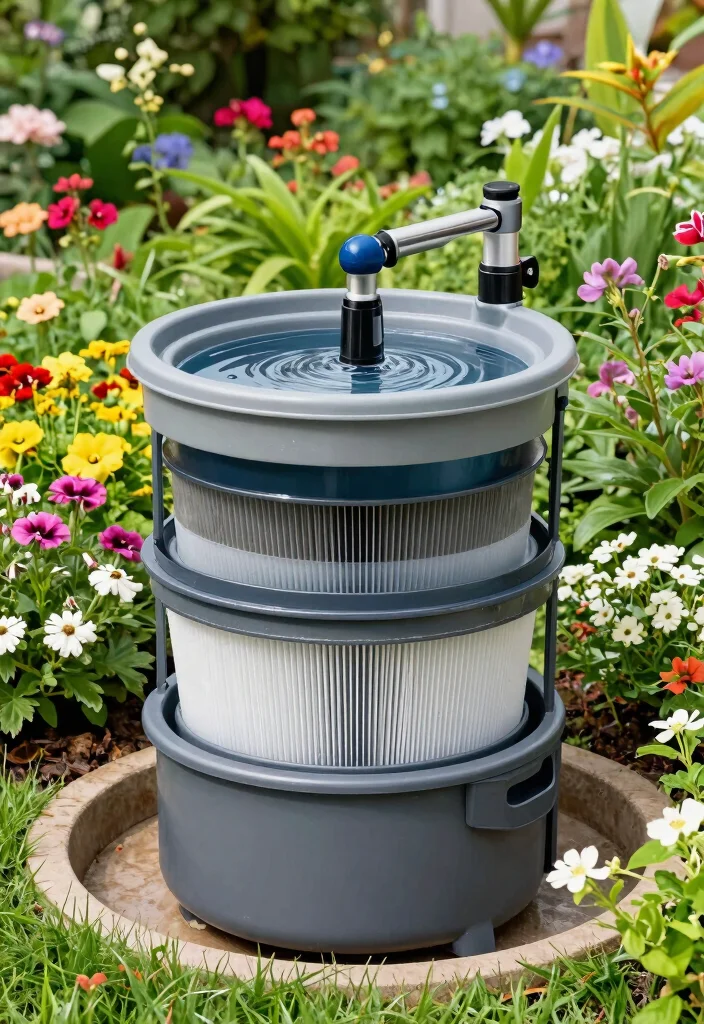
For comprehensive rainwater purification, consider a multi-layer filtration system. This innovative approach combines several filtering methods to effectively remove various contaminants, ensuring the cleanest water for your garden. Each layer serves a specific purpose, maximizing the overall cleanliness of the collected rainwater.
This system typically involves layering different filter types, such as mesh, activated charcoal, and sand, each tackling unique impurities. You can customize the layers based on local rainwater quality to optimize performance.
Benefits of multi-layer filtration systems:
– Layering approach: Combines multiple filters for thorough purification.
– Customizable: Adjust layers to suit your rainwater quality.
– Comprehensive filtration: Ensures maximum cleanliness.
Investing in a multi-layer filtration system guarantees that your rain barrel provides safe, clean water for all your gardening needs, promoting sustainable practices and healthy plant growth.
Conclusion
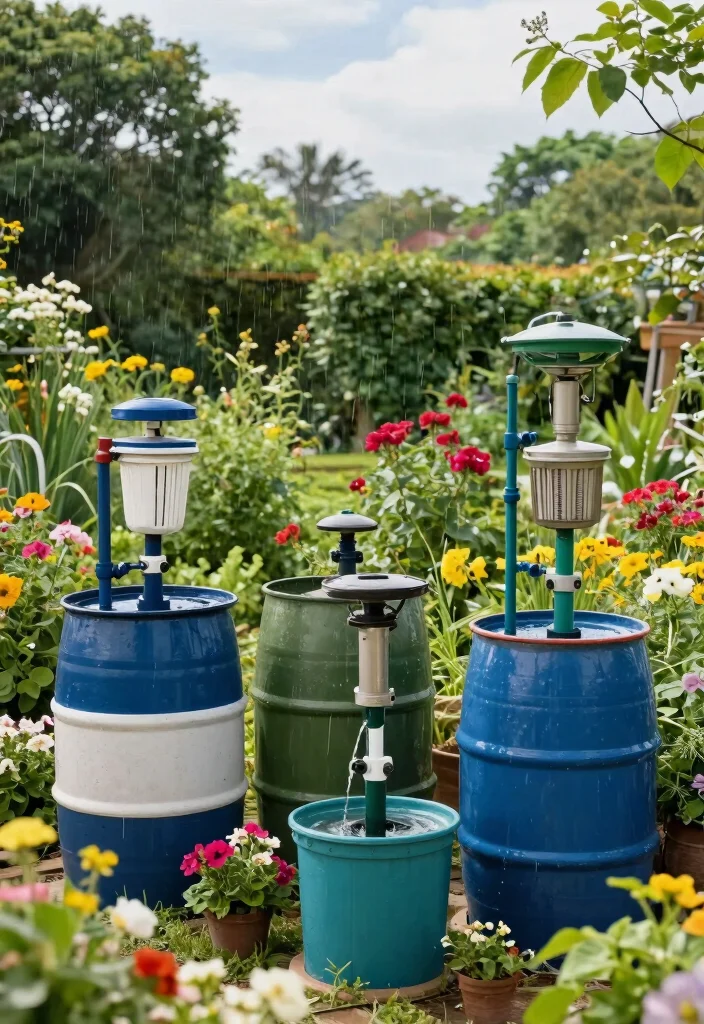
Choosing the right rain barrel filter can make a significant difference in the quality of water for your garden. By exploring these creative rain barrel filter ideas, you’ll find a solution tailored to your needs while promoting sustainable gardening practices.
Whether you opt for a simple mesh screen or a comprehensive multi-layer system, each choice contributes to a cleaner and greener garden. Embrace the beauty of rainwater harvesting, and watch your garden thrive with the power of nature’s water.
Note: We aim to provide accurate product links, but some may occasionally expire or become unavailable. If this happens, please search directly on Amazon for the product or a suitable alternative.
This post contains Amazon affiliate links, meaning we may earn a small commission if you purchase through our links, at no extra cost to you.
Frequently Asked Questions
What are the top rain barrel filter ideas for clean garden water?
Here are practical rain barrel filter ideas you can try to keep your garden water clean and ready for irrigation.
Start with a fine mesh inlet screen at the top of the barrel to keep leaves and debris out.
Add a simple DIY sediment pre-filter using layers of gravel and sand to trap particulates before water enters the barrel.
Install an inline activated carbon filter or carbon block to reduce odors and certain chemicals if you plan on using the water for edible crops.
Fit a first flush diverter to send the first dirty rainwater away from the barrel, improving overall water quality for rainwater harvesting.
Seal the lid and use a screened outlet, plus a backflow preventer in the outlet line, to minimize algae growth and pests while protecting eco-friendly gardening and garden irrigation systems.
With these DIY rain barrel ideas, you’ll improve rainwater harvesting and sustainable water management and make the most of your rainwater harvesting setup.
How do I choose the right rainwater harvesting filter for a DIY rain barrel?
Choosing the right filter depends on how you plan to use the water and your budget for a DIY rain barrel project. Start by deciding how clean the water needs to be: simple sediment removal for irrigation or higher filtration for edible plants. If you mostly need water for garden irrigation systems, a basic mesh plus sediment filter is usually enough. For more purity, consider an inline carbon filter and a gravity fed cartridge. Check compatibility with your barrel fittings, maintenance requirements, and cost. Align your choice with eco-friendly gardening and sustainable water management goals, so your setup supports rainwater harvesting without breaking the bank.
Can I connect multiple rain barrel filters to garden irrigation systems?
Yes, you can scale up by linking several rain barrels with filters into a single garden irrigation systems network. Use a shared distribution line, add check valves, and size the pump or gravity flow to meet your watering needs. Add a reliable overflow plan and a backflow preventer to meet local codes. This approach supports sustainable water management and broader rainwater harvesting while keeping your eco-friendly gardening practices intact.
What are common mistakes to avoid when using rain barrel filters?
Avoid these common mistakes to keep your filter running smoothly: neglecting a proper lid and insect screen which invites mosquitoes and algae; skipping a first flush diverter; forgetting to clean the filters regularly; undersizing the filtration for your irrigation needs; overlooking proper overflow during heavy rains; using water from barrels for potable purposes without proper treatment. Keep your plans aligned with eco-friendly gardening and sustainable water management goals.
How often should I clean and maintain rain barrel filters for optimal rainwater harvesting?
Maintenance depends on climate and filter type, but a simple routine works well. Inspect the system monthly during the rainy season; clean sediment and mesh filters every 3 months; sanitize the barrel and filters annually; check seals and lids for pests and reseal as needed; flush or replace filter media when you notice reduced flow or odor. Keeping up with maintenance supports rainwater harvesting and sustainable water management for your garden irrigation and eco-friendly gardening goals.
![9 Essential Compost Bin Maintenance Tips [No Bad Smells]](https://huserie.com/wp-content/uploads/2026/04/9-Essential-Compost-Bin-Maintenance-Tips-No-Bad-Smells-150x150.webp)
![15 Stunning Inflatable Pool Deck Ideas [Make It Look Built In]](https://huserie.com/wp-content/uploads/2026/04/15-Stunning-Inflatable-Pool-Deck-Ideas-Make-It-Look-Built-In-150x150.webp)