![13 Clever DIY Tool Belt Ideas to Sew at Home [Custom Fit]](https://huserie.com/wp-content/uploads/2026/04/13-Clever-DIY-Tool-Belt-Ideas-to-Sew-at-Home-Custom-Fit.webp)
Creating your own DIY tool belt is not just a fun project; it’s also a great way to express your unique style while keeping your gardening tools organized. Whether you’re planting flowers or tending to your vegetable patch, having a custom fit tool belt can make your gardening experience more enjoyable and efficient. This post came together because I believe that every gardener deserves a tool belt that fits perfectly and meets their specific needs. Plus, with all the sustainable gardening practices gaining popularity, making your own accessories can be an eco-friendly choice too.
If you’re a gardening enthusiast who enjoys getting your hands dirty, you’re in the right place. This guide is crafted for you—whether you’re a seasoned pro or just starting out. You’ll find a variety of sewing tool belt patterns that cater to different styles and functionalities. Each idea I’ve pulled together here is clever, practical, and designed to enhance your gardening adventures. From classic designs to more modern twists, these DIY gardening accessories will help you keep your tools close at hand while you work in your garden.
As you explore these 13 clever DIY tool belt ideas, you’ll discover options that suit every taste and need. These designs not only provide practical solutions but also allow you to personalize your gardening gear. Get ready to dive into sewing projects for gardeners that will elevate your gardening experience.
Key Takeaways
– Discover 13 unique DIY tool belt ideas that allow for a custom fit, ensuring comfort and accessibility while gardening.
– Learn about various sewing tool belt patterns that cater to different styles, making it easier to find the right design for you.
– Explore eco-friendly fabric options to create a sustainable gardening tool belt that aligns with your environmental values.
– Find out how to tailor each tool belt design with features like modular pockets or built-in kneeling pads to meet your specific gardening needs.
– Get inspired by creative ways to personalize your tool belt, from stylish crossbody designs to kid-friendly options, adding a personal touch to your gardening gear.
1. Classic Apron-Style Tool Belt
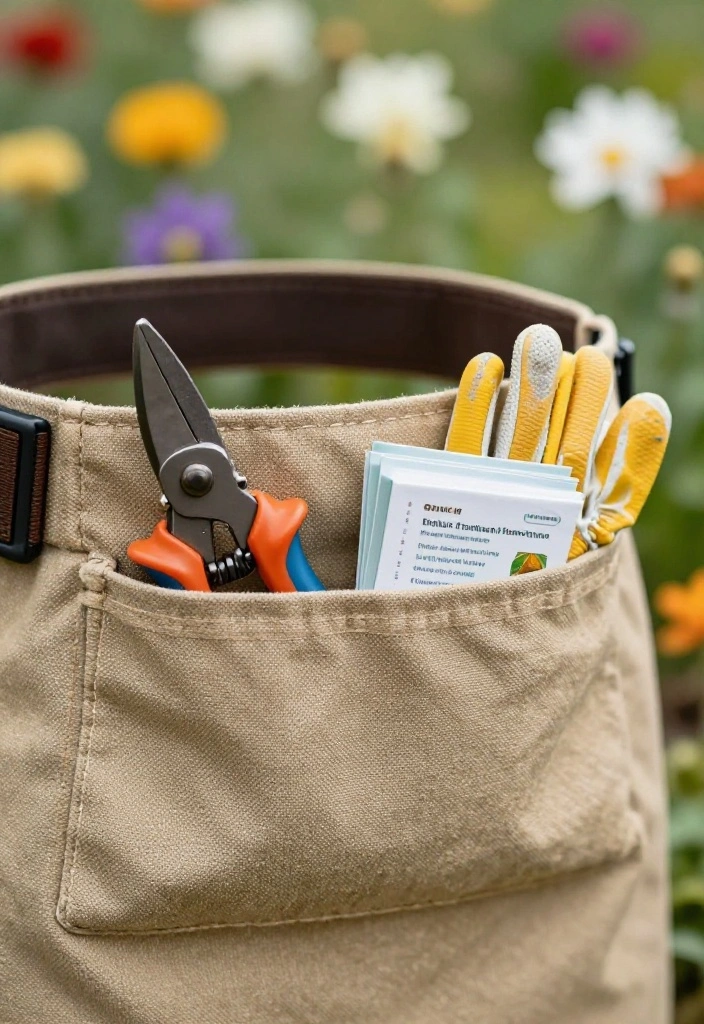
If you’re looking for a reliable companion in your gardening adventures, the classic apron-style tool belt is a must-have! This design blends practicality with a timeless look, featuring multiple pockets to keep everything organized, from hand tools to seed packets. With a comfortable wide waist strap, you can wear it for hours without a second thought.
Start by selecting durable materials like canvas or denim for enhanced longevity. Customize the pocket sizes to fit your essential tools, ensuring ease of access while you work. This thoughtful approach not only boosts efficiency but also elevates your gardening experience.
Key features to consider:
– Deep pockets for larger tools like trowels and pruners
– Smaller pockets for gloves or seed packets
– Adjustable straps for a snug fit
By creating your own apron-style tool belt, you not only gain a chic accessory but also embrace sustainable gardening practices, making your tool organization both stylish and eco-friendly.
2. Stylish Crossbody Tool Belt
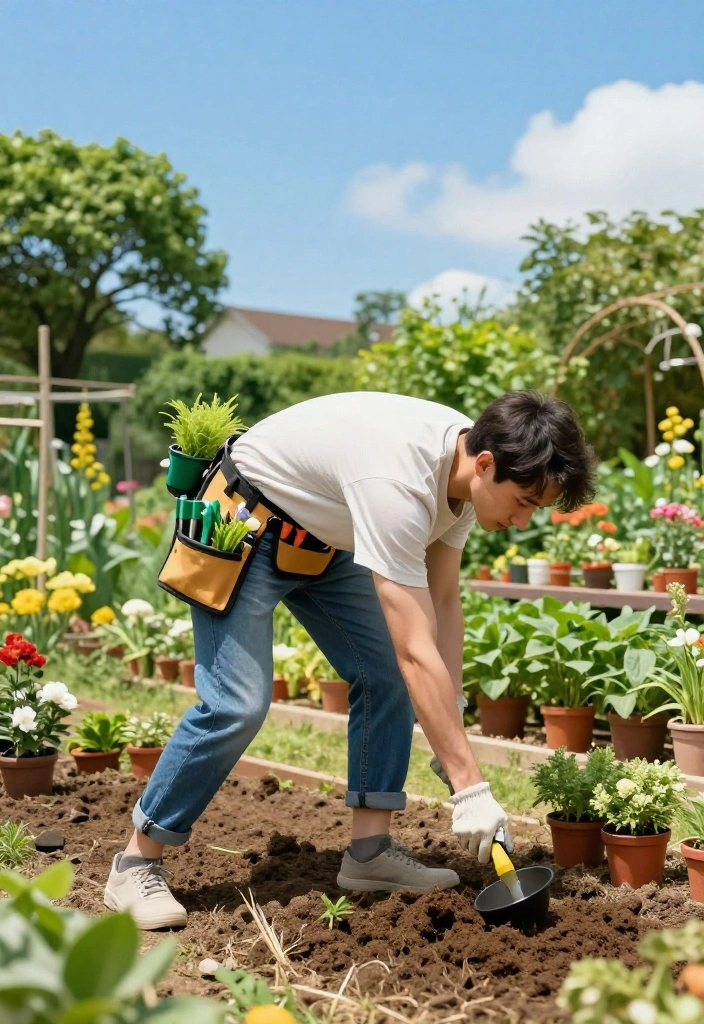
For gardeners who prefer mobility and convenience, a stylish crossbody tool belt is your perfect gardening partner! This design allows you to easily access your tools without compromising your movement. It rests comfortably across your body, making it ideal for tasks like weeding or pruning.
Consider using vibrant patterns or upcycled fabric to make your tool belt stand out. This way, you can express your personal style while enjoying the practical benefits of having your tools close at hand. Plus, you’ll feel good knowing you’re contributing to sustainable practices.
Design elements to include:
– Sleek design that looks great in any garden
– Quick-access pockets for essential tools
– Sturdy, adjustable straps for comfort
This crossbody tool belt not only keeps you organized but also allows you to show off your unique style while you garden, making every task a little more enjoyable.
Fun fact: A crossbody tool belt reduces reaching time by up to 40% in a typical garden session—tools stay at hip level, so you grab what you need in one fluid move. For diy tool belt ideas, this design helps you stay mobile and act quickly when weeding or pruning.
3. Belt with Modular Pockets
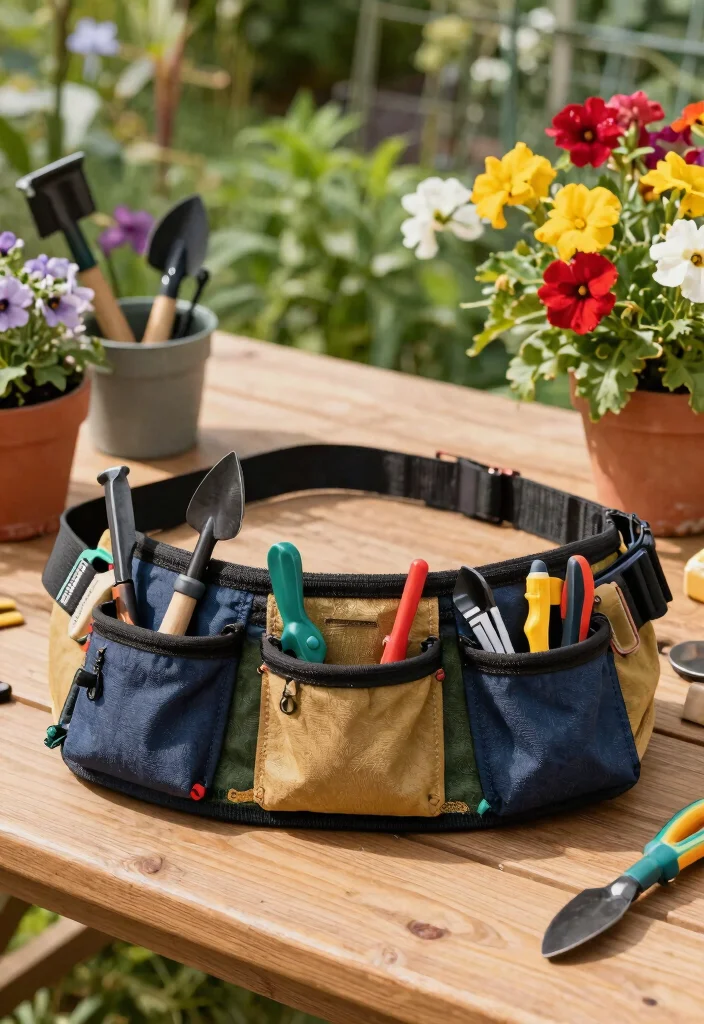
Unleash your creativity with a belt featuring modular pockets that adapt to your gardening needs! This clever design allows you to customize your tool belt based on the tasks you’re tackling, whether it’s heavy-duty work or light gardening. You can easily attach or remove pockets to create the perfect setup.
To make the most of this design, choose versatile sizes for your pockets and use snap-on or Velcro attachments for easy adjustments. This flexibility not only enhances your gardening efficiency but also encourages you to think outside the box when it comes to organization.
Key features to consider:
– Versatile pocket sizes for different tools
– Snap-on or Velcro attachments for easy adjustments
– Lightweight fabric that’s easy to carry around
By sewing your own modular pocket belt, you create a unique gardening accessory that reflects your personal style and promotes sustainability through the use of fabric scraps.
4. Eco-Friendly Fabric Tool Belt
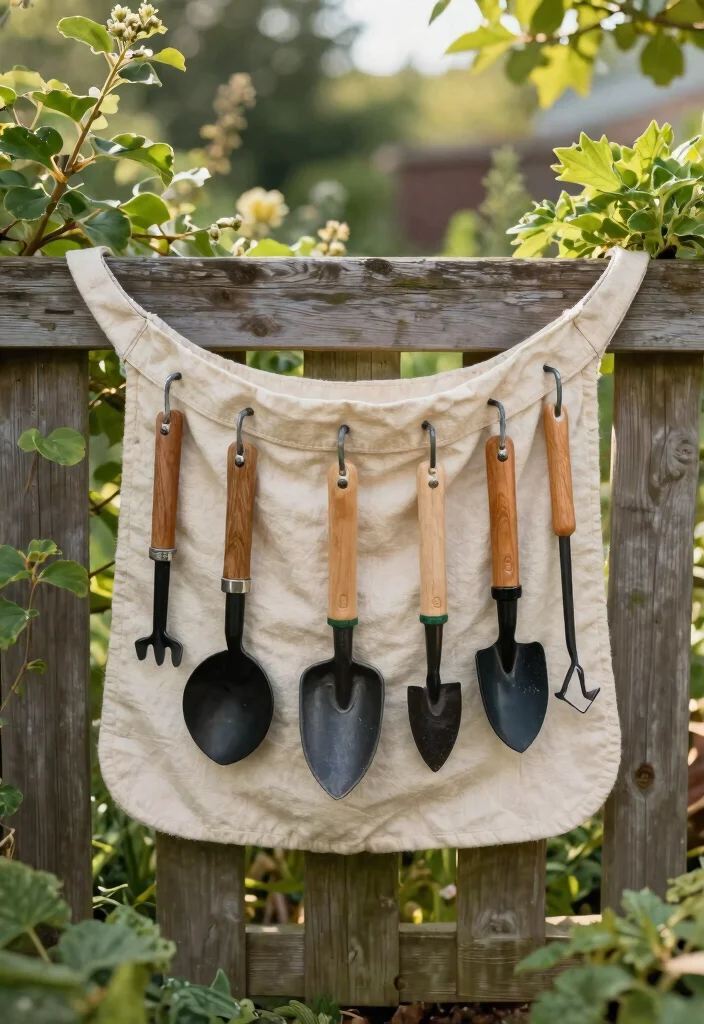
Show off your eco-conscious side with an eco-friendly fabric tool belt that’s as stylish as it is functional! Made from organic cotton or recycled materials, this tool belt provides durability while aligning with sustainable gardening practices. The earthy colors and patterns blend beautifully in any garden setting.
Consider incorporating natural dyes for a unique look, and focus on biodegradable materials that are gentle on the earth. This design not only supports your gardening tasks but also sends a strong message about your commitment to the environment.
Elements to include:
– Natural dyes for a unique look
– Biodegradable materials that are kind to the earth
– Comfortable fit to promote all-day wear
By crafting your own eco-friendly tool belt, you’ll enjoy practicality while making a positive impact on the planet, blending style and sustainability effortlessly.
5. Vintage Leather Tool Belt
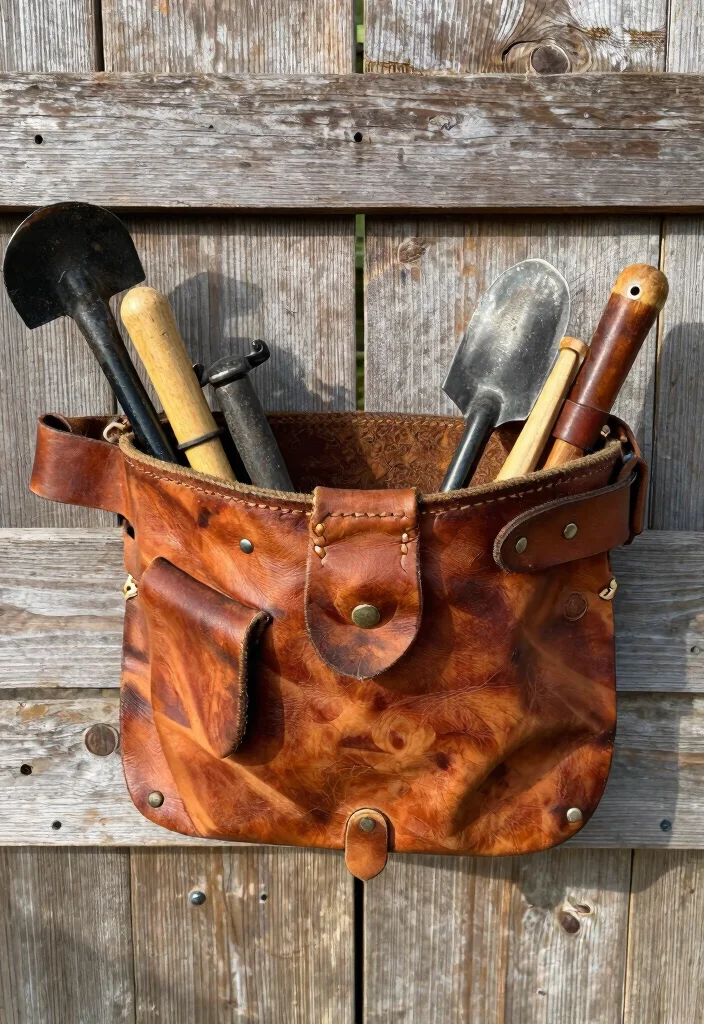
Embrace a timeless aesthetic with a vintage leather tool belt that exudes sophistication! This design not only stands out in style but also offers impressive durability over time. The rugged charm of leather adds character, especially as it ages and develops a beautiful patina.
When sourcing materials, consider checking thrift stores or repurposing old leather goods to create something sustainable. This DIY project not only serves a practical purpose but also celebrates sustainable fashion.
Here’s what makes it appealing:
– Sturdy construction for heavy tools
– Classic design that never goes out of style
– Aging beautifully for a rustic aesthetic
Creating your own vintage leather tool belt allows you to enjoy both functionality and elegance, making your gardening tasks feel even more special.
6. Kids’ Gardening Tool Belt
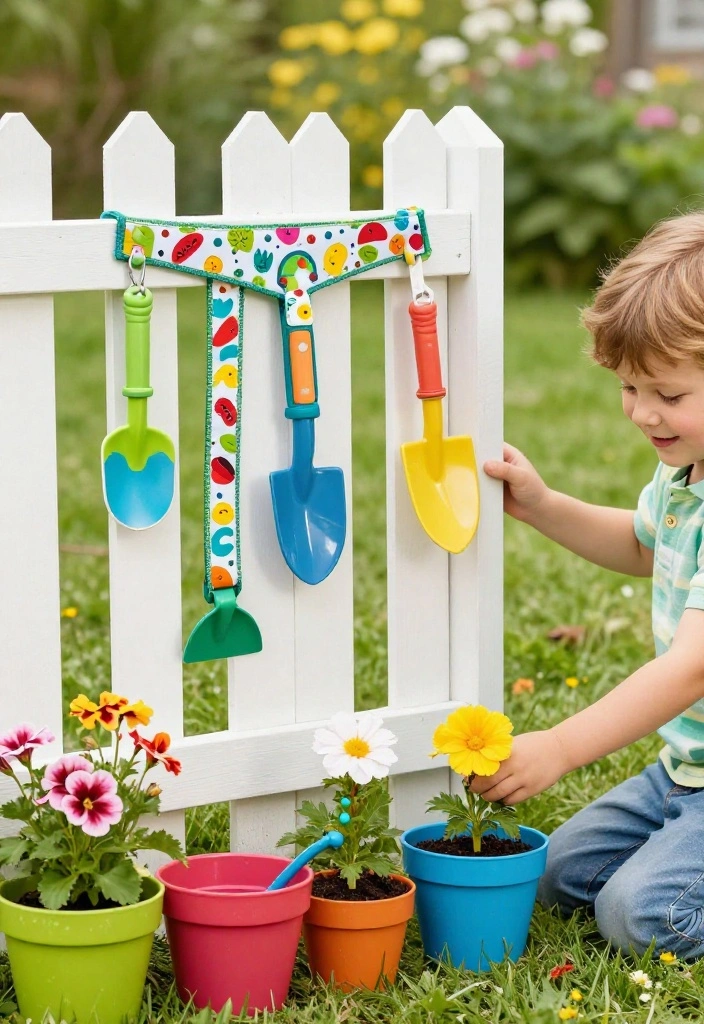
Ignite the joy of gardening in children with their very own playful gardening tool belt! This fun design helps kids stay organized while discovering the wonders of gardening. With bright colors and whimsical patterns, this tool belt is sure to excite young gardeners while accommodating their smaller tools.
Make sure to include adjustable straps that can grow with your child, along with lightweight materials for easy wear. This is a fantastic opportunity for parents and kids to bond over a fun DIY project while teaching the importance of organization.
Features to include:
– Adjustable straps for growing kids
– Fun designs that ignite their imagination
– Lightweight materials for easy wear
By customizing a kid’s tool belt, you foster their interest in gardening in a creative way, turning chores into enjoyable adventures.
7. Waterproof Tool Belt for Gardeners
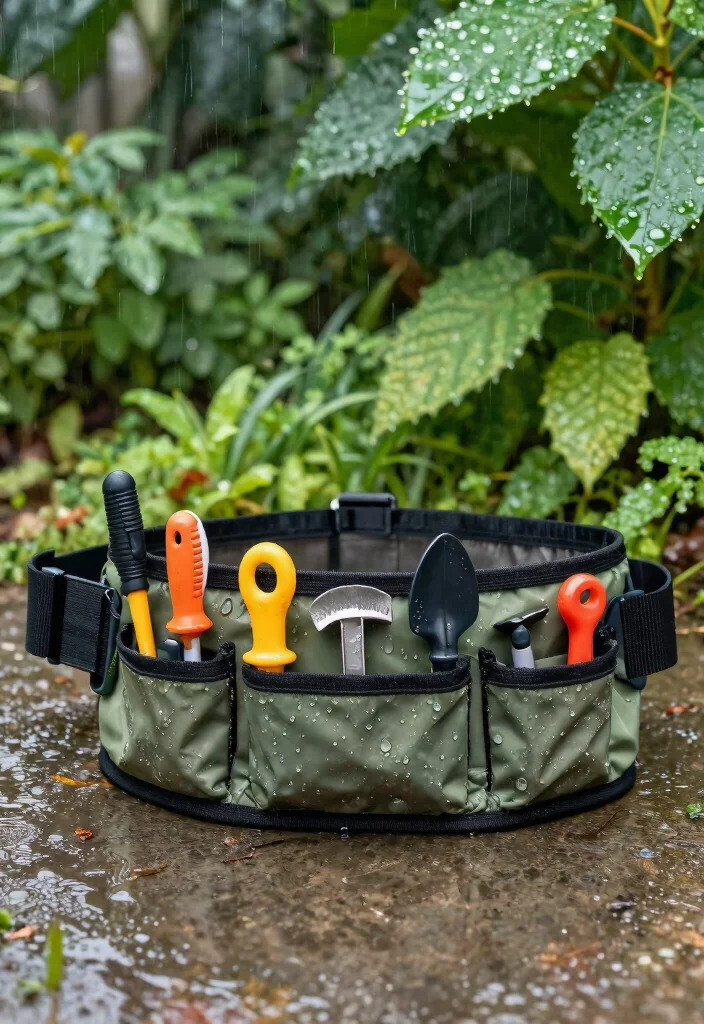
Don’t let rainy days dampen your gardening spirit with a waterproof tool belt designed for durability! This practical design is ideal for those who love to get hands-on, even in less-than-perfect weather. Waterproof materials ensure your tools stay protected and organized, no matter the conditions.
When creating this tool belt, focus on water-resistant fabrics and secure pocket closures to keep everything safe. This thoughtful design allows you to stay prepared for any weather while maintaining comfort and mobility.
Key considerations:
– Water-resistant fabric to prevent moisture damage
– Secure pocket closures to keep tools safe
– Comfortable fit for added mobility
Investing time in crafting a waterproof tool belt ensures that you’re always ready for gardening, rain or shine, enhancing your overall experience.
Fact: 9 out of 10 gardeners reach for a waterproof belt during drizzle, because slippery pockets sabotage even the best diy tool belt ideas. Stay prepared with water-resistant fabrics and secure closures, and keep every pruner and trowel within easy reach.
How To Choose The Right DIY Tool Belt
Choosing the right DIY tool belt is essential for any gardener looking to enhance their gardening experience. A tool belt helps you carry your essential tools, making your work more efficient and organized. Here are some key factors to consider when selecting your custom fit tool belt:
1. Size
Get the right fit for your waist. Measure your waist where the tool belt will sit. Most belts come with sizing charts, so compare your measurements to find the best size. Remember that a snug fit is important for comfort but should still allow movement. If you plan to layer clothing, consider that when measuring.
2. Material
The material affects durability and comfort. Common options include canvas, leather, and recycled fabrics. Canvas is lightweight and easy to wash, while leather offers durability and a classic look. Recycled fabrics are great for sustainability. Make sure the material is sturdy enough to hold tools without tearing or sagging.
3. Pocket Design
Think about how many pockets you need and their arrangement. Some tool belts feature modular pockets that you can customize according to your tools. Others have tool-specific holders for items like pruners or trowels. Choose a design that allows easy access to your tools while keeping them organized.
4. Features
Look for features that enhance usability. Padded belts can offer extra comfort, especially during long gardening sessions. Waterproof materials are a plus if you garden in various weather conditions. Also, consider belts with built-in kneeling pads or adjustable straps for added functionality and comfort.
5. Budget
Establish a budget before you start shopping. DIY tool belts come in a wide range of prices, from basic options to more elaborate designs. Keep in mind that investing a bit more can result in a better fit and longer-lasting material. Check reviews to see if the additional investment is worth it.
6. Style
Your DIY tool belt doesn’t just have to be functional; it can also reflect your personal style. Whether you prefer a classic leather look or a vibrant canvas design, choose something that resonates with you. A stylish tool belt can make gardening more enjoyable and encourage you to keep your tools organized.
Pro Tip: Before making a final decision, consider trying on different styles at a local gardening store. This way, you can gauge comfort and functionality, ensuring your choice meets all your gardening needs!
With these guidelines, you’ll be well on your way to selecting the perfect DIY tool belt, making your gardening tasks more efficient and enjoyable!
8. Belt with Built-In Kneeling Pad
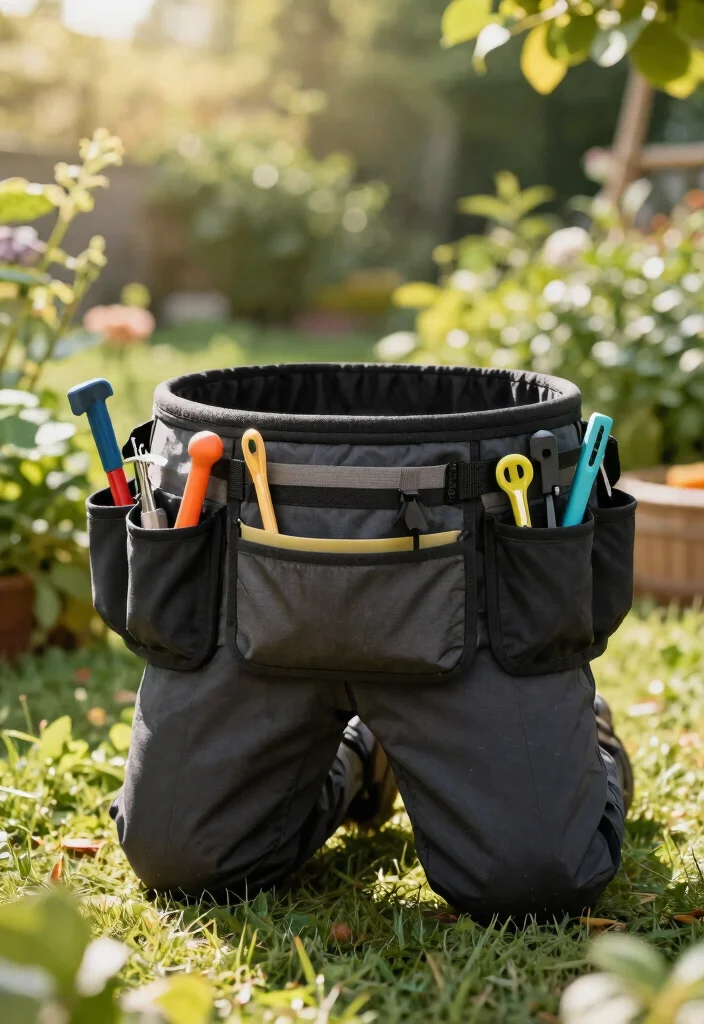
Enhance your gardening experience with a tool belt that features a built-in kneeling pad for ultimate comfort! This innovative design allows you to kneel down easily while keeping your tools within reach. It’s perfect for tasks like weeding or planting, offering both support and organization.
Look for important features like a removable kneeling pad for versatility and multiple pockets for easy access to your tools. By choosing durable fabric, you ensure your tool belt can withstand the wear and tear of gardening tasks.
Important features include:
– Removable kneeling pad for versatility
– Multiple pockets for easy access to tools
– Durable fabric that withstands wear and tear
Creating this tool belt significantly enhances your gardening experience, making every task more enjoyable and less physically taxing.
9. Reversible Tool Belt
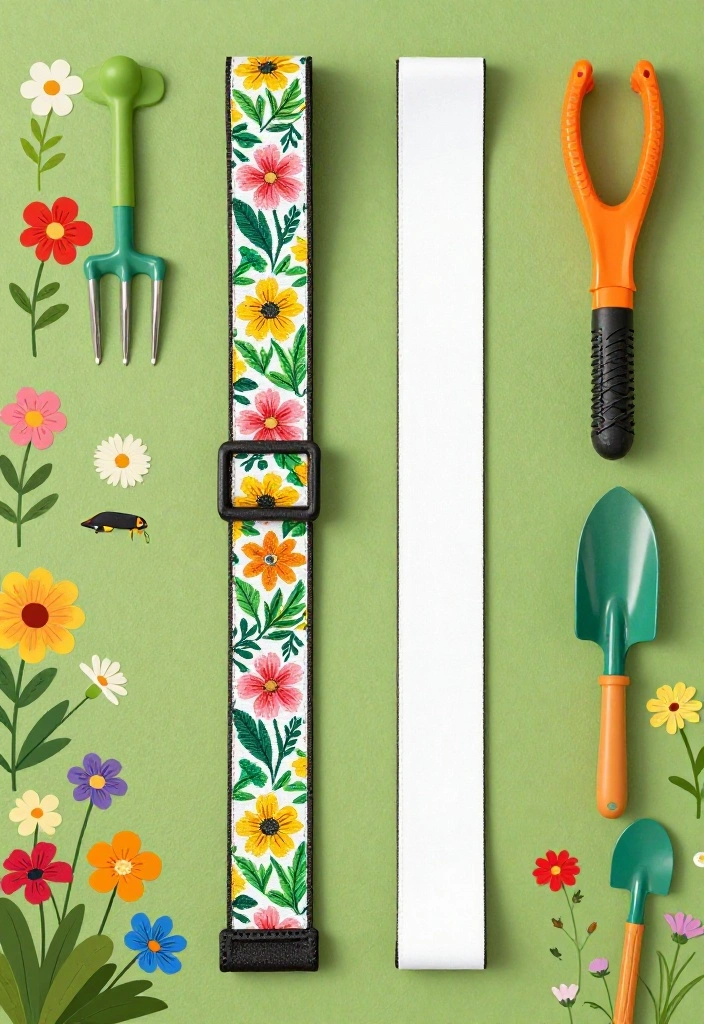
Enjoy the best of both worlds with a reversible tool belt that offers versatility in your gardening attire! This clever design lets you switch between two styles or colors, giving you more options without taking up additional space. Perfect for matching different outfits or moods, it’s a fun DIY project that adds flair to your gardening gear.
To create this, use contrasting fabrics for a striking appearance and ensure durable seams for longevity. This approach not only provides functional use but also allows you to express your personal style while gardening.
Highlights of this design:
– Two distinct looks in one tool belt
– Easy to sew with simple patterns
– Durable seams for longevity
By sewing a reversible tool belt, you combine practicality with creativity, making your gardening experience even more enjoyable.
Did you know a reversible tool belt can cut outfit changes by half on busy gardening days? With two fabrics and sturdy seams, it’s one belt that adapts to every mood—perfect for diy tool belt ideas in sustainable gardening.
10. Belt with Tool-Specific Holders
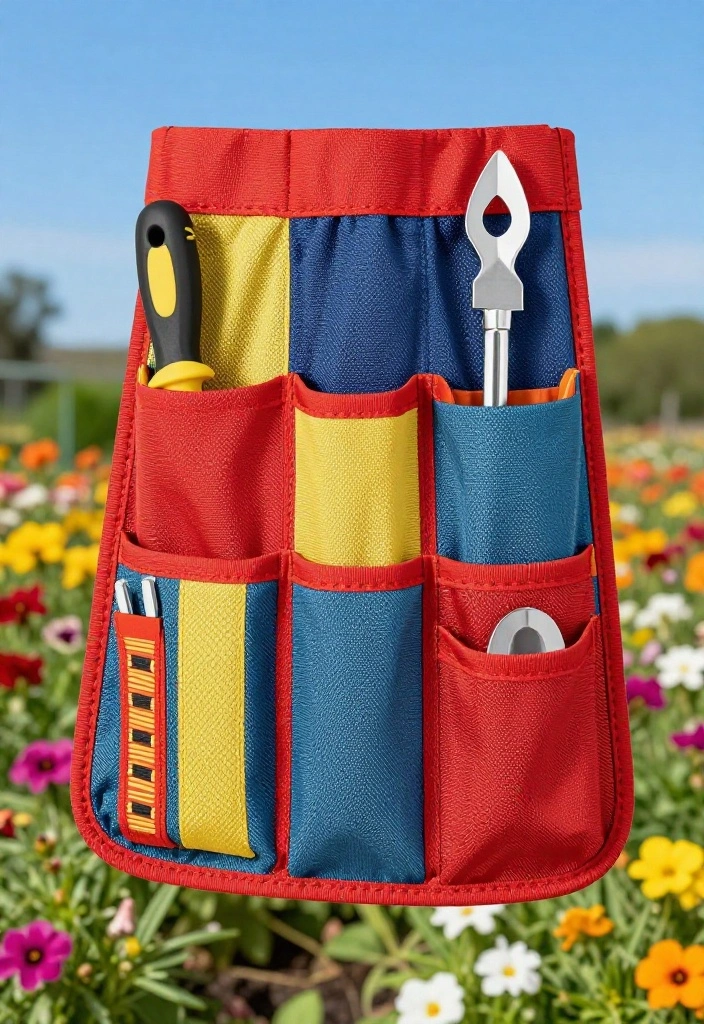
Maximize your organization with a belt that features tool-specific holders, tailored to fit each of your gardening tools! This thoughtful design ensures that your tools are never mixed up, allowing you to quickly find what you need. Each pocket can be custom-sized for different tools, from snippers to planting forks.
When designing this tool belt, consider incorporating color-coded sections for easy identification and using sturdy fabric for added durability. This structure not only keeps everything organized but also enhances your efficiency while gardening.
Consider these design aspects:
– Tailored pockets for each tool
– Color-coded sections for easy identification
– Sturdy fabric for added durability
Sewing a tool-specific holder belt streamlines your gardening tasks, allowing you to focus more on enjoying your plants and less on searching for tools.
11. Multi-Functional Utility Tool Belt
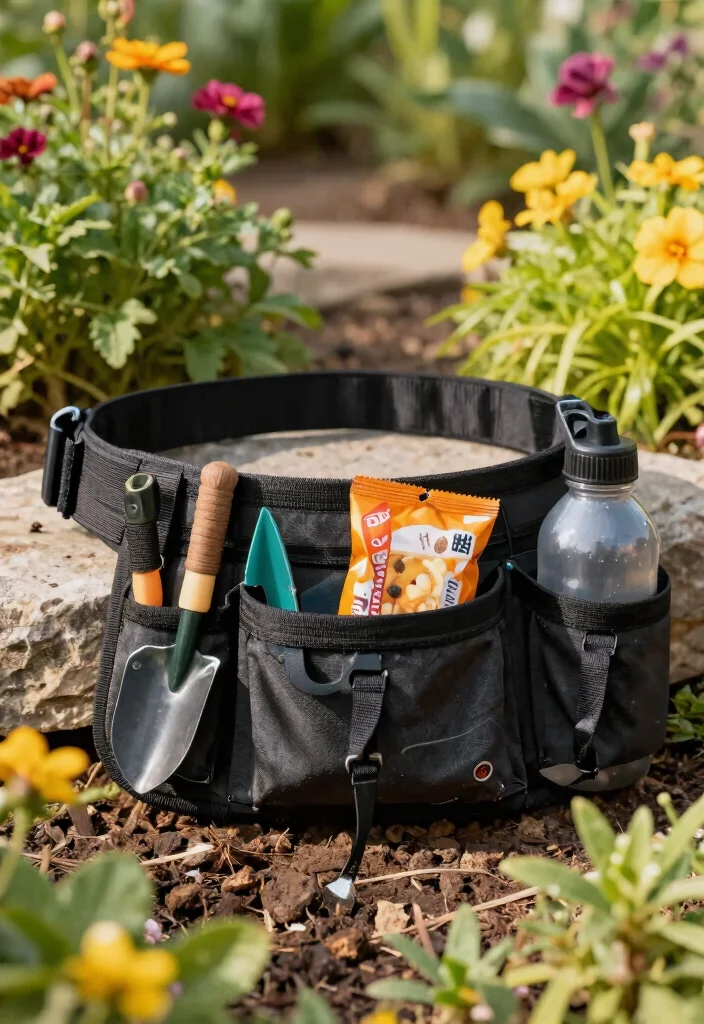
For those seeking versatility, a multi-functional utility tool belt combines gardening with outdoor tasks seamlessly! This design includes pockets for gardening tools, along with slots for essentials like your phone, snacks, or even a water bottle, making it perfect for a day spent in the garden or at the park.
Think about incorporating multi-purpose pockets that can hold various items while ensuring adjustable straps for a perfect fit. This approach makes your outdoor activities more enjoyable and efficient.
Essential features:
– Multi-purpose pockets for various items
– Adjustable straps for a perfect fit
– Durable construction for outdoor use
By sewing this type of utility belt, you adapt your gardening gear to fit your lifestyle, ensuring that every outdoor experience is productive and enjoyable.
12. Minimalist Tool Belt for Simple Gardening
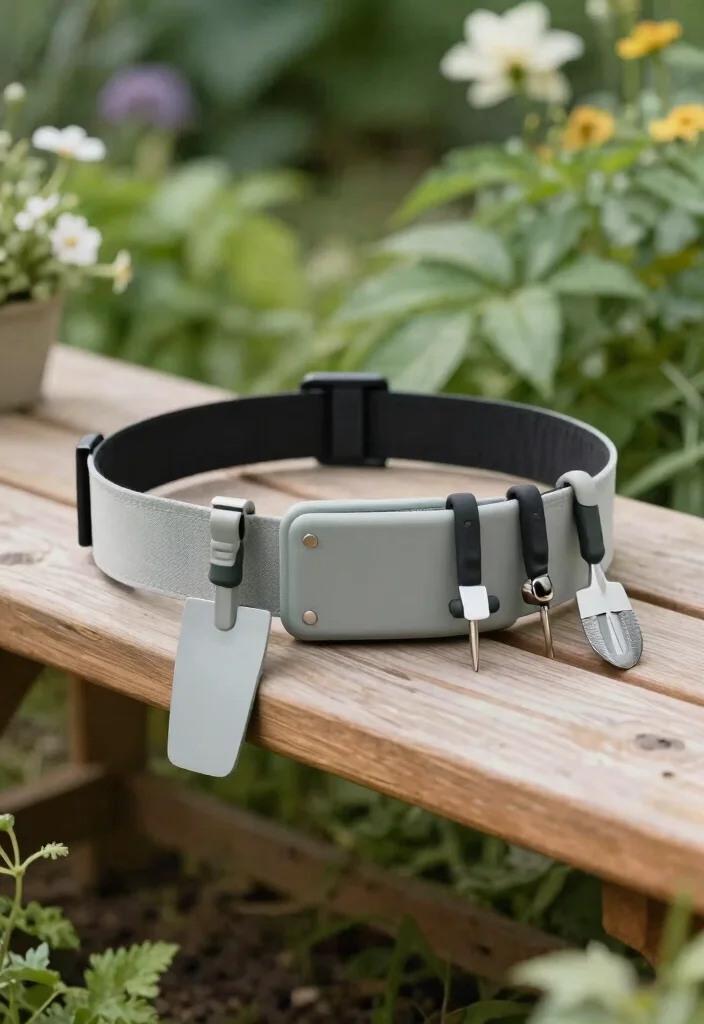
If you prefer a clean and straightforward look, a minimalist tool belt is perfect for you! This design focuses on essential tools, featuring a sleek silhouette that eliminates bulk without sacrificing functionality. Ideal for gardeners who want to keep things simple and efficient.
Consider incorporating limited pockets for only the essential tools, along with a streamlined design that allows for ease of movement. Lightweight materials are key to ensuring comfort while you work.
Key features of a minimalist tool belt:
– Limited pockets for essential tools only
– Streamlined design for ease of movement
– Lightweight materials for comfort
Sewing a minimalist tool belt helps you focus on what truly matters in gardening, allowing you to enjoy the experience without unnecessary distractions.
13. Personalized Monogram Tool Belt
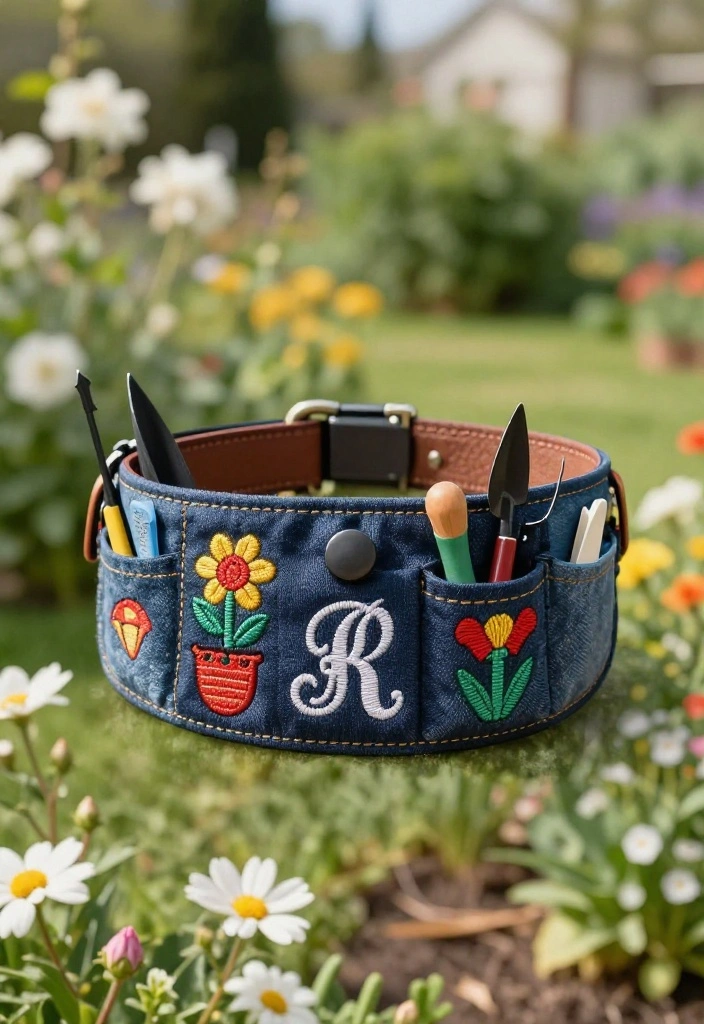
Add a unique touch with a monogrammed tool belt that showcases your personal style! This design lets you incorporate initials or a special symbol, making your tool belt truly one-of-a-kind. It’s an excellent gift idea or a special treat for yourself, merging practicality with personal flair.
Benefits of a personalized tool belt include a unique appeal that stands out in any garden, along with customizable pockets for added functionality. This thoughtful design makes gardening even more enjoyable.
Consider these benefits:
– Unique appeal that stands out in any garden
– Customizable pockets for added functionality
– Thoughtful gift idea for gardening enthusiasts
This sewing project not only allows you to express creativity but also elevates your gardening experience, making it even more fulfilling.
Conclusion
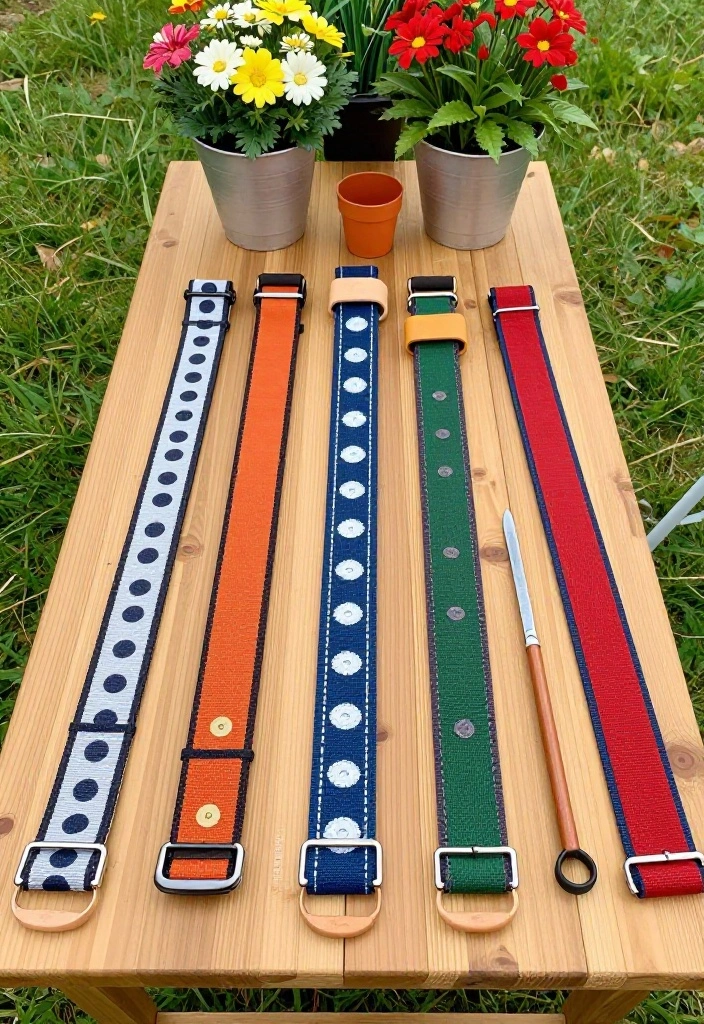
Creating a custom-fit DIY gardening tool belt not only enhances your gardening experience but also contributes to sustainable practices.
With these 13 clever ideas, there’s a design for every gardener, no matter your style or needs. Whether you’re sewing for yourself or gifting a friend, these tool belts will bring organization and flair to any gardening adventure. Happy sewing and happy gardening!
Note: We aim to provide accurate product links, but some may occasionally expire or become unavailable. If this happens, please search directly on Amazon for the product or a suitable alternative.
This post contains Amazon affiliate links, meaning we may earn a small commission if you purchase through our links, at no extra cost to you.
Frequently Asked Questions
What are the best diy tool belt ideas for gardeners to sew at home?
Great question! For gardeners, the best diy tool belt ideas mix sturdy pockets with flexible layouts that keep tools within easy reach. Start with a simple belt base and add pockets sized for a trowel, hand rake, pruners, gloves, and seed packets. Consider making a dedicated gardening tool organizer section for wax pencils, plant labels, and twine. To achieve a custom fit tool belt, measure your waist and include a comfortable allowance; use durable, plant-friendly fabrics like heavy-duty canvas or upcycled denim. This approach lets you tailor your belt to your garden routine while keeping sewing projects for gardeners fun and practical.
How can I choose or modify sewing tool belt patterns to create a custom fit tool belt for gardening?
To work with sewing tool belt patterns for a custom fit tool belt, start by choosing a pattern that matches your waist measurement and preferred pocket style. Add inches to seam allowances and adjust pocket dimensions to fit the tools you actually use. Create a test run with scrap fabric or muslin, then refine the placement of pockets for reach and balance. Use sturdy thread and double-stitch stress points; label pockets to avoid misplacement in the field. This hands-on approach makes your belt comfortable, durable, and perfectly tailored for gardening tasks.
What materials are best for a sustainable gardening tool organizer belt I can sew at home?
Materials matter for sustainability. For a gardening tool organizer that lasts, pick durable, repairable fabrics like heavy canvas, denim, or upcycled sailcloth; pair with natural or recycled interfacing. Use water-resistant coatings or beeswax-treated fabrics if you’ll hose down tools after weeding. Hardware should be long-lasting: metal buckles, D-rings, and sturdy rivets. Choose thread that’s nylon or polyester with UV resistance; consider low-waste patterns and avoid single-use trims. With mindful sourcing, your DIY gardening accessories stay green from fabric to finish.
Can these DIY gardening accessories be adapted for different tools, from trowels to pruners?
Absolutely. A good gardening tool organizer belt is designed around tool size ranges, so create modular pockets and adjustable loops for trowels, pruners, cultivators, and weeders. Include elastic loops or Velcro-fastened straps to secure longer tools and keep the belt balanced on hikes between beds. Label pockets and test reach by mimicking garden tasks; adjust height for comfortable bending. This makes your DIY gardening accessories flexible across different seasons and tool collections.
What are common mistakes when making a custom fit tool belt and how can I avoid them?
Common mistakes often sneak in. Don’t skip accurate measurements for a true custom fit tool belt; a belt that’s too tight or too loose will ride up or sag. Avoid flimsy fabrics or undersized pockets that tear under weight; reinforce stress points with box stitches and proper seam allowances. Forgetting to waterproof or clean tools can lead to wear; consider a simple water-repellent finish and easy-clean fabrics. Finally, skip cutting corners on hardware—choose durable buckles and secure rivets. By double-checking fit, load distribution, and care, you’ll save time and enjoy your sewing projects for gardeners for years.
![9 Essential Compost Bin Maintenance Tips [No Bad Smells]](https://huserie.com/wp-content/uploads/2026/04/9-Essential-Compost-Bin-Maintenance-Tips-No-Bad-Smells-150x150.webp)


![15 Stunning Inflatable Pool Deck Ideas [Make It Look Built In]](https://huserie.com/wp-content/uploads/2026/04/15-Stunning-Inflatable-Pool-Deck-Ideas-Make-It-Look-Built-In-150x150.webp)