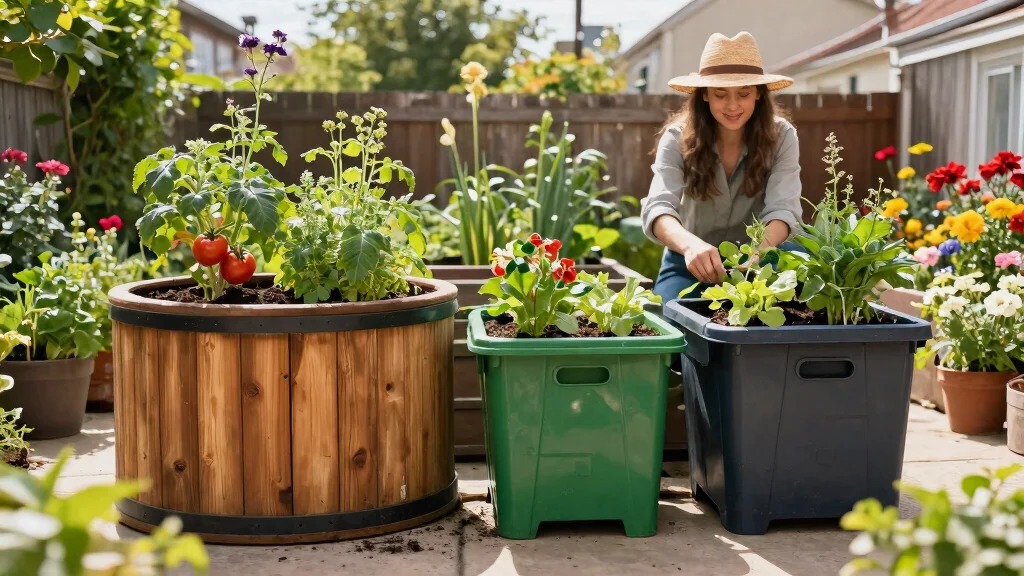
Choosing the right size compost bin for your yard can feel overwhelming. With so many options available, it’s easy to get lost in the dimensions and types. This post is meant to guide you through the process, ensuring you find the best compost bin size that fits your unique gardening space. Whether you’re new to composting or looking to upgrade your current setup, understanding the right size can make this eco-friendly practice more effective and enjoyable.
If you’re passionate about urban gardening and want to make the most of your available space, this guide is tailored for you. You care about reducing waste and enriching your garden, but perhaps you’re unsure where to start with composting. You want a solution that not only fits your yard but also suits your lifestyle and gardening goals. Here, you’ll discover practical tips to help you assess your space, know your needs, and choose a compost bin that truly works for you.
By the end of this post, you’ll be equipped with actionable knowledge that simplifies your compost bin selection. You’ll learn to assess your space, explore different compost bin dimensions, and evaluate maintenance needs. Plus, you’ll uncover the various compost bin types that align with your lifestyle. Let’s dig in and turn your composting dreams into reality!
Key Takeaways
– Assess your space before choosing a compost bin to ensure it fits well in your yard without being an eyesore.
– Understand your composting needs, including how much waste you generate and the type of materials you’ll compost.
– Familiarize yourself with the different compost bin dimensions to find one that meets your specific requirements.
– Consider the maintenance and management aspects of your compost bin to ensure it aligns with your gardening habits and schedule.
– Choose a compost bin type that matches your lifestyle, whether you prefer a stationary bin or a more mobile option.
1. Assess Your Space
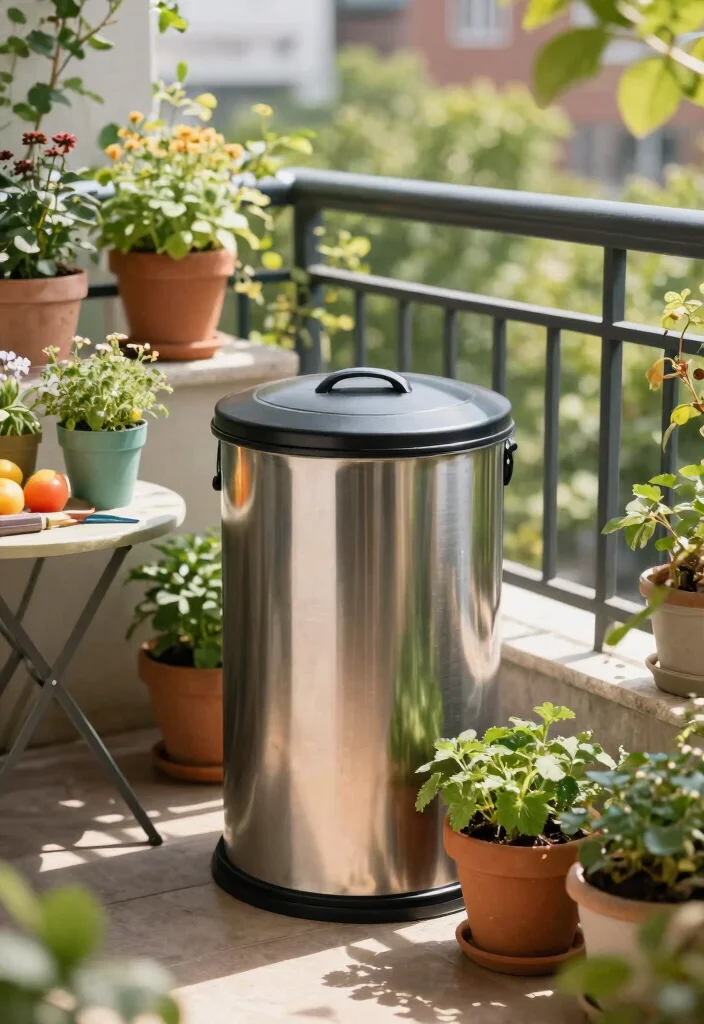
Before diving into composting, take a moment to evaluate your available space. How much room can you dedicate to a compost bin? If your outdoor area is limited, consider a compact compost solution that fits neatly on your balcony or patio. Options like countertop compost bins or tumblers can be perfect for smaller spaces, while larger backyards allow for more expansive composting setups, including piles or bigger bins.Pay attention to factors such as sunlight, accessibility, and drainage when selecting your compost spot. A well-placed bin will not only function better but also look great in your yard. Here are some tips to assess your space:- Measure the area designated for composting.- Observe sunlight patterns to maximize warmth for faster breakdown.- Ensure the location is convenient for adding materials and managing compost.By thoroughly assessing your space, you’ll create a solid foundation for successful composting.
“Your space doesn’t have to limit your composting goals. When you evaluate what fits on a balcony or patio, choosing the best compost bin size—whether countertop bin or tumbler—becomes your easy path to turning kitchen scraps into soil fast and neatly. Small-space solutions keep odors down and setup simple.”
2. Know Your Composting Needs
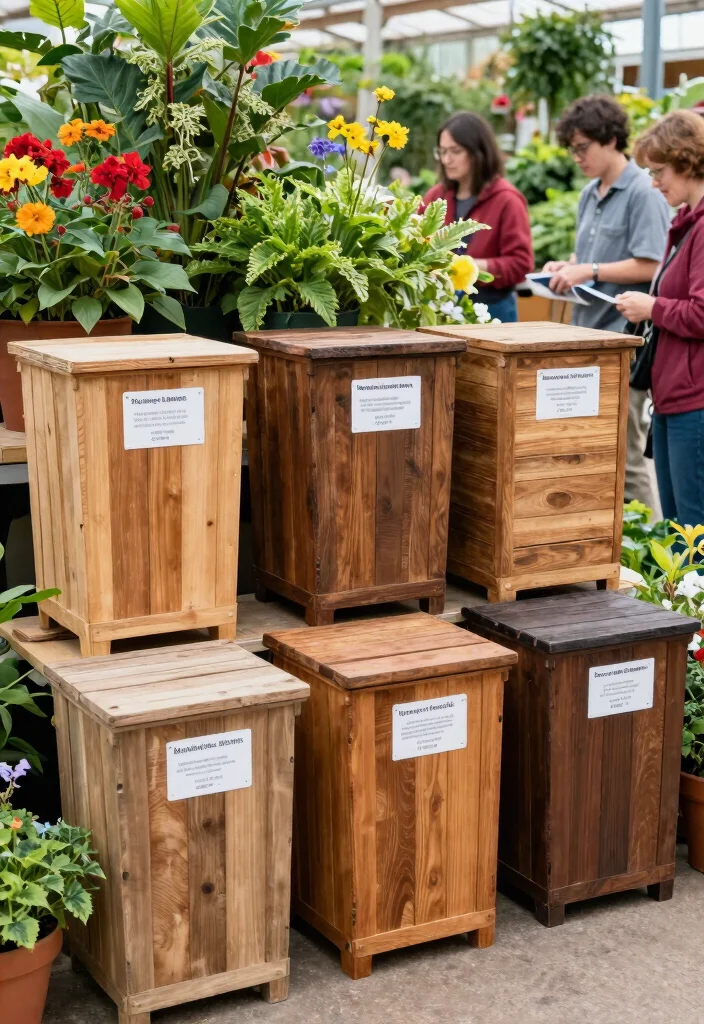
Identifying your composting needs is essential for choosing the right bin size. Are you a dedicated gardener generating plenty of kitchen waste, or do you live alone with minimal scraps? Understanding your compost bin types can guide your decision. If you regularly produce a lot of organic material, a larger bin will be beneficial. Conversely, if you have less waste, a smaller bin could do the trick.Consider these questions:- How much waste does your household generate on average?- Will you include yard waste like leaves and grass clippings?- Are you interested in vermicomposting with worms?By clearly defining your composting needs, you can select a bin that fits your lifestyle perfectly.
3. Consider the Compost Bin Dimensions
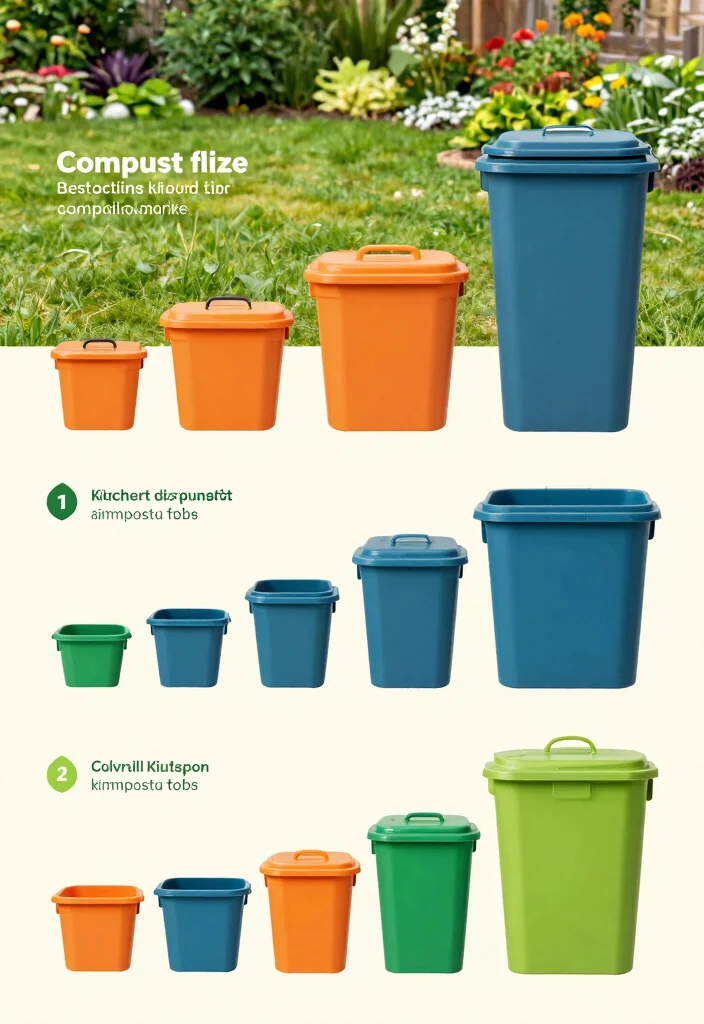
Now that you understand your space and needs, let’s explore the specifics of compost bin dimensions. Compost bins come in various shapes and sizes, and their dimensions can affect the efficiency of your composting process. Ideally, a compost bin should be at least one cubic yard for optimal heat retention and breakdown. If space is tight, smaller bins that hold 8 to 10 gallons are also effective for batch composting.Keep these dimension considerations in mind:- Larger bins retain heat better, speeding up decomposition.- Smaller bins are easier to manage but may need frequent attention.- If sunlight is limited, opt for a smaller bin to enhance aerobic decomposition.Choosing the right dimensions for your bin will help you achieve your composting goals.
Want the best compost bin size for fast results? Think in dimensions: a 1 cubic yard bin maximizes heat, but tight spaces can still work with an 8–10 gallon batch-bin. Measure your space, choose the size, and keep the compost moving.
4. Evaluate Maintenance and Management
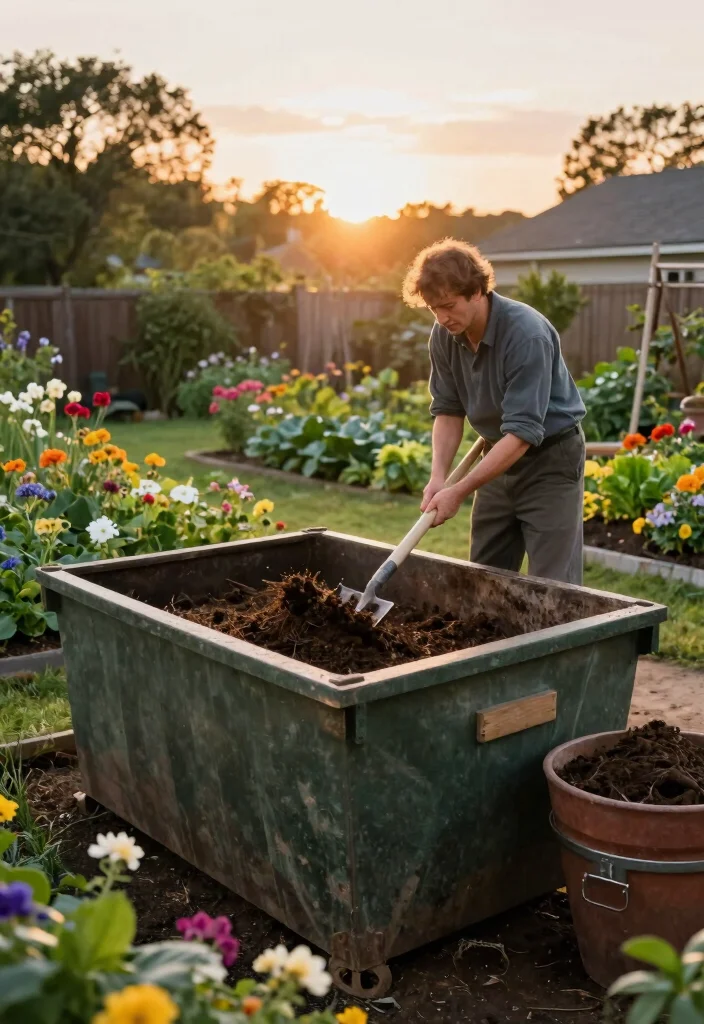
Choosing the right compost bin size involves not just capacity but also how manageable it is for you. Larger bins can hold more waste, but they may be challenging to turn and aerate if you’re busy. Smaller bins are easier to handle but may require more frequent emptying.Here are some maintenance tips:- If time allows, larger bins are great for batch composting but require regular turning.- Smaller bins suit busy lifestyles, letting you add scraps gradually.- Look for bins with features like removable panels or tumblers to simplify maintenance.Picking the right bin size can greatly influence how easily you can manage your compost.
Dimensions & Size Guide
Standard Sizes & Measurements:
When selecting the best compost bin size for your yard, it’s crucial to consider standard sizes that fit your composting needs. Compost bins typically range from small (about 18 gallons) to large (up to 1,500 gallons). For backyard composting, a bin of 3 to 4 feet wide and 3 to 4 feet tall works well. This size facilitates aeration and heat retention, helping your compost break down efficiently.
A minimum of 3 cubic feet is necessary for proper composting. Smaller bins will struggle to heat up properly, making it harder for organic material to break down. Ensure your chosen bin fits within your available space while also allowing easy access for turning and aerating the compost.
Quick Reference Table:
Size/Dimension – Best for: [use case], Minimum space needed: [measurement]
– 18 gallons – Best for: Small apartments or limited space, Minimum space needed: 2 ft²
– 3 ft x 3 ft – Best for: Small yards, Minimum space needed: 9 ft²
– 4 ft x 4 ft – Best for: Medium yards with moderate composting needs, Minimum space needed: 16 ft²
– 1,500 gallons – Best for: Large yards or community gardens, Minimum space needed: 50 ft²
Space Planning Tips:
1. Measure Your Space: Use a tape measure to determine the area you have available for a compost bin. Make sure you account for any obstacles like trees, fences, or garden beds that may restrict access.
2. Allow for Airflow: Position your bin in a location with good airflow to enhance composting. Avoid shaded areas that can keep the bin cool and slow the decomposition process.
3. Accessibility Matters: Ensure there’s enough room around the bin for you to turn the compost and add materials easily. A 3-foot buffer zone around the bin is ideal for easy maintenance.
4. Avoid Slopes: If possible, choose a flat area for your compost bin. Slopes can lead to drainage issues, making it hard for your compost to stay moist and break down properly.
5. Check Local Regulations: Some areas have restrictions on compost bin size or type. Double-check local guidelines to avoid any surprises and ensure compliance.
Pro Tip: Always consider the most crucial measurement – the height of your compost bin. Keeping it between 3 to 4 feet helps maintain the internal temperature needed for effective composting. A taller bin promotes heat retention, while a lower one may not generate enough warmth for the composting process. This simple guideline can make a significant difference in your composting success!
5. Choose a Bin Type That Fits Your Lifestyle
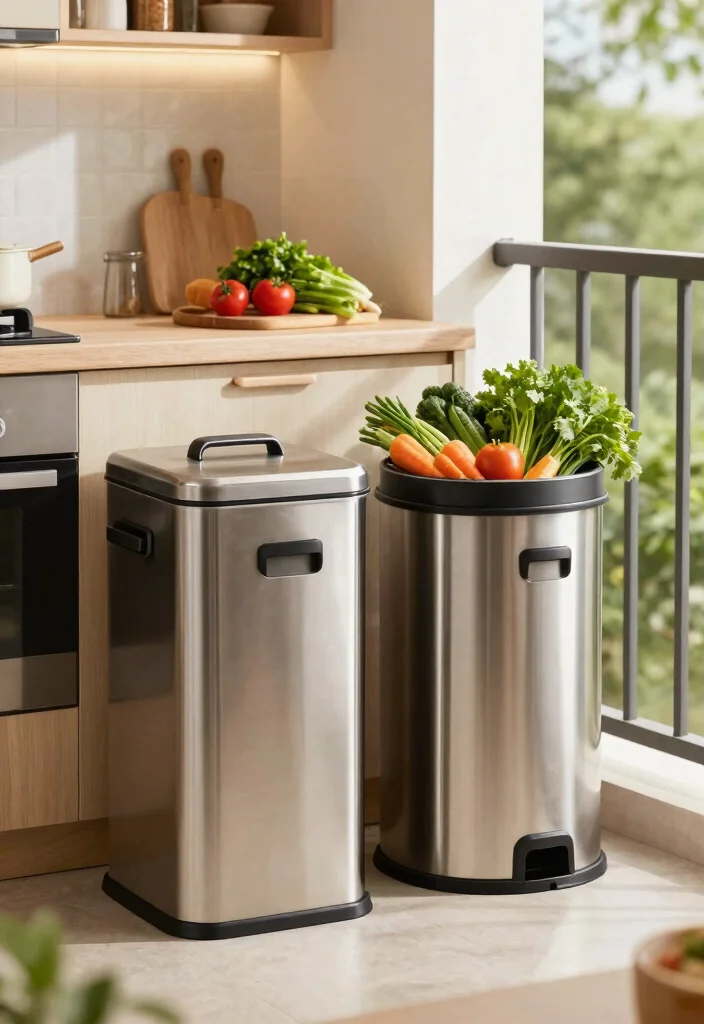
Finally, select a compost bin type that aligns with your lifestyle. If you love hands-on gardening, a traditional bin might be ideal. However, if you’re always on the go, a compost tumbler or worm bin could be more suitable. Each type offers unique benefits and fits different spaces and composting methods. Consider these factors:- The desired speed of decomposition; tumblers can accelerate the process.- How the bin fits into your yard design and available space.- Your willingness to manage and maintain the bin type you choose.By matching your compost bin type to your lifestyle, you enhance your composting experience and ensure it becomes a seamless part of your routine.
Choosing the right bin type is a small lifestyle decision with big rewards. If you want hands-on gardening, a traditional bin shines; but busy days call for a tumbler or worm bin. The best compost bin size is less about perfection and more about matching your rhythm and space.
Conclusion
Choosing the right compost bin size can truly transform your gardening experience, whether you’re in a bustling city or a quiet suburb. By assessing your space, knowing your composting needs, and evaluating maintenance, you can find the perfect fit for your composting journey. Remember, every little effort counts toward a greener planet. So, go ahead, start composting, and enjoy the beautiful cycle of waste and growth!
Note: We aim to provide accurate product links, but some may occasionally expire or become unavailable. If this happens, please search directly on Amazon for the product or a suitable alternative.
This post contains Amazon affiliate links, meaning we may earn a small commission if you purchase through our links, at no extra cost to you.
Frequently Asked Questions
How do I determine the best compost bin size for my urban yard?
Choosing the best compost bin size for an urban yard comes down to space, input rate, and how quickly you want finished compost. Start by checking compost bin dimensions to fit your balcony, courtyard, or garden corner.
Then estimate how much organic waste you generate each week (kitchen scraps plus yard waste) and match that to a bin capacity. For many small families, a 60–80 gallon bin (roughly 230–300 liters) works well to keep a steady batch. If you only have a balcony, a compact 20–30 gallon tumbler can be perfect. For limited yard space but room for two bins, 40–60 gallons per bin is a practical setup. If you have more material and want faster turnover, you can go up to 80–90 gallons or run two bins in parallel.
In short, the best compost bin size is the one that matches your input rate, space, and how quickly you want finished compost.
What are the differences between compost bin types and which one is best for backyard composting?
Compost bin types vary, and the right choice depends on your space and goals. The main options are: open piles or basic bins, enclosed compost bins, and rotating tumblers.
Open piles are cheap and space-flexible but can smell and attract pests in urban settings. Enclosed bins trap heat, improve odor control, and help with moisture management, but may require periodic turning. Rotating tumblers offer fast results with minimal effort but usually hold less material and cost more.
For urban yards, a compact enclosed bin or dual-bin system sized around 40–60 gallons each provides a good balance for backyard composting and optimal composting size. If you want easier cleanup and faster results in a small space, a small compost bin size tumbler can be worth the investment. Always consider your available space, how often you’re willing to turn, and how quickly you want finished compost.
How much finished compost can I expect to harvest from a bin, and how fast will it build up in urban spaces?
With a steady feed of greens and browns, proper moisture, and regular turning, you can often see finished compost in as little as 6–12 weeks with a hot, thermophilic setup (like a tumbler), or about 2–4 months in a typical backyard bin.
A mid-sized system (60–80 gallons) can yield several wheelbarrow loads over a growing season. Cooler climates or less turning slow things down, while sunny, warm days speed up the process. Keep feeding the bin consistently and turn as needed to maintain airflow and the right texture for gardening tips for composting.
How should I position and maintain my compost bin to avoid odors and pests in a city yard?
Place your bin away from doors and living spaces, on level, well-drained ground with good air circulation. A shady-but-not-too-wet spot helps maintain the right moisture balance for backyard composting.
Use a balanced mix of greens (kitchen scraps, fresh grass) and browns (dry leaves, shredded paper) in roughly a 2:1 or 3:1 ratio. Keep a lid on if you’re using a closed bin, and turn or aerate every week or two to reduce odors. Add carbon-rich browns to dry out wet spots and help deter pests. With these habits, your urban composting stays neighbor-friendly and efficient.
How do I know when my compost is ready and how should I use it in my garden and containers?
Finished compost should be dark, crumbly, and earthy-smelling, with no large food scraps visible. If it still smells strongly of food or clumps together, give it more time and turns.
A simple test is to mix a small amount with soil and see if it blends smoothly after a week. Use ready compost as a soil amendment in garden beds, as a top-dress around plants, or blended into potting mixes for containers (about 1 part compost to 3 parts soil for containers). Storing and aging compost a bit longer can improve results, making this a reliable part of your gardening tips for composting.
![9 Essential Compost Bin Maintenance Tips [No Bad Smells]](https://huserie.com/wp-content/uploads/2026/04/9-Essential-Compost-Bin-Maintenance-Tips-No-Bad-Smells-150x150.webp)
![15 Stunning Inflatable Pool Deck Ideas [Make It Look Built In]](https://huserie.com/wp-content/uploads/2026/04/15-Stunning-Inflatable-Pool-Deck-Ideas-Make-It-Look-Built-In-150x150.webp)