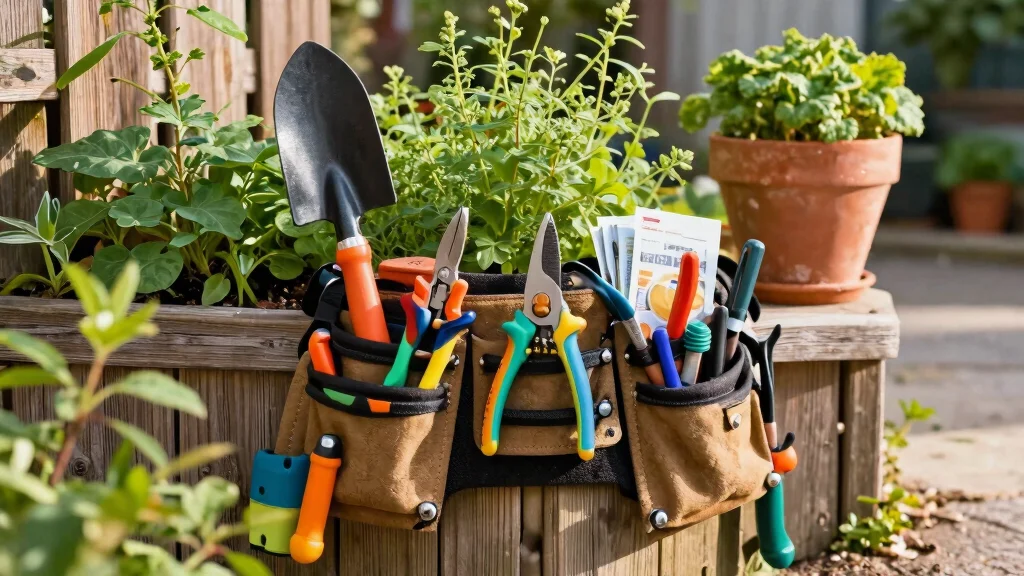
Urban gardening has me craving a little organization and efficiency. Whether you’re growing herbs on your balcony or transforming your small yard into a green oasis, having the right tools close at hand can make all the difference. That’s why I created this post. It’s here to help you pack your DIY tool belt with essentials that will elevate your gardening game.
If you’re passionate about home gardening and want to keep your gardening tools in order, you’re in the right place. This guide is specifically tailored for urban gardeners who are eager to dive into DIY gardening projects. You’re going to discover a hand-picked list of tools and accessories that will not only streamline your gardening experience but also enhance your enjoyment of nurturing your plants.
Get ready to explore 11 must-have DIY tool belt essentials that are practical, compact, and perfect for your urban gardening adventures. With these items by your side, you’ll be well-equipped to tackle any gardening task with ease and confidence.
Key Takeaways
– Handy Pruners: Essential for quick cuts and maintaining plant health; a must-have for any gardener.
– Versatile Hand Trowel: Perfect for digging, planting, and transferring soil; it’s a true multitasker.
– Durable Weeding Fork: Helps remove pesky weeds without damaging nearby plants, keeping your garden tidy.
– Soil Moisture Meter: Ensures you know when your plants need watering, preventing over or under-watering.
– Compact Garden Shears: Great for trimming and shaping plants, allowing for precise and clean cuts.
1. Handy Pruners
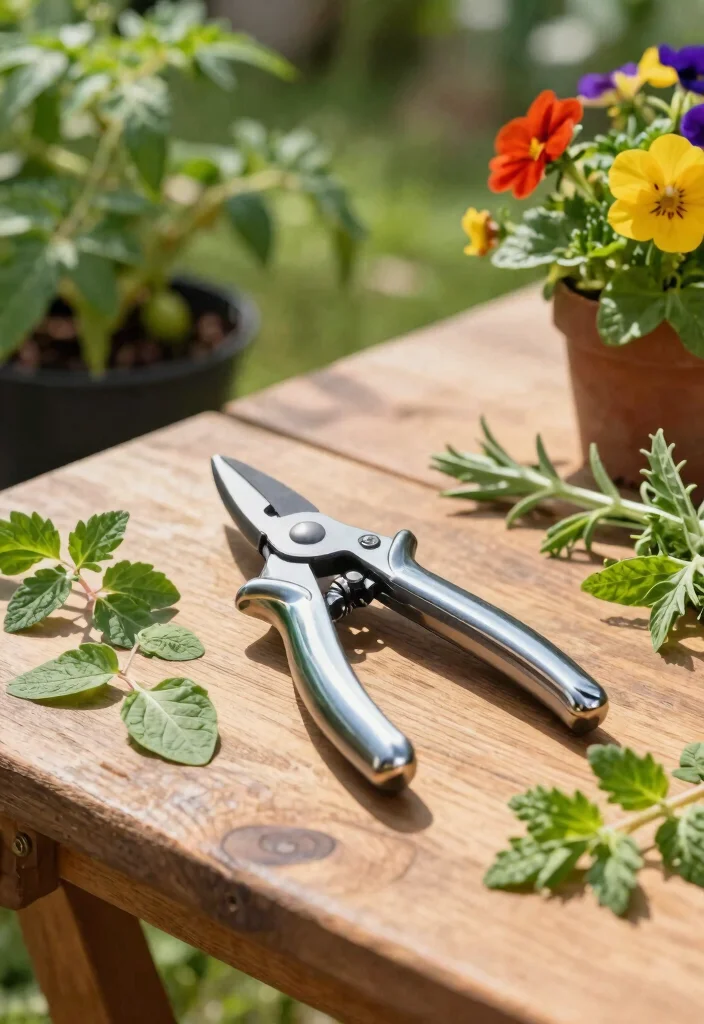
If you want to keep your garden looking fresh, having a pair of pruners is essential. These tools make it easy to trim back overgrown plants, remove dead leaves, and even harvest herbs right when you need them. With a variety of designs available, you’re sure to find a pair that feels just right in your hands, making gardening a breeze.
When shopping for pruners, consider lightweight options that won’t tire your hands during longer sessions. Look for features like ergonomic grips to enhance comfort and safety locks for secure storage.
Key features to look for:
– Choose bypass pruners for clean cuts on live branches.
– Maintain sharp blades to prevent damage to plants.
– Clean your pruners after each use to avoid spreading diseases.
With a reliable pair of pruners, you’ll be well-equipped to maintain your garden effortlessly.
Fun fact: Lightweight, ergonomic pruners can cut garden time by up to 20 minutes per session. They also reduce hand fatigue by about 30%, making DIY project sessions feel easier. For your diy tool belt essentials, choose a pruner that fits your grip and garden tasks.
2. Versatile Hand Trowel
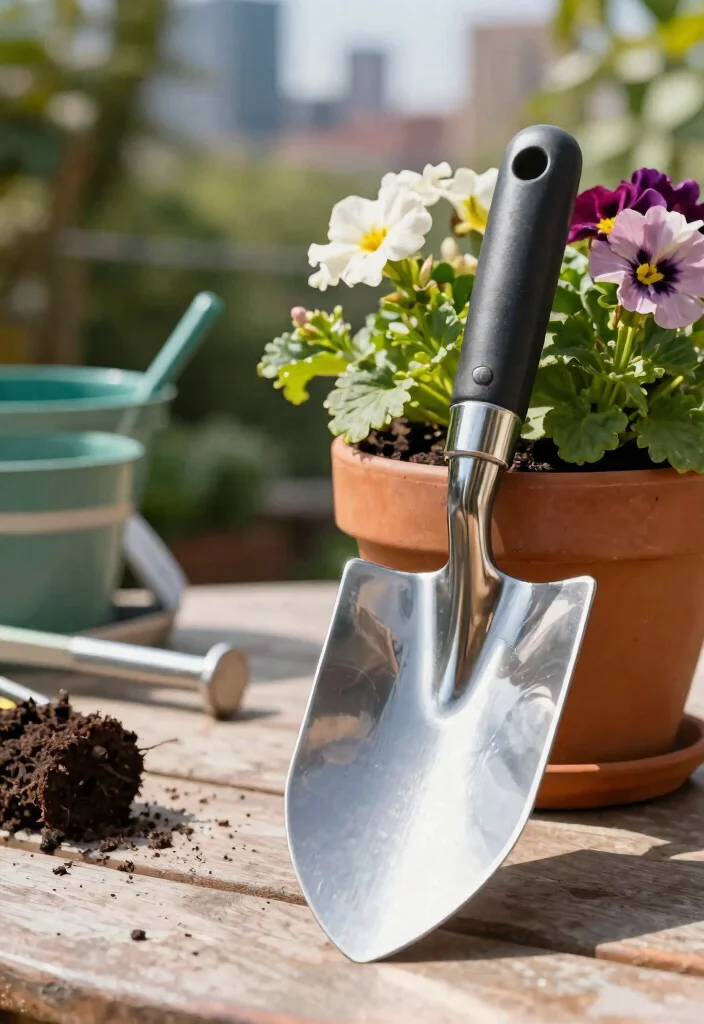
A hand trowel is a must-have tool for your gardening toolkit. Whether you’re digging, planting, or moving soil, this compact tool shines in small spaces typical of urban gardens. Its versatility makes it an essential companion for every gardener.
Select a trowel with a durable stainless-steel blade to resist rust, and ensure the handle feels comfortable in your grip. This will make your gardening tasks much easier and more enjoyable.
Practical uses include:
– Dig holes for planting seedlings or small plants.
– Loosen soil and mix in compost or amendments.
– Keep it within reach in your tool belt for quick planting.
With a trusty hand trowel, you’ll find gardening becomes a lot more efficient.
3. Durable Weeding Fork
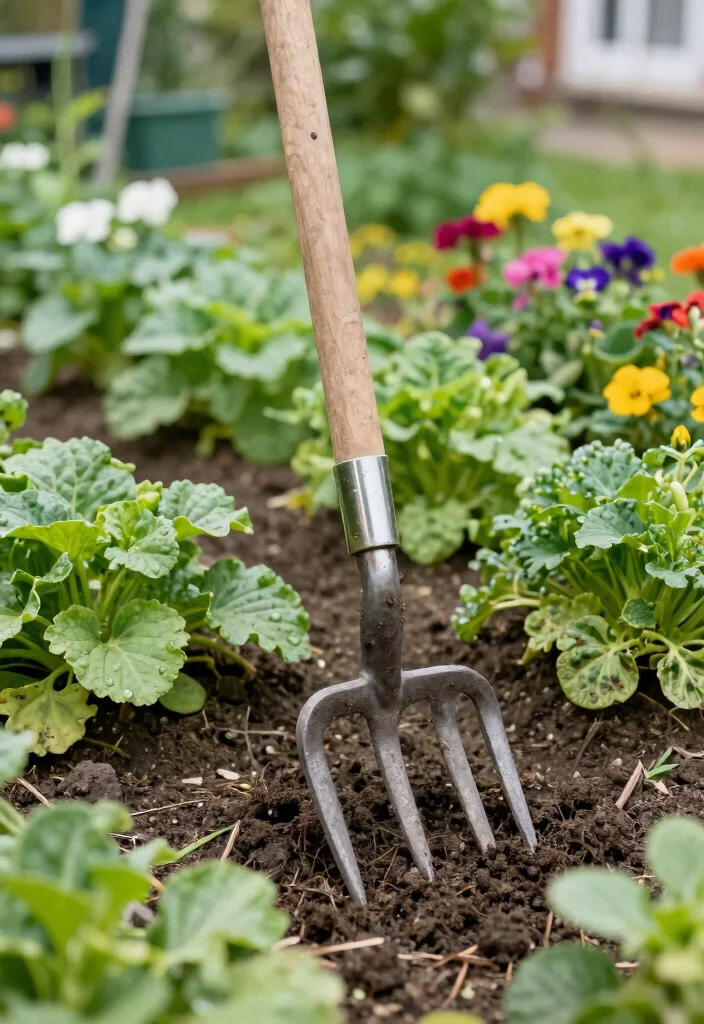
Weeds can quickly take over your garden, making a weeding fork a crucial tool in your gardening arsenal. This handy tool allows you to extract weeds with minimal impact on your existing plants, helping you maintain a tidy garden.
Opt for a design with sturdy tines and a comfortable grip. This will make the task of weeding much less daunting and more effective.
Effective weeding tips:
– Gently slide the fork under weeds to loosen their roots.
– Regularly use it to keep weeds at bay.
– Limit your weeding sessions to avoid fatigue.
With a weeding fork in your belt, you’re ready to keep pesky weeds under control.
4. Seed Packets and Labels
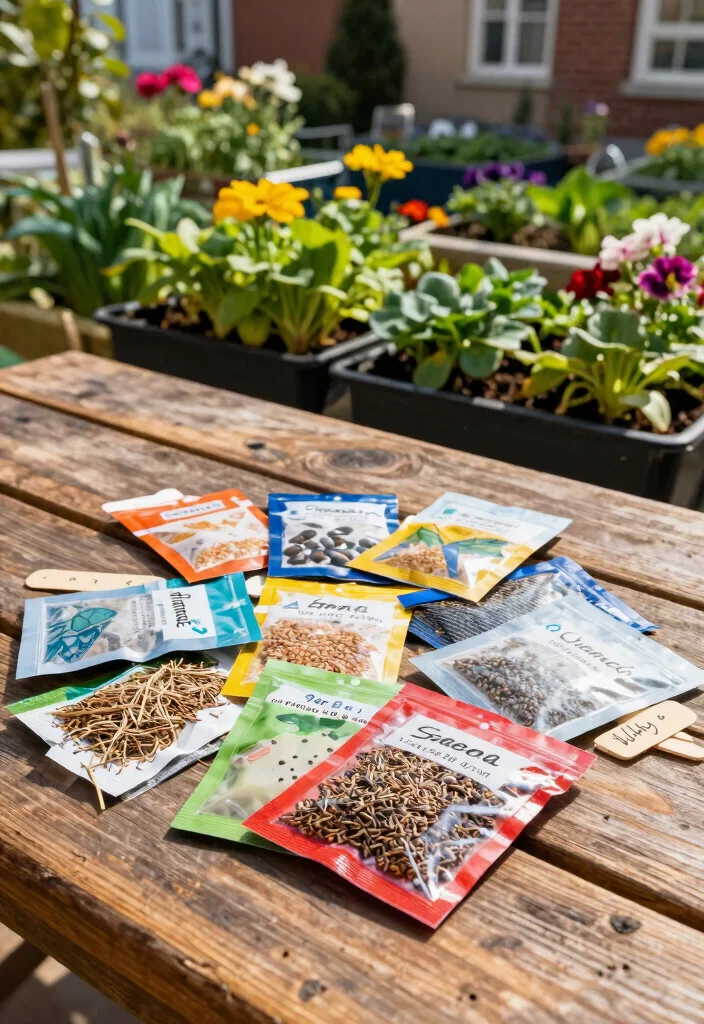
Seed packets are the foundation of a successful garden, offering the potential for vibrant flowers or fresh vegetables. Including seed packets in your tool belt allows you to plant efficiently and effectively whenever inspiration strikes.
Look for seeds that thrive in urban environments, such as compact herbs and vegetables. This ensures that your garden maximizes its potential in limited space.
Tips for seed management:
– Keep a variety of seed packets for spontaneous planting.
– Create simple labels using wooden sticks or biodegradable options.
– Store seeds in a cool, dry place to maintain their viability.
With seeds ready to go, you can turn your garden into a blooming oasis.
Did you know that in urban gardening, a single seed packet can yield up to 10 herbs or vegetables? Label smartly and keep a variety of seed packets in your tool belt to plant efficiently whenever inspiration strikes.
5. Adjustable Garden Gloves
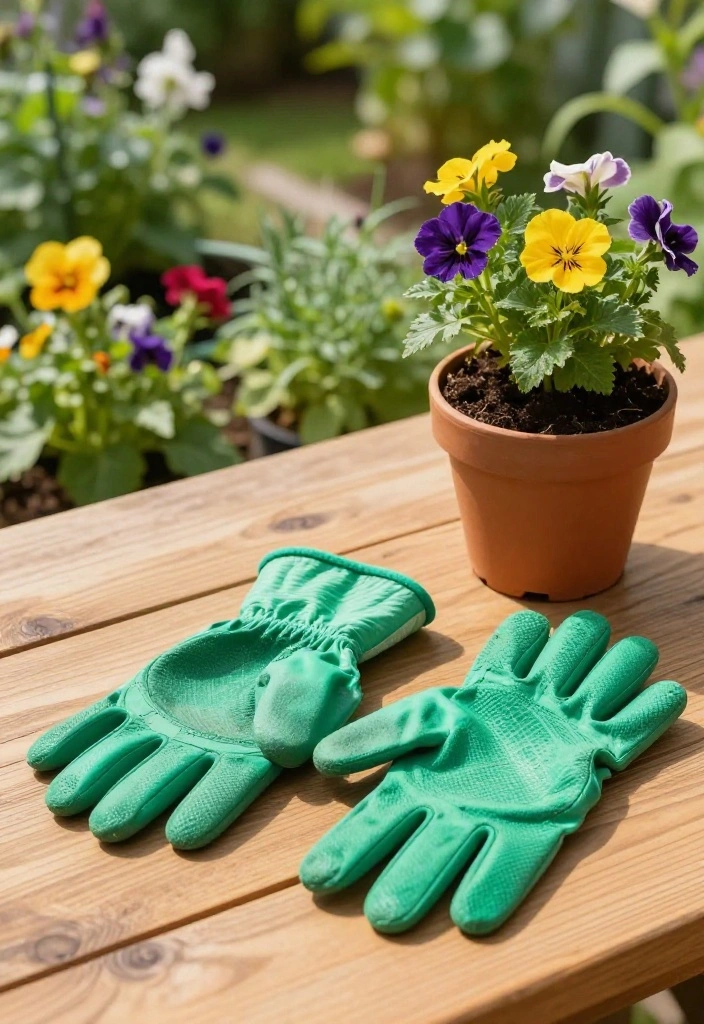
To keep your hands safe and clean while gardening, a pair of adjustable garden gloves is essential. These gloves protect against soil, thorns, and potential pests while allowing for dexterity in your tasks.
Select breathable materials that keep your hands cool, and look for adjustable straps for a secure fit that enhances comfort during use.
Helpful tips for gloves:
– Choose machine-washable gloves for easy cleaning.
– Use lightweight gloves for delicate work and sturdier ones for heavy-duty tasks.
– Keep an extra pair handy in your tool belt for quick changes.
With the right gloves, you can dig and plant without worrying about scrapes or dirt.
6. Compact Garden Shears
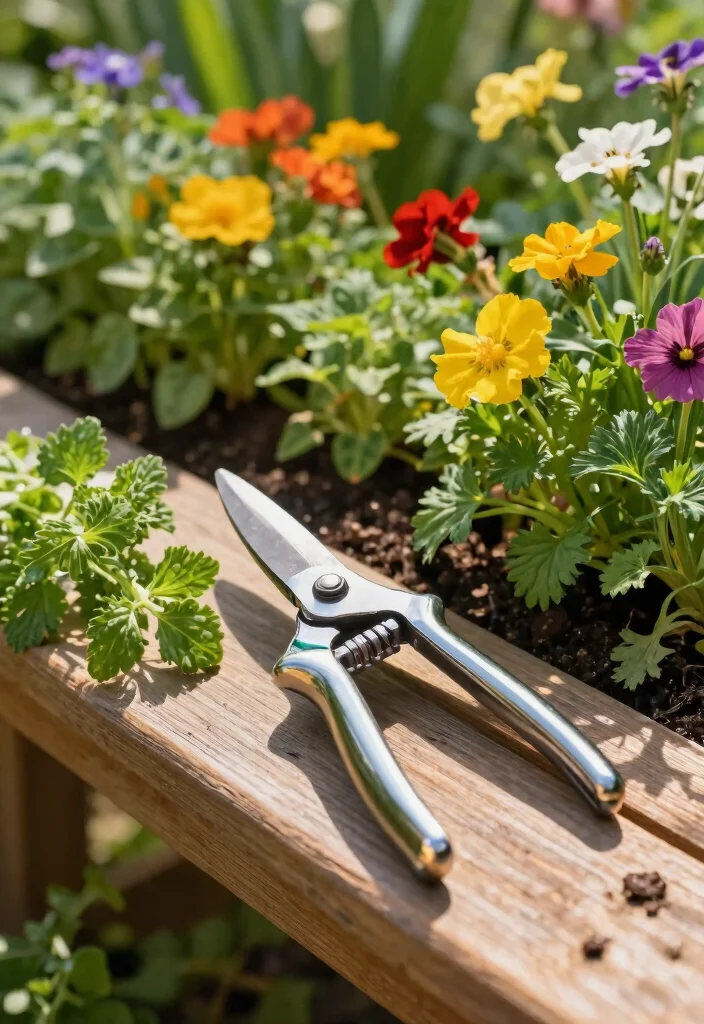
For precise cuts and tight spots, compact garden shears are invaluable in your toolkit. Whether you’re snipping flowers or trimming herbs, these shears make detailed tasks easier and faster.
Their small design allows for easy maneuverability in confined spaces, and many come with safety locks for safe storage. Prioritize lightweight models for comfort during extended use.
Using garden shears effectively:
– Use them for detailed trimming where larger tools can’t reach.
– Clean blades regularly to keep them sharp and disease-free.
– Store them in your tool belt for easy access during gardening.
With compact shears, you can turn tedious trimming into a quick task.
7. Retractable Measuring Tape
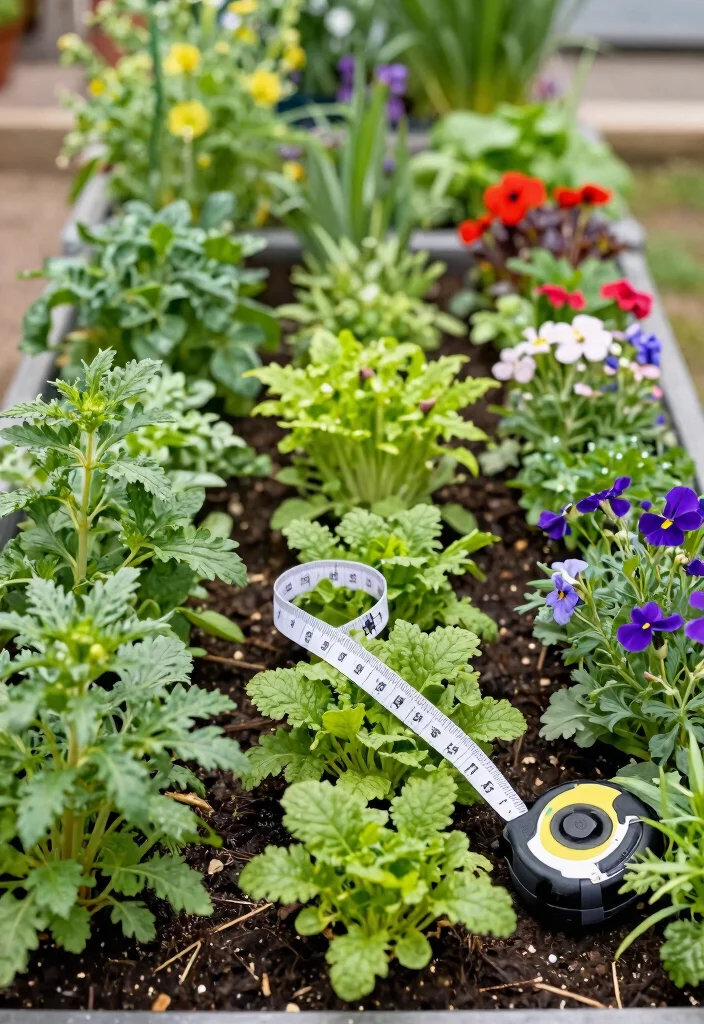
Planning your garden layout is key, especially in urban spaces where every inch counts. A retractable measuring tape helps you accurately space your plants, ensuring they have room to thrive.
Choose a sturdy yet lightweight tape for easy transport, and opt for one with a locking mechanism to hold measurements securely.
Using measuring tape effectively:
– Measure spacing between plants to avoid overcrowding.
– Keep it handy in your tool belt for quick access.
– Use biodegradable markers to note measurements directly in the soil.
With precise measurements, you can create an organized and flourishing garden space.
8. Soil Moisture Meter
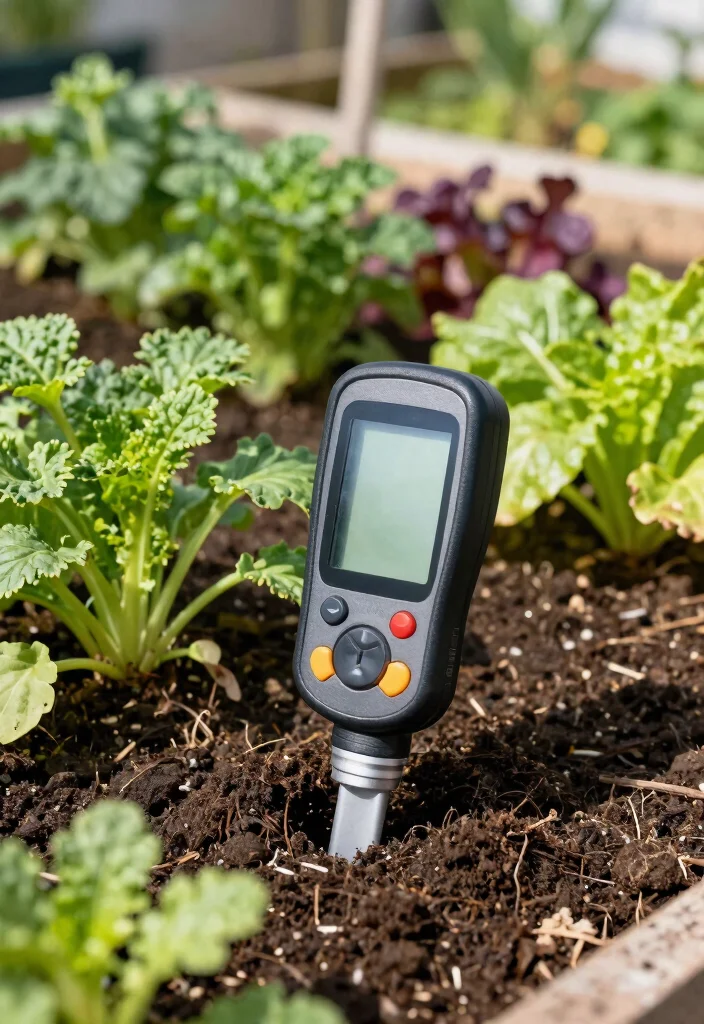
Watering your plants correctly is vital, and a soil moisture meter is an excellent tool to have on hand. This device helps you maintain optimal moisture levels, preventing the common pitfalls of over or under-watering.
Choose a simple, battery-free model that provides accurate readings with ease, allowing you to monitor your plants’ hydration effectively.
Tips for using a moisture meter:
– Insert it into the soil around plants to check moisture levels.
– Monitor readings regularly to develop a watering routine.
– Adjust your watering schedule according to seasonal changes.
With a moisture meter, your plants will receive just the right amount of water for healthy growth.
9. Handy Kneeling Pad
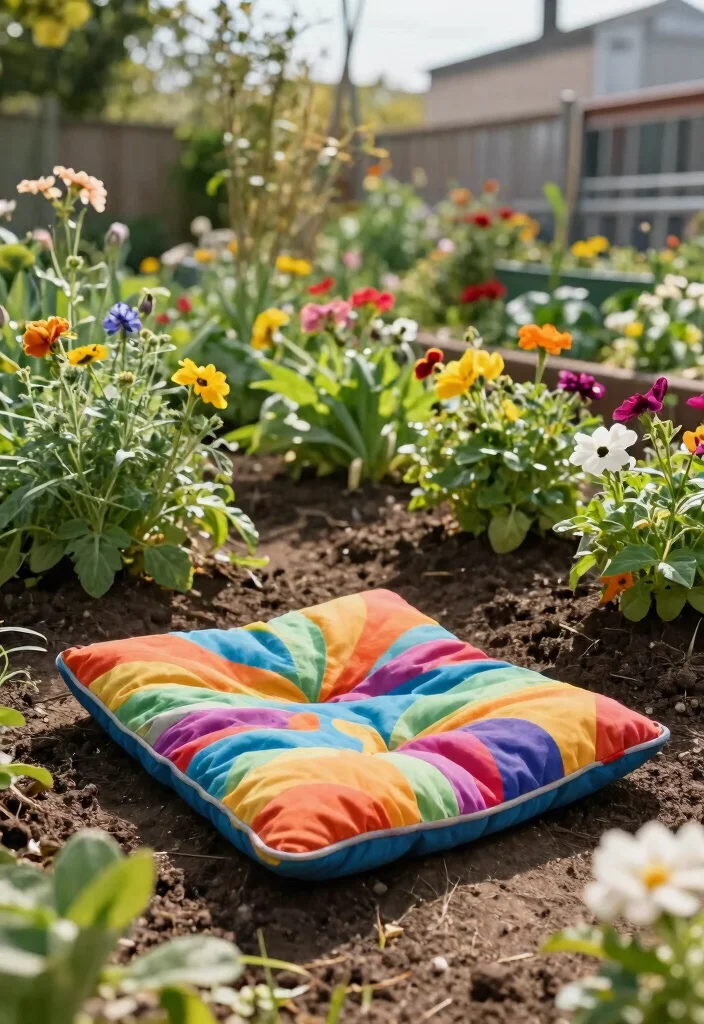
Gardening can be tough on your knees, making a handy kneeling pad a great addition to your toolkit. This comfort item allows you to work at ground level without discomfort, making gardening more enjoyable.
Look for a thick, cushioned pad that is waterproof for durability. It’s lightweight and compact, so it easily fits into your tool belt for convenience.
Using a kneeling pad effectively:
– Use it for planting or weeding to protect your knees.
– Choose one with handles for easy portability.
– Clean it after use to keep your gardening area tidy.
With a kneeling pad, you can focus on your gardening tasks and enjoy your time outdoors.
How To Choose the Right Gardening Tools for Your DIY Tool Belt
Choosing the right gardening tools for your DIY tool belt is essential for any urban gardener. With so many options, it can feel overwhelming. Here are some key points to help you make the best choices:
1. Size
When selecting tools, consider their size. You want tools that fit comfortably in your hands and your tool belt. For example, pruners should be easy to hold, while a hand trowel shouldn’t be too bulky. Look for compact tools that are lightweight yet sturdy. This way, you can easily carry them around your urban garden without straining yourself.
2. Material
The material of your gardening tools matters greatly. Stainless steel and high-carbon steel are excellent choices for durability and rust resistance. Plastic tools are lightweight but may not stand up to tough tasks. Opt for tools that combine strength and comfort. Check the handles too; rubber or ergonomic grips can make a world of difference in comfort during long gardening sessions.
3. Functionality
Think about the specific tasks you will be doing in your garden. Do you need tools for digging, pruning, or weeding? Each tool should serve a unique purpose. For instance, a versatile hand trowel is great for digging and planting, while durable weeding forks help in removing stubborn weeds. Having multifunctional tools can save space in your tool belt and make your gardening more efficient.
4. Comfort and Ergonomics
Gardening can be physically demanding, so comfort is key. Choose tools that feel good in your hands. Look for features like padded grips and lightweight designs. Ergonomic tools can reduce strain on your wrists and hands, making your gardening experience more enjoyable. Try holding different models to see which ones feel best before purchasing.
5. Budget
Set a budget before you start shopping. Gardening tools can vary significantly in price. While it’s tempting to grab the cheapest option, remember that quality often matters more. Investing in a few high-quality tools can save you money in the long run. Always compare prices and read reviews to ensure you’re getting value for your money.
6. Reviews and Recommendations
Before making a purchase, look for reviews or ask fellow gardeners for recommendations. Online reviews can provide insights into the performance and durability of tools. If you have gardening friends or are part of online gardening communities, seek advice. Their experiences can guide you to the best products for your needs.
Pro Tip: When building your DIY tool belt, start with a few essential tools and add more as you go. This approach allows you to test which tools you use most often, ensuring your collection is tailored to your specific gardening tasks. Remember, it’s better to have fewer high-quality tools than a bunch of low-quality ones!
10. Watering Can with a Long Spout
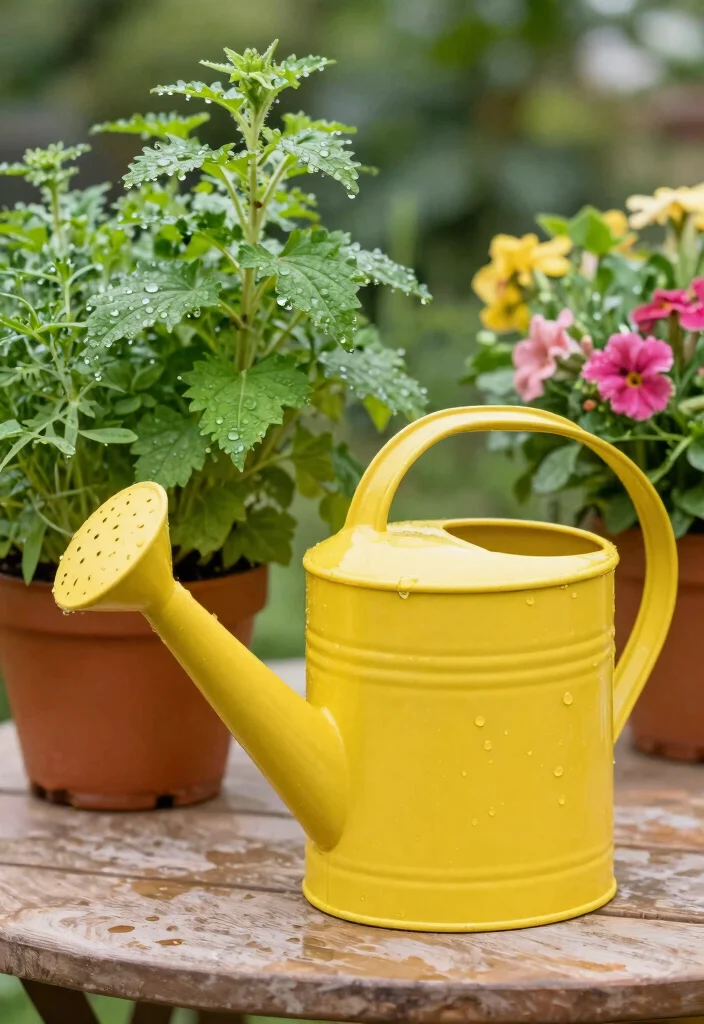
Proper watering is essential for healthy plants, and a good watering can is key to effective irrigation. Look for a model with a long spout to direct water precisely in tight spots, ensuring your plants get the hydration they need.
Durable materials like metal or high-quality plastic make for a lightweight can that’s perfect for frequent use.
Tips for using a watering can:
– Choose one with a comfortable grip for easy lifting.
– Fill it from a nearby source to minimize trips.
– Be mindful of each plant’s watering needs and adjust accordingly.
With the right watering can, your urban garden will flourish with just the right amount of moisture.
Staying on top of diy tool belt essentials means choosing a watering can with a long spout—precision wins in tight urban beds. A durable, lightweight model keeps you watering efficiently, from hose bib to planter, without spills or strain.
11. Plant Food and Fertilizer
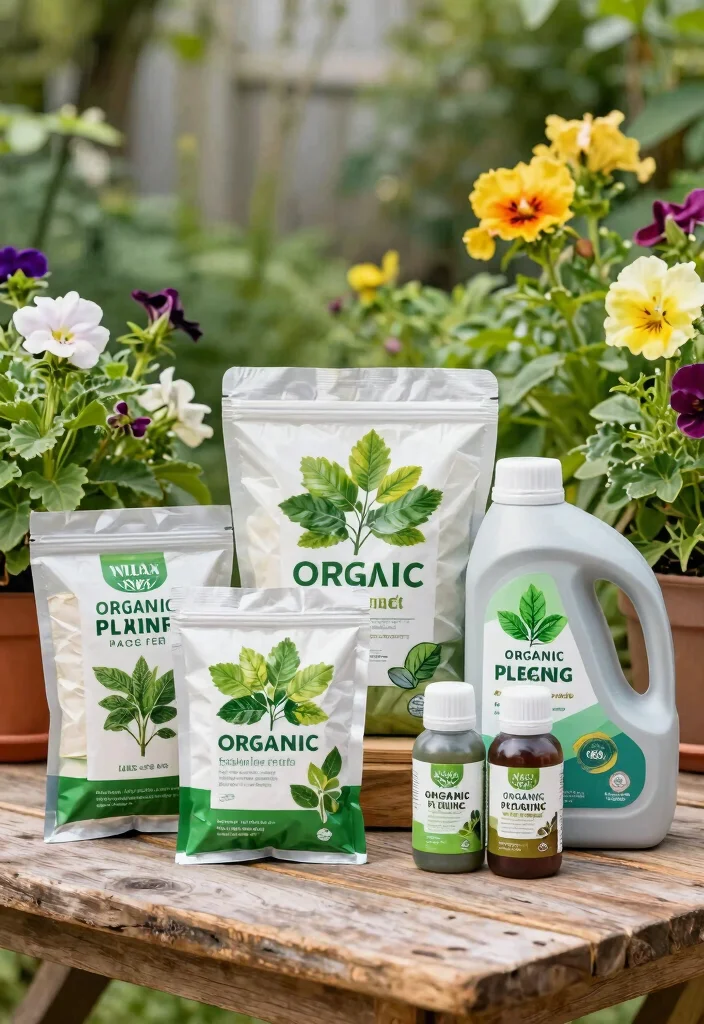
To support your plants’ growth, incorporating plant food and fertilizer into your gardening routine is crucial. These nutrients enhance soil health and promote vibrant blooms and bountiful harvests.
Select organic options that are safe for urban gardening, ensuring your plants get the nourishment they need without harmful chemicals. Keeping a few packets in your tool belt ensures you’re ready to feed your plants at the right time.
Key points for fertilizer use:
– Follow instructions carefully to avoid over-fertilizing.
– Apply during the growing season for optimal results.
– Rotate between different types of fertilizers for balanced nutrition.
With the right fertilizers, your urban garden will thrive like never before.
Conclusion
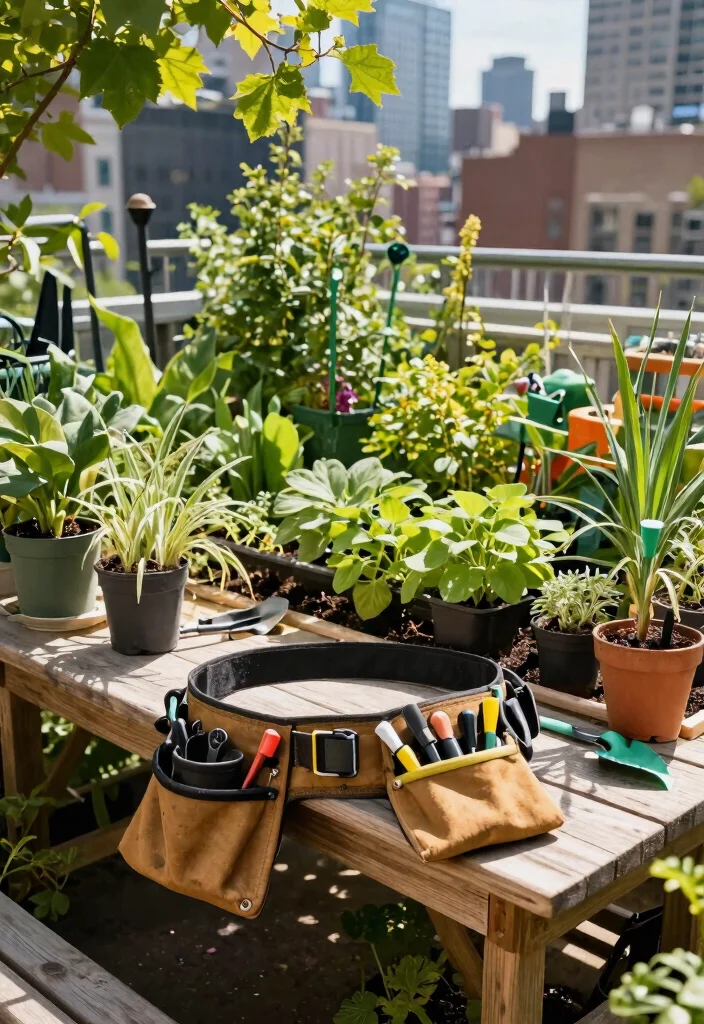
Equipping yourself with these DIY tool belt essentials will not only enhance your gardening experience but also make it more enjoyable.
With the right tools at your fingertips, you’ll find yourself tending to your urban garden like a seasoned pro in no time.
Let the joy of gardening bloom as you nurture your green space and enjoy the fruits of your labor.
Note: We aim to provide accurate product links, but some may occasionally expire or become unavailable. If this happens, please search directly on Amazon for the product or a suitable alternative.
This post contains Amazon affiliate links, meaning we may earn a small commission if you purchase through our links, at no extra cost to you.
Frequently Asked Questions
What Are The 11 Must-Have DIY Tool Belt Essentials For Urban Gardening?
Ready to optimize your diy tool belt essentials for urban gardening? Here are the 11 must-have items you should pack for efficiency and ease:
Durable Work Gloves to protect hands; Pruning Shears for quick cuts; Hand Trowel for planting and transplanting; Cultivator or Weeder to loosen soil and tackle weeds; Mini Transplanter for delicate moves; Utility Knife for trimming and opening bags; Tape Measure for accurate spacing; Marker Pen And Plant Tags to label varieties; Garden Twine Or Plant Ties to secure stems and stakes; Compact Multi-Tool for small adjustments; Water-Resistant Notebook to track notes and ideas.
These pieces together form your diy tool belt essentials for efficient urban gardening work.
How Can I Organize My Tool Belt For Quick Access During DIY Gardening Projects?
Smart tool belt organization is a game changer for DIY gardening projects. Start with a sturdy belt that has multiple pockets and reinforced seams. Assign pockets by task: front pockets hold your most-used items (pruning shears, knife); middle pockets store markers, tape, and plant tags; back pocket keeps gloves and a small notebook. Clip occasional tools with carabiners and use a slim pouch for sharps. Regularly prune and rotate items so the belt stays comfy and efficient. With good tool belt organization, you’ll move faster and stay safe while tackling gardening tools tasks.
Are There Lightweight Or Multi-Use Tools That Work Well With A DIY Gardening Tool Belt?
Absolutely. For urban settings, look for lightweight yet durable options that fit neatly in pockets. Great picks include titanium-coated pruners or folding shears, a folding pruning saw for bigger cuts, a retractable utility knife for precise trimming, and a compact multitool with screwdriver bits. Choose tools with belt clips, ergonomic grips, and rust-resistant materials. These gardening tools fit easily into your diy tool belt essentials and keep your hands free for projects.
What Are The Best Tips To Pack For DIY Gardening Projects In Small Urban Spaces?
In small spaces, plan by task and pack only what you truly need. Aim for 5–7 essentials to keep the belt nimble. Before you go, map out your tasks (transplanting, pruning, weeding, measuring, labeling) and place the most-used items in the front pockets for instant access. Keep seeds, plant tags, and string in a lightweight pouch. Weather-ready gear like a small rain cover and a compact notepad will help with home gardening tips and DIY gardening projects in tight spaces.
How Do I Maintain And Replace Items In My DIY Tool Belt Essentials Across Seasons?
Keep your diy tool belt essentials in top shape with simple maintenance routines. Sharpen and wipe down blades on pruning tools, clean metal parts to prevent rust, and let tools dry completely after use. Inspect belts and pockets for wear; replace worn gloves or frayed stitching. Rotate items seasonally so you’re always ready for gardening projects, and store extras in a dry place. A little upkeep goes a long way for ongoing tool belt organization and reliable performance.
![9 Essential Compost Bin Maintenance Tips [No Bad Smells]](https://huserie.com/wp-content/uploads/2026/04/9-Essential-Compost-Bin-Maintenance-Tips-No-Bad-Smells-150x150.webp)
![15 Stunning Inflatable Pool Deck Ideas [Make It Look Built In]](https://huserie.com/wp-content/uploads/2026/04/15-Stunning-Inflatable-Pool-Deck-Ideas-Make-It-Look-Built-In-150x150.webp)