Creating a compost bin in your backyard is one of the most rewarding steps you can take toward sustainable living. With the growing interest in urban gardening and eco-friendly practices, there’s no better time to dive into composting. I made this guide to help you determine the best location for your compost bin, making the process smoother and more efficient.
If you’re an urban gardener or just someone looking to manage garden waste, this post is for you. You probably want to find a spot for your compost bin that won’t disrupt your outdoor space and will still make composting hassle-free. Well, you’re in luck! I’ve gathered seven practical tips that will guide you on the best placement for your compost bin, ensuring that your composting efforts are effective and enjoyable.
By the end of this post, you’ll know how to choose the right location for your compost bin. You’ll gain insights on everything from keeping it close to your kitchen for convenience to ensuring proper drainage. With these tips, you’ll be well on your way to turning kitchen scraps and garden waste into rich, nourishing compost for your plants.
Key Takeaways
–
Proximity to the Kitchen: Place your compost bin close to the kitchen to encourage easy disposal of food scraps and make composting a seamless part of your routine.
–
Sunlight Exposure: Look for a location that receives some sunlight. This warmth can help speed up the composting process, allowing your materials to break down efficiently.
–
Drainage Considerations: Ensure the spot has good drainage to avoid soggy compost, which can hinder decomposition and create odors.
–
Away from Structures: Keep your compost bin at a distance from fences and buildings. This helps prevent any potential issues with pests and allows for airflow.
–
Accessibility to Garden Waste: Choose a location that is convenient for disposing of garden waste. This makes it easier to maintain your compost, ensuring it thrives and provides the best results.
1. Proximity to the Kitchen
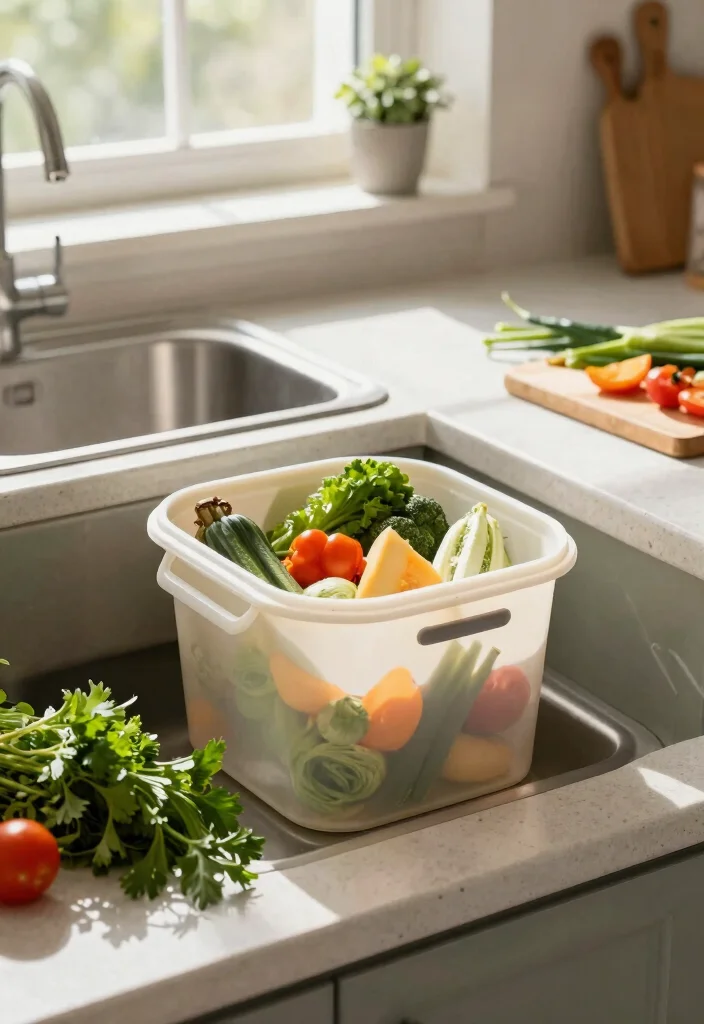
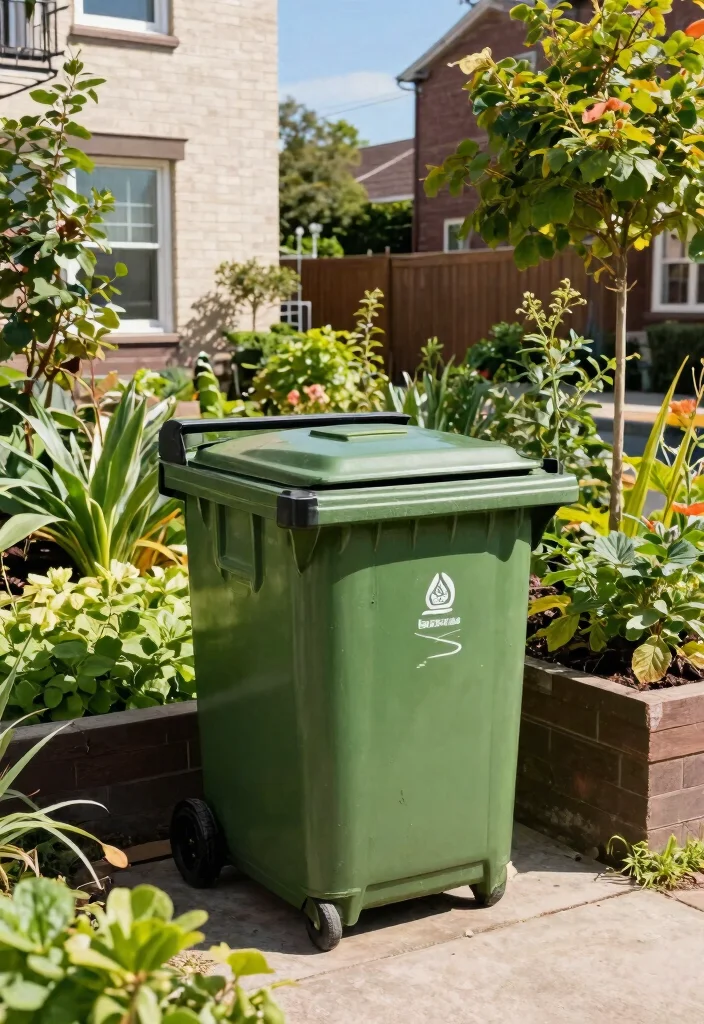
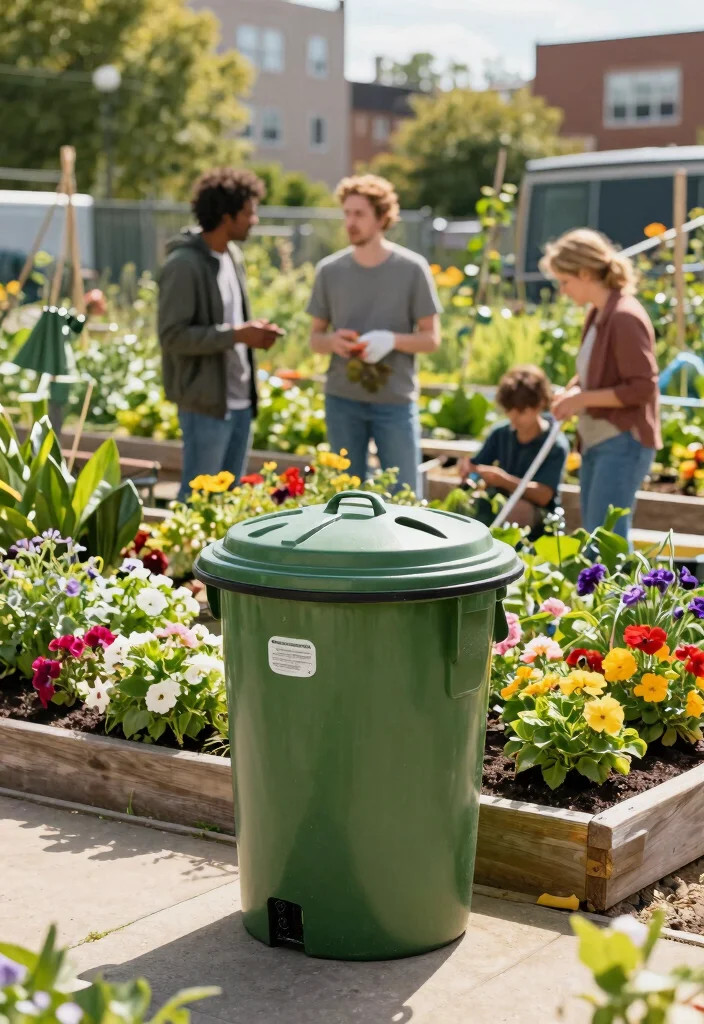
You want your compost bin to be as convenient as possible. Choosing a location near your kitchen encourages you to dispose of food scraps easily and regularly, making composting a simple part of your routine. A quick trip from your counter to the bin helps keep your waste management consistent and efficient.
Think about placing the compost bin on your patio or just a few steps outside your back door. A small compost pail in your kitchen can hold scraps until you’re ready to head out. Here are some ideas:
– Select a location just a few steps from your kitchen door.
– Ensure there’s space around the bin for easy access.
– Avoid distant placements, which might discourage you from composting.
This close placement not only simplifies the process but also boosts your composting efforts, giving life to your kitchen scraps!
Keeping the best location for compost bin within easy reach of your kitchen makes composting effortless—near the door or patio, you’ll toss scraps daily without thinking. A small kitchen pail keeps waste moving from counter to bin, turning routine into a green habit.
2. Sunlight Exposure
Finding the right spot for your compost bin can make a big difference in how quickly it breaks down materials. A sunny location helps heat the compost, promoting the growth of beneficial bacteria and speeding up decomposition. However, too much sun can dry it out, so balance is essential.
Consider the climate you live in when deciding on sunlight exposure. If you’re in a cooler area, choose a spot that gets full sun. In warmer regions, look for a place with partial shade during peak sun hours. Here are some tips:
– Opt for a sunny spot if you live in a cooler climate.
– In hotter areas, aim for dappled sunlight for part of the day.
– Check moisture levels; water if it seems dry.
The right balance of sun helps create ideal conditions for composting, turning your waste into rich compost faster!
Sunlight can nudge your pile to hot temps, speeding breakdown—often 120 to 140°F. But too much sun dries it out, so balance is key. For the best location for compost bin, choose sun when cooler and shade during peak heat.
3. Drainage Considerations
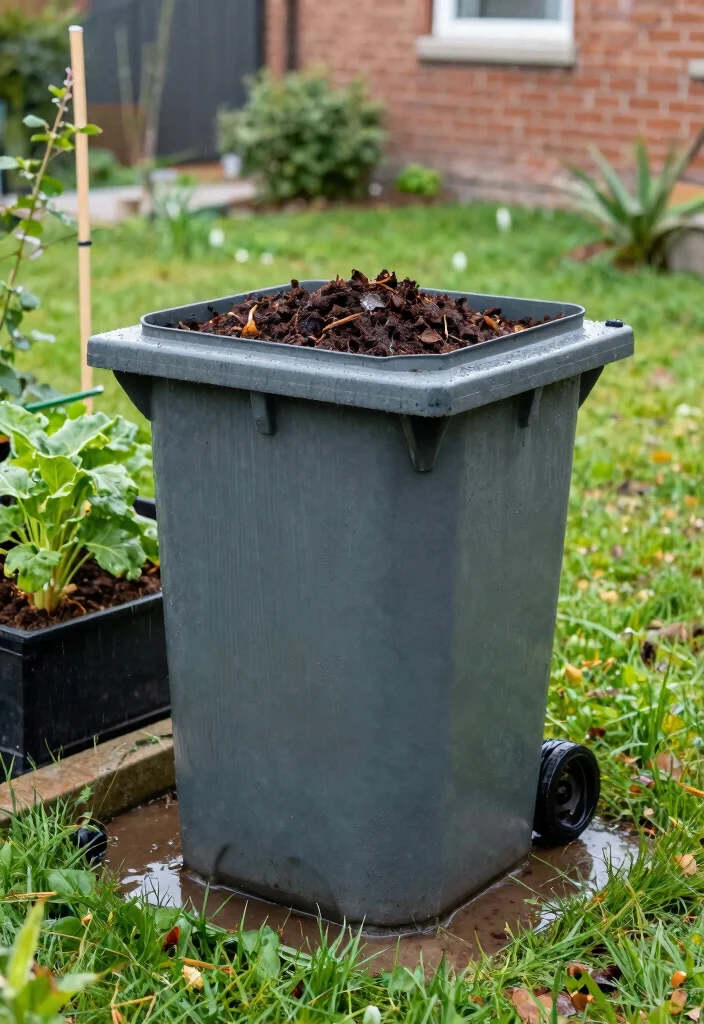
Proper drainage is crucial for effective composting. When water pools in your compost bin, it can produce unpleasant smells and slow down the breakdown process. This is especially important in urban settings where natural drainage may be limited.
To enhance drainage, consider positioning your compost bin on grass or soil instead of concrete. Elevating the bin slightly can also promote airflow and moisture escape. Here are some suggestions:
– Place the bin on a grassy area for natural drainage.
– Avoid concrete; elevate it for better airflow.
– If it’s in a wet area, choose a raised bin with drainage holes.
By ensuring good drainage, you create a thriving environment for the organisms that transform your scraps into nutrient-rich compost!
4. Away from Structures
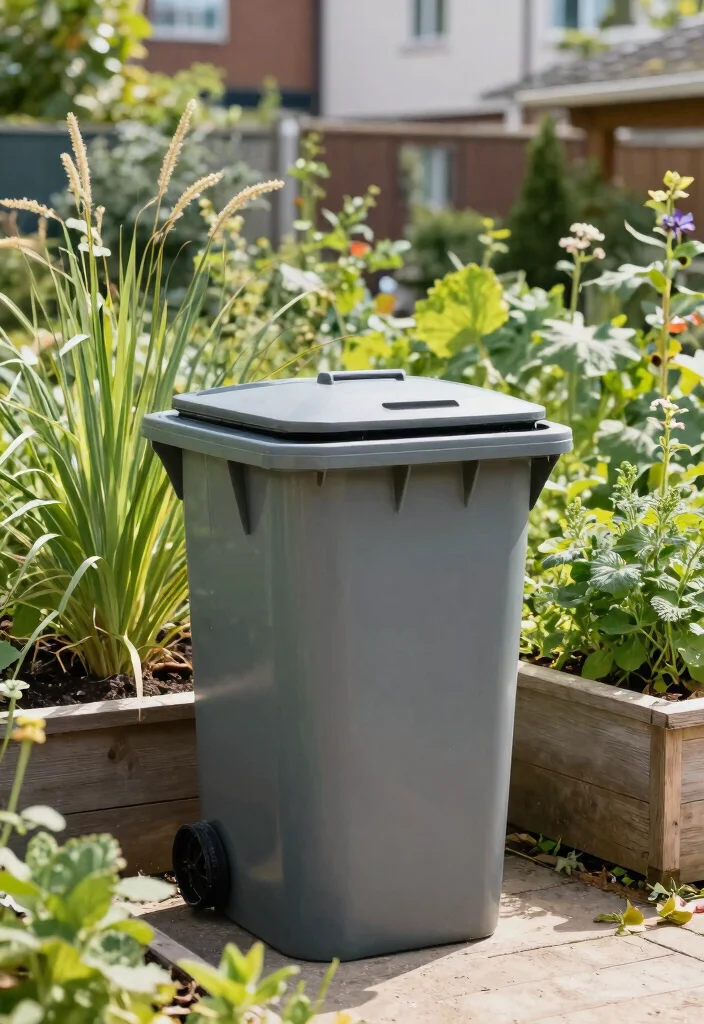
Positioning your compost bin away from buildings is essential for several reasons. Keeping your bin at a distance helps deter pests like rodents and raccoons that are attracted to compost materials. Additionally, it can prevent unpleasant odors from seeping into your home.
It’s wise to maintain at least 3-5 feet of space between your compost bin and any structures. Ensure that there’s enough airflow to help minimize odors. Here are some practical tips:
– Keep your bin at least 3-5 feet from your house.
– Allow for airflow to reduce smell buildup.
– Regularly turn your compost to keep it fresh.
Choosing a well-placed spot for your bin not only protects your home from unwanted visitors but also enhances your composting experience!
5. Accessibility to Garden Waste
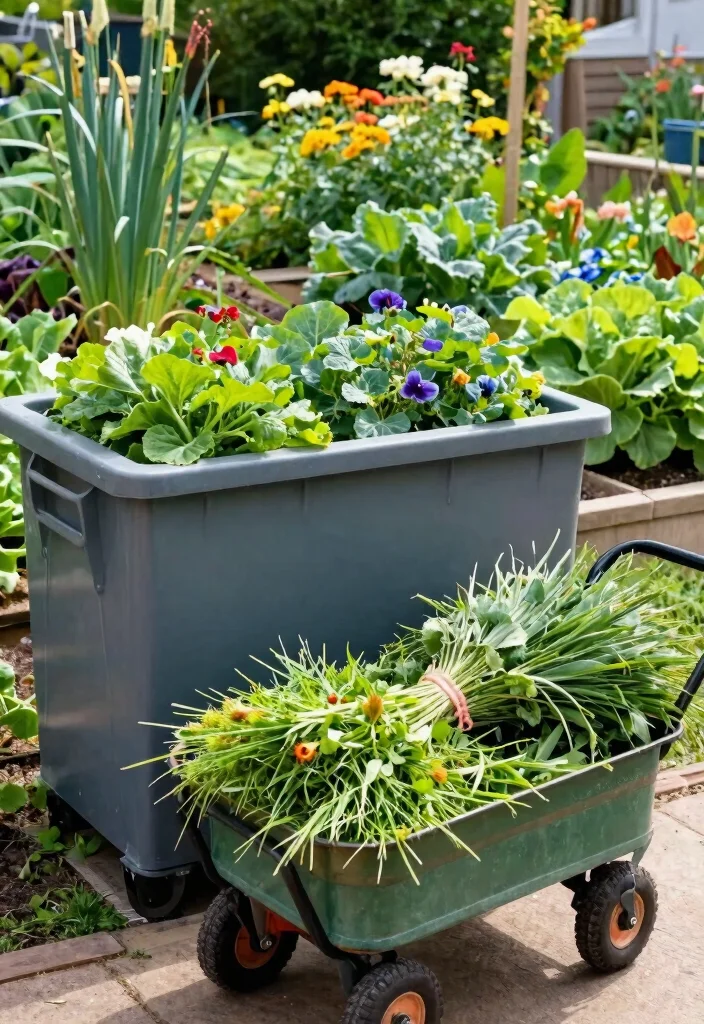
When deciding on a location for your compost bin, think about how easy it is to access it for garden waste. A well-placed bin streamlines your gardening workflow, making it simple to dispose of clippings and trimmings. This convenience encourages you to compost more frequently.
Position the bin near your garden beds or planters for easy access. If you grow herbs or vegetables, choose a location that minimizes walking distance to drop in scraps. Here are some tips to enhance accessibility:
– Position the bin close to garden beds for easy disposal.
– Choose an area where you can quickly add scraps.
– Set up a designated space for collecting garden waste.
An accessible compost bin makes it easy to use, leading to nutrient-rich compost for your garden!
Fun fact: The best location for your compost bin is within 10–20 feet of your garden beds. This placement can cut trips to the pile by half and turns scraps into steady, easy-to-process nourishment for your herbs and veggies.
Tip |
Description |
Suggestions |
|---|
Proximity to Kitchen |
Place bin near kitchen |
Use small kitchen pail |
Sunlight Exposure |
Choose sunny spot |
Balance with shade in heat |
Drainage Considerations |
Ensure good drainage |
Elevate bin on grass |
Away from Structures |
Keep distance from buildings |
Allow airflow for odors |
Accessibility to Garden Waste |
Position near garden beds |
Minimize walking distance |
Odor Control |
Promote airflow |
Add carbon-rich materials |
Local Regulations |
Check local composting laws |
Inquire about HOA guidelines |
How To Choose the Best Location for Your Compost Bin
Choosing the right location for your compost bin is crucial. A well-placed bin makes composting easier and more effective. Here are some tips to help you find the best spot for your compost bin.
1. Proximity to the Kitchen
Placing your compost bin close to the kitchen is a smart move. It makes it easier for you to dispose of kitchen scraps. You can simply step outside to add vegetables, fruit peels, or coffee grounds. Aim for a distance of 10 to 20 feet from your kitchen door for quick access.
2. Sunlight Exposure
Your compost needs warmth to break down organic material efficiently. Choosing a sunny spot can help speed up the composting process. Ideally, look for a location that receives at least six hours of sunlight daily. However, if you live in a hot climate, some shade during the hottest part of the day can prevent overheating.
3. Drainage Considerations
Good drainage is vital for a compost bin. You want it to be moist, not soggy. Avoid placing your bin in low spots that collect water after rainfall. Instead, choose a location with good drainage, like a raised area or near a sloped garden bed. This way, excess moisture can drain away, keeping your compost healthy.
4. Away from Structures
Keeping your compost bin away from buildings is smart for multiple reasons. It reduces the risk of attracting pests to your home. Aim for at least 3 feet away from fences, walls, and buildings. This distance allows for proper airflow and keeps your compost accessible for turning and adding materials.
5. Accessibility to Garden Waste
If you have a garden, make sure your compost bin is easily accessible for yard waste. You’ll want to toss grass clippings, leaves, and small branches into the bin without hassle. Position your bin near your garden tools or waste collection areas to make disposal quick and easy.
6. Consider Odor Control
While composting is great for waste management, it can produce odors if not managed well. Choose a spot that’s away from seating areas or your neighbor’s yard to minimize any smell. The right location, combined with proper composting practices, will help keep odors at bay. If you notice unpleasant smells, consider adjusting the bin’s placement or turning the compost more frequently.
7. Local Regulations and Guidelines
Before setting up your compost bin, check local regulations regarding composting. Some areas have guidelines on where you can place a compost bin in relation to property lines and structures. Compliance with these rules can help you avoid potential fines and ensure a harmonious relationship with neighbors.
Pro Tip: If you’re unsure about the best location, consider using a compost tumbler. These bins can be placed anywhere, making them versatile and easy to manage. They also help in controlling odors and making turning the compost simpler.
Finding the best location for your compost bin doesn’t have to be complicated. By considering proximity to your kitchen, sunlight, drainage, and local guidelines, you’ll be well on your way to successful composting. Happy composting!
6. Consider Odor Control
Managing odors is a common concern for composters, especially in smaller spaces. Choosing a location that promotes airflow can help keep unpleasant smells at bay, making your composting experience more enjoyable.
Consider placing your bin where there’s good air circulation to help dissipate any odors. Adding carbon-rich materials, like dried leaves or shredded paper, can balance the nitrogen-rich kitchen scraps. Here are some tips to control odors:
– Choose a spot with good airflow to reduce smells.
– Add carbon-rich materials to balance your scraps.
– Turn your compost regularly to aerate it.
Taking steps to control odors not only creates a pleasant environment for you but also encourages effective composting habits!
7. Local Regulations and Guidelines
Before placing your compost bin, it’s wise to check local regulations regarding composting. Some areas may have specific guidelines about bin placement, size, or types permitted. Understanding these rules can save you from potential issues down the line.
Research any local composting laws to ensure your setup is compliant. If you live in a community with a homeowners association, ask about their specific guidelines too. Here are some considerations:
– Familiarize yourself with local composting regulations.
– Inquire about HOA rules if applicable.
– Look for community resources for composting support.
By being aware of the guidelines, you can avoid fines and support your eco-friendly gardening efforts in urban areas!
💡
Key Takeaways
Essential tips from this article
🏡
ESSENTIAL
Close to the Kitchen
Place your compost bin near the kitchen for easy access to food scraps and encourage regular composting.
☀️
PRO TIP
Maximize Sunlight
Ensure your compost bin receives adequate sunlight to speed up decomposition and maintain heat levels.
🌧️
WARNING
Check Drainage
Choose a location with good drainage to prevent excess moisture, which can lead to odor and pests.
🚪
QUICK WIN
Easy Access
Position the bin where it’s easy to add materials and turn the compost, ensuring regular maintenance.
🚧
ADVANCED
Distance from Structures
Keep the compost bin away from buildings and fences to avoid potential damage from pests and odors.
📜
BEGINNER
Know Local Regulations
Check local guidelines on composting to comply with any regulations regarding placement and materials.
Conclusion
Finding the best location for your compost bin is crucial for successful composting in urban environments. By considering factors like proximity to your kitchen, sunlight exposure, drainage, and local regulations, you can create an efficient and enjoyable composting experience.
Embrace the journey of turning kitchen scraps and garden waste into nutrient-rich compost for your plants. Let’s make urban gardening a thriving green space together!
Note: We aim to provide accurate product links, but some may occasionally expire or become unavailable. If this happens, please search directly on Amazon for the product or a suitable alternative.
This post contains Amazon affiliate links, meaning we may earn a small commission if you purchase through our links, at no extra cost to you.
Frequently Asked Questions
What is the best location for a compost bin in a small urban garden?
For the best location for a compost bin in a small urban garden, choose a shady, well-drained spot close to the kitchen or garden beds but away from doors and windows to minimize odors.
Aim for partial sun so materials don’t dry out too quickly, and ensure good drainage so you don’t end up with a soggy pile.
Keep the bin accessible for turning and adding waste, and layer browns (such as dry leaves or shredded paper) to balance greens and keep smells in check.
How should I choose compost bin placement to maximize efficiency and odor control?
To maximize efficiency and odor control, position the compost bin where you can easily add scraps and turn the pile—ideally within reach from the kitchen and garden.
Place it so air can circulate (not snug against a wall) and ensure good drainage; a lid helps reduce rain dilution and pests.
Treat your setup as part of a compost bin location guide for consistent results and easier maintenance.
For outdoor composting in urban spaces, what is the ideal compost bin location on a balcony or garden?
For outdoor composting in urban spaces like balconies or patios, pick a compact, wildlife-proof bin and place it on a stable surface.
Position it away from seating areas and main doors, but within easy reach for daily additions; ensure some sun but not extreme heat.
If space is tight, consider vertical or tumbling bins designed for outdoor composting to keep odors contained.
What factors should I consider to improve garden waste management with optimal compost bin location?
Factors to consider for better garden waste management include sun exposure, wind direction, proximity to the kitchen and garden beds, moisture balance, and accessibility.
Also factor in neighbors and odor potential—protect living spaces with a lid and a shield if needed.
Use these considerations as part of your compost bin location guide to speed decomposition and reduce mess.
Are there common mistakes to avoid when placing a compost bin and how can a compost bin location guide help?
Avoid common mistakes like placing the bin in a damp, shaded corner where it stagnates, or under trees that drop lots of leaves, which can clog airflow.
Don’t place it near doorways or HVAC vents where smells travel; ensure easy access for turning and maintenance.
A practical compost bin location guide helps you plan zones, track waste flow, and keep your garden waste management tidy and efficient.
![9 Essential Compost Bin Maintenance Tips [No Bad Smells]](https://huserie.com/wp-content/uploads/2026/04/9-Essential-Compost-Bin-Maintenance-Tips-No-Bad-Smells-150x150.webp)



![15 Stunning Inflatable Pool Deck Ideas [Make It Look Built In]](https://huserie.com/wp-content/uploads/2026/04/15-Stunning-Inflatable-Pool-Deck-Ideas-Make-It-Look-Built-In-150x150.webp)