Creating an effective compost bin is essential for anyone looking to reduce waste and enrich their garden soil. I put this together because I know how challenging it can be to compost successfully, especially in urban settings where space is limited. If you’re someone who wants to make the most of your small space while embracing sustainable gardening practices, this post is for you. It covers the key compost bin essentials that will speed up the breakdown process and help you turn kitchen scraps and yard waste into nutrient-rich compost.
In this guide, you’ll discover practical tips tailored for urban composters. You’ll learn about the must-have items that will not only simplify your composting journey but also enhance the efficiency of your bin. Whether you’re a seasoned gardener or just starting your composting adventure, the insights here will empower you to manage your garden waste effectively. Get ready to explore 11 essential tools and techniques that can transform your composting experience into a smooth and productive process.
Key Takeaways
– Compost Bin with Good Aeration: Choose a bin that allows air circulation, which is crucial for the breakdown of organic matter. Proper aeration helps speed up decomposition and minimizes odors.
– Kitchen Scraps Collection Container: Keep a small container in your kitchen for collecting scraps. This makes it easier to transfer waste to your compost bin and encourages regular composting habits.
– Carbon-Rich Additives: Incorporate materials like dried leaves or cardboard. These carbon-rich ingredients balance nitrogen levels and help create a healthy compost mix.
– Compost Aerator Tool: Use a compost aerator tool to mix your pile. Turning the compost regularly increases oxygen flow, enhancing the breakdown process and preventing odors.
– Regular Maintenance Routine: Establish a consistent schedule for turning and checking your compost. Regular maintenance ensures your compost stays active and effective, leading to faster results.
1. Compost Bin with Good Aeration
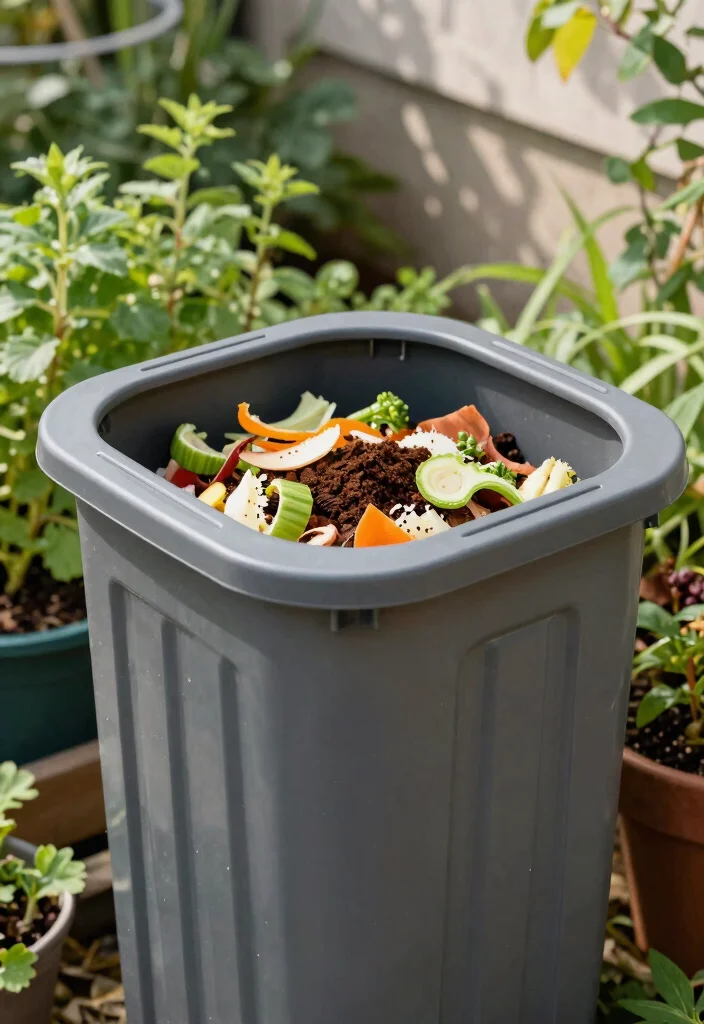
Choosing a compost bin that ensures good aeration is crucial for effective decomposition. A well-ventilated bin, equipped with vents or holes, allows oxygen to circulate. This oxygen is essential for the microorganisms that eat away at your organic waste. Look for tumbling bins or those with a slatted design, as they mix the contents effortlessly and accelerate the composting process.
Position your compost bin in a sunny area. This warmth boosts the internal temperature, which facilitates quicker breakdown of materials.
Key benefits of a well-aerated bin:
– Boost microbial activity for faster composting.
– Consider vented bins or tumblers for efficiency.
– Regularly turn the contents to maintain optimal airflow.
By ensuring proper aeration, your composting efforts will flourish, and you’ll keep unpleasant odors at bay.
Fun fact: Proper aeration can speed up compost by 2–3x. The compost bin essentials—vents or a slatted design and a sunny spot—boost oxygen and warmth, helping hungry microbes do their work.
2. Kitchen Scraps Collection Container
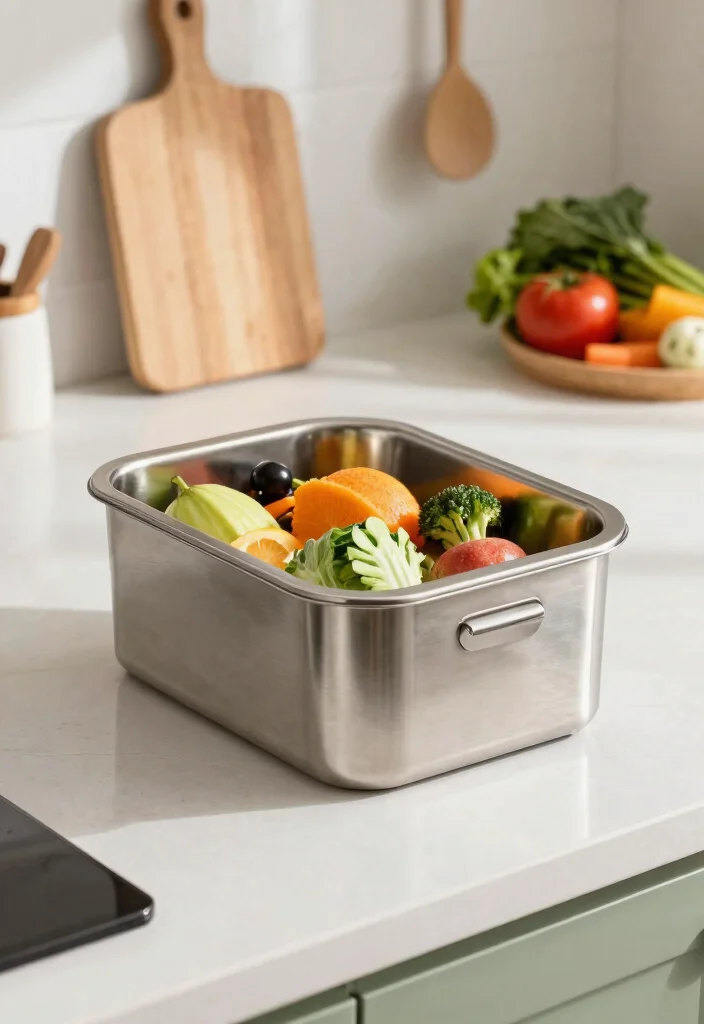
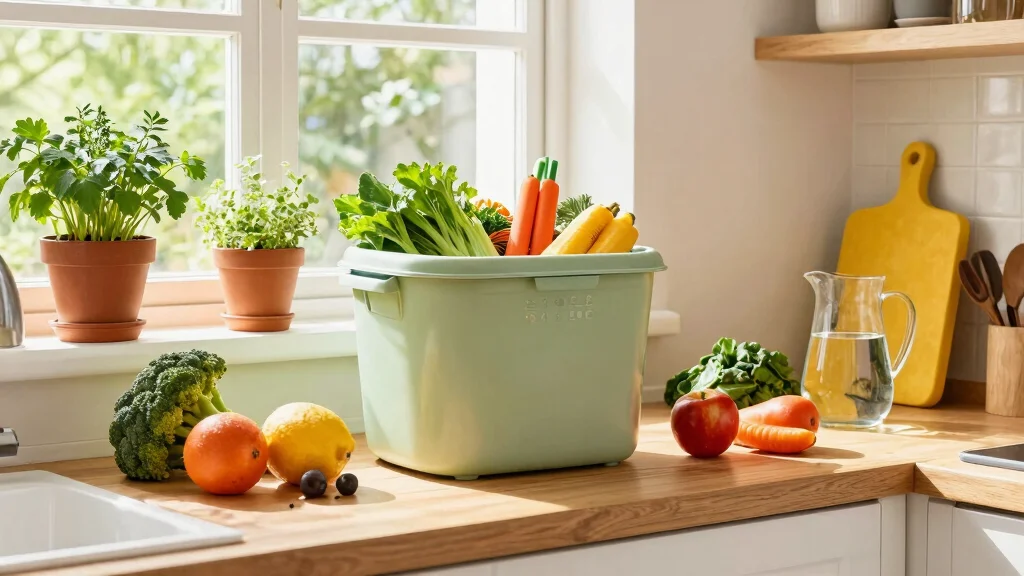
A dedicated kitchen scraps collection container is a fantastic addition for anyone wanting to compost in urban settings or small spaces. Choose a stylish container that fits your kitchen decor and is easy to empty into your compost bin. Having a lid is essential to contain odors and deter pests.
Consider lining your container with biodegradable bags for easier cleanup. Make a habit of regularly emptying it to keep your scraps fresh, which helps speed up composting.
Here’s how to make it work for you:
– Select a container that is easily accessible and user-friendly.
– Opt for stainless steel or ceramic options for a chic countertop look.
– Keep a quick reference guide near it for compostable items.
A designated space for scraps will simplify your composting routine and maximize the benefits of your materials.
3. Carbon-Rich Additives
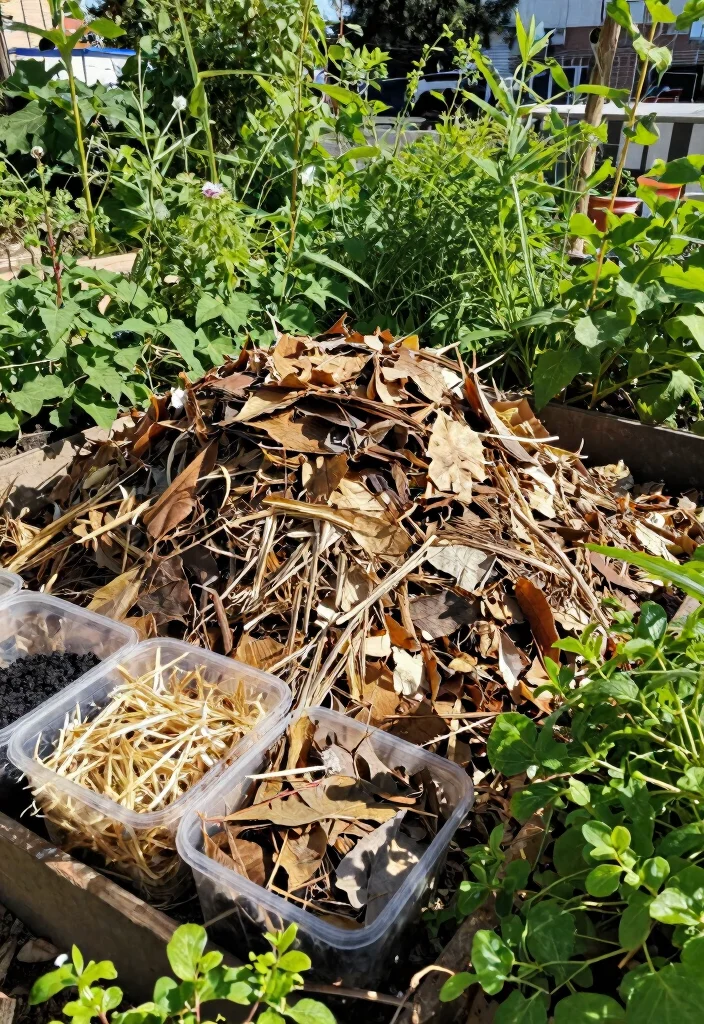
Incorporating carbon-rich materials, known as browns, is vital for effective composting. These include dry leaves, shredded cardboard, straw, and paper. When paired with nitrogen-rich items like kitchen scraps, they create an ideal composting environment. Shredding your brown materials can accelerate their breakdown—just remember to alternate layers with your greens.
Here’s why it matters:
– Carbon fuels the microbes that break down organic matter.
– Common sources include store-bought dry leaves and your own shredded paper.
– Strive for a 3:1 ratio of browns to greens for optimal results.
With the right mix of materials, your compost will decompose faster and yield high-quality organic compost.
4. Nitrogen-Rich Ingredients
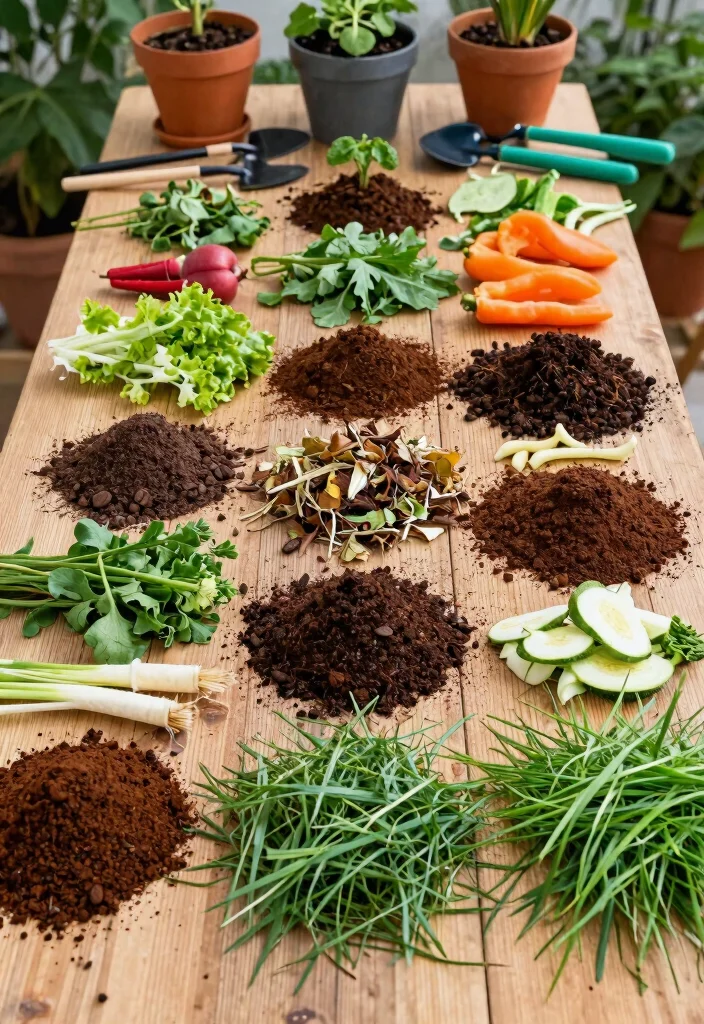
Nitrogen-rich ingredients, or greens, play a vital role in composting by providing essential protein for microorganisms. Great sources include fruit and vegetable scraps, grass clippings, and coffee grounds. Balance these with carbon-rich ingredients to prevent odors and slow decomposition. A simple trick is to maintain a ‘greens’ bin in your fridge for scraps, ensuring a steady supply for your compost.
Here’s what to keep in mind:
– Coffee grounds and leftover veggies make excellent additions.
– Avoid meat and dairy, as they can attract pests.
– Rinse coffee filters and grounds to keep your compost tidy.
Adding these nitrogen-rich materials will accelerate decomposition and enrich your garden soil.
How To Choose The Right Compost Bin Essentials
Choosing the right compost bin essentials is crucial for effective composting, especially in small urban spaces. Here are some key factors to consider when selecting items to help your compost break down quickly and efficiently.
1. Size of Your Compost Bin
The first step is to determine the size of your compost bin. If you have a small yard or balcony, opt for a compact bin that fits your space. A bin that holds about 1 to 3 cubic feet is ideal for small spaces. This size allows for easy handling and faster decomposition. If you produce more compostable waste, consider a larger bin that can accommodate it without taking up too much room.
2. Material of the Bin
Compost bins come in various materials, such as plastic, wood, or metal. Plastic bins are lightweight and often come with good aeration features. Wooden bins can blend nicely into your garden but may require more maintenance. Metal bins are durable but may rust over time. Choose a material that suits your aesthetic while providing proper ventilation for the composting process.
3. Aeration Features
Good aeration is vital for composting success. Look for bins with ventilation holes or those that allow for easy turning. Aeration helps to circulate air, which speeds up decomposition. You can also use a compost aerator tool to enhance airflow if your bin lacks ventilation. Proper aeration reduces unpleasant odors and encourages healthy microbial activity.
4. Ease of Access
Consider how easy it is to access your compost bin. A bin with a removable lid or slide-out bottom makes it simple to add materials or retrieve compost. If your bin is challenging to access, you may find yourself less inclined to use it regularly. Convenience can significantly impact how effectively you manage your compost.
5. Budget Considerations
Your budget is an important factor when choosing compost bin essentials. Compost bins can range from inexpensive DIY options to more costly, high-tech models. Set a budget that works for you, but remember that investing in quality items can yield better results in the long run. Look for items that balance quality and affordability.
Pro Tip: Always read reviews and ask fellow gardeners about their experiences with different compost bin essentials. This can provide you with valuable insights that will help you make the best choice for your urban composting needs.
By keeping these selection criteria in mind, you can create an efficient composting setup that works well in your limited space. Choosing the right compost bin essentials not only streamlines your composting process but also supports sustainable gardening practices. Happy composting!
5. Compost Aerator Tool
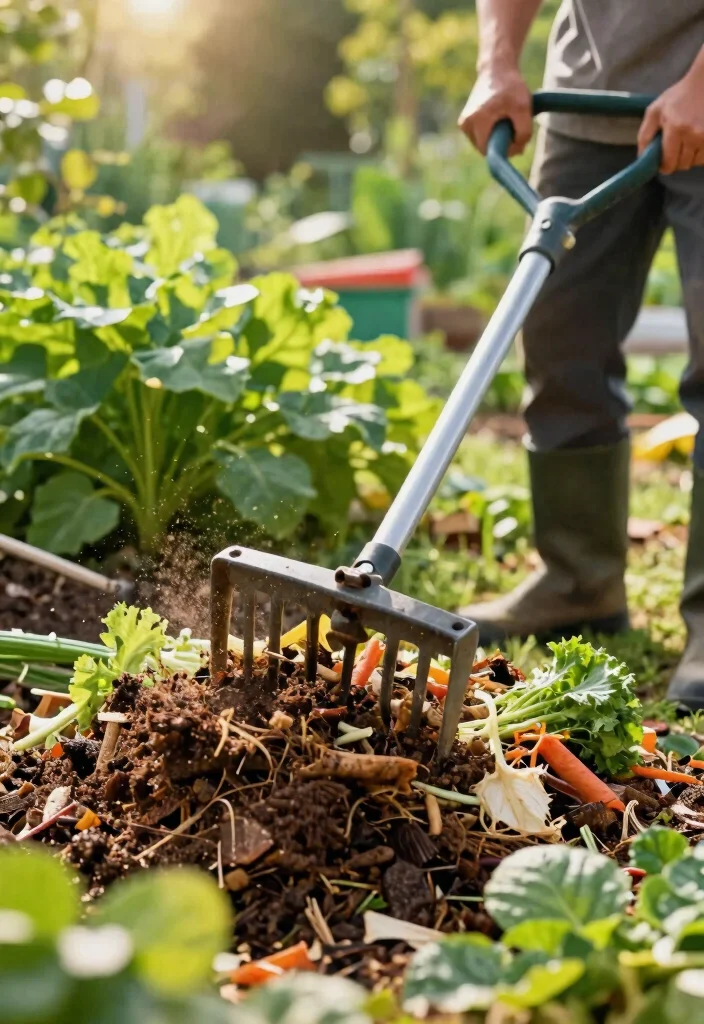
If you’re serious about enhancing your composting process, a compost aerator tool is essential. This handy tool lets you stir and aerate your compost effortlessly, promoting even decomposition. It’s particularly beneficial for larger bins where manual mixing can be challenging.
With a compost aerator, just push it into the pile, twist, and pull it out. This simple action introduces much-needed air while mixing the materials—key to achieving that dark, nutrient-rich compost everyone desires.
Here’s why an aerator is a smart choice:
– It saves time and promotes uniform composting.
– Explore handheld versions or larger, heavy-duty models.
– Use it weekly for best results.
Investing in an aerator tool can significantly boost your composting efficiency, leading to high-quality results.
Fun fact: A quick twist with a compost aerator can boost air pockets by 30% in larger bins, speeding decomposition. When you keep it moving, your compost bin essentials—like this aerator—turn scraps into rich soil faster.
6. Compost Thermometer
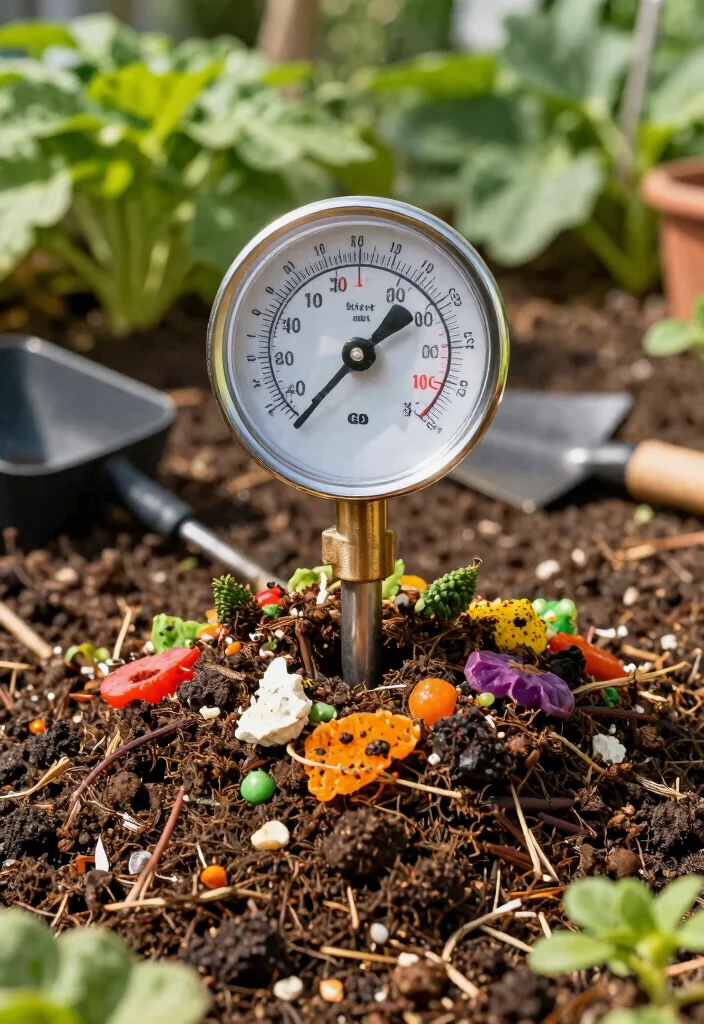
Keeping an eye on your compost’s temperature is crucial for effective breakdown, and a compost thermometer is a valuable tool for this. This specialized thermometer enables you to monitor the internal heat of your compost bin, ensuring optimal microbial activity. Ideal compost temperatures range from 130°F to 160°F (54°C to 71°C).
If you notice a temperature drop, it may be time to add more nitrogen-rich materials or aerate the pile. Regular temperature checks will enhance your composting journey and improve the quality of your end product.
Here’s how to make it work for you:
– Monitoring temperature helps manage the breakdown process.
– Find thermometers at local garden centers or online.
– Insert the thermometer into the center for accurate readings.
Investing in a thermometer, though small, can yield significant improvements in your compost quality.
7. Moisture Management Tools
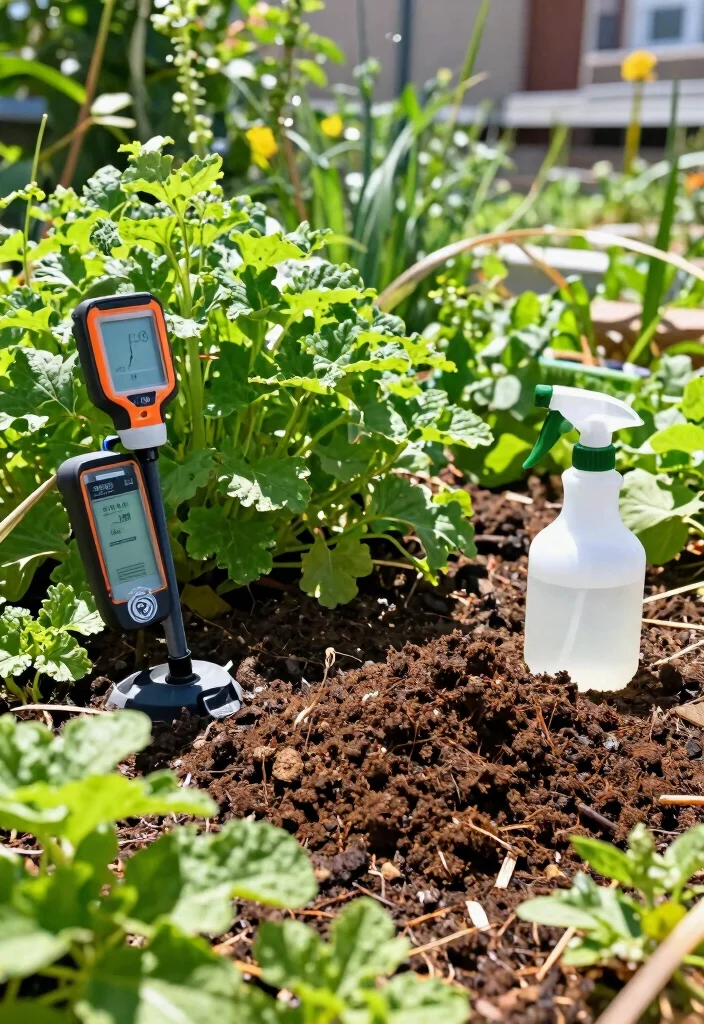
Maintaining the right moisture level is crucial for successful composting. Excess moisture can lead to unpleasant odors and slow down the breakdown process, while too little moisture can hinder microbial activity. A moisture meter can help you monitor the moisture levels in your compost bin. If it’s too dry, add water or moist ingredients; if it’s too wet, incorporate dry materials like shredded paper or leaves.
Here’s why moisture management is key:
– It creates a healthy environment for composting.
– Use a moisture meter or a simple spray bottle for occasional watering.
– Aim for a consistency similar to a wrung-out sponge.
By keeping moisture levels balanced, you’ll enhance microbial activity and promote faster breakdown of your compost materials.
8. Compostable Bins or Bags
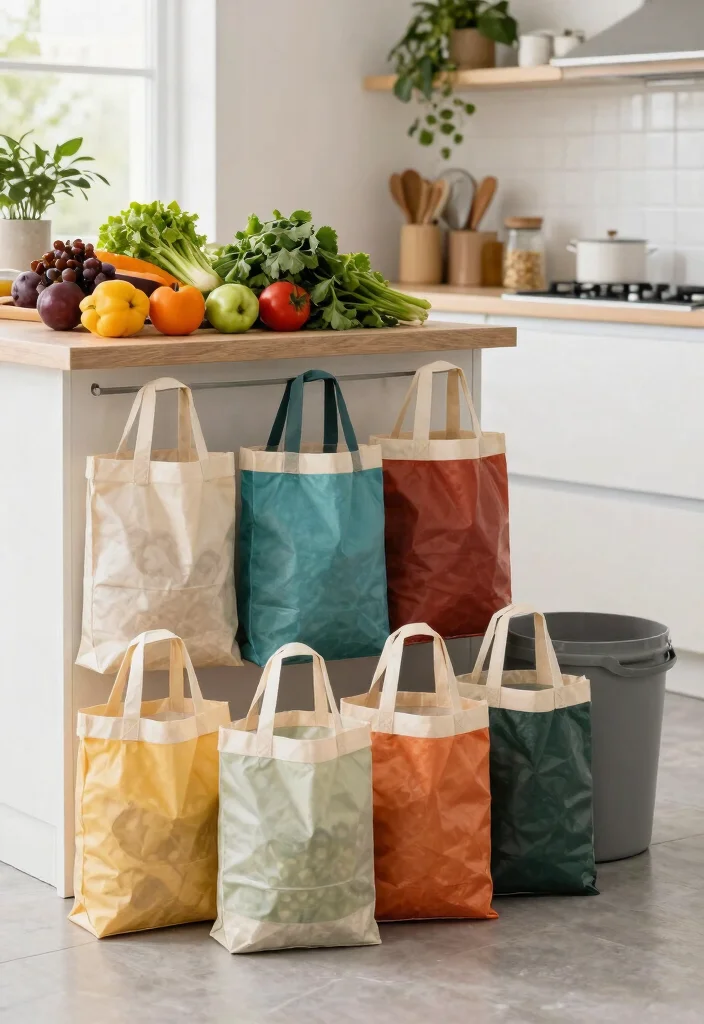
For a hassle-free composting experience, compostable bags or bins are invaluable. These eco-friendly products are designed to decompose along with your waste, offering a convenient way to collect scraps without harming the environment. Look for bags made from plant-based materials or bins that are certified compostable to keep your collection tidy and odor-free.
Here’s how they can simplify your routine:
– Reduce mess and make cleanup easier.
– Find them at eco-friendly shops or online retailers.
– Ensure they meet local composting standards.
Using compostable bags or bins can streamline your composting process and promote sustainable practices.
9. Worms for Vermicomposting
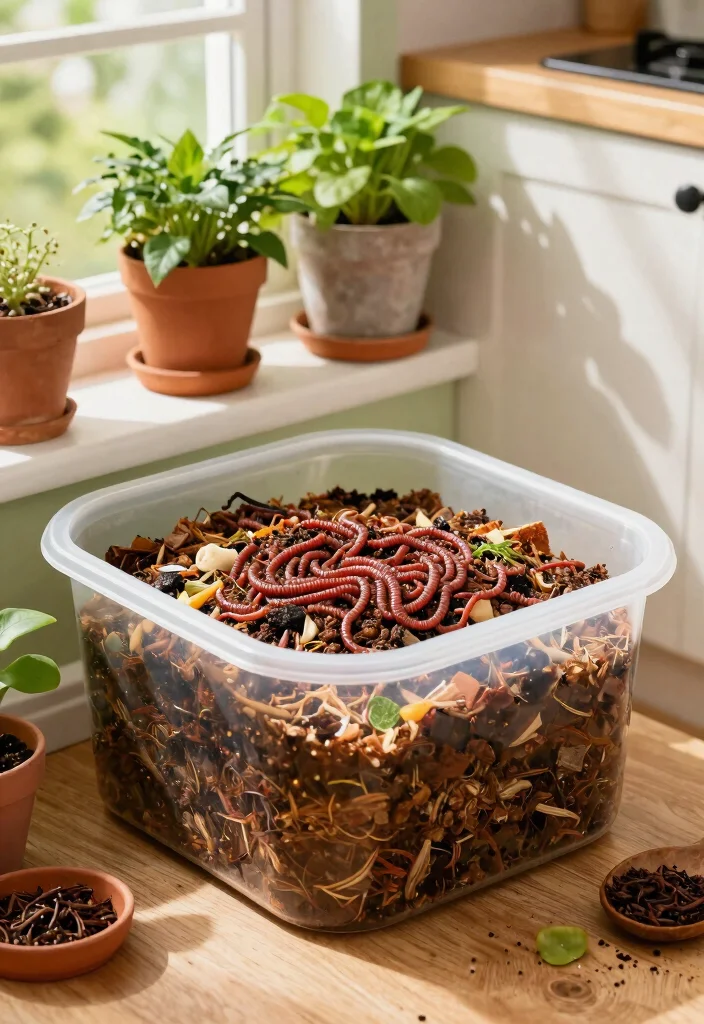
If you’re eager to accelerate your composting process and have a bit of space, consider adding worms through vermicomposting. Worms break down organic materials swiftly while producing nutrient-rich castings that enhance your compost. A dedicated worm bin can fit under your sink or even on your balcony. Red wigglers are the best choice for this task, thriving on kitchen scraps.
Here’s why worms make a difference:
– They boost decomposition and nutrient cycling.
– Create a comfortable habitat with bedding and scraps for your worms.
– Keep the bin moist, but not overly wet, for happy worms.
Adding worms to your composting routine can speed up the process and provide an extra nutrient boost for your plants.
10. A Good Layering Technique
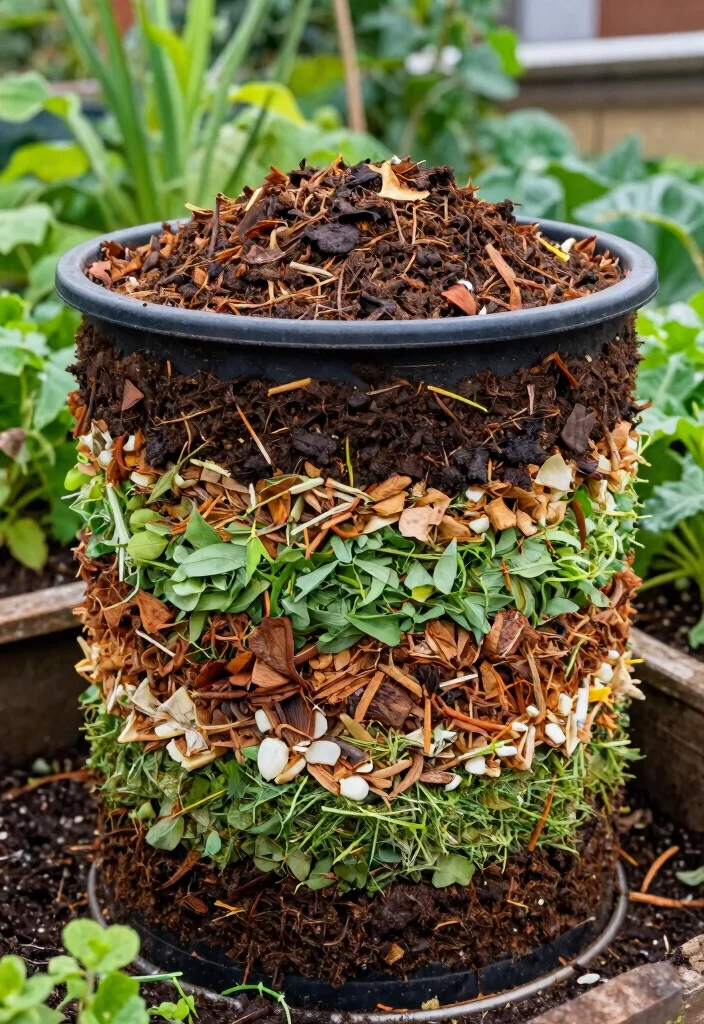
Mastering the layering technique is essential for efficient composting. By alternating between greens and browns, you create a balanced environment that supports microbial activity. Start with coarse materials like straw or twigs at the bottom, followed by greens such as vegetable scraps, and then add browns like shredded paper. Repeat this process, finishing with a final layer of browns to help manage odors and enhance microbial activity.
Here’s how to layer effectively:
– It promotes airflow and decomposition.
– Aim for smaller pieces for faster breakdown.
– Keep your layers around 4-6 inches thick for best results.
Perfecting your layering technique can foster a thriving compost ecosystem and lead to quicker results.
11. Regular Maintenance Routine
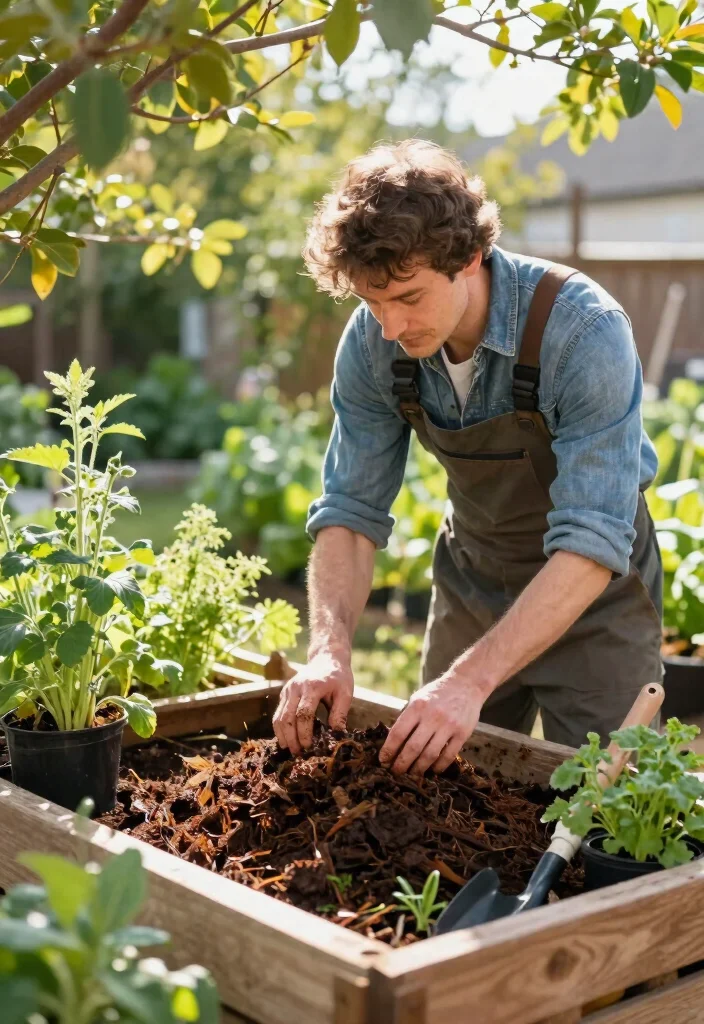
Establishing a regular maintenance routine is vital for successful composting. Check your compost pile weekly to ensure it’s turning, aerated, and at the right moisture level. Turning the pile speeds up the breakdown process and incorporates new materials effectively. Additionally, keep an eye out for unpleasant odors or pests, and adjust your materials or aeration methods as needed.
Here’s how to maintain your compost:
– Aim to turn your compost every 1-2 weeks.
– Look for a rich, earthy smell and dark, crumbly compost as signs of success.
– Keep a compost journal to track your materials and maintenance actions.
Creating a dedicated maintenance routine will help you enjoy the fruits of your composting efforts, nourishing your plants with rich nutrients.
Fun fact: turning your compost bin every 1-2 weeks can speed up breakdown and keep odors at bay, even in small urban spaces. Regular maintenance is your secret weapon—follow these compost bin essentials: monitor moisture, aeration, and pests, and your bin will thank you.
Conclusion
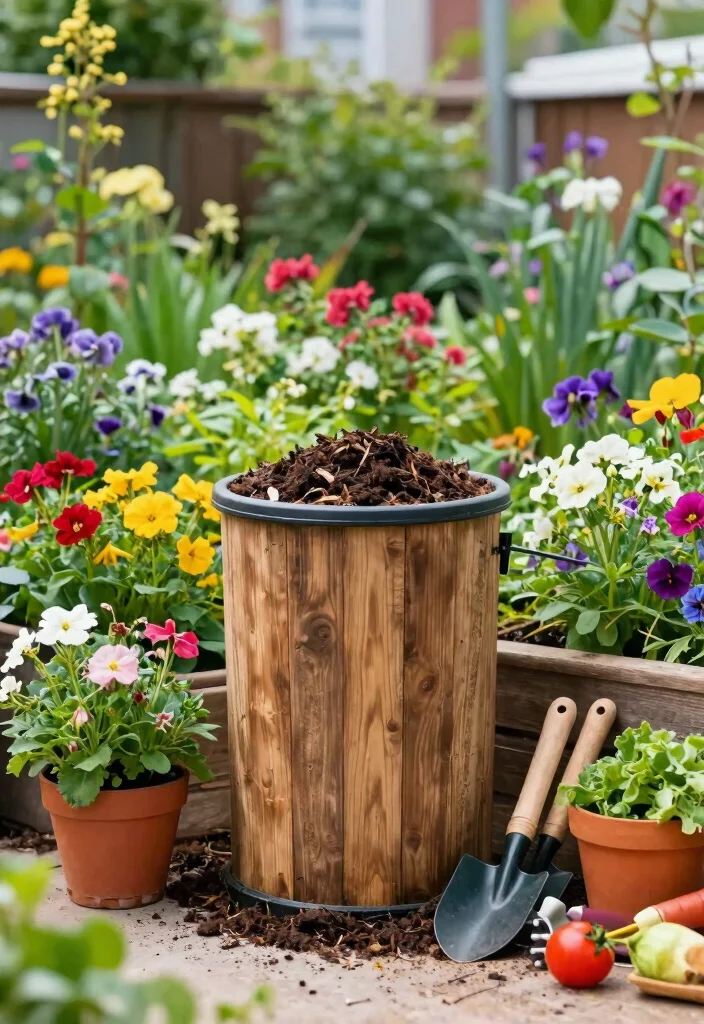
With these 11 compost bin essentials, you’re well on your way to becoming an urban composting pro!
Each item plays a unique role in speeding up the breakdown process while supporting sustainable gardening practices. Embrace the journey of transforming kitchen scraps into nutrient-rich compost that will nourish your plants.
Get started today, and enjoy the satisfaction of reducing waste while enriching your garden!
Note: We aim to provide accurate product links, but some may occasionally expire or become unavailable. If this happens, please search directly on Amazon for the product or a suitable alternative.
This post contains Amazon affiliate links, meaning we may earn a small commission if you purchase through our links, at no extra cost to you.
Frequently Asked Questions
What are the essential compost bin essentials for fast breakdown in a small urban garden?
Great question! Here are the compost bin essentials to speed up breakdown in tight spaces: a compact, pest-resistant bin; built-in aeration (vents or a tumbler); a secure lid; the right size for your waste volume; a simple way to turn or mix; moisture control (keep the mix like a damp sponge); a greens-to-browns balance; durable materials aligned with sustainable gardening practices; easy access for adding waste and removing finished compost; and a practical plan for garden waste management in urban spaces. Routine maintenance like occasional cleaning and avoiding meats and dairy will help prevent odors.
Tip: position the bin for sun and drainage to enhance organic composting in small-area setups.
What are practical composting tips for fast breakdown in urban, small-space setups?
Here are practical composting tips you can use right away: chop or shred kitchen scraps to speed decomposition; alternate greens and browns (don’t pile all greens); keep moisture like a wrung-out sponge; turn or aerate at least weekly; choose a container with good aeration and a lid to maintain warmth; avoid meat, dairy, and oily foods; layer waste so airflow isn’t blocked; if space is ultra-tight, consider a tumbling bin for easier turning; harvest finished compost regularly and reuse in your garden. These steps support garden waste management and accelerate organic composting even on balconies.
Bonus: a small amount of mature compost speeds up the process.
How do I choose the right compost bin for small spaces?
Look for a unit that fits your space and your waste volume. Evaluate compost bin essentials like size, pest resistance, aeration, and ease of turning. For tiny balconies, a tumble-style bin or a compact static bin with vents is ideal. Check durability and materials for sustainable gardening practices. Consider access: can you add waste and harvest finished compost without moving the whole unit? Think about odor control and whether you need leachate drainage. Also, read reviews on maintenance and cleaning. With these factors, you’ll pick a bin that supports efficient organic composting in urban settings.
Pro tip: start with a smaller bin and scale up if your supply grows.
What maintenance tips help keep a compost bin odor-free in an apartment or small yard?
Great question. To keep odors and pests at bay, follow regular compost bin maintenance: monitor moisture (add dry browns when it’s too wet); ensure adequate aeration and occasional turning; keep a balance of greens and browns; layer waste to avoid compacting; chop scraps to speed breakdown; keep the lid on when not turning; clean the interior every month with a rinse to reduce residue; avoid dairy, meat, and oily foods; store near a drain or easy spray area for cleaning; use finished compost promptly to prevent stale buildup. These practices support garden waste management and sustainable gardening practices.
Optional: a carbon filter or mesh vent can further reduce odors.
How can composting fit into a sustainable urban gardening plan?
Composting is a cornerstone of sustainable gardening practices. It turns kitchen and yard waste into valuable organic composting you can feed your soil, reducing trash and lowering your carbon footprint. For garden waste management, set a routine: collect greens and browns, maintain moisture and aeration, and harvest compost regularly for use in containers or raised beds. In small spaces, link your compost bin to your watering and pruning schedule so you always have a ready supply of soil amendments. This creates a closed loop that enriches soil health, reduces landfill waste, and supports a healthier urban garden.
Tip: label bins for easy turnaround and rotate stock to avoid stagnation.
![9 Essential Compost Bin Maintenance Tips [No Bad Smells]](https://huserie.com/wp-content/uploads/2026/04/9-Essential-Compost-Bin-Maintenance-Tips-No-Bad-Smells-150x150.webp)

![15 Stunning Inflatable Pool Deck Ideas [Make It Look Built In]](https://huserie.com/wp-content/uploads/2026/04/15-Stunning-Inflatable-Pool-Deck-Ideas-Make-It-Look-Built-In-150x150.webp)