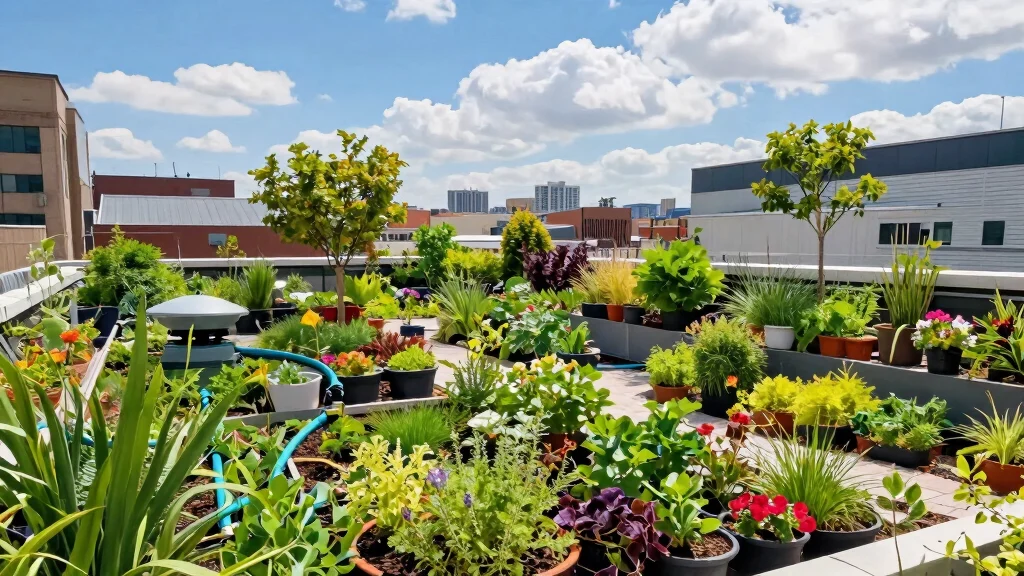
Gardening on urban rooftops is more than just a trend; it’s a passion for many city dwellers seeking a slice of nature in their busy lives. As the seasons change, the desire to keep your plants lush and thriving grows stronger. This post comes from a genuine need to address the challenge of watering those rooftop gardens efficiently. If you’ve ever struggled to keep your plants hydrated while juggling a busy schedule, you’re not alone. I created this guide to offer some innovative solutions that make automatic watering a breeze.
If you’re a city gardener, a balcony enthusiast, or someone simply looking to enhance your green space, this post is tailored for you. Urban gardening presents unique challenges, especially when it comes to maintaining proper hydration for your plants. You care about creating an oasis that flourishes with minimal effort because, let’s face it, we all want more time to enjoy our gardens rather than labor over them. In this post, you’ll discover 11 smart garden irrigation hose ideas designed to simplify your watering routine, save on water use, and keep your plants thriving.
By exploring these smart irrigation solutions, you’ll gain insights on automatic watering systems, drip irrigation techniques, and handy garden hose accessories. Each idea is crafted to help you conserve water while providing efficient hydration for your plants, making your gardening experience more enjoyable. Get ready to dive into a world of effortless watering that brings your rooftop garden to life!
Key Takeaways
– Discover how a smart hose timer can automate your watering schedule and save time.
– Learn about drip irrigation systems and how they deliver water directly to the roots, minimizing waste.
– Find out the benefits of using soaker hoses for deep, even watering, perfect for various plant types.
– Explore soil moisture sensors that help you monitor your garden’s hydration needs effectively.
– Get tips on water conservation education to ensure your rooftop garden remains sustainable and eco-friendly.
1. Smart Hose Timer
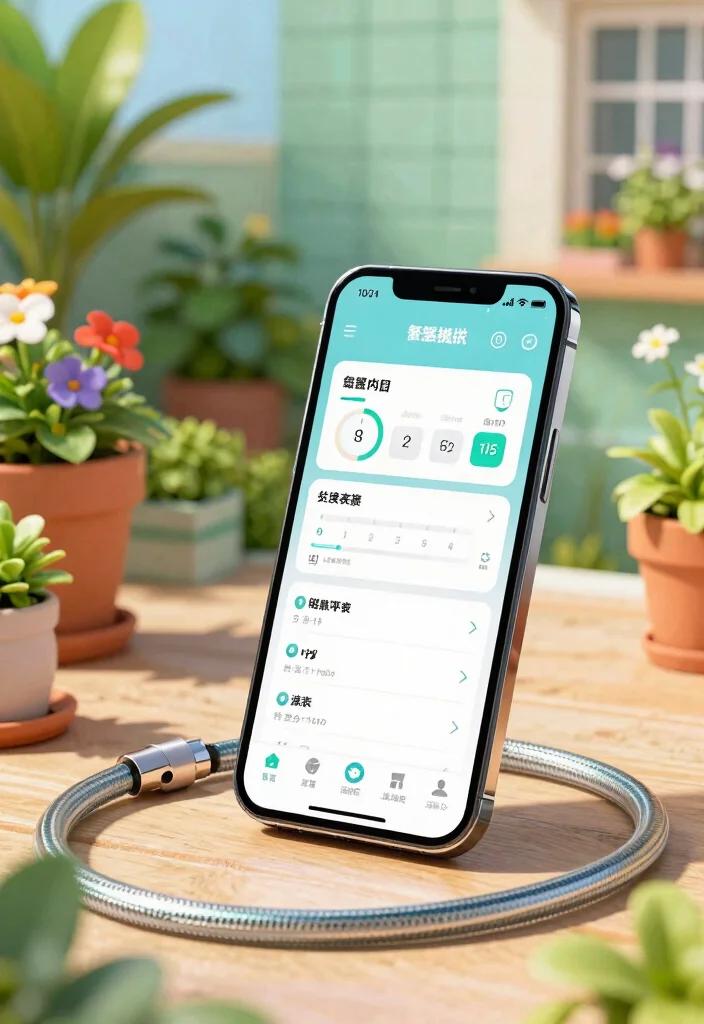
A smart hose timer is your best friend if you’re juggling a busy life and a love for gardening. Imagine controlling your watering schedule directly from your smartphone! These timers can be set to activate at specific times, ensuring your plants get just the right amount of hydration without your constant oversight. Look for options that let you customize watering times based on different garden areas and those equipped with rain delay features to prevent overwatering.
Begin by selecting a timer that fits your current hose setup. Regularly check the settings to adapt to changing weather conditions. For even better results, consider pairing your timer with soil moisture sensors for precise watering.
Key features to explore:
– Set schedules easily via smartphone app.
– Customize watering duration for specific plants.
– Include rain delay options to save water.
These timers streamline your watering routine and contribute to sustainable gardening practices, making them perfect for eco-conscious urban dwellers.
2. Drip Irrigation Systems
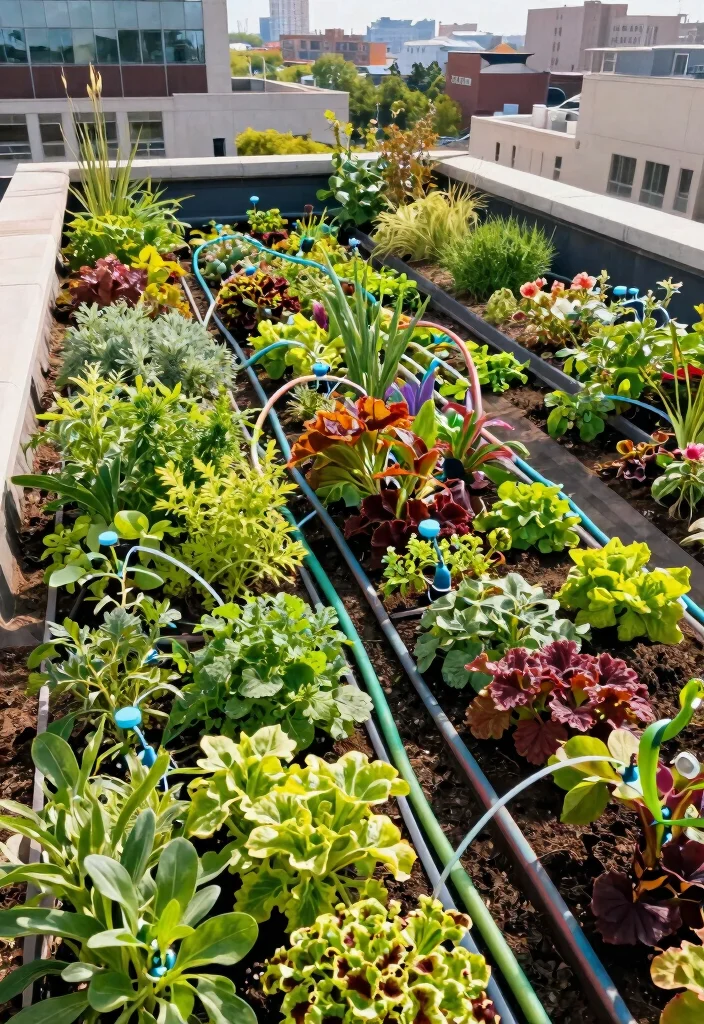
Drip irrigation is the key to delivering water directly to plant roots efficiently. This method allows you to control the exact amount of water each plant receives, making it ideal for urban gardens with limited resources. Setting up a drip system involves laying out tubing with emitters that dispense water slowly and steadily, ensuring your plants thrive.
To get started, plan your layout based on plant types and garden design. Connect the main hose to a water source and distribute smaller hoses to each plant, adjusting the emitters as needed.
Benefits of drip irrigation include:
– Significantly reduces water waste.
– Limits weed growth since only plants receive water.
– Easily customizable for varying plant needs.
This system not only conserves water but also promotes healthy plant growth, making it a must-have for urban gardeners.
Fun fact: Drip irrigation, one of the garden irrigation hose ideas, can cut water use by 30–50% by delivering moisture right to roots. Plan your layout by plant needs, connect the main hose, and place emitters for steady, targeted watering—perfect for tight urban rooftops.
3. Soaker Hoses
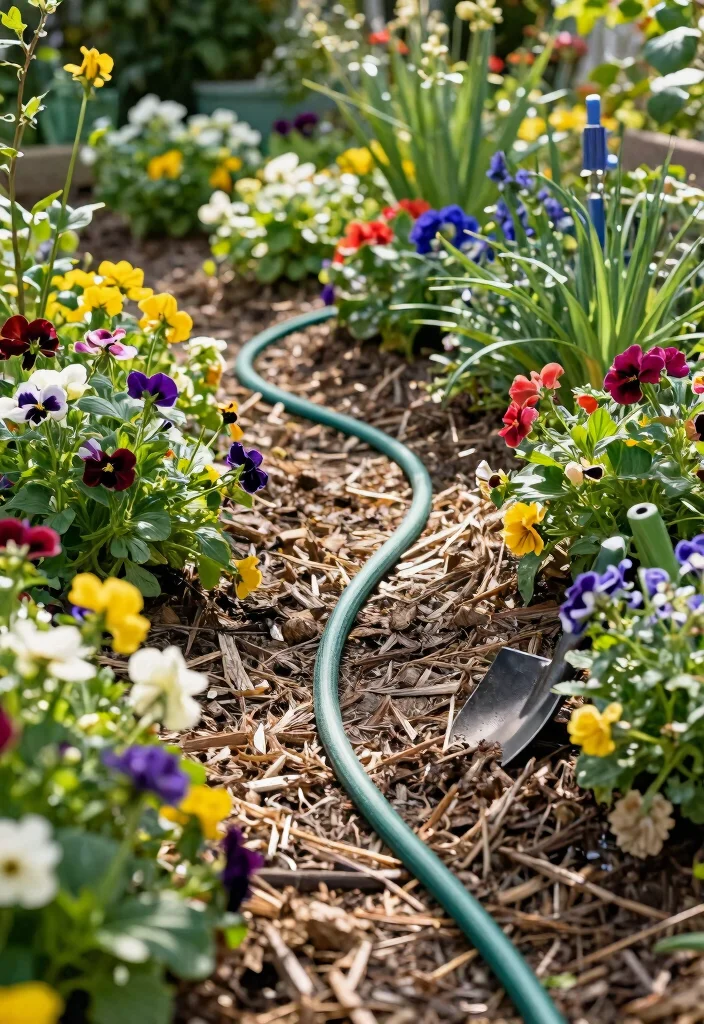
Soaker hoses are a fantastic solution for larger urban gardens, providing a gentle and efficient way to water your plants. These porous hoses slowly release water along their length, ensuring even hydration where needed. They’re easy to set up and require minimal maintenance, fitting seamlessly into various garden layouts.
To use, simply lay the soaker hose along the soil surface, connect it to a water source, and adjust the pressure for the desired flow rate.
Benefits of using soaker hoses:
– Conserves water by minimizing evaporation.
– Ideal for both vegetable gardens and flower beds.
– Can be topped with mulch for better moisture retention.
By incorporating soaker hoses, you’ll ensure your plants stay hydrated while also saving on water costs.
4. Hose Reel Systems
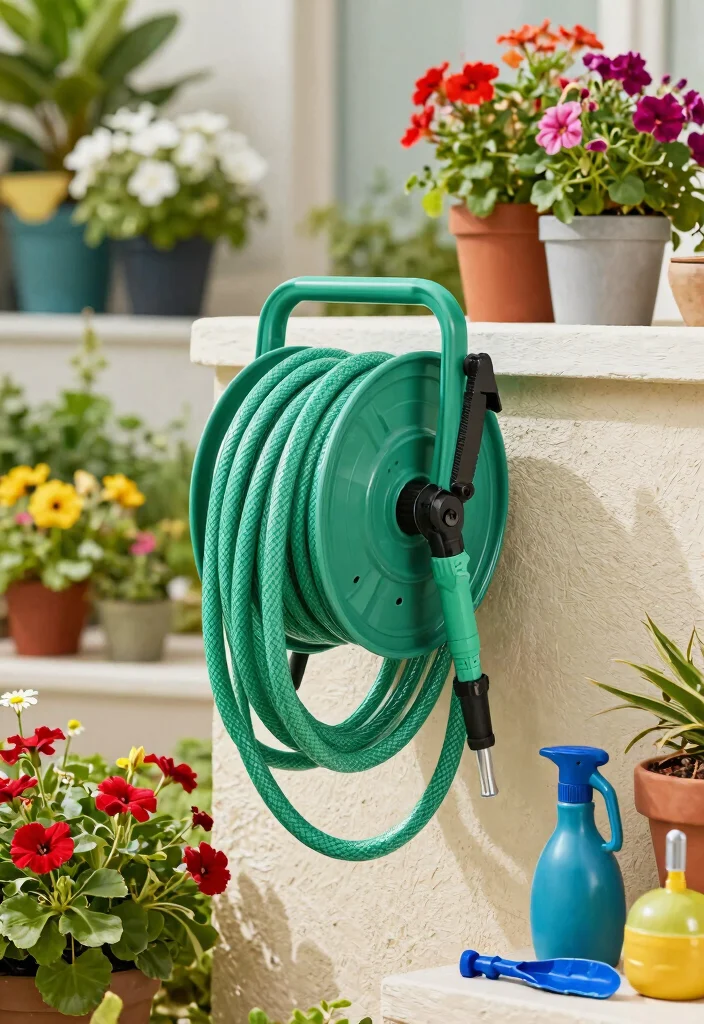
Keeping your garden hoses organized can be a real challenge without the right tools. Hose reel systems provide an effective solution for urban gardeners, ensuring your hoses remain tidy and easily accessible. These reels allow for quick winding and unwinding, eliminating frustrating twists and kinks that waste water.
When selecting a hose reel, choose one that fits your garden size and needs. Look for models made from durable materials to withstand outdoor conditions.
Key features to consider:
– Opt for a size that matches your garden dimensions.
– Choose durable models for long-lasting use.
– Some come with automatic rewind for added convenience.
A hose reel system not only simplifies your watering tasks but also enhances the overall appearance of your garden.
5. Garden Hose Accessories
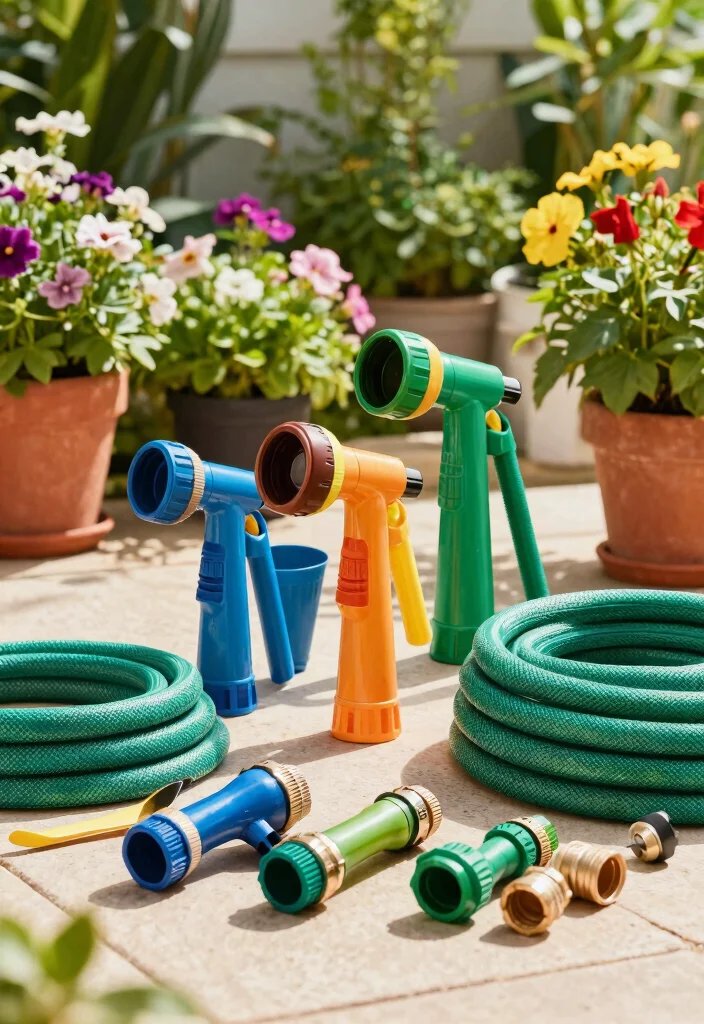
Upgrading your watering system with the right accessories can dramatically improve your gardening experience. From specialized connectors to adjustable nozzles, these tools cater to your unique garden requirements. Spray nozzles, for instance, allow you to switch between gentle mists for delicate plants and strong streams for more robust ones.
Investing in quality accessories ensures that your watering system meets the demands of your garden effectively.
Essential accessories to consider:
– Use hose connectors for quick assembly and disassembly.
– Choose nozzles with adjustable settings for versatility.
– Incorporate hose timers for precise watering control.
By enhancing your irrigation setup, you’ll optimize your gardening efforts and maintain healthy plants.
6. Automated Sprinkler Systems
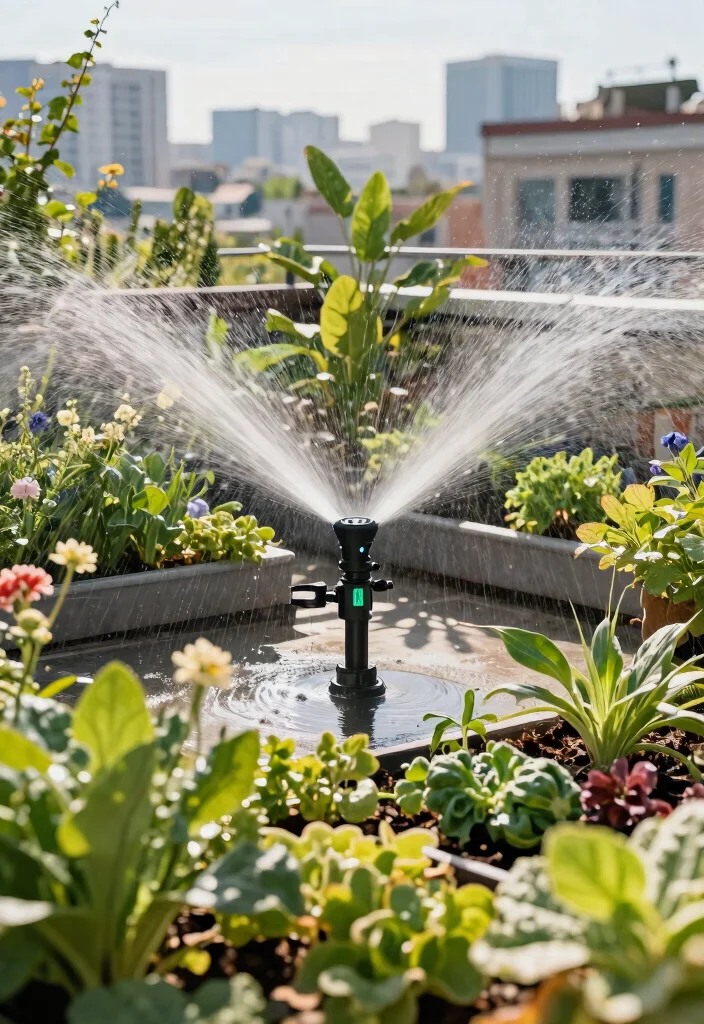
If your urban garden is larger, automated sprinkler systems offer a comprehensive solution for efficient watering. These systems can be programmed to water specific areas at designated times, ensuring thorough coverage while conserving water. Some models even have weather sensors that adjust the watering schedule based on rainfall for maximum efficiency.
When choosing a system, look for options that allow customization for different garden zones. Ensure compatibility with smart home devices for easy remote control.
Key features to check:
– Programmability for various zones in your garden.
– Smart home compatibility for added convenience.
– Adjustable spray patterns to meet diverse plant needs.
Integrating an automated system saves you time and effort while promoting a healthier, well-watered garden.
❝ Fun fact: Automated sprinkler systems with weather sensors can cut water use by up to 30% and boost your garden irrigation hose ideas for rooftop gardens. Plan zones, schedule smartly, and connect to your smart home for hands-off, efficient watering.
7. Rainwater Harvesting
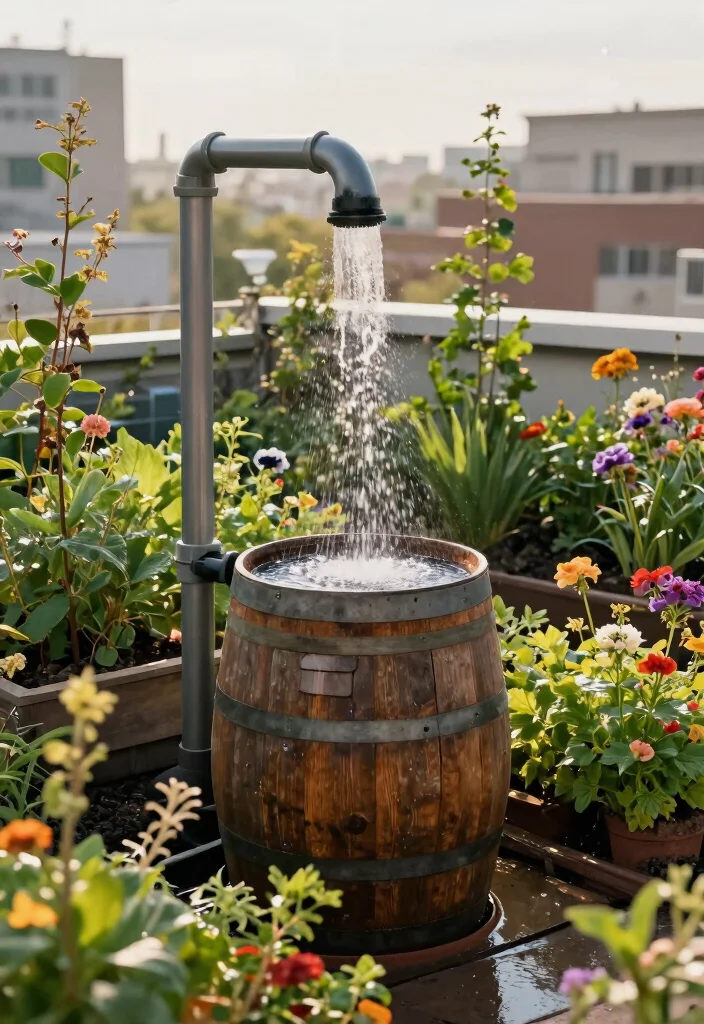
Utilizing natural resources is an eco-friendly way to sustain your urban garden. Rainwater harvesting systems enable you to collect and store rainwater for later use, cutting down on your water bill and conserving precious resources. Setting up a simple barrel connected to your gutters is an effective DIY project that allows you to make the most of rainfall for irrigation.
To maximize efficiency, regularly clean your collection system to ensure high-quality water.
Advantages of rainwater harvesting:
– Provides natural, untreated water beneficial for plants.
– Reduces runoff and erosion in urban areas.
– Pairs well with drip irrigation for optimal watering.
By embracing rainwater harvesting, you’ll create a sustainable watering solution that benefits both your garden and the environment.
8. Soil Moisture Sensors
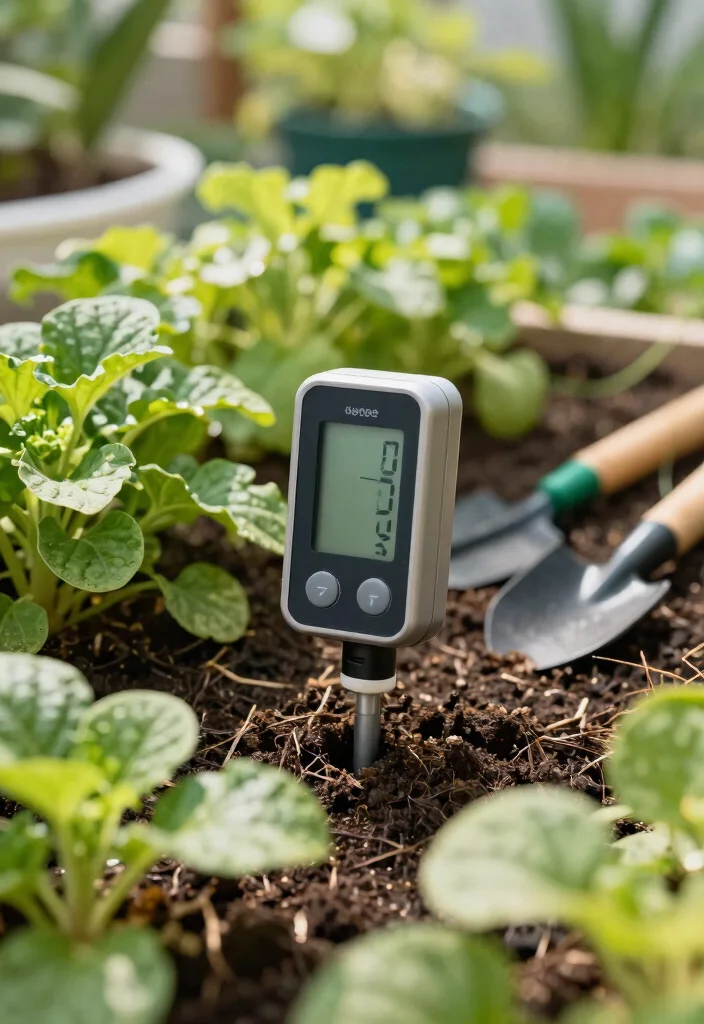
To enhance your watering strategy, soil moisture sensors are invaluable tools. These devices provide real-time data on soil moisture levels, allowing you to know exactly when to water your plants. Many sensors come with smart connectivity options, sending alerts to your smartphone for precise watering without guesswork.
Incorporating these sensors into your gardening routine can help you achieve healthier plants.
Benefits of soil moisture sensors:
– Prevents over- and under-watering, promoting plant health.
– Can be integrated with irrigation systems for automation.
– Offers insights into soil health over time.
Using sensors allows you to tailor your watering approach, ensuring your plants receive just what they need.
Fun fact: Soil moisture sensors cut overwatering by up to 50% in smart garden irrigation hose setups. They give real-time data and send smartphone alerts, so you water only when your rooftop garden truly needs it. Say hello to healthier plants and smarter garden irrigation hose ideas.
9. Adaptive Watering Plans
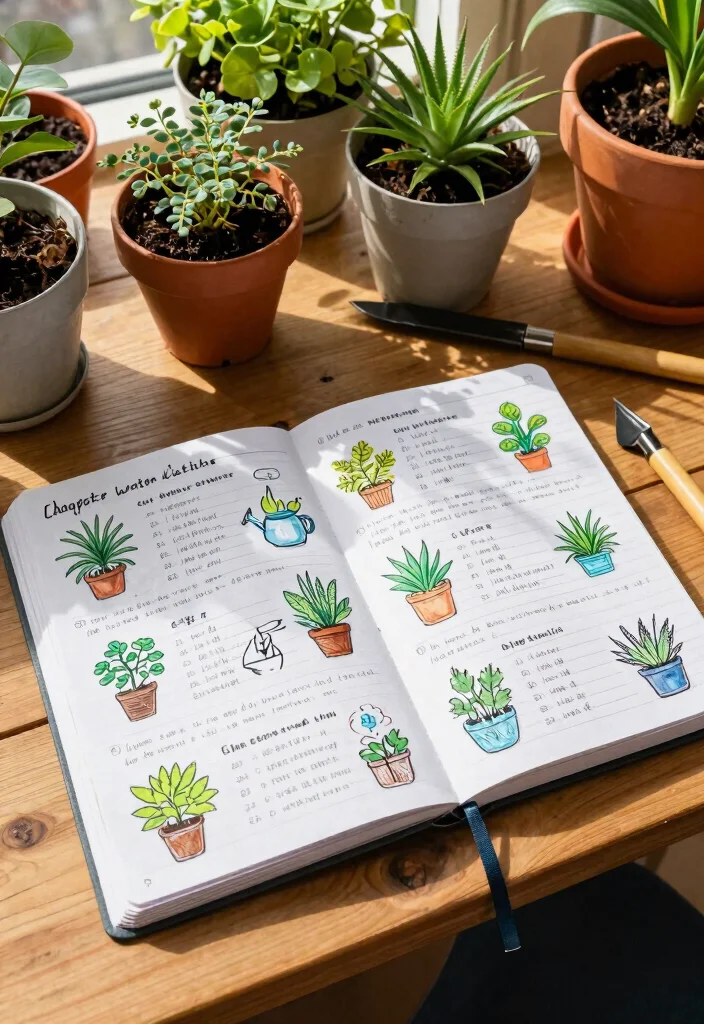
Creating adaptive watering plans is essential for a thriving urban garden. Seasonal changes, weather conditions, and plant types all affect how much water your garden requires. By regularly assessing these factors, you can adjust your watering schedule to ensure each plant receives the care it needs.
Monitor soil moisture levels frequently and adjust watering times based on forecasts. Grouping plants with similar watering needs can enhance efficiency.
Tips for developing adaptive plans:
– Regularly check soil moisture using sensors.
– Adjust duration based on weather predictions.
– Group plants with similar needs for effective watering.
Being proactive in your watering approach helps conserve water while supporting plant health.
Key Trade-offs & Our Top Pick
1. Smart Hose Timer
– Pros:
– Allows for precise control of watering schedules.
– Can save water by reducing overwatering.
– Cons:
– May require a Wi-Fi connection for full functionality.
– Some models might be complicated to set up.
– Best for: Those wanting a simple way to automate their watering schedule without complicated systems.
2. Drip Irrigation Systems
– Pros:
– Delivers water directly to the plant roots, reducing evaporation.
– Reduces water waste significantly.
– Cons:
– Initial installation can be labor-intensive.
– May require maintenance to avoid clogs.
– Best for: Urban gardeners with limited space who want to ensure water goes directly where it’s needed.
3. Soaker Hoses
– Pros:
– Simple to use; just lay them out in the garden.
– They can cover large areas with even water distribution.
– Cons:
– Not as precise as drip systems.
– May need to be replaced more frequently than other options.
– Best for: Gardeners looking for an easy, low-cost solution for watering larger areas.
4. Automated Sprinkler Systems
– Pros:
– Great for covering large lawns and gardens quickly.
– Can be programmed for different zones and times.
– Cons:
– Higher upfront cost compared to other options.
– Requires professional installation for the best setup.
– Best for: Homeowners with larger outdoor spaces wanting a comprehensive automated solution.
5. Soil Moisture Sensors
– Pros:
– Provides real-time data, preventing overwatering.
– Can be integrated with other irrigation systems for efficiency.
– Cons:
– May require regular calibration.
– Needs a power source for operation.
– Best for: Tech-savvy gardeners who want to optimize their watering based on actual soil conditions.
Best Overall: Drip Irrigation Systems
The drip irrigation system stands out as the best choice for most urban gardeners. It provides excellent value for money by conserving water and ensuring that plants receive the moisture they need right at the roots. Its versatility allows it to fit into various garden setups, whether on a rooftop or in a backyard. Plus, while installation might take some effort, the long-term durability and water savings make it worthwhile.
Why We Picked This:
We understand that some may prefer the simplicity of soaker hoses or the straightforward operation of a smart hose timer. If you have a smaller garden, these options could be more appealing. However, for those looking to maximize water conservation and ensure efficient watering, drip irrigation is hard to beat.
10. Greenhouse Watering Systems
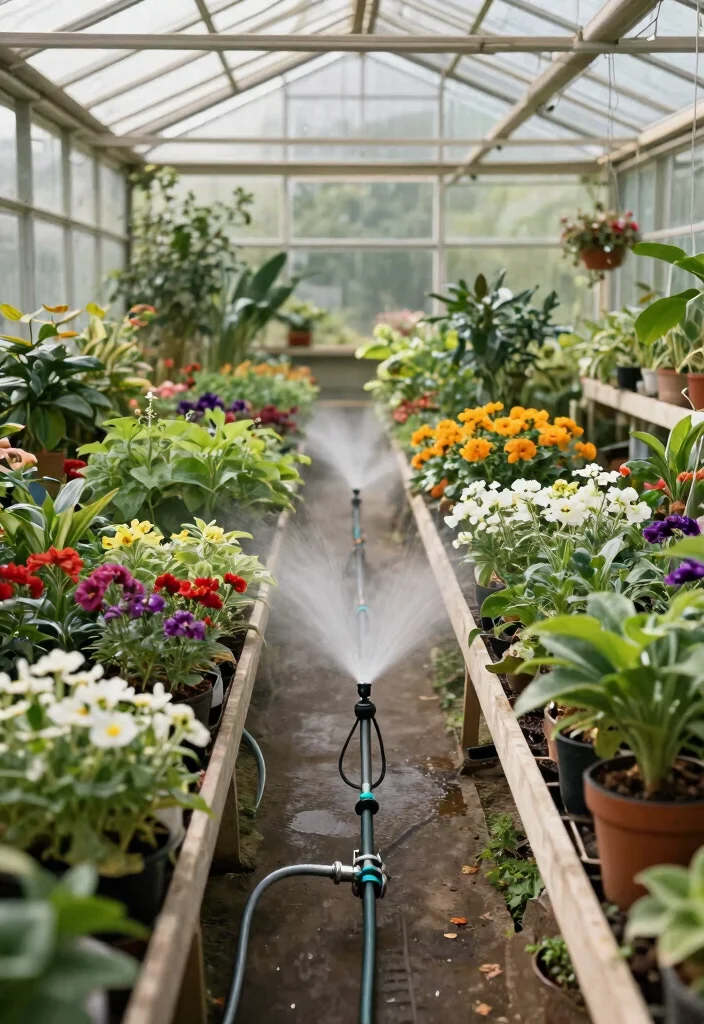
If you have a greenhouse in your urban garden, efficient watering becomes even more vital. Greenhouses create unique microclimates, requiring tailored watering solutions to keep your plants healthy. Installing a dedicated irrigation system designed for greenhouses ensures consistent moisture levels and minimizes the risk of fungal diseases.
Consider using misting systems for delicate seedlings and incorporating shade cloth to manage temperature and water needs.
Important considerations for greenhouse watering:
– Use misting systems to nurture fragile plants.
– Incorporate shade cloth for temperature control.
– Monitor humidity to prevent overwatering.
These systems enhance your greenhouse environment, leading to more productive plant growth.
11. Water Conservation Education
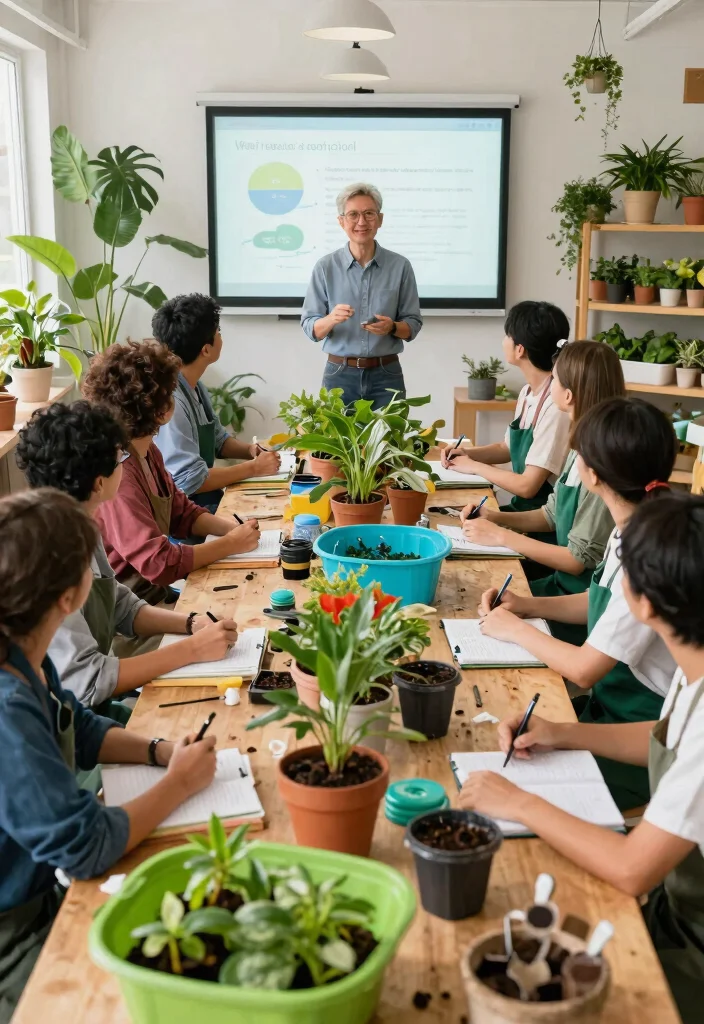
Understanding water conservation is crucial for every urban gardener. Knowing how much water your plants need and the best ways to deliver it can significantly enhance your gardening success. Engaging in workshops or online courses can provide valuable insights into efficient watering practices and the latest technologies.
By educating yourself, you can become a leader in efficient irrigation methods and inspire others in your community.
Ways to expand your knowledge:
– Join local gardening groups focused on sustainability.
– Follow blogs dedicated to smart irrigation techniques.
– Experiment with different watering methods to find what works best.
Prioritizing education will empower you to adopt efficient practices and make a positive impact on your gardening community.
Conclusion
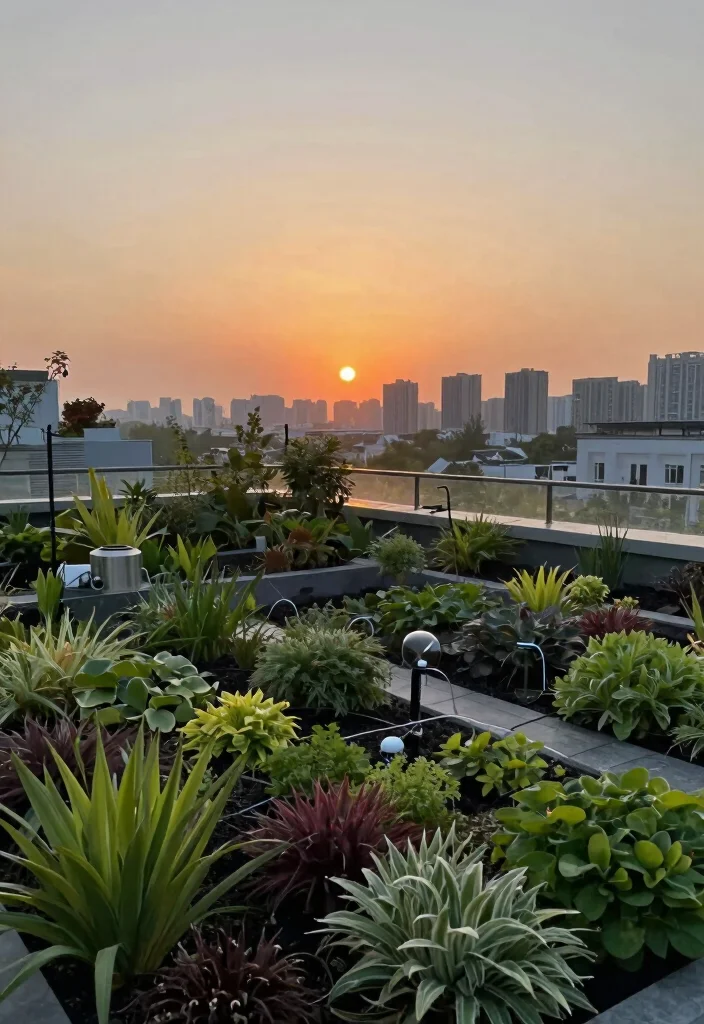
Implementing smart garden irrigation hose ideas can transform your urban garden into a thriving oasis.
By embracing automatic watering systems and innovative techniques, you’ll save time, conserve water, and nurture your plants more effectively.
As you explore these options, remember that every little effort contributes to a more sustainable gardening practice.
Note: We aim to provide accurate product links, but some may occasionally expire or become unavailable. If this happens, please search directly on Amazon for the product or a suitable alternative.
This post contains Amazon affiliate links, meaning we may earn a small commission if you purchase through our links, at no extra cost to you.
Frequently Asked Questions
What are the best garden irrigation hose ideas for automatic watering on a rooftop garden?
Rooftop gardens demand compact, reliable gear. Use a lightweight, kink‑resistant garden irrigation hose ideas that are compatible with automatic watering systems, plus a timer or smart controller. Add drip tubing or micro‑sprinklers to reach planters and containers without wasting water.
For water conservation, pair your setup with a rain barrel or inline flow regulator and water during cool morning hours to minimize evaporation. This keeps your rooftop needs aligned with efficient irrigation methods and the other garden hose accessories you’ll want.
Finish with versatile quick‑connects and other garden hose accessories to reconfigure coverage as your rooftop garden evolves.
How can I set up an automatic watering system on a rooftop garden using a garden hose?
Start with a sturdy hose and attach a timer or smart controller so you can schedule watering. Run drip irrigation techniques lines or install micro‑sprinklers over pots and edging beds, then secure everything with practical garden hose accessories to keep the setup tidy.
Test your system and adjust emitter spacing to ensure even coverage. For efficiency, water during the early morning, use a pressure regulator if your water pressure is high, and consider a rain barrel to cut mains water use. Don’t forget an anti‑siphon device to protect your growing beds while using automatic watering systems.
What drip irrigation techniques work best with garden irrigation hoses in small urban spaces?
Use small‑diameter drip tubing laid along planter rows, with emitter spacing chosen by plant type (seedlings often need 0.4–0.6 GPH; established plants can use around 1 GPH). Use pressure‑compensating emitters on uneven rooftop surfaces to avoid dry patches. Tie lines to a main hose with clean fittings to keep the setup tidy and scalable in compact urban spaces.
Flush lines regularly to prevent clogging and adjust as your rooftop layout changes. These tips align with practical drip irrigation techniques for urban gardens.
What garden hose accessories help improve efficiency and water conservation?
Consider an inline filter to keep emitters clear, a pressure regulator to prevent over‑watering, and a hose end timer for precise runs. Quick‑connect fittings and anti‑siphon valves reduce water waste and make it easy to switch components as your rooftop layout evolves. Pair with a low‑drain nozzle for targeted watering rather than broad spray.
All of these garden hose accessories support efficient irrigation methods for smart rooftop setups.
How can I maximize water conservation when using a garden irrigation hose for a rooftop garden?
Start by watering during the cool hours of the morning to reduce evaporation. Create zones for containers, edging greens, and vertical planters so you only water what needs it. Use mulch to retain moisture and connect to a rain barrel or water collection system to capture rain for irrigation. Follow water conservation tips by using drip irrigation and smart timing for automatic watering systems that minimize waste.
Regularly inspect hoses, emitters, and connections for leaks to conserve water and extend system life.
![9 Essential Compost Bin Maintenance Tips [No Bad Smells]](https://huserie.com/wp-content/uploads/2026/04/9-Essential-Compost-Bin-Maintenance-Tips-No-Bad-Smells-150x150.webp)
![15 Stunning Inflatable Pool Deck Ideas [Make It Look Built In]](https://huserie.com/wp-content/uploads/2026/04/15-Stunning-Inflatable-Pool-Deck-Ideas-Make-It-Look-Built-In-150x150.webp)