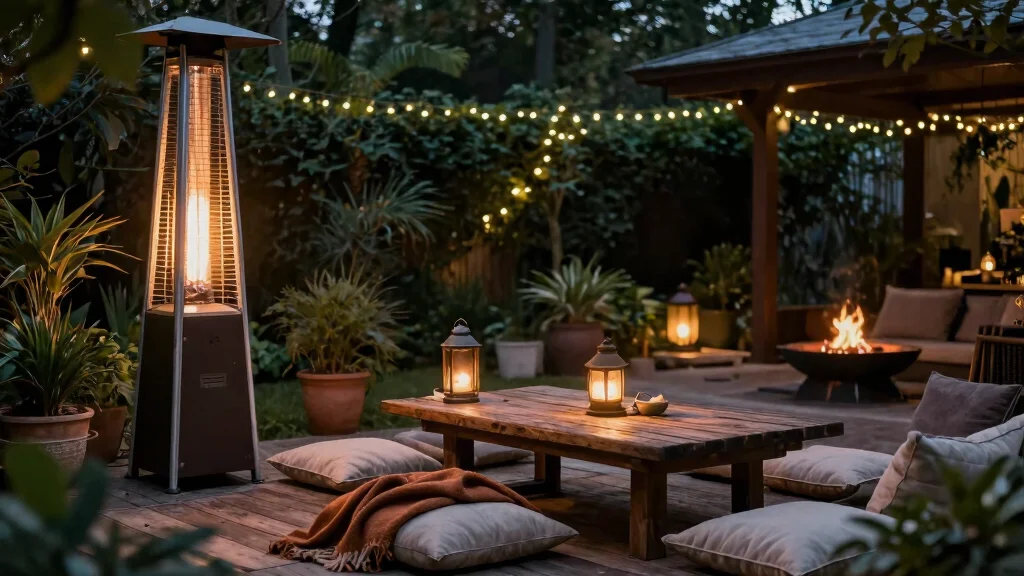
As the chill of the evening air settles in, you might find yourself craving a cozy outdoor gathering with friends and family. There’s something magical about enjoying the warmth of a patio heater while sharing stories under the stars. But before you fire it up, safety should be at the forefront of your mind. I created this post to help you understand the essential patio heater safety tips that every owner needs to know.
If you love spending time in your outdoor living space but worry about potential hazards, this guide is just for you. Whether you’re a seasoned host or new to outdoor heating, these tips will not only keep you safe but also enhance your overall experience. You’ll learn how to choose the right location for your heater, maintain it properly, and avoid common mistakes that could lead to accidents.
Get ready to discover nine crucial safety tips that are practical, straightforward, and will set you up for many cozy nights outside. Let’s make sure you can enjoy your patio heater without unnecessary worry!
Key Takeaways
– Location Matters: Always place your patio heater at least three feet away from flammable objects to reduce fire risks. This includes furniture, plants, and overhanging awnings.
– Regular Maintenance Required: Inspect your heater regularly for any signs of wear and tear. A well-maintained heater operates more safely and efficiently.
– Manufacturer’s Guidelines: Always follow the manufacturer’s instructions for installation and use. Each model may have specific recommendations that are crucial for safe operation.
– Supervise Children and Pets: Always keep an eye on children and pets when using a patio heater. Their curiosity can lead to accidents if not monitored.
– Proper Storage and Use: Turn off your heater when not in use, and store it properly during off-seasons to prolong its lifespan and ensure safety for future use.
1. Choose the Right Location
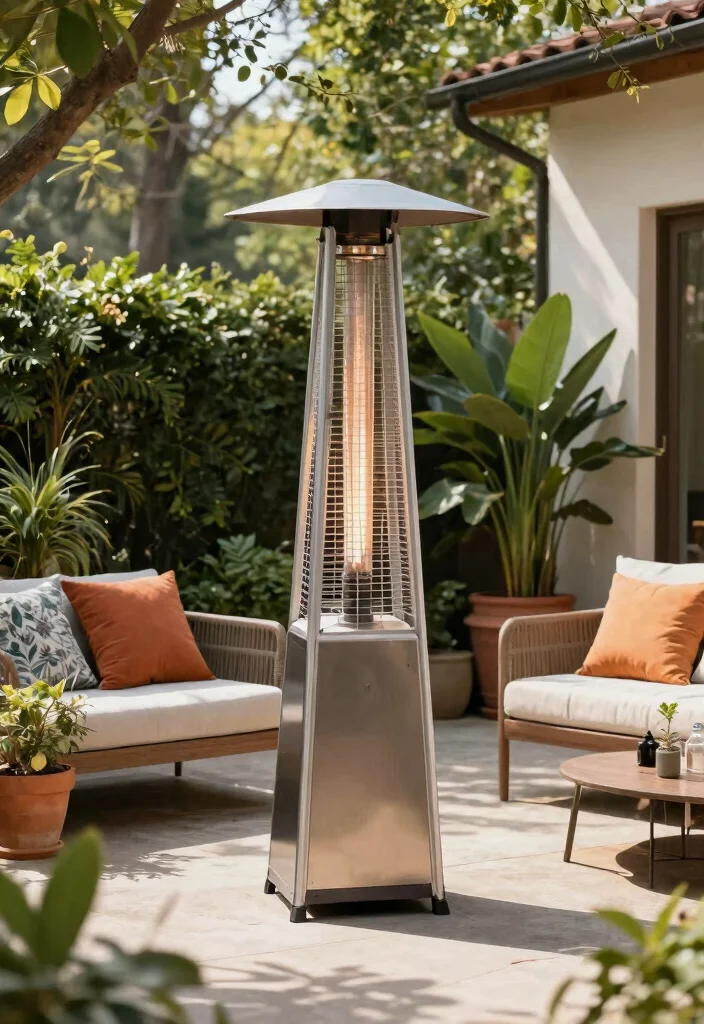
Finding the ideal spot for your patio heater is essential for safety and enjoyment. Make sure to position your heater at least three feet away from any flammable items, like furniture or decorations. This distance minimizes fire risks, allowing you to bask in warmth without fear.
Also, think about wind direction. A sheltered area can help maintain the flame and keep sparks from flying. Be cautious of overhead items like umbrellas that could catch fire if they get too close.
Key considerations for placement:
– Ensure clear pathways for easy movement around the heater.
– Avoid enclosed spots to allow for proper ventilation.
– Set it on flat surfaces for stability and to prevent tipping.
By carefully selecting the right location, you create a safe and inviting outdoor space for gatherings.
2. Regular Maintenance is Key
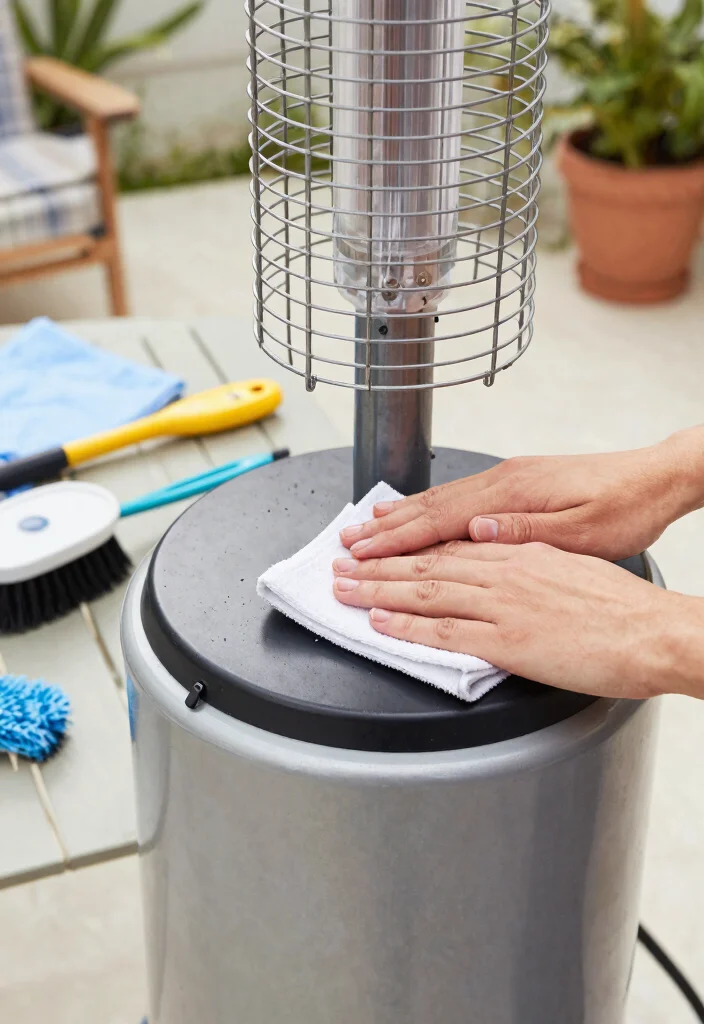
Your patio heater requires consistent maintenance to operate effectively and safely. Begin with a thorough inspection before each heating season. Look for any damage to heating elements, gas lines, or electrical parts. This proactive check ensures your heater is ready for cozy nights ahead.
Cleaning is another important maintenance step. Dust and debris can accumulate, affecting performance. Wipe down the exterior with a soft cloth and mild soap, and clear the burner area to keep it functioning well.
Maintenance tips to follow:
– Watch for rust, especially in outdoor conditions, to extend your heater’s life.
– Inspect gas connections for tightness and leaks.
– Store indoors during extreme weather to protect your investment.
Staying on top of maintenance boosts both performance and safety, giving you peace of mind while enjoying the outdoors.
Fun fact: Regular maintenance is one of the patio heater safety tips every owner should follow. It can reduce downtime by up to 30% and extend burner life. Before each season, inspect heating elements, gas lines, and burners, then clean dust and debris to keep performance safe.
Ongoing Maintenance & Care Guide
Maintenance Schedule:
Daily/Weekly Tasks:
– Check for gas leaks by applying soapy water to the connections. Look for bubbles, which indicate a leak. This should take about 5 minutes.
– Clean the heating element and reflector with a damp cloth to remove dust and debris. Expect to spend around 10 minutes on this task.
– Inspect the ignition system to ensure it lights up easily. This quick check should take about 5 minutes.
– Ensure the heater is securely placed on a flat surface to avoid tipping. This task can be done in just a minute.
Monthly/Seasonal Tasks:
– Clean the burner and venturi tube to remove blockages. This will take around 20 minutes. A clean burner ensures better performance.
– Inspect and tighten screws and bolts to keep everything securely in place. Spend about 15 minutes checking all connections.
– Check the hose for wear or cracks, especially before winter storage. This inspection should take about 10 minutes, and replacing a damaged hose is essential for safety.
– If you have a propane heater, check the gas tank levels and connections for safety. This task can take about 10 minutes.
– Store the heater in a dry, sheltered area during off-seasons to protect it from the elements. This could take around 15 minutes.
Maintenance Summary Table:
| Task | Frequency | Difficulty | Time Needed |
|———————————–|————|————|————–|
| Check for gas leaks | Daily | Easy | 5 minutes |
| Clean heating element | Daily | Easy | 10 minutes |
| Inspect ignition system | Daily | Easy | 5 minutes |
| Check and secure flat surface | Daily | Easy | 1 minute |
| Clean burner and venturi tube | Monthly | Moderate | 20 minutes |
| Tighten screws and bolts | Monthly | Moderate | 15 minutes |
| Check hose for damage | Monthly | Easy | 10 minutes |
| Check gas tank levels | Monthly | Easy | 10 minutes |
| Store heater for off-seasons | Seasonal | Easy | 15 minutes |
Common Issues to Watch For:
⚠️ If you smell gas, turn off the heater immediately and check connections. A gas leak can be dangerous and needs prompt attention.
⚠️ If the heater doesn’t ignite after several attempts, it could mean a faulty ignition system. Inspect and replace parts as necessary.
⚠️ If the heat output is weak, check for blockages in the burner or venturi tube. Clean them out for optimal performance.
⚠️ If the heater sways or tips easily, it’s not placed on a stable surface. Always ensure a flat, secure area for safety.
⚠️ If you notice rust or corrosion, it means the heater may have been exposed to moisture. Clean it and store it properly to prevent further damage.
Care Tips:
💡 Always cover your patio heater when not in use, especially during harsh weather. This simple step can prolong its life and performance.
💡 Use a lubricating spray on moving parts to keep the heater operating smoothly. Regular maintenance reduces wear and tear over time.
💡 Avoid placing the heater near flammable items. Keeping a safe distance helps prevent accidents and keeps your space safe.
💡 When storing your heater, detach the gas tank and store it separately in a cool, dry place. This guarantees safety and prevents leaks.
💡 Consider having a professional service your heater once a year. They can spot issues you might miss and ensure everything is in top shape. Regular check-ups can save you money on repairs down the line.
3. Follow Manufacturer Guidelines
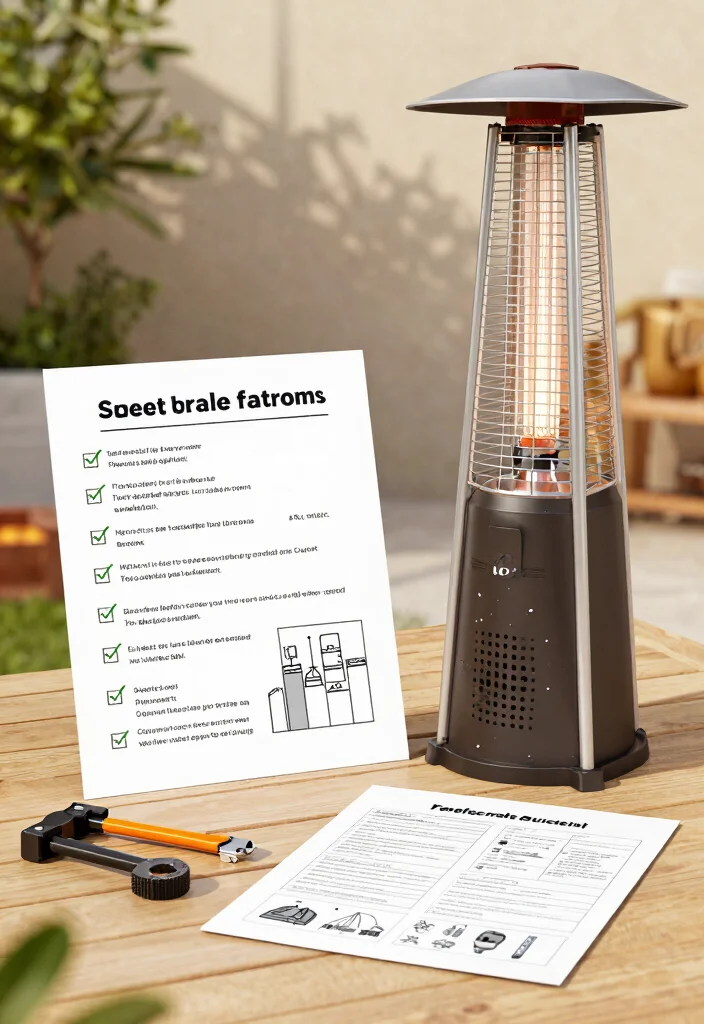
Each patio heater comes with specific guidelines from the manufacturer that you should follow closely. Understanding these instructions is key to safe and effective use. They cover everything from assembly to safety protocols, ensuring the heater operates as designed.
Start with assembly. Properly follow the provided steps to avoid malfunctions. Additionally, know what type of fuel your heater requires—propane, natural gas, or electric—and use only what’s recommended.
Important guidelines to remember:
– Check assembly to ensure everything is secure.
– Understand weight requirements for stability, like adding sand or water.
– Follow fuel recommendations to avoid hazards.
By adhering to these guidelines, you enhance both safety and longevity, ensuring optimal performance whenever you use your heater.
4. Keep an Eye on Children and Pets

Patio heaters can pique the curiosity of children and pets, making supervision vital. Always keep kids and pets at a safe distance to prevent accidents. Establish a clear boundary around the heater, marking it as a no-go area for little ones.
Teach children about safety. Make it a fun lesson about staying away from hot surfaces. Additionally, you might want to use decorative barriers or plants to create a physical separation.
Safety measures to implement:
– Designate an adult to monitor the area when the heater is in use.
– Explain the importance of heater safety to children.
– Use barriers if needed to keep curious creatures at bay.
By actively supervising and educating, you create a safer environment, allowing everyone to enjoy the warmth of your patio heater.
Fun fact: Most patio heater safety tips show accidents drop when kids stay at least 3 feet away from the flame. Designate a clear no-go zone, supervise closely, and turn off the heater when little ones are nearby—safety first, fun second.
5. Avoid Using Flammable Materials Near the Heater

Patio heaters generate significant heat, which can ignite nearby flammable materials. Always maintain a clean area, free from items like paper or cloth. Keeping a clear zone around your heater is a crucial safety practice.
Regularly organize your space, especially during gatherings, to prevent clutter around the heater. Opt for fire-retardant fabrics for cushions and throws to reduce risks, and choose heat-resistant decorative elements.
Safety tips for a clear zone:
– Regularly clear clutter around the heater.
– Use fire-retardant materials for any fabrics nearby.
– Be cautious with decorations that could easily catch fire.
Creating a flammable-free zone allows you to enjoy the warmth and ambiance your patio heater provides without worry.
6. Turn Off When Not in Use
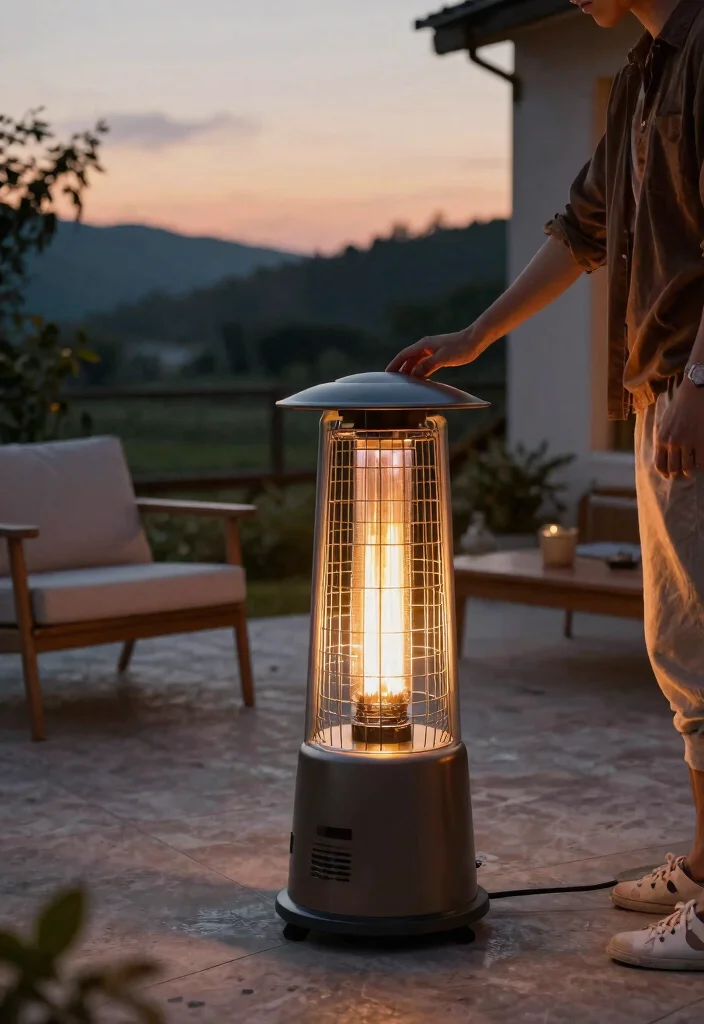
Always remember to turn off your patio heater after enjoying your outdoor space. Leaving it on poses safety risks and wastes energy. Take a moment to ensure it’s properly turned off and has cooled down before leaving the area.
Create a routine by checking the heater before going inside. This habit can help prevent potential hazards. If your heater supports it, consider using a timer for automatic shut-off after a set period.
Best practices for turning off:
– Encourage guests to turn off the heater if they leave first.
– Make it a habit to check the heater before leaving.
– Use timers if available to enhance safety.
Implementing this simple practice greatly improves the safety of your outdoor area, ensuring it remains a warm retreat without unnecessary risks.
7. Invest in Quality Heating Equipment
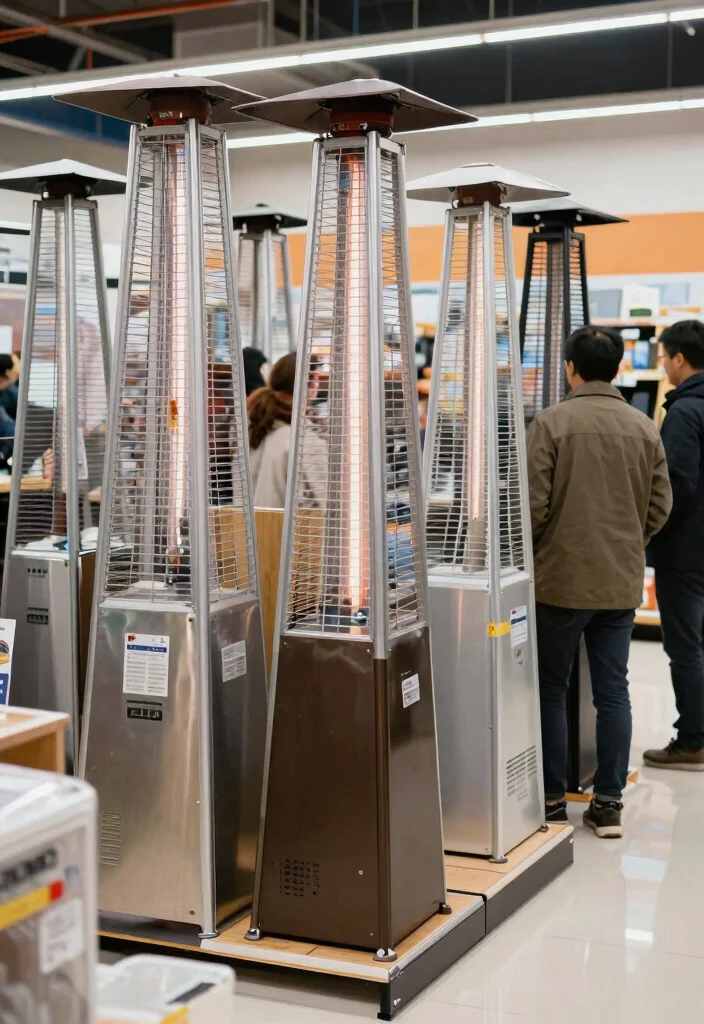
While it may be tempting to opt for the cheapest patio heater, investing in high-quality equipment pays dividends in safety and performance. Quality heaters often come with essential safety features, like automatic shut-off systems and sturdy construction.
Research reputable brands with strong safety records and positive customer reviews. These insights can help you avoid unexpected issues down the road. Look for heaters with safety certifications, which add an extra layer of protection for your gatherings.
Consider these investment tips:
– Prioritize brands known for safety and reliability.
– Check for safety certifications to ensure quality.
– Review warranty options for additional peace of mind.
Investing in quality heating equipment not only enhances safety but also creates a more enjoyable atmosphere for all your outdoor events.
8. Be Cautious with Extension Cords
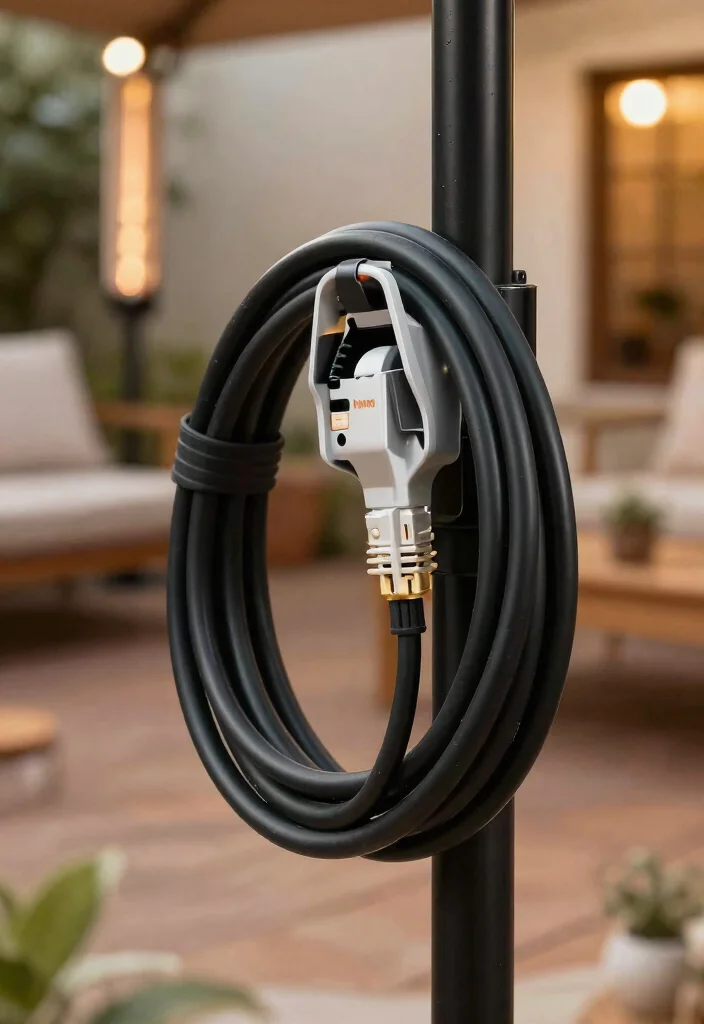
If you use an electric patio heater, pay attention to your extension cords. Not all cords are suitable for high power; using the wrong one can lead to overheating and fires. Always choose a heavy-duty cord rated for outdoor use that can handle your heater’s power needs.
Limit the length of your cord to reduce resistance and improve efficiency. Regularly inspect cords for wear, such as fraying, and replace them when necessary to maintain safety.
Essential precautions regarding extension cords:
– Use the shortest cord possible for efficiency.
– Check for damage regularly and replace as needed.
– Avoid plugging multiple devices into the same cord.
By being cautious with electrical connections, you can prevent unexpected hazards while enjoying your patio heater’s warm glow.
Fun fact: As part of patio heater safety tips, using an outdoor-rated, heavy-duty extension cord ensures safe power delivery—using the wrong cord can boost overheating by 20–30%. Keep cords short and inspect for wear to prevent fires.
9. Store Properly for Off-Seasons
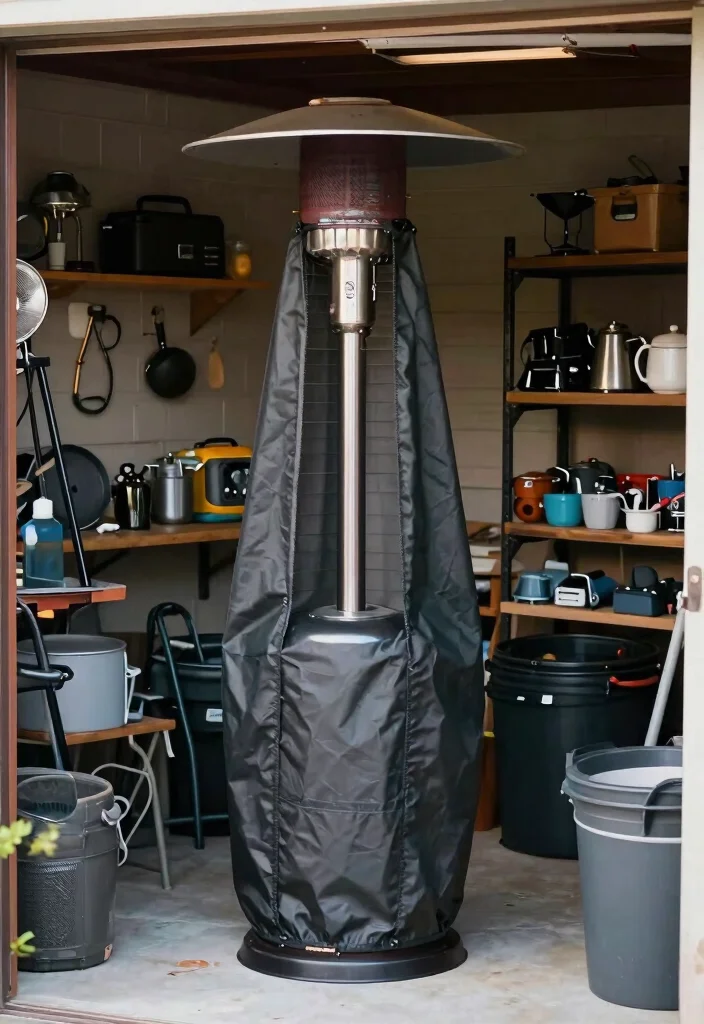
As the chilly season wraps up, it’s time to store your patio heater correctly. Proper off-season storage not only extends the heater’s life but also protects it from weather damage. If possible, keep your heater indoors in a garage or shed; if not, invest in a cover designed for your specific model.
For gas or propane heaters, drain any remaining fuel before storing, and make sure to clean it thoroughly to remove dust and debris. Additionally, if left outside, secure it against strong winds to prevent tipping.
Storage tips for off-seasons:
– Drain fuel from gas or propane models.
– Clean the heater before storing to avoid issues.
– Secure it against wind if stored outside.
Proper off-season storage maximizes your patio heater’s lifespan and ensures it’s ready for use when temperatures drop again.
Conclusion
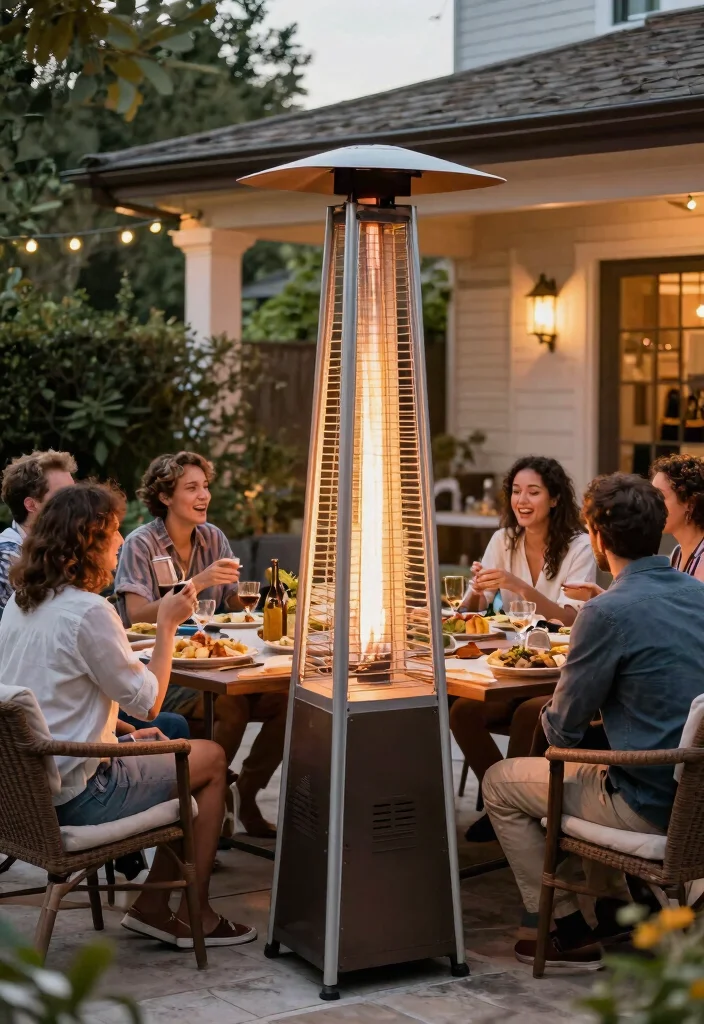
By following these patio heater safety tips, you can enjoy your outdoor space without added worry. Keeping safety at the forefront of your outdoor gatherings not only protects your loved ones but also enhances the overall experience. Remember, a little precaution goes a long way in ensuring that you can relax and soak up the warmth from your patio heater.
Share your favorite outdoor heating tips, and keep your patio a safe and inviting space all year long!
Note: We aim to provide accurate product links, but some may occasionally expire or become unavailable. If this happens, please search directly on Amazon for the product or a suitable alternative.
This post contains Amazon affiliate links, meaning we may earn a small commission if you purchase through our links, at no extra cost to you.
Frequently Asked Questions
What are the essential patio heater safety tips every owner should know?
Start with the basics for patio heater safety tips that keep your outdoor space secure. Place the heater on a level, sturdy surface away from buildings, furniture, and combustible materials, and maintain at least a 3-foot clearance on all sides for outdoor safety tips.
Always use the heater in a well-ventilated area, follow the manufacturer’s instructions for lighting and extinguishing, and never leave it unattended. After use, turn it off completely and let it cool before storing. Regularly inspect hoses, connections, and guards to prevent leaks and accidental exposure. These steps are core to outdoor heating safety and heating equipment precautions everyone should follow.
How should I maintain my patio heater to ensure reliable outdoor heating safety?
Think of maintenance as the backbone of safe outdoor heating. With patio heater maintenance, clean any dust from vents, check ignition and spark electrodes, and inspect hoses or thermocouples for wear. In gas models, routinely check for gas leaks with soapy water and don’t ignore the outdoor safety tips from the manual. Store fuel safely in a cool, ventilated area and replace worn parts promptly. A simple annual check can prevent dangerous malfunctions and keep your space cozy and safe.
Where is the safest place to use a patio heater outdoors?
Choose an open, well-ventilated spot with solid, flat ground. Keep at least 3 feet of clearance from walls, overhangs, furniture, and any liquids or gas sources. Avoid enclosed patios, gazebos, or areas with low ceilings where heat can accumulate. Use a sturdy base and never place the heater near pool edges or damp surfaces. Following these safe patio heater use guidelines helps ensure outdoor safety tips stay practical and effective.
What signs indicate my patio heater needs maintenance or professional service?
Watch for warning signs like a weak or uneven flame, odd noises, visible corrosion, rust, or a persistent gas smell—these are red flags for potential leaks or component wear. If the ignition behaves erratically or you see damaged hoses or fittings, stop using it and schedule patio heater maintenance or service with a qualified professional. Regular checks help you adhere to outdoor safety tips and protect against heating equipment precautions failures.
How can I use a patio heater safely around kids and pets, and what precautions help prevent accidents?
Create a safe zone: keep children and pets at least 3 feet away, use a safety screen if available, and never leave the heater running unattended. Dress warmly but avoid loose clothing that could catch sparks. Practice safe patio heater use by turning off the heater when not in use and storing fuel away from heat sources. By combining common outdoor safety tips with practical precautions, you’ll reduce accidents while enjoying your outdoor space.
![9 Essential Compost Bin Maintenance Tips [No Bad Smells]](https://huserie.com/wp-content/uploads/2026/04/9-Essential-Compost-Bin-Maintenance-Tips-No-Bad-Smells-150x150.webp)


![15 Stunning Inflatable Pool Deck Ideas [Make It Look Built In]](https://huserie.com/wp-content/uploads/2026/04/15-Stunning-Inflatable-Pool-Deck-Ideas-Make-It-Look-Built-In-150x150.webp)