![9 Pro Garden Hose Maintenance Tips [Prevent Winter Cracks]](https://huserie.com/wp-content/uploads/2026/04/9-Pro-Garden-Hose-Maintenance-Tips-Prevent-Winter-Cracks.webp)
Gardening in cold climates can be a joy, but it also comes with its own set of challenges. One of the most overlooked aspects of winter gardening is the maintenance of your garden hose. Cold temperatures can wreak havoc on even the sturdiest hoses, leading to cracks and breaks when the spring thaw arrives. That’s why I created this post. I want to help you avoid the headache of replacing damaged hoses each year so you can focus on what you love: getting your garden growing!
If you’re someone who takes pride in their garden, you already know that every piece of equipment matters. Whether you’re a weekend warrior or a seasoned gardener, this post is for anyone who wants to protect their investment in outdoor tools. By incorporating these nine expert tips into your routine, you’ll keep your garden hose in top shape through the winter and beyond.
You’ll discover practical advice on everything from proper storage to effective cleaning methods. I pulled together these essential hose care tips so you can prevent hose damage and extend the life of your garden equipment. Let’s dive in and ensure your garden is ready to flourish when spring arrives!
Key Takeaways
– Always Drain Your Hose: Water left in the hose can freeze and cause cracks. Make it a habit to empty your hose after each use.
– Inspect for Damage: Regularly check your hose for signs of wear or leaks. Catching issues early can save you time and money later.
– Clean Your Hose Regularly: Dirt and debris can build up in your hose, affecting water flow. Clean it with a mild solution to keep it in working order.
– Store Properly: Avoid leaving your hose out in the elements. Store it in a dry, sheltered place to protect it from harsh weather.
– Invest in Quality Equipment: A good-quality hose will last longer and perform better. Consider upgrading to a more durable model if yours shows signs of wear.
1. Always Drain Your Hose
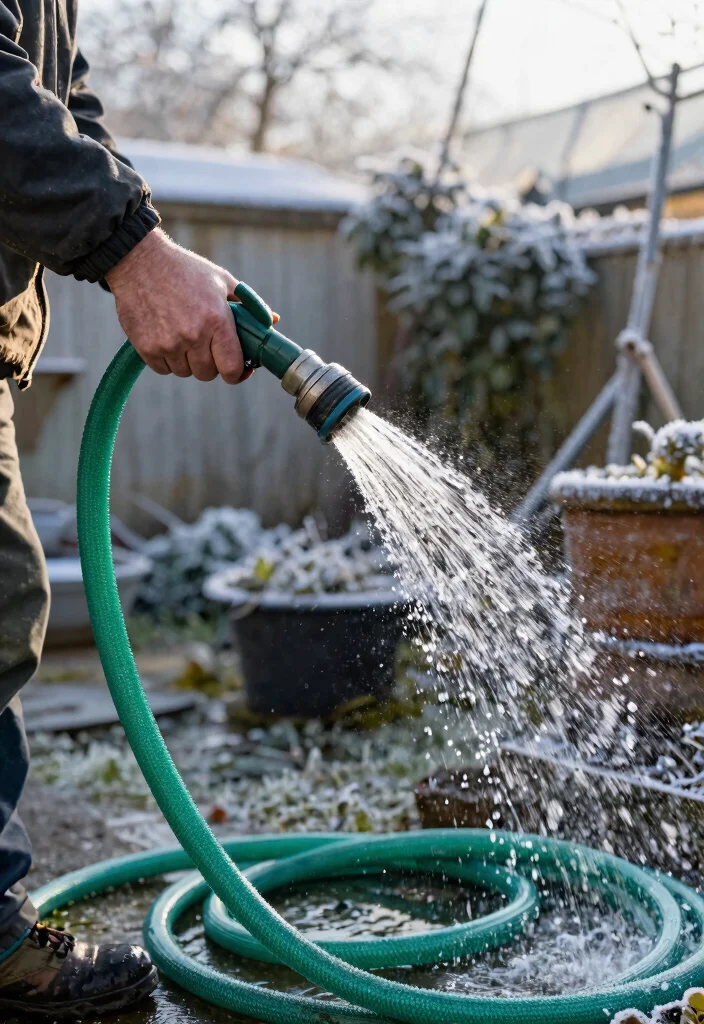
Leaving water in your hose can lead to cracking when temperatures drop. To prevent this, make it a habit to drain your hose completely after every use.
Start by detaching the hose from the faucet and holding it at an angle to let all the water escape. This straightforward routine can greatly extend the life of your hose.
Also, store your hose in a way that avoids kinks or tight coils. This simple practice will help you avoid winter damage and ensure your hose is ready for action once spring arrives!
Ongoing Maintenance & Care Guide
Maintenance Schedule:
Daily/Weekly Tasks:
– Check for leaks: Inspect your hose for any signs of leaks or damage. This should only take about 5 minutes.
– Inspect connections: Look at the fittings to make sure they are tight. This takes around 3 minutes.
– Remove kinks: Every time you use it, check for any kinks. This only takes a minute but helps prevent cracks.
Monthly/Seasonal Tasks:
– Thorough cleaning: Give your hose a good rinse and scrub with soapy water to remove dirt and algae. This usually takes about 20 minutes.
– Inspect for damage: Look for wear and tear, especially before winter. This step will take around 15 minutes but can save you from buying a new hose.
– Check storage conditions: Make sure your hose is stored in a dry, temperature-controlled place. This quick check can take about 5 minutes.
– Apply hose protectors: If you haven’t already, put on protectors at the ends of the hose to minimize damage. This task should take around 10 minutes.
Maintenance Summary Table:
| Task | Frequency | Difficulty | Time Needed |
|————————–|——————|————–|————-|
| Check for leaks | Daily/Weekly | Easy | 5 mins |
| Inspect connections | Daily/Weekly | Easy | 3 mins |
| Remove kinks | Daily/Weekly | Easy | 1 min |
| Thorough cleaning | Monthly | Moderate | 20 mins |
| Inspect for damage | Monthly/Seasonal | Moderate | 15 mins |
| Check storage conditions | Monthly | Easy | 5 mins |
| Apply hose protectors | Monthly | Easy | 10 mins |
Common Issues to Watch For:
⚠️ Leaking water: If you see water dripping, it’s a sign of a crack or loose fitting. Check the hose and connections.
⚠️ Kinks: Frequent kinks can cause permanent damage over time. Make sure you’re storing it properly and using it correctly.
⚠️ Dry rot: If your hose feels brittle or cracks easily, it may be drying out. This usually means it’s time for a replacement.
Care Tips:
💡 Keep it clean: Regular cleaning prevents build-up of dirt and algae, keeping your hose flexible and functional.
💡 Store it properly: Always coil your hose neatly and store it in a dry place, away from extreme temperatures. This can prevent winter damage.
💡 Invest in quality: When buying a new hose, choose high-quality materials that are less likely to crack and wear.
💡 Use hose reels: If you have space, a hose reel makes coiling and uncoiling easier, helping you avoid kinks and tangles.
💡 Check regularly: Make it a habit to check your hose monthly for any signs of wear or damage. This proactive approach can save you money in the long run.
2. Inspect for Damage
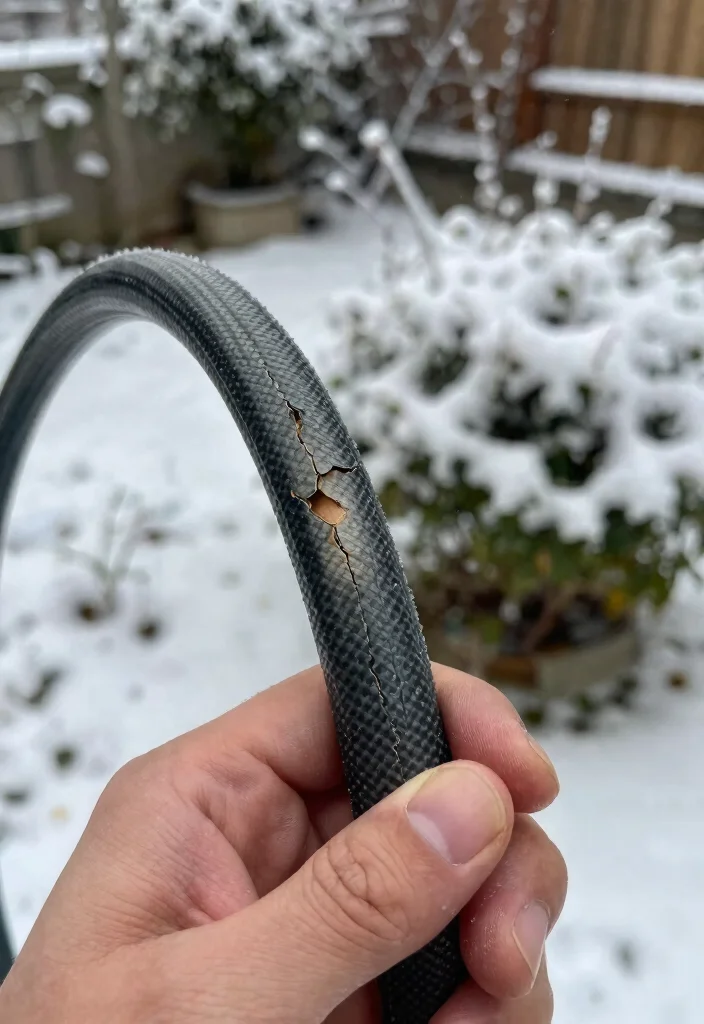
Inspecting your hose for cracks or leaks before the cold hits is essential. Pay close attention to the fittings and the hose body.
Minor damages can worsen in freezing weather, potentially leading to bigger problems when you need your hose again. If you spot small holes, consider using a hose repair kit.
For significant issues, it may be time to buy a new hose. Keeping your equipment in check will save you headaches next spring and ensure smooth gardening projects!
3. Clean Your Hose Regularly
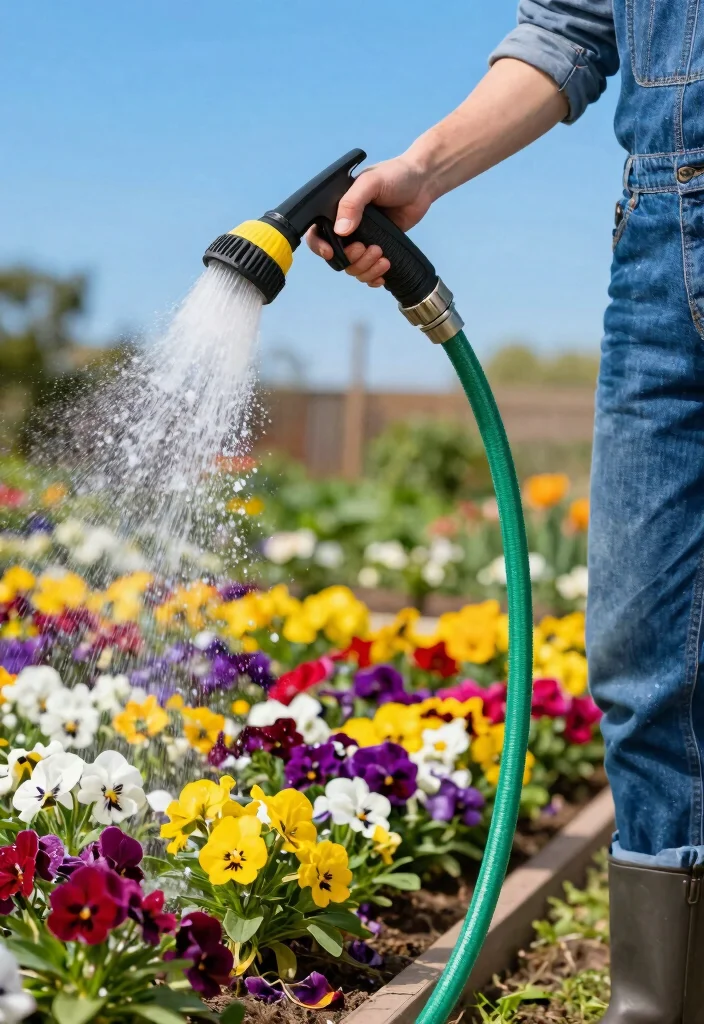
Dirt buildup can clog your garden hose, hindering water flow and causing blockages. Regular cleaning is vital for optimal performance.
Create a simple mixture of mild soap and water to flush through the hose. Attach the nozzle, fill it up, and run it until the water runs clear. This process clears out debris and keeps your hose fresh.
Incorporate this cleaning into your seasonal preparations to ensure everything flows smoothly when watering your plants. A clean hose is a happy hose!
4. Store Properly
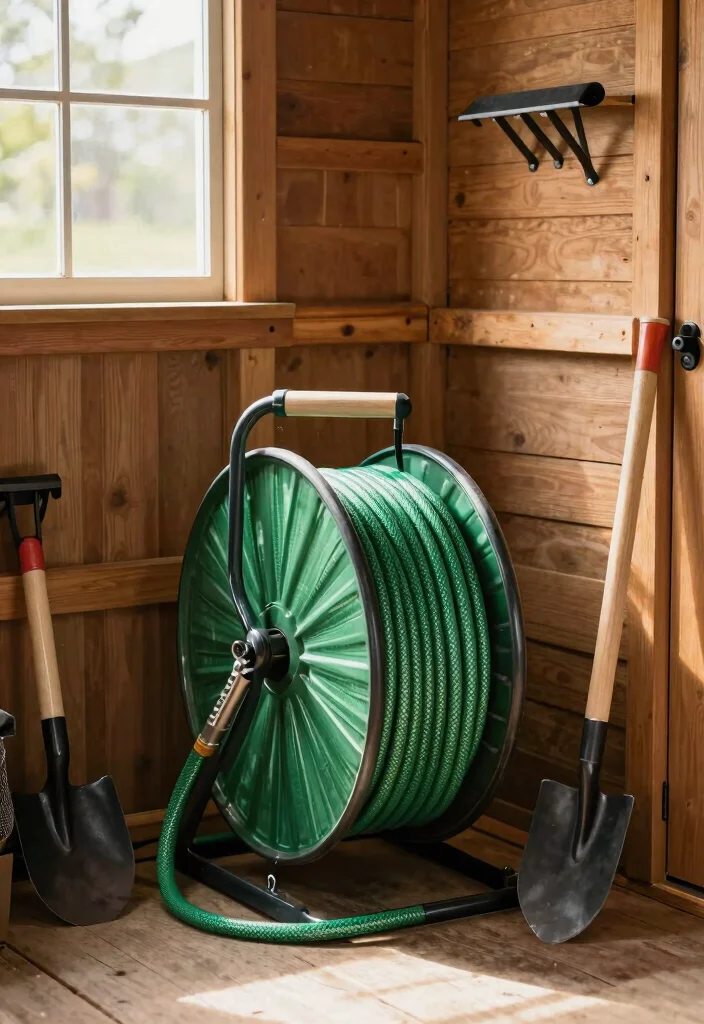
The way you store your hose influences its durability. After cleaning and draining, find a cool, dry place for storage.
Use a hose reel or cart to keep it organized and tangle-free, preventing kinks that can lead to cracks. If possible, store it indoors for extra protection from extreme cold.
Proper storage significantly reduces wear and tear, making your gardening tasks much easier come spring!
5. Avoid Extreme Bending
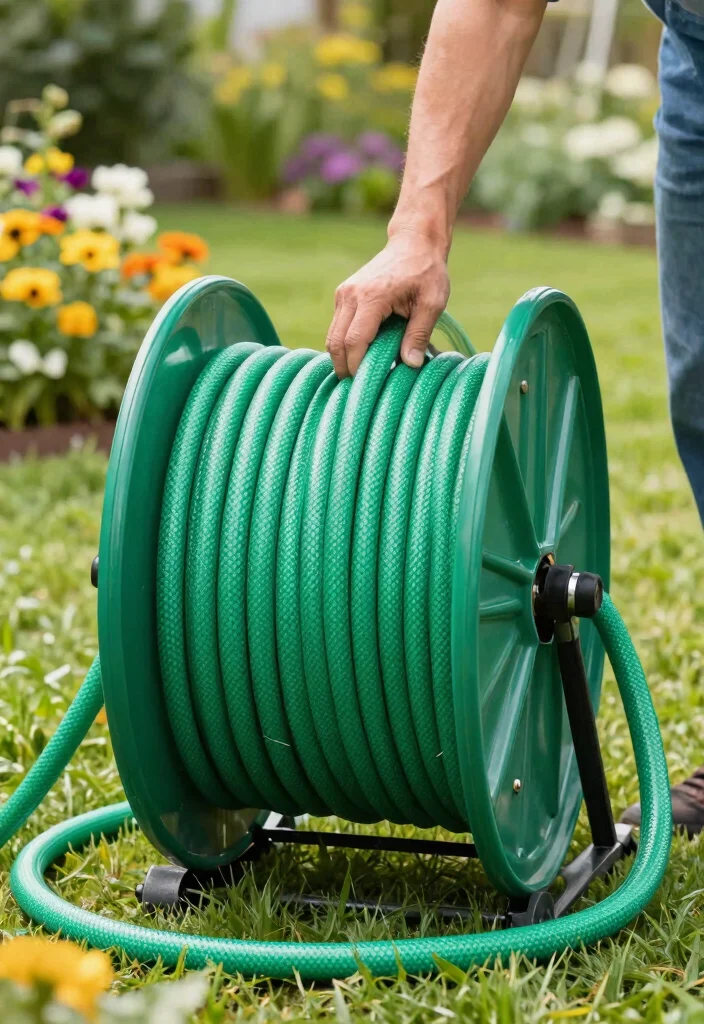
Bending your hose at sharp angles can create weak points prone to cracking, especially in cold weather. When coiling or putting away your hose, handle it gently.
Aim to coil it in large loops to minimize stress on the material. You might also consider using hose guides to maintain its shape while in use or storage.
Being careful with your hose will lead to longer life and better performance, enhancing your gardening experience.
“Did you know 80% of hose cracks start at sharp bends? Practicing garden hose maintenance tips like coiling in large loops and using hose guides can dramatically extend its life.”
6. Use Hose Protectors
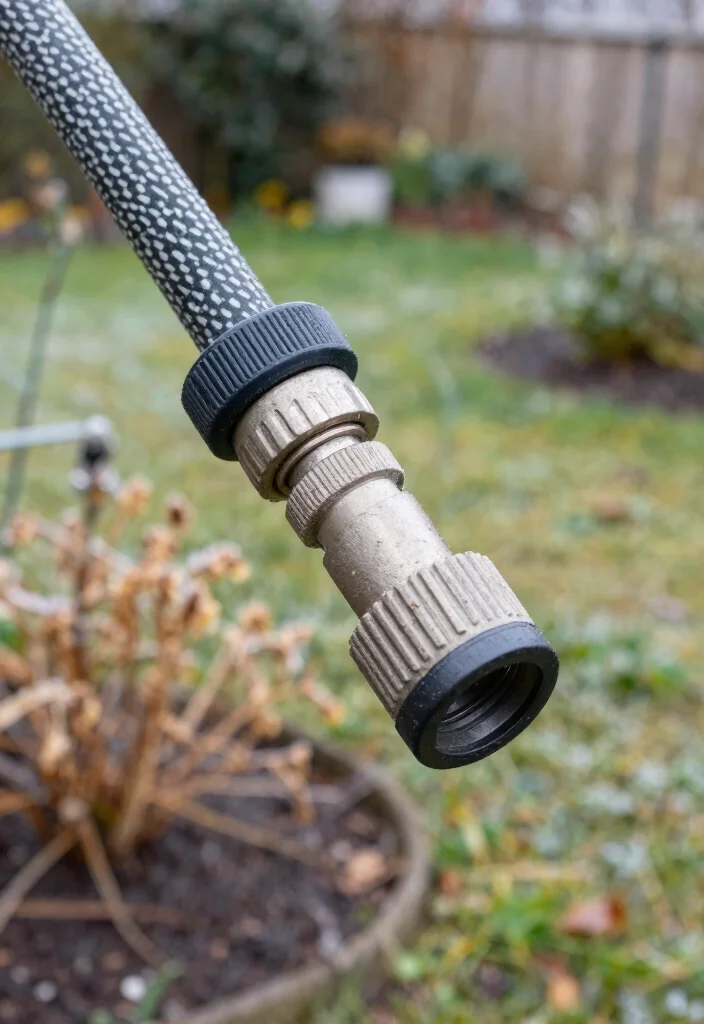
Hose protectors can greatly enhance the longevity of your hose. These handy devices fit over the ends and reduce wear from frequent use.
By minimizing bending stress at the connections, these protectors make a significant impact, especially in cold months when hoses can become brittle.
They’re an affordable addition to your gardening toolkit and save you from unexpected replacements down the line.
7. Choose the Right Hose Material
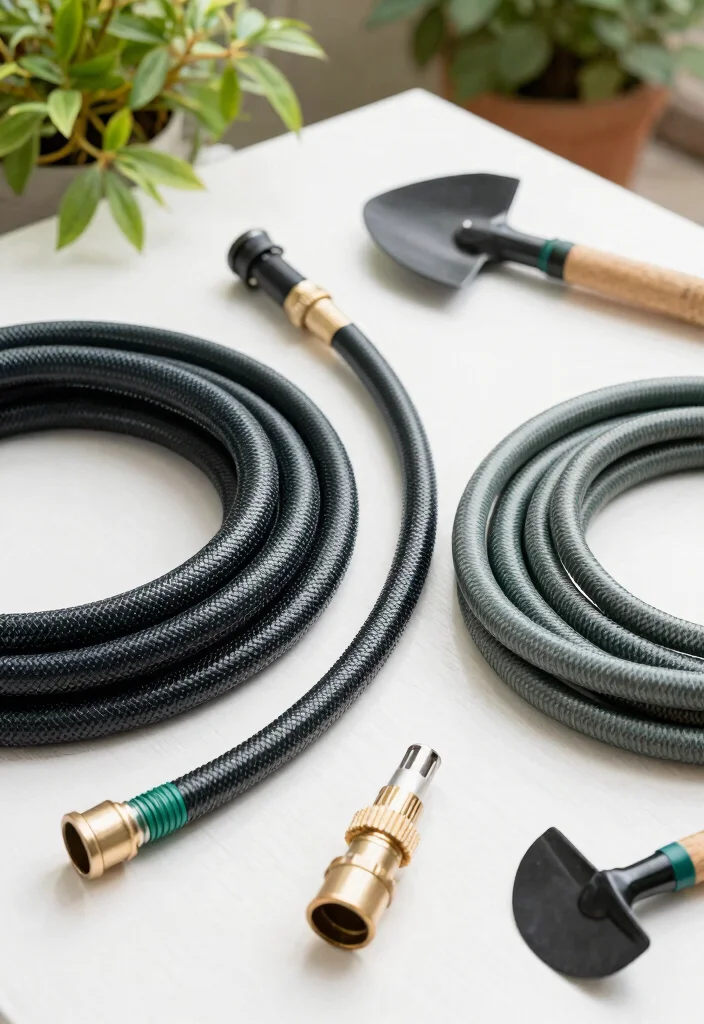
Selecting the right hose material is crucial for winter durability. Some hoses withstand cold better than others.
While vinyl hoses are lightweight, they may struggle in extreme temperatures, whereas rubber hoses offer greater sturdiness. Investing in a high-quality hose designed for cold weather can save you from headaches when temperatures drop.
Always check specifications to ensure your choice can endure your local climate, preparing you for the winter ahead!
Fun fact: 60% of winter hose failures come from choosing the wrong material. Rubber hoses stay flexible down to -20°C, while vinyl can crack at single-digit temps. For garden hose maintenance tips, pick cold-weather-rated hose material and check specs before winter hits!
8. Wrap Up Your Hose for Winter
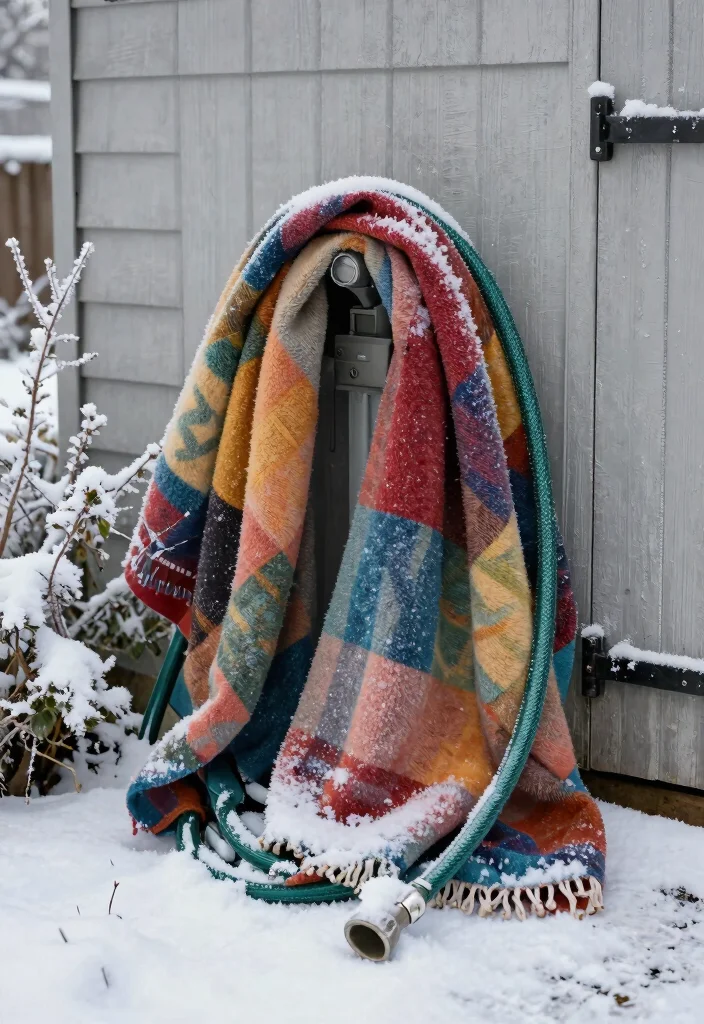
As winter approaches, wrapping your hose can further shield it from the cold. Use old towels or blankets to snugly wrap the hose before storing it.
This extra layer acts as insulation, reducing the risk of freezing and cracking. Secure the wrap with string or tape to keep it in place.
Adding this step to your winter prep will ensure your hose survives the cold months, ready for action when temperatures rise!
Did you know a snug wrap with towels can reduce freezing risk for your hose by up to 40% during cold snaps? This simple step is a core part of garden hose maintenance tips, saving cracks and making winter prep effortless.
9. Invest in Quality Equipment
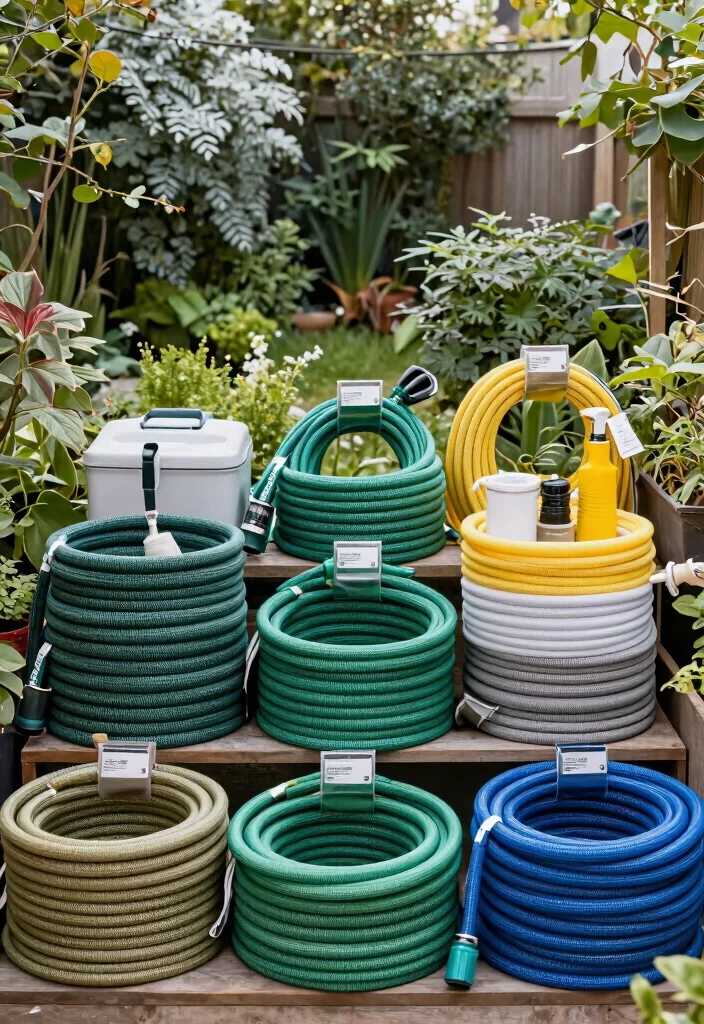
Investing in quality hoses and accessories pays off in the long run. High-quality materials often translate to better durability and performance, especially in harsh climates.
Before purchasing, research and read reviews to find hoses known for frost resistance. While they may have a higher upfront cost, the savings on replacements and repairs are worth it.
Think of it as a long-term investment in your gardening success, making a significant difference when tending to your garden!
Conclusion
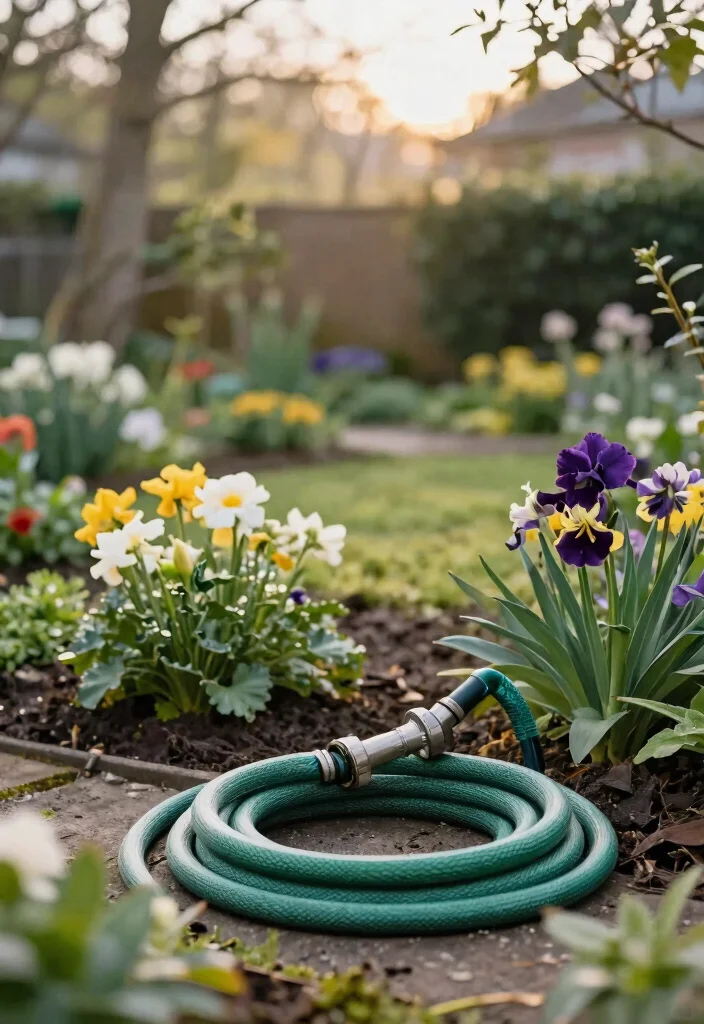
Maintaining your garden hose may seem like a small task, but it can have a significant impact on your gardening success. By following these tips, you can ensure your hose will survive the harsh winter months and be ready to help you create a beautiful garden come spring.
Don’t let a cracked hose ruin your gardening dreams! Equip yourself with the knowledge and tools to protect your outdoor investment.
Note: We aim to provide accurate product links, but some may occasionally expire or become unavailable. If this happens, please search directly on Amazon for the product or a suitable alternative.
This post contains Amazon affiliate links, meaning we may earn a small commission if you purchase through our links, at no extra cost to you.
Frequently Asked Questions
What are the essential garden hose maintenance tips to prevent winter cracks in cold climates?
To keep your hose in top shape when temperatures drop, start with thorough drainage and always disconnect from the faucet.
Then store it out of direct winter sun and away from freezing surfaces, ideally indoors or in a heated shed.
Coil it loosely on a hose reel or hanger, ensuring no sharp kinks, and drain all remaining water to prevent ice damage. Follow these garden hose maintenance tips to help prevent winter cracks and extend hose life in cold climate conditions.
Regularly inspect for signs of wear and replace damaged sections as needed.
How should I store garden hoses for winter to maximize lifespan?
For long-lasting hose life, start by completely draining the water and detaching the hose from the spigot.
Coil it loosely on a reel or wall hanger to avoid kinking, and store it in a dry, sheltered place away from snow and freezing ground.
Keep it off the ground, protected from UV rays, and consider using an insulated sleeve around exposed sections.
Also label hoses used for outdoor equipment maintenance so you know which one is which. Following proper garden hose storage practices helps prevent damage and supports outdoor equipment maintenance in cold climates.
What are the most common causes of hose damage in winter and how can I prevent them?
Freezing water inside the hose is the big culprit, leading to cracks and leaks as temperatures drop.
Sun exposure can dry out and weaken plastic materials, while dragging or stepping on a hose creates weak points; extreme cold makes hoses brittle.
To prevent damage, drain completely, disconnect from the faucet, store indoors, and use a padded hose reel. Check for leaks or bulges before storing and replace worn sections. Keep up with garden hose maintenance tips and prioritize outdoor equipment maintenance so your hose stays flexible when it thaws.
How can I prep my hose for spring use after winter storage?
Before first use in spring, inspect the entire length for cracks, bulges, or dry rot.
Flush the line with clean water to remove any settled sediment, then test the nozzle and connections for leaks.
Gradually reintroduce water pressure and check for any signs of damage. If all looks good, coil and store properly for the season. These steps are practical garden hose maintenance tips to get ready for spring gardening.
Do different hose materials perform differently in freezing temps, and which is best for cold climate gardening?
Rubber hoses tend to resist cracking better than thin vinyl in icy weather, while reinforced or braided hoses can handle higher water pressure. For cold climate gardening essentials, many gardeners prefer rubber or heavy‑duty vinyl with proper hose care tips during winter.
Always store hoses correctly and avoid leaving water inside, since freezing can cause splits. If you need one hose for harsh winters, look for a model rated for low temperatures and couple it with a sturdy nozzle for versatile outdoor tasks.
![9 Essential Compost Bin Maintenance Tips [No Bad Smells]](https://huserie.com/wp-content/uploads/2026/04/9-Essential-Compost-Bin-Maintenance-Tips-No-Bad-Smells-150x150.webp)


![15 Stunning Inflatable Pool Deck Ideas [Make It Look Built In]](https://huserie.com/wp-content/uploads/2026/04/15-Stunning-Inflatable-Pool-Deck-Ideas-Make-It-Look-Built-In-150x150.webp)