![15 Surprising Compost Bin Items You Can Actually Add [Guide]](https://huserie.com/wp-content/uploads/2026/04/15-Surprising-Compost-Bin-Items-You-Can-Actually-Add-Guide.webp)
Composting is one of those eco-friendly habits that can feel overwhelming, especially if you’re just starting out. You might think that only certain kitchen scraps and yard waste make the cut, but you’d be surprised at what you can actually toss into your compost bin! This post is here to clear up the confusion and ignite your passion for gardening in small spaces.
If you’re someone who loves to reduce waste and support sustainable gardening practices, this guide is for you. Urban composting can transform your kitchen scraps and organic waste into nutrient-rich soil that helps your plants thrive. Not only will you feel good about cutting down on landfill waste, but you’ll also be giving your garden an eco-friendly boost.
I’ve gathered 15 surprising compost bin items that you might not have considered before. Each item can enrich your compost and help you become a more mindful gardener. Whether you’re dealing with limited space or just want to make the most of your organic materials, this list is packed with tips that are simple, effective, and surprisingly useful.
Key Takeaways
– You can compost everyday items like paper towels and napkins, which break down easily and add carbon to your compost mix.
– Hair and pet fur are not only biodegradable but also add nitrogen, making them great additions to your compost bin.
– Coffee grounds and filters are rich in nitrogen and can improve soil fertility, making them a perfect compost bin item.
– Eggshells provide calcium, which is beneficial for plant growth; just be sure to crush them before adding to the compost.
– Unwanted food like citrus peels and expired spices can also go into your compost, helping to maximize your organic waste recycling.
1. Paper Towels and Napkins
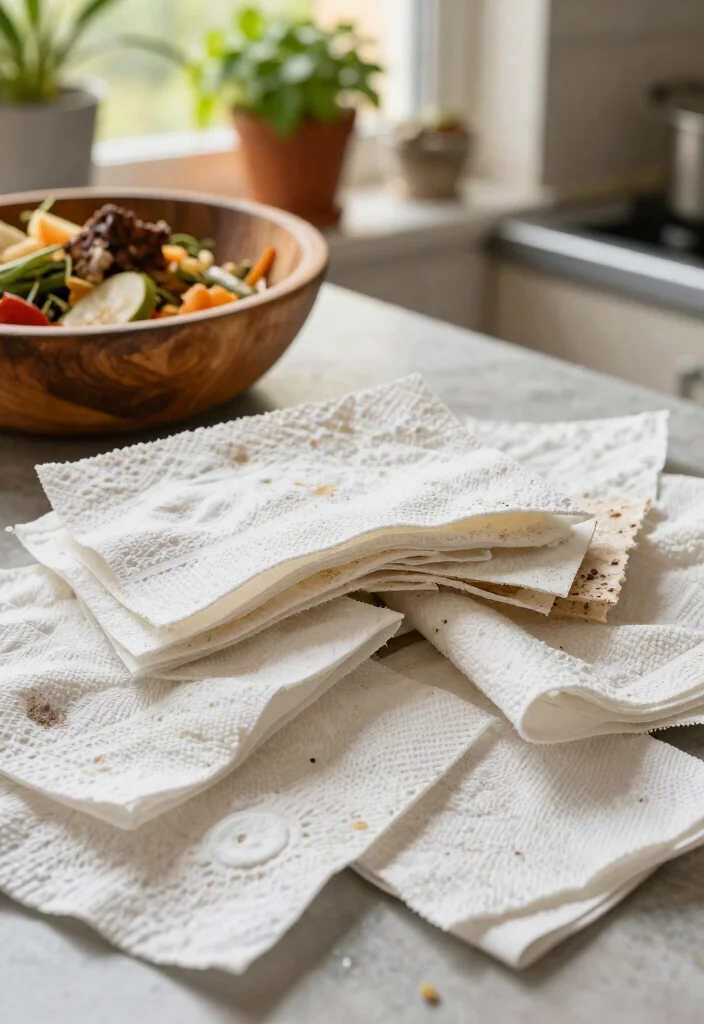
You might see paper towels and napkins as mere trash, but they can actually enrich your compost bin! These everyday items break down quickly and add vital carbon, which is crucial for a thriving compost mix. Just make sure they’re free from harsh chemicals or greasy residues before you toss them in.
To enhance decomposition, shred these paper products into smaller bits. By doing this, you’re not only cutting down on waste but also boosting the health of your compost pile.
Key tips for composting paper towels and napkins:
– Use unbleached towels with no dyes or chemicals.
– Mix them with other compost materials for balance.
– Keep your compost pile moist for faster breakdown.
This simple addition can greatly elevate your compost’s nutrient content. You’ll be pleasantly surprised at how much waste you divert from landfills!
2. Hair and Pet Fur
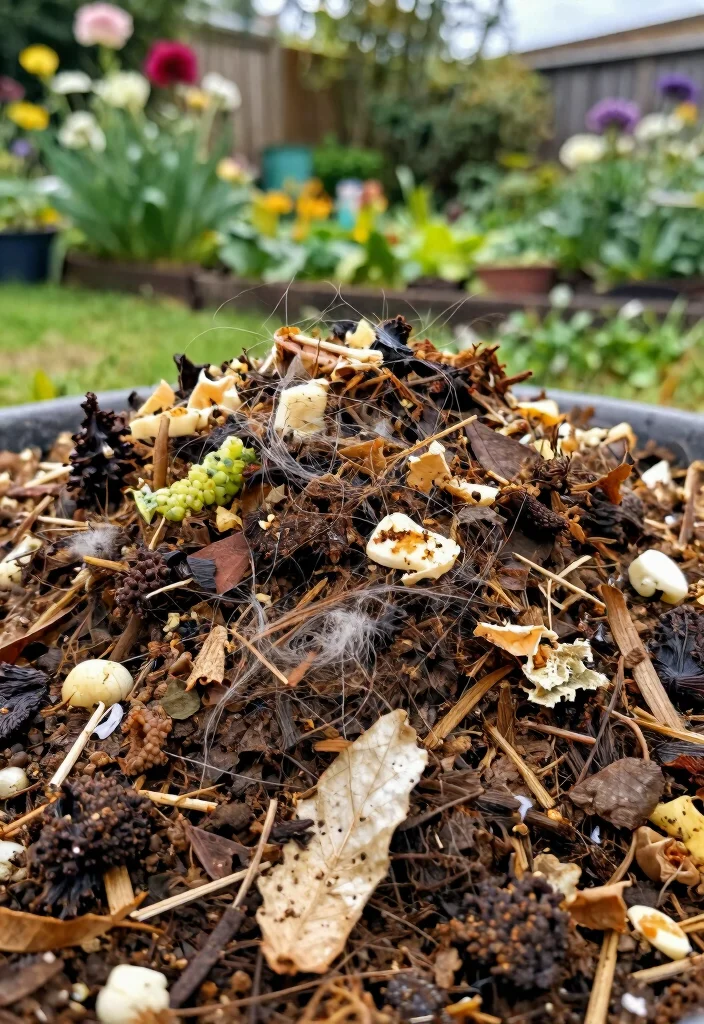
Did you know that both human and pet hair can enhance your compost? They’re rich in nitrogen, making them a valuable resource for balancing your compost mix. Whether it’s from your hairbrush or pet grooming sessions, these materials break down and enrich your garden soil.
However, steer clear of hair treated with chemicals. Natural, untreated hair is your best bet for composting!
Quick tips for composting hair and fur:
– Collect hair from hairbrushes and grooming sessions.
– Ensure it’s clean and chemical-free.
– Mix it with other compost items for better results.
This is a clever way to recycle waste that would otherwise go to the landfill!
3. Coffee Grounds and Filters
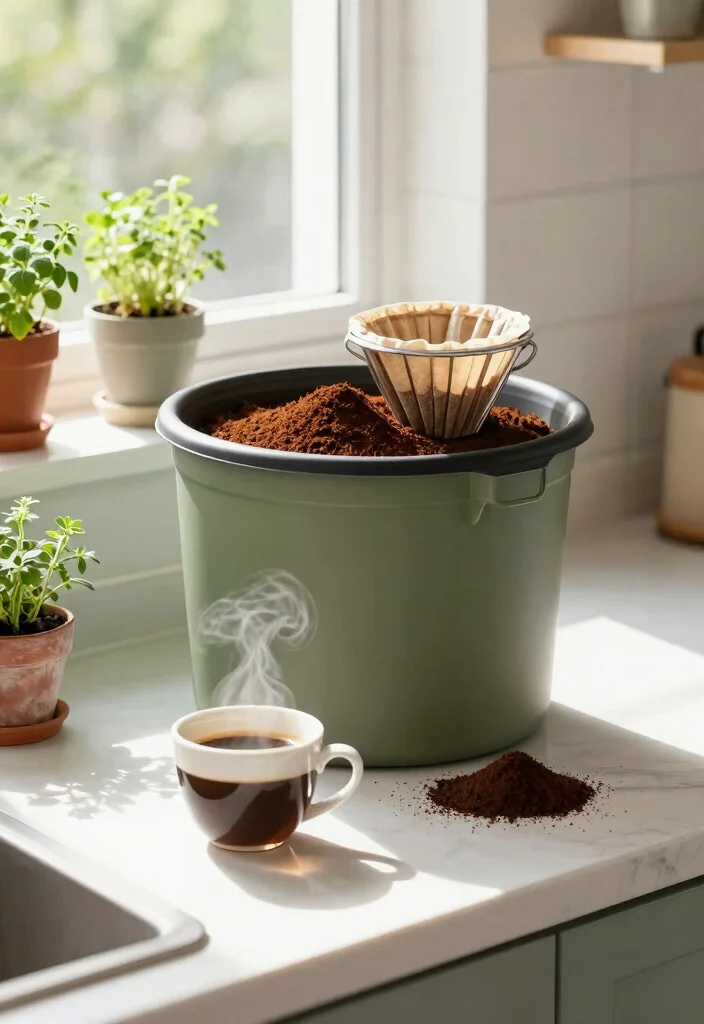
Coffee enthusiasts, rejoice! Used coffee grounds and filters are a fantastic addition to your compost. The grounds provide a robust source of nitrogen, boosting microbial activity in your compost. Meanwhile, coffee filters are typically paper-based, which adds carbon.
Make sure the grounds are clear of sugar and cream before composting. Just toss both into your bin and watch them work wonders!
Extra tips for using coffee grounds:
– Sprinkle grounds directly in your garden as fertilizer.
– Use filters as carbon-rich compost material.
– Combine with other kitchen scraps for a nutrient boost.
Your morning coffee ritual can benefit both you and your garden!
4. Shredded Cardboard and Paper
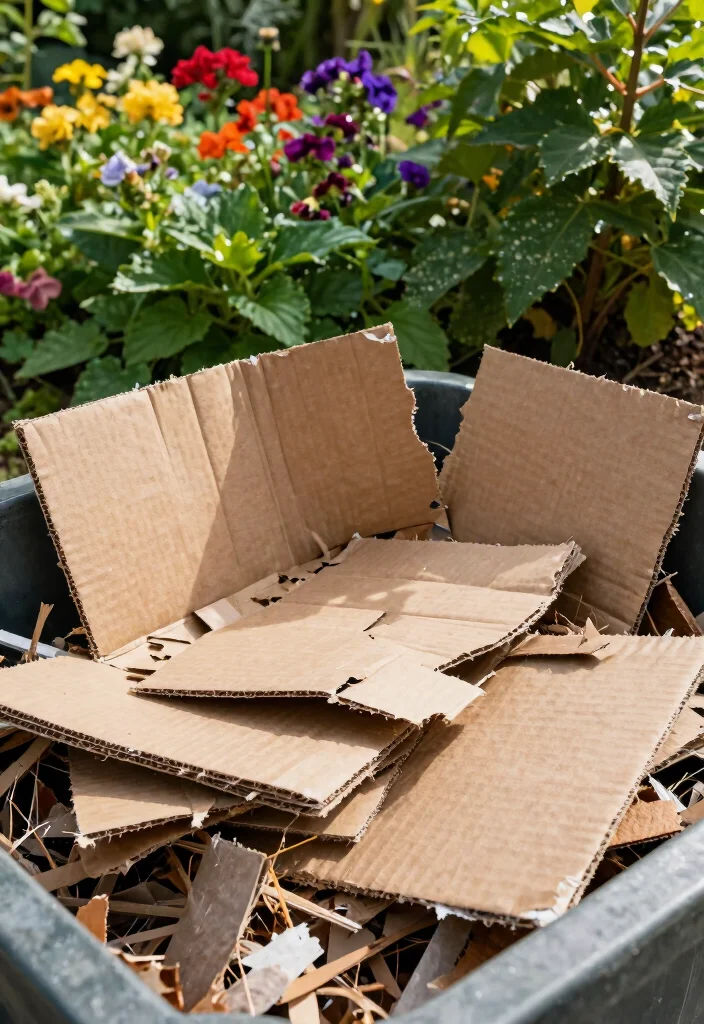
Shredded cardboard and paper might be overlooked, but they’re excellent for your compost bin. They contribute carbon and help create a balanced blend for optimal composting. Think of all those delivery boxes or unused notebook pages. Instead of discarding them, shred them and add to your compost!
Avoid glossy paper or those with heavy inks. Brown cardboard works best, breaking down easily and helping retain moisture in your compost.
Cool insights on using cardboard and paper:
– Shredding creates air pockets for better aeration.
– Layer with greens for a balanced mix.
– Use it to help with moisture retention.
Next time you unpack a delivery, consider how you can turn that waste into something valuable for your garden!
5. Eggshells
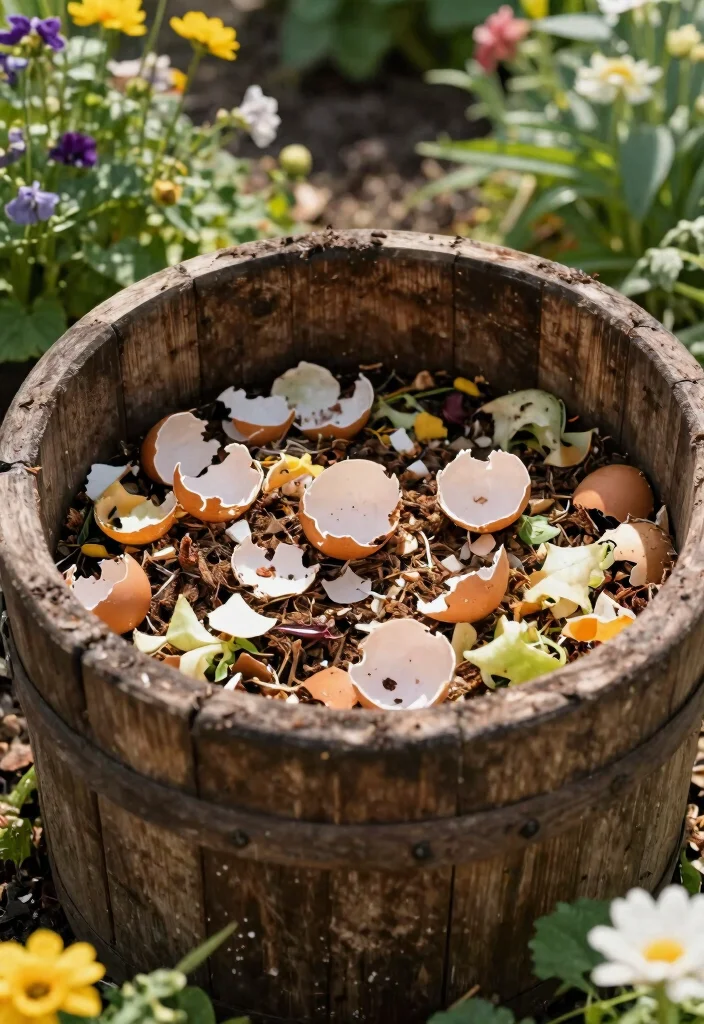
Eggshells are nutrient powerhouses for your garden! Packed with calcium, they help prevent blossom end rot in tomatoes and enhance overall plant health. Just be sure to rinse off any egg remnants before composting.
Crushing the shells into smaller pieces speeds up decomposition and makes it easier for plants to absorb calcium.
Fun facts about eggshells:
– Sprinkle crushed shells directly in your garden to deter pests.
– Mix with other compost materials for added nutrients.
– Improve soil structure with eggshells.
This simple kitchen waste enriches your compost and boosts your garden’s productivity!
6. Citrus Peels
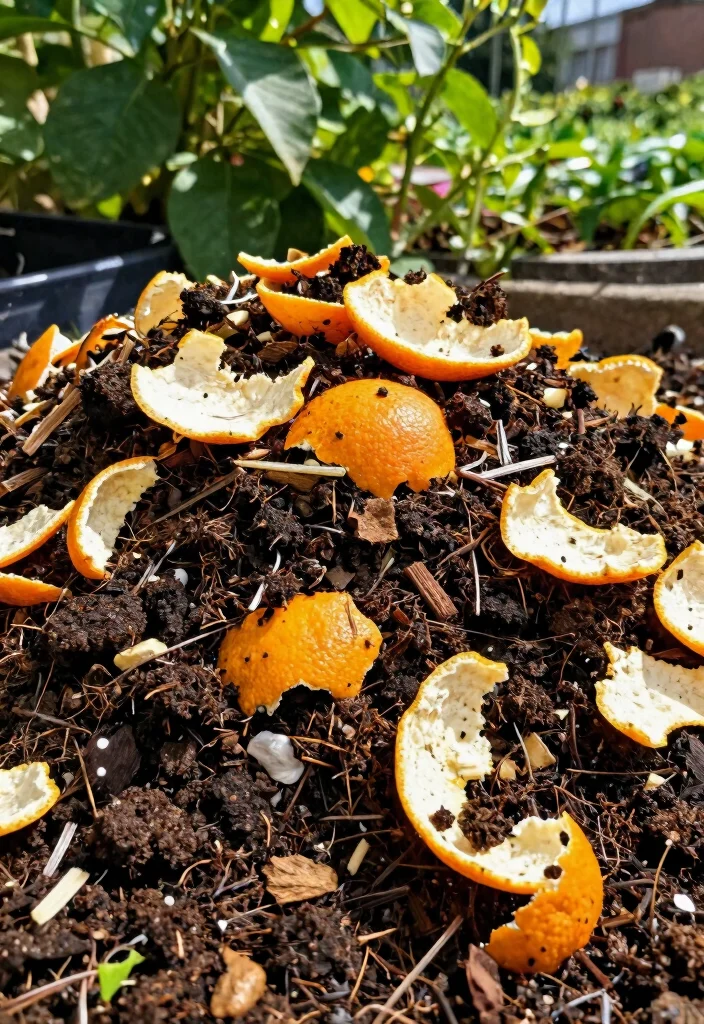
Citrus peels, like those from lemons and oranges, can be a bit tricky for composting. While their acidity may slow down decomposition, they also provide beneficial oils and nutrients. Chop them into smaller pieces to help them break down effectively.
Mixing citrus with other compost materials can balance out acidity. Keep an eye on the ratio of citrus to other items to maintain a healthy compost pile.
Advice for composting citrus peels:
– Keep your pile well-aerated to avoid issues.
– Use in moderation to enrich nutrient content.
– Enjoy the pleasant scent they add to your compost.
So don’t throw away those orange peels just yet!
How To Choose The Right Compost Bin Items
Choosing the right items to add to your compost bin can dramatically improve your composting experience. Proper selection not only promotes faster decomposition but also enhances the quality of your final product. Here’s how to make the best choices:
1. Know the Basics of Composting
Before adding anything to your compost bin, familiarize yourself with the types of compostable materials. Composting primarily relies on green (nitrogen-rich) and brown (carbon-rich) materials. Green items include kitchen scraps like fruit and vegetable peels, while brown items consist of dry leaves, paper, and cardboard. Understanding this balance can help you create a rich compost.
2. Check for Contaminants
Always inspect items for contaminants. Food that is spoiled or moldy can be added, but avoid anything that has been treated with pesticides or chemicals. Additionally, steer clear of meats, dairy, and oils, as they may attract pests and create odors. A clear guideline is to compost items that you would typically find in organic waste.
3. Size Matters
Consider the size of your compost bin and the space available in your garden. If you have a small bin, you should focus on smaller items that can break down easily. For example, crush eggshells or shred paper and cardboard into smaller pieces. This helps speed up the decomposition process and ensures effective aeration within the bin.
4. Monitor Moisture Content
Moisture plays a crucial role in composting. Too much water can create a soggy mess, while too little can slow down decomposition. Aim for a moisture content similar to that of a wrung-out sponge. Items like fresh kitchen scraps can help increase moisture, while dry materials like shredded paper can soak it up. Balancing these materials will lead to an optimal composting environment.
5. Variety is Key
Introduce a variety of compost bin items to enrich your compost. Different materials contribute different nutrients. For instance, while coffee grounds are high in nitrogen, shredded paper adds carbon. A diverse mix will lead to a more balanced compost, which is beneficial for your garden. Try to rotate your items to keep the compost healthy and active.
6. Seasonal Considerations
Certain items are more readily available depending on the season. In spring and summer, you might have an abundance of garden trimmings and kitchen scraps. In fall, you can gather dried leaves and other organic waste. Adjust your composting strategy by incorporating seasonal materials. This not only utilizes what’s available but also keeps your compost bin active throughout the year.
Pro Tip: Keep a composting journal to track what items you add and how they perform. This can help you fine-tune your approach over time and understand which materials work best in your composting system. By being mindful of your choices, you’ll create nutrient-rich compost that benefits your plants and garden.
7. Old Spices and Herbs
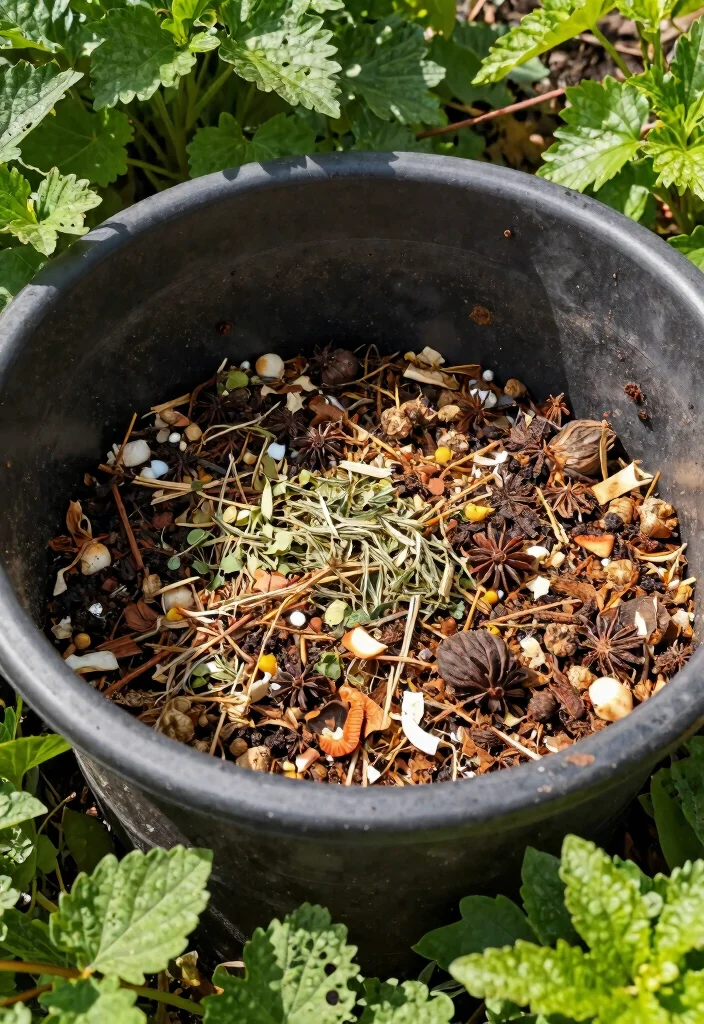
Got old spices and herbs cluttering your pantry? Instead of tossing them, add them to your compost! Dried herbs break down quickly and introduce beneficial nutrients. They can also add a delightful aroma to your compost pile.
Ensure the spices are free from additives or preservatives for the best results. You can even toss in expired spices that you wouldn’t use in cooking anymore.
Tips for composting spices:
– Mix various herbs to enrich the compost environment.
– Avoid blends with synthetic ingredients.
– Use dried herbs for quicker breakdown.
Next time you clean your spice cabinet, think about how those old jars can enhance your compost!
8. Nut Shells
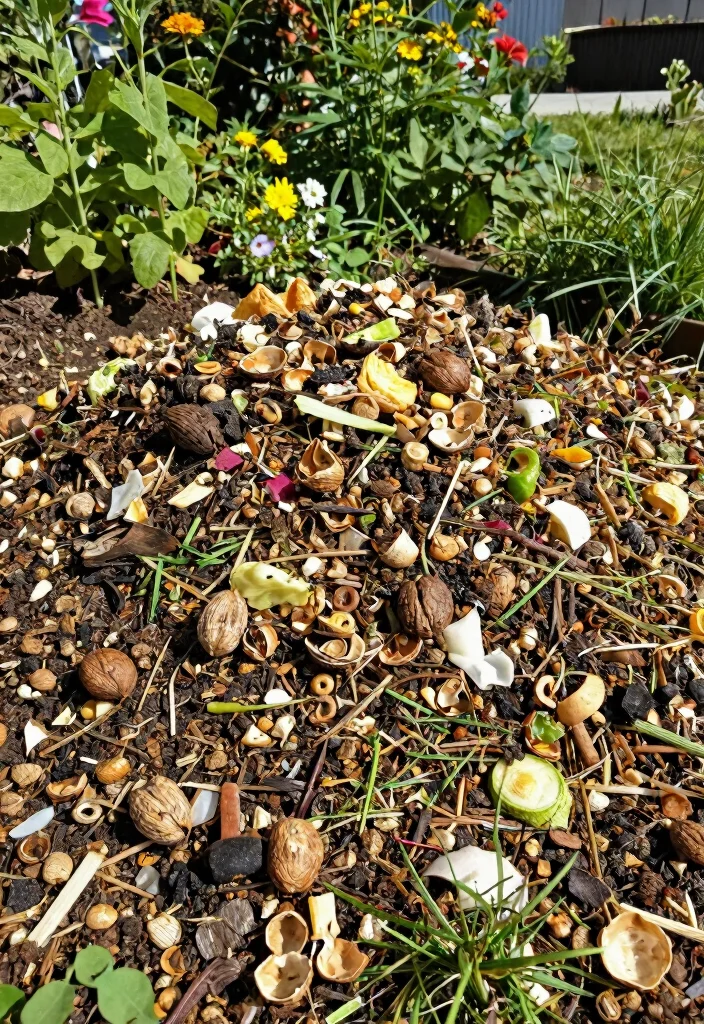
Nut shells can be an unexpected yet beneficial addition to your compost bin! They provide carbon and take time to decompose, which helps maintain the structure of the compost. Just crush or break them into smaller pieces to speed up the process.
Avoid using shells from salted nuts to keep your compost free from unwanted preservatives. Almond and walnut shells are great for composting!
Interesting facts about nut shells:
– Their tough structure helps aerate your compost.
– They lighten the compost while enhancing decomposition.
– Use shells to create a more balanced compost mix.
So, next time you enjoy a handful of nuts, think twice before tossing those shells!
Fun fact: crushed nut shells add valuable carbon and help aerate your compost bin, improving texture over time. Almond and walnut shells take a bit longer to break down, but they boost structure when you crush them first.
9. Fireplace Ashes
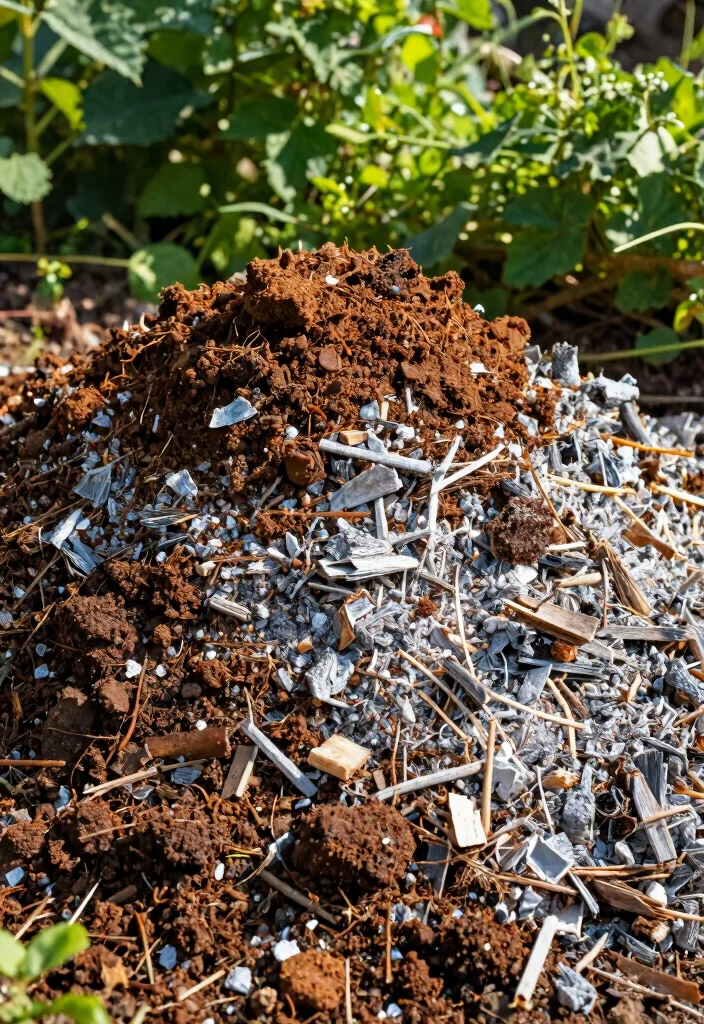
Fireplace ashes can be a surprising ally in your composting efforts! They provide potassium, calcium, and other trace minerals that promote healthier plants. However, moderation is key—too much ash can raise the pH levels, making it too alkaline for some plants.
Only add a small amount and mix well with other materials for balance. Use ashes from untreated wood and avoid those with chemical additives.
Tips for using fireplace ashes:
– Sprinkle a light layer directly onto garden soil.
– Mix with compost for nutrient enhancement.
– Use in moderation to maintain pH balance.
Fireplace ashes can be a great way to recycle and benefit your plants!
Fun fact: Fireplace ashes aren’t just for the hearth. In compost bin items, a small sprinkle (about 1-2 tablespoons per square foot) adds potassium and calcium, boosting minerals—just don’t go heavy, or pH climbs and slows decay.
10. Uncooked Vegetables
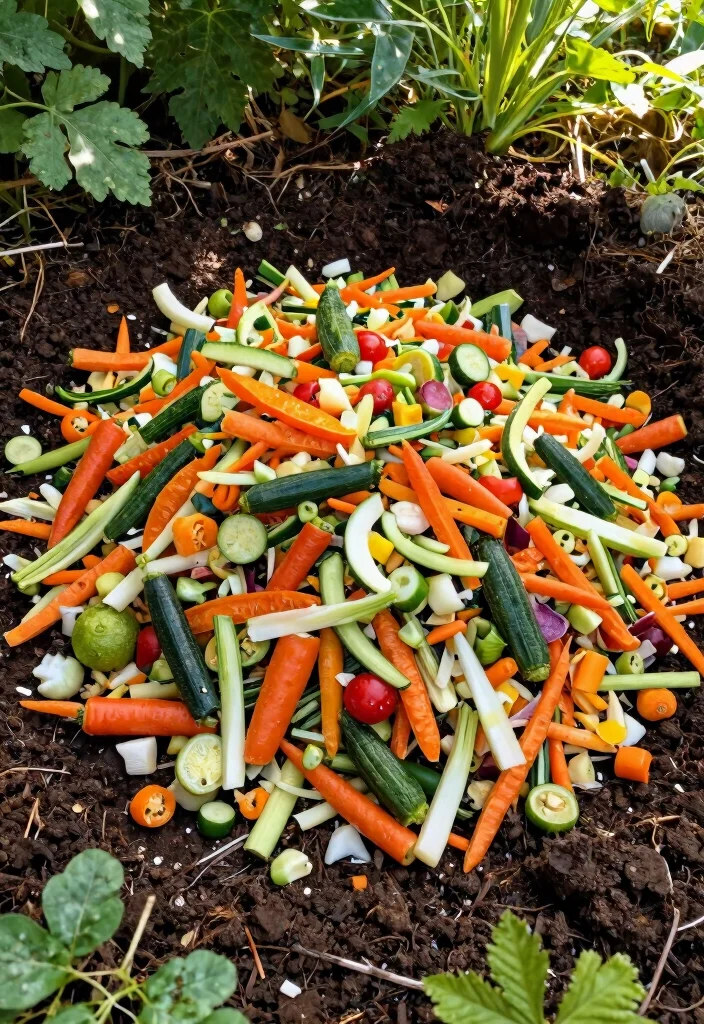
Uncooked vegetable scraps are perfect for composting, unlike cooked food, which can attract pests! Leftover carrot tops, broccoli stems, and other trimmings are nutrient-rich and moisture-laden, ideal for feeding your compost. Just chop starchy vegetables into smaller pieces for faster breakdown.
Mixing these scraps with browns like dried leaves creates a balanced compost that encourages healthy microbes.
Quick tips for composting vegetable scraps:
– Keep a container handy in the kitchen.
– Mix with carbon-rich materials for balance.
– Avoid composting starchy items in large quantities.
This simple habit can significantly enrich your compost pile and maintain an eco-friendly kitchen!
11. Dried Leaves and Grass Clippings
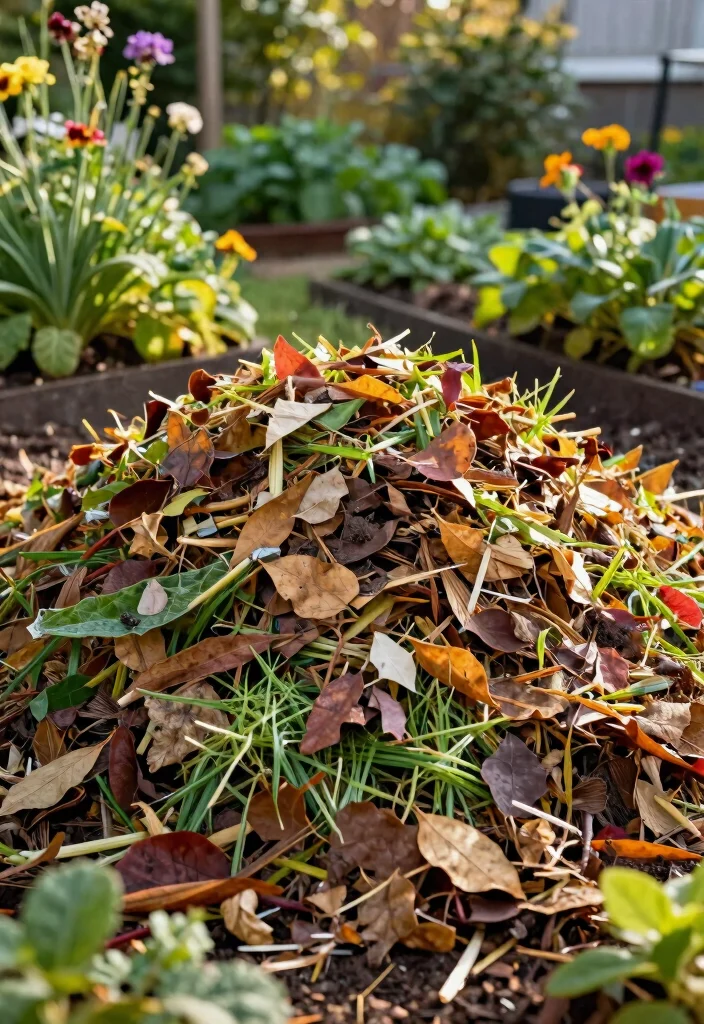
Dried leaves and grass clippings are essential compost bin materials every gardener should use. They provide an excellent source of carbon, promoting a healthy compost mix. The crunchiness of dried leaves aerates the mix, while fresh grass clippings add nitrogen.
Layering these materials helps establish a balanced carbon-to-nitrogen ratio, crucial for effective decomposition. Just avoid using leaves treated with pesticides.
Tips for using dried leaves and grass:
– Bag leaves in the fall to use throughout the year.
– Mix with kitchen scraps for a nutrient-rich blend.
– Monitor moisture levels for optimal decomposition.
Utilizing these materials ensures your compost remains active and supports your gardening success!
12. Cotton and Wool Rags
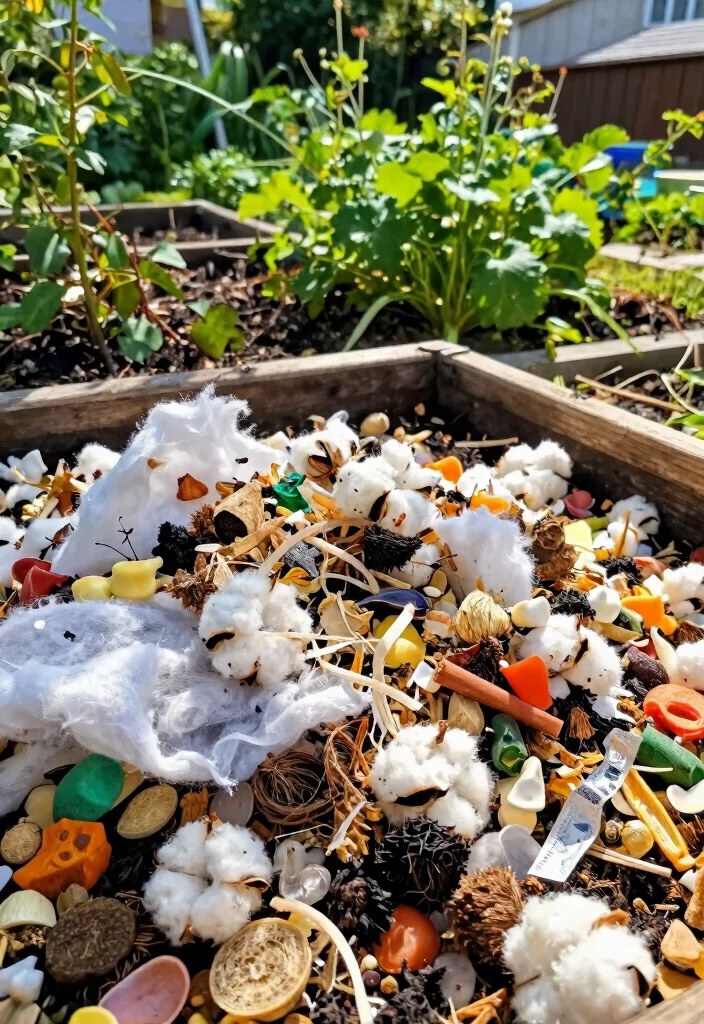
Old cotton and wool rags can be composted, provided they are made from natural fibers. This may surprise you, but they introduce carbon and enhance the compost structure. Cut them into small strips to help with breakdown.
Steer clear of synthetic fabrics, as they may not decompose properly and can introduce harmful chemicals. Choosing natural materials ensures your compost stays organic.
Bonus insights about rags:
– Using textiles reduces waste and aids the environment.
– Composting old clothes adds unique texture to your mix.
– Consider donating usable items instead of composting.
Next time you declutter your closet, think about how those old rags can benefit your garden!
13. Weeds and Plant Trimmings
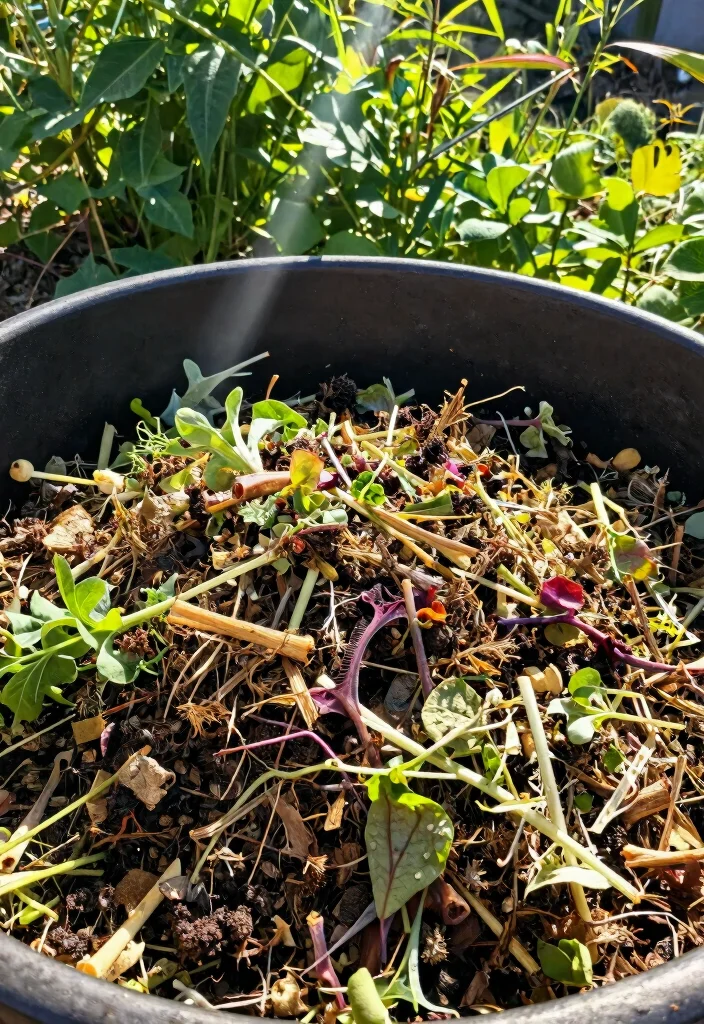
Weeds and trimmings from your garden are excellent for composting! They can enrich your soil while reducing garden waste. Just be cautious not to add weeds that are going to seed, as they can proliferate in your compost.
Chop them up to accelerate decomposition and mix them well with other materials.
Important notes for composting weeds:
– Ensure your weeds are healthy and non-invasive.
– Avoid diseased plants to prevent contamination.
– Mix with browns for a balanced compost environment.
This practice keeps your garden tidy and naturally enriches it!
14. Bread and Grains
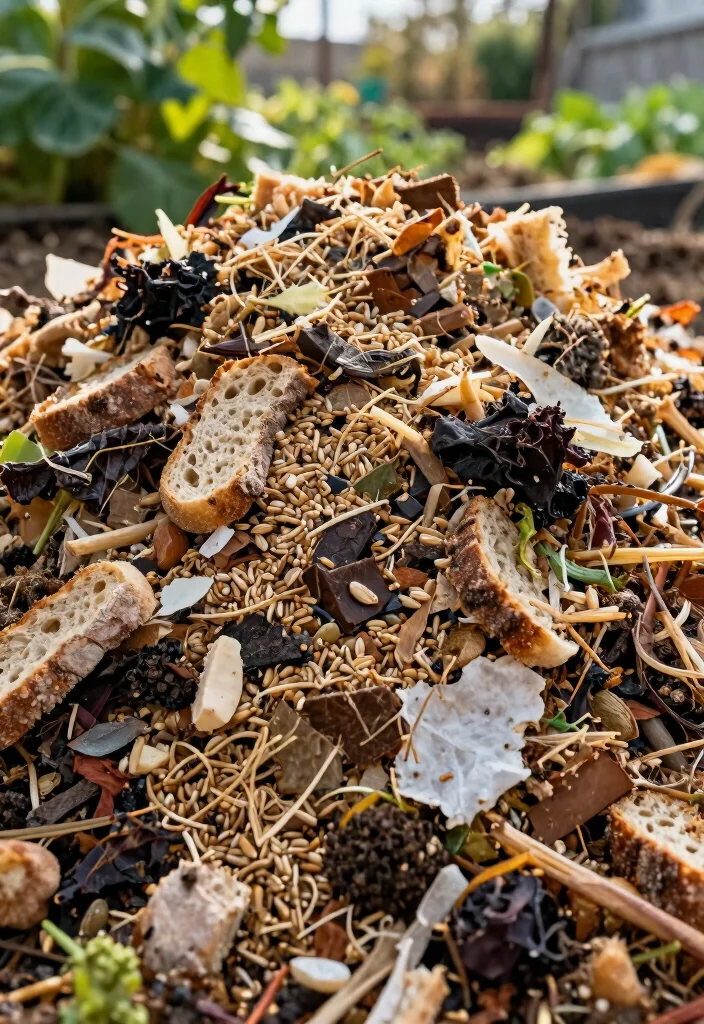
Surprisingly, bread and grains can be composted, but do so with care. Small quantities of stale bread, pasta, or rice can be beneficial, adding nitrogen and fostering microbial growth. Just mix them well with brown materials to maintain balance.
Be cautious not to add too many gluten-rich items, which can create a sticky mixture. Chop or break them into small pieces for quicker breakdown.
Fun facts about composting grains:
– Adding them can attract beneficial worms.
– Use in moderation for best results.
– Mix with other compost materials for balance.
So, instead of tossing that stale bread, consider it a gift for your compost bin!
Fun fact: a small pinch of stale bread or grains can boost compost bin items by feeding microbes and inviting worms. Chop them fine and mix with browns, but don’t flood with gluten-rich pieces—stick to small amounts for quicker, stick-free breakdown.
15. Unused or Expired Herbal Teas
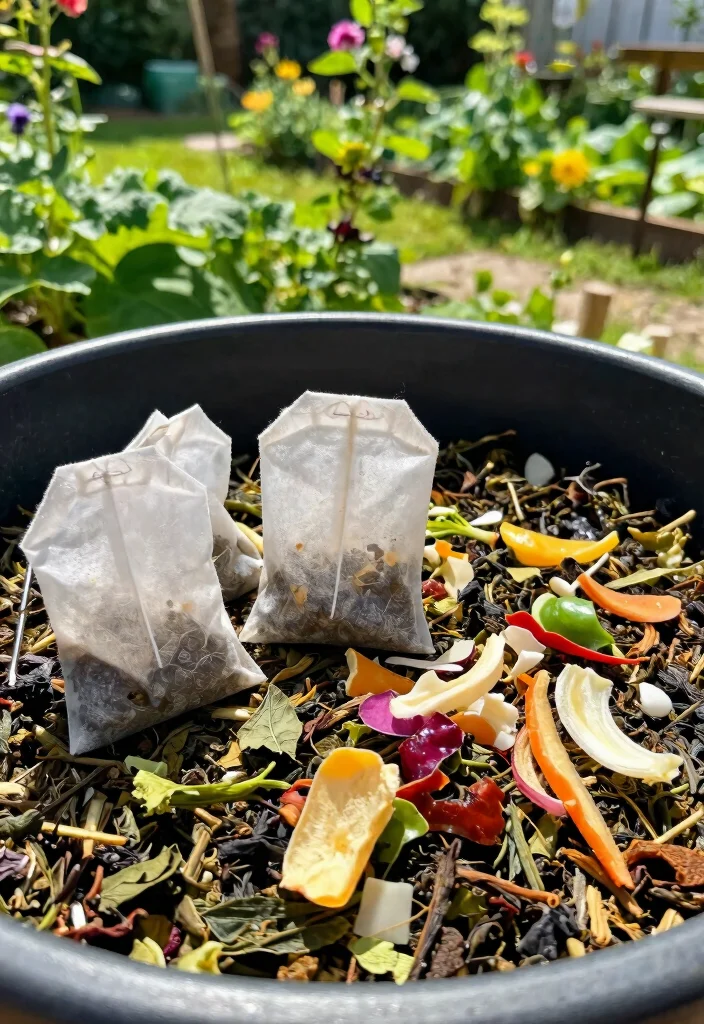
Unused or expired herbal teas can be a wonderful addition to your compost bin! Typically containing beneficial nutrients, they can enhance microbial activity in your compost pile. Just ensure the teabags are made of natural materials, as some may contain synthetic elements that won’t break down.
You can tear open the bags or add them whole, depending on the materials used. Mixing these into your compost not only provides nutrients but can also add a pleasing aroma!
Tips for composting herbal teas:
– Use biodegradable teabags for sustainable composting.
– Mix with other kitchen scraps for a nutrient boost.
– Monitor the balance of materials in your compost.
Your garden will flourish with the added nutrients from your compost!
Conclusion
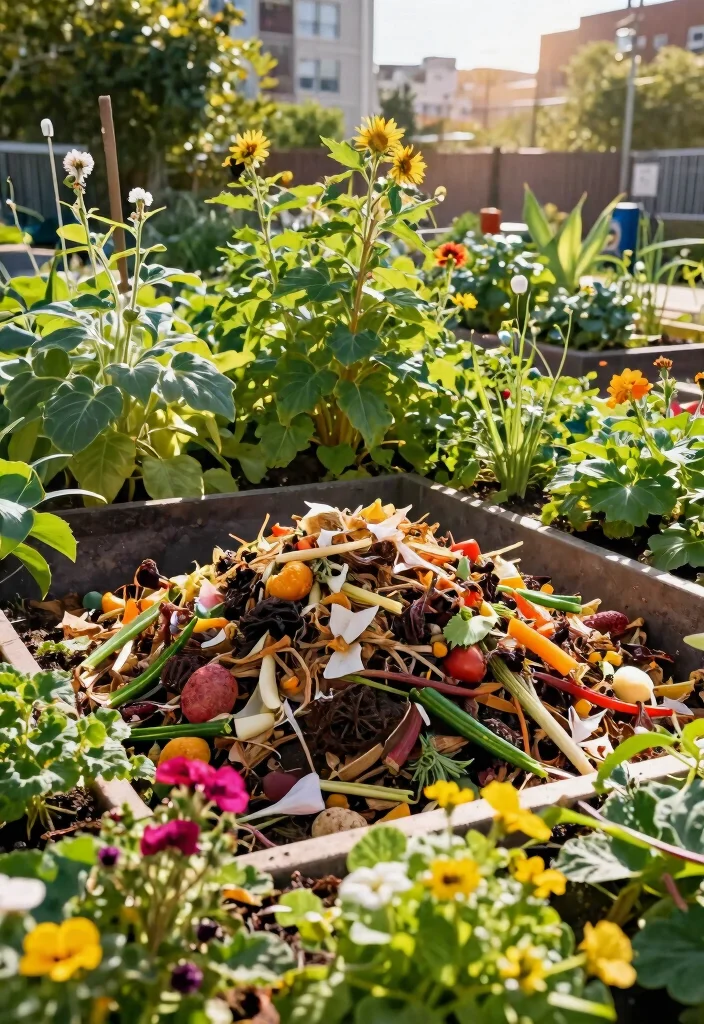
Incorporating these surprising compost bin items can make a substantial difference in your urban composting efforts. Not only do they help reduce waste, but they also enrich your soil, making your garden thrive. Whether it’s kitchen scraps or unexpected items from your home, each contributes to a healthier eco-system.
Adopting these composting tips in your small space can lead to a more productive garden and a greener lifestyle. So, roll up your sleeves, dive into your compost bin, and let nature do its work!
Note: We aim to provide accurate product links, but some may occasionally expire or become unavailable. If this happens, please search directly on Amazon for the product or a suitable alternative.
This post contains Amazon affiliate links, meaning we may earn a small commission if you purchase through our links, at no extra cost to you.
Frequently Asked Questions
What surprising compost bin items can I actually add in an urban, small-space garden?
Urban gardeners are often surprised by what can go into compost bin items in a small space.
Beyond the usual kitchen scraps, try adding coffee grounds and filters, tea bags (check labels), eggshells, shredded paper or cardboard, and even small amounts of yard waste like dried leaves or straw.
Chop bulky pieces to speed up the process and mix green kitchen scraps with brown materials for a good balance. Keep moisture like a wrung-out sponge, turn or aerate weekly, and avoid meat, dairy, and oily foods.
With these practical composting tips, your urban garden will produce rich, eco-friendly compost for garden composting in tight spaces.
Which kitchen scraps and everyday items are safe to add to a compact compost bin?
In a small-space setup, focus on kitchen scraps that break down quickly: fruit and vegetable peels, coffee grounds, used coffee filters, tea bags (check for plastic), eggshells, and small amounts of bread or grain leftovers.
Add shredded paper and cardboard for carbon, and if you have yard waste like dried leaves, add small amounts.
Avoid meat, dairy, oily foods, and large amounts of citrus. Chop scraps and keep a healthy mix of greens and browns to support eco-friendly gardening and fast garden composting.
Can non-food items like paper and cardboard be included in balcony-friendly garden composting?
Yes, many non-food items can boost your compost as long as you prep them first. Shred paper and tear cardboard into small strips to add carbon without creating a soggy mess.
Avoid glossy or heavily inked paper and waxy coatings. Uncoated egg cartons can go in once torn apart, and plain coffee filters or tea bags (with cotton strings) are usually fine.
These compost bin items help balance moisture and aeration for better composting tips in an urban setup.
What practical tips will speed up composting in a small space while keeping it odor-free?
Focus on a practical balance of greens and browns: add about equal parts kitchen scraps (greens) and dry materials like shredded paper or leaves (browns).
Chop or crush bulky items, aerate or turn weekly, and keep the pile damp like a wrung sponge.
Use a well-ventilated bin and cover it to minimize odors. With these composting tips, you’ll promote fast, garden composting in your apartment balcony or tiny yard.
Which items should I avoid to keep pests away and maintain a healthy compost bin?
To stay pest-free and maintain a pleasant-smelling bin, avoid meat, fish, dairy, and oily foods.
Skip pet waste and diseased plants, and be cautious with glossy magazines, heavily inked paper, or treated wood products. Don’t overdo citrus or onions in one shot, as they can throw off the balance.
If in doubt, lean on safer compost bin items and consider a separate worm bin or bokashi for tougher scraps. This keeps your eco-friendly gardening on track.
![9 Essential Compost Bin Maintenance Tips [No Bad Smells]](https://huserie.com/wp-content/uploads/2026/04/9-Essential-Compost-Bin-Maintenance-Tips-No-Bad-Smells-150x150.webp)
![15 Stunning Inflatable Pool Deck Ideas [Make It Look Built In]](https://huserie.com/wp-content/uploads/2026/04/15-Stunning-Inflatable-Pool-Deck-Ideas-Make-It-Look-Built-In-150x150.webp)