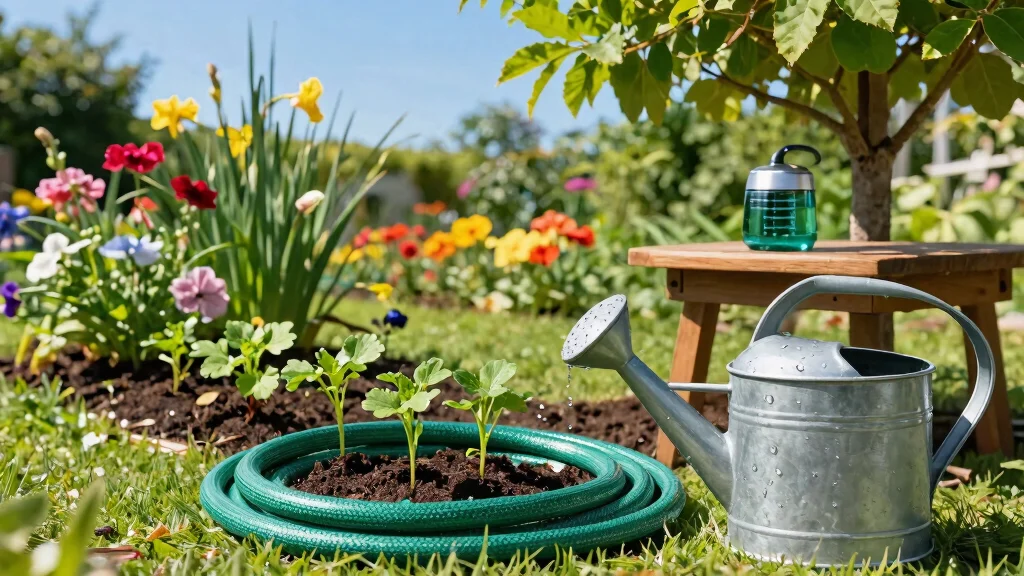
Gardening can be incredibly rewarding, but nothing is more frustrating than dealing with a leaky garden hose. I’ve been there, standing outside, watching precious water slip away instead of nourishing my plants. That’s why I’ve put together this guide. If you want to save water and keep your garden thriving, you’re in the right place.
Whether you’re a seasoned gardener or just starting out, these tips are designed with you in mind. You probably care about maintaining a healthy garden while being mindful of water usage. With the right garden hose connection tips, you can stop hose leaks fast and keep your outdoor watering solutions effective. I’ve gathered five easy strategies that are practical, efficient, and perfect for anyone looking to enhance their gardening experience.
What you’ll find here are actionable tips that will help you identify problems and provide solutions for your garden hose connections. From checking fittings to embracing smart watering systems, these methods will ensure that your hose is ready to deliver water right where you need it—without the waste. Let’s dive into these simple yet effective garden hose connection tips and get your garden back on track!
Key Takeaways
– Check and Replace Old Hose Fittings: Regularly inspect your hose fittings for wear and tear. Replace any old or damaged fittings to prevent leaks.
– Use Hose Washers for a Tight Seal: Don’t underestimate the power of hose washers. They create a snug fit that can stop water from escaping at the connection points.
– Secure Connections with Hose Clamps: For added security, hose clamps can be a lifesaver. They keep your connections tight and minimize the chances of leaks.
– Consider Upgrading to a Leak-Proof Hose: If your hose frequently leaks, consider investing in a leak-proof model. These hoses are designed to withstand wear and reduce leaking issues.
– Embrace Smart Watering Solutions: Explore modern watering tools like timers and moisture sensors. These technologies can help you manage water use efficiently while avoiding leaks.
1. Check and Replace Old Hose Fittings
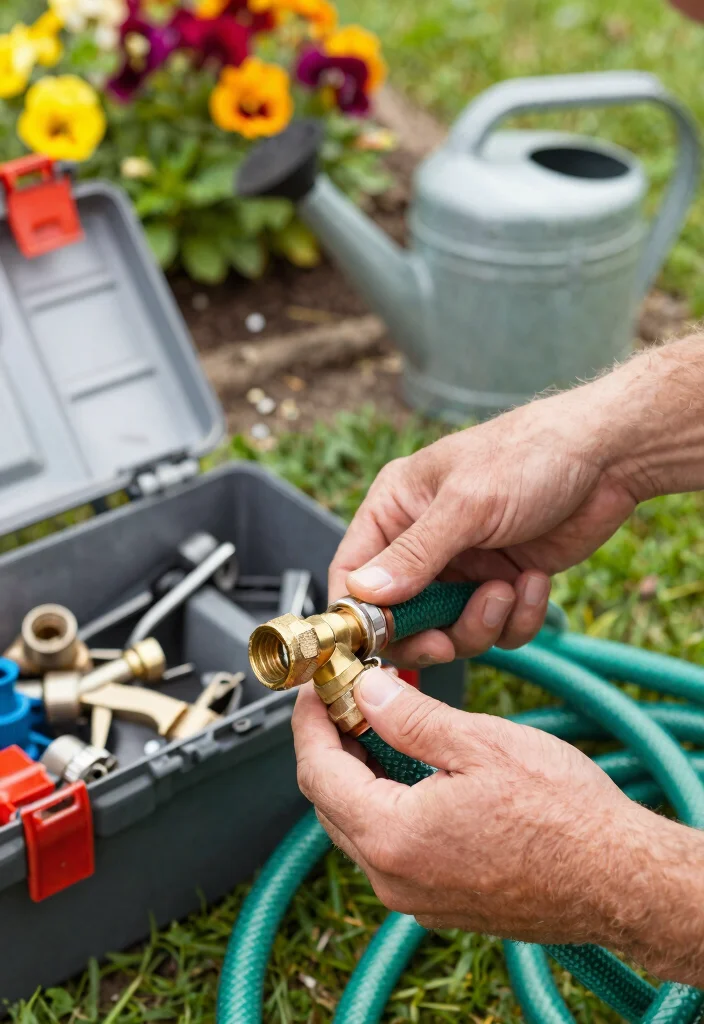
Old hose fittings can be a major source of leaks, leading to wasted water and a disrupted gardening experience. If you notice drips at your connections, it’s time to take action. Disconnect the hose and examine the fittings closely for any signs of wear or cracks. Replacing these parts is a quick fix that can save you from bigger issues down the line!
Begin by selecting durable materials when purchasing new fittings to ensure they last. Opt for threaded connectors that create a secure seal to minimize leaks. Don’t skip using plumber’s tape on the threads; it’s an extra layer of protection that goes a long way.
Key steps for replacing fittings:
– Inspect existing fittings for damage.
– Choose high-quality materials for replacements.
– Apply plumber’s tape for a tighter seal.
Fixing old fittings is an easy yet vital step to maintain a steady water supply for your plants. Enjoy uninterrupted watering and watch your garden flourish!
Did you know up to 80% of garden leaks come from old hose fittings? With these garden hose connection tips, simply disconnect and replace worn parts—it’s a quick fix that saves water and hassle. Upgrading to durable threaded connectors keeps drips at bay for good.
2. Use Hose Washers for a Tight Seal
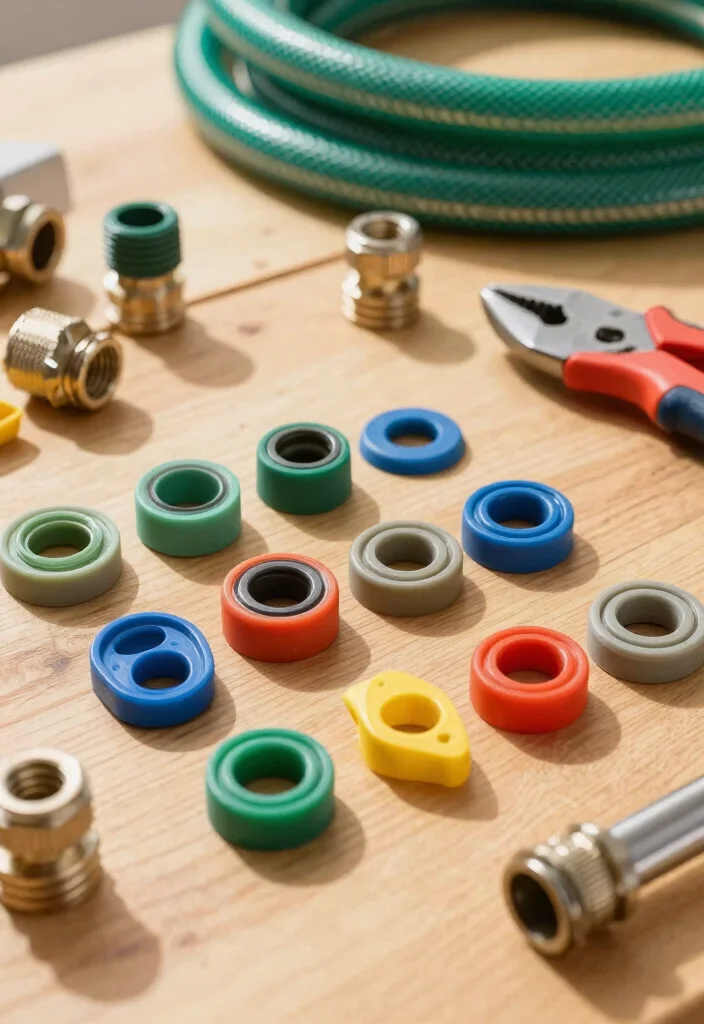
Hose washers are small yet mighty components that help prevent frustrating leaks at connection points. These little rubber rings form a water-tight bond between your hose and faucet. If you’re dealing with drips, start by checking the washers!
Using hose washers is not only cost-effective but also incredibly easy. They ensure a snug fit, significantly reducing leak chances. Replacing washers regularly can enhance the lifespan of your hose and its fittings.
Benefits of hose washers:
– Install them quickly and effortlessly.
– Achieve a tighter fit to prevent leaks.
– Extend the life of your hose with regular changes.
Adding a washer is as simple as removing the hose, sliding the new washer in place, and reconnecting. This small upgrade can truly transform your watering routine, keeping your garden vibrant and healthy!
3. Secure Connections with Hose Clamps
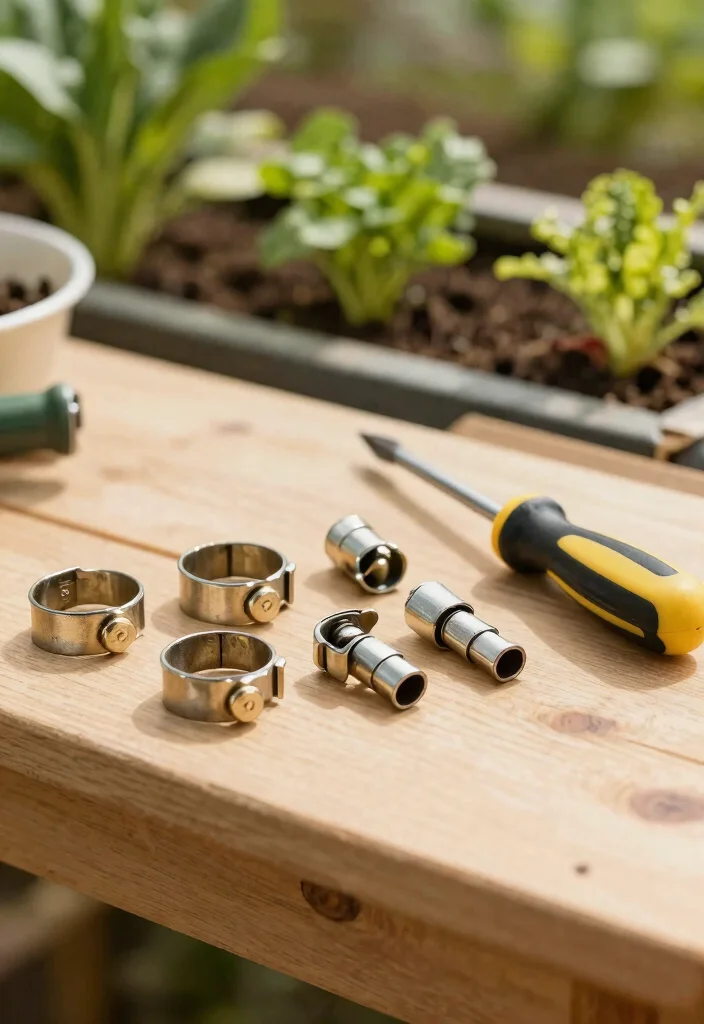
If your hose connections are still leaking despite checking fittings and washers, hose clamps are your best allies! These handy devices provide added security to your connections, ensuring water stays where it belongs.
To use hose clamps effectively, place the clamp over the fitting and tighten it with a screwdriver. Make sure it’s snug but avoid overtightening to prevent damage. It’s also wise to regularly inspect the clamps for wear, as they can rust or lose effectiveness over time.
Steps to secure connections:
– Position the clamp over the fitting and tighten.
– Ensure it’s snug without overtightening.
– Check clamps regularly for wear and tear.
Investing in hose clamps not only keeps leaks at bay but also gives you peace of mind knowing your watering setup is secure. They are essential tools for any gardener facing stubborn leaks!
Fun fact: a loose hose connection can waste up to 6 gallons of water per hour, turning a simple leak into a big bill. Use hose clamps to secure garden hose connection tips and save water fast.
4. Consider Upgrading to a Leak-Proof Hose
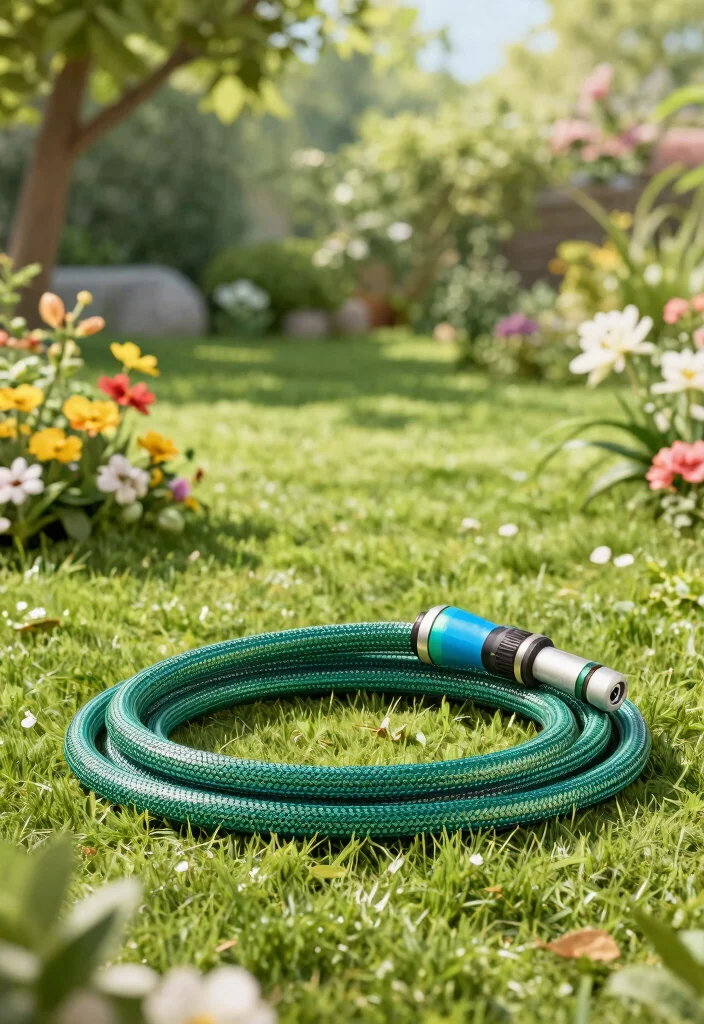
Tired of dealing with persistent leaks? Investing in a leak-proof hose could be the perfect long-term solution. These hoses are crafted with advanced materials to minimize leaks, making your gardening tasks much smoother and more enjoyable.
Leak-proof hoses are built to last, often featuring durable materials that withstand wear and tear. Many also come equipped with integrated connectors that help prevent leaks at the seams. This not only conserves water but also alleviates the worry of wasting resources.
Reasons to choose a leak-proof hose:
– Built from durable materials that resist wear.
– Often includes built-in connectors to prevent leaks.
– Saves water, promoting efficient plant care.
Opting for a leak-proof hose can lead to significant savings in the long run, cutting down on repair needs. Choosing this option is not just a purchase; it’s a step towards more responsible gardening practices!
As part of garden hose connection tips, a leak-proof hose can cut water waste by up to 30%. Durable materials and integrated connectors prevent leaks at seams, saving you time and gallons.
5. Embrace Smart Watering Solutions
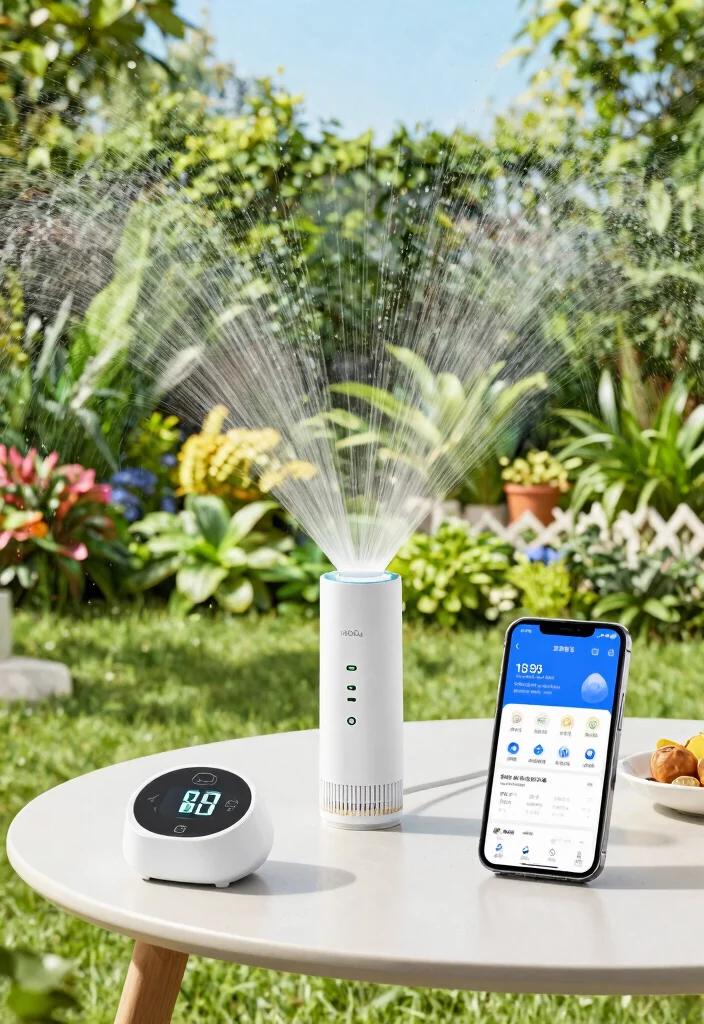
Integrating smart technology into your watering practices can completely change how you manage hose connections. Smart watering systems can detect leaks and alert you in real-time, allowing you to stay in control of your garden!
Consider smart solutions that enhance your gardening experience. Smart timers can automate watering schedules, while leak detection sensors notify you via smartphone of any issues. Automatic shut-off valves can prevent excessive water loss when problems arise.
Smart watering innovations include:
– Set smart timers for optimal watering times.
– Use leak sensors for immediate notifications.
– Implement shut-off valves to conserve water.
These advancements not only help eliminate leaks but also streamline your gardening routine, making it easier to ensure your plants thrive with just the right amount of water!
How To Choose the Right Hose Fittings
When it comes to fixing leaks in your garden hose, selecting the right hose fittings is key. These fittings connect your hose to various attachments, like sprayers or nozzles. If they are not chosen carefully, they can lead to leaks that waste water and frustrate your gardening efforts. Here’s how to choose the right hose fittings to ensure a tight seal and prevent leaks.
1. Size Matters
Choosing the correct size for your hose fittings is essential. Most standard garden hoses are 5/8 inch in diameter, but some can be 1/2 inch or 3/4 inch. Make sure to check your hose’s diameter before purchasing fittings. Mismatched sizes can lead to leaks, so measure accurately to avoid any mishaps.
2. Material Quality
Hose fittings come in various materials, including plastic, brass, and aluminum. Plastic fittings are lightweight and budget-friendly but may not withstand high pressure. Brass fittings are more durable and resistant to rust, making them a better choice for long-term use. Consider your gardening needs and choose a material that will last.
3. Type of Connection
Different hose fittings have different connection types. Look for quick-connect fittings if you want to easily switch attachments. These allow for hassle-free changes and often come with a secure locking mechanism. On the other hand, threaded connections are more stable but may require tools for assembly. Decide which type works best for your gardening style.
4. Leak-Proof Features
Many fittings now come with built-in leak-proof features, such as rubber washers or gaskets. These components help create a watertight seal when connecting hoses. Always check for these features when buying new fittings to ensure they can withstand pressure and prevent leaks. It’s a small detail that can save you a lot of water in the long run.
5. Budget Considerations
Hose fittings can range in price, so it’s wise to set a budget before shopping. While cheaper fittings may save you money upfront, they might not last as long. Investing in quality fittings could save you from frequent replacements and leaks. Compare prices, but also consider the long-term value of your purchase.
Pro Tip: Always keep a few extra fittings on hand. Having replacements ready can save you time and stress when a leak occurs unexpectedly. Plus, it keeps your garden watering efficient and hassle-free!
With these tips in mind, you can confidently choose the right hose fittings to stop those frustrating leaks. Whether you’re a novice gardener or an experienced green thumb, making informed choices will help you save water and keep your garden thriving. Happy gardening!
Conclusion
Taking the time to implement these garden hose connection tips can significantly reduce leaks and help you conserve water in your gardening efforts. A few simple changes can lead to a more efficient and successful gardening experience!
By investing in high-quality materials, using smart tools, and embracing innovative technology, your garden can thrive while you save water and energy. Happy gardening!
Note: We aim to provide accurate product links, but some may occasionally expire or become unavailable. If this happens, please search directly on Amazon for the product or a suitable alternative.
This post contains Amazon affiliate links, meaning we may earn a small commission if you purchase through our links, at no extra cost to you.
Frequently Asked Questions
What are the best garden hose connection tips to stop leaks fast?
When leaks pop up, start with the basics: inspect the garden hose connection tips and replace worn gaskets. Check both ends and the spigot for wear. Replace the hose fittings or the washer in the coupler. If threads are stubborn, a small amount of thread seal tape can help seal without over-tightening. Avoid overtightening, which can strip threads and create more leaks. If the end is damaged, try a garden hose repair kit or quick-connect adapters to stop hose leaks and keep water flowing. These practical steps fit into everyday gardening tips for efficient watering and better outdoor watering solutions.
How can I prevent leaks at hose fittings and connectors?
Preventing leaks starts with clean, tight connections. Keep threads dry and free of debris, replace worn washers, and upgrade to sturdy hose fittings like brass. Avoid overtightening, which can damage threads. If leaks linger at the faucet, install a hose-end quick-connect and try thread seal tape when appropriate. Store hoses out of sun and cold to prevent cracking, a simple but effective gardening tips that reduces waste and outdoor watering solutions.
What tools and supplies do I need for garden hose repair to stop hose leaks?
Gather a small garden hose repair kit, replacement washers, new hose fittings, and a roll of thread seal tape. A pair of pliers and an adjustable wrench help with stubborn fittings, and a utility knife makes it easy to cut damaged hose sections. Have a spare hose sleeve or mender on hand for quick fixes. With these supplies, you can tackle garden hose repair projects quickly and keep your outdoor watering solutions flowing.
Pro tip: always test for leaks after reassembly using soapy water.
Why does my hose leak and how can I diagnose and fix it quickly?
Hose leaks usually come from worn washers, cracked fittings, or damaged hose ends. Start by inspecting the hose fittings and the washer inside couplers. Wipe threads clean, then run soapy water along connections to spot leaks. Replace worn washers and any cracked hose fittings. If the leak is along the hose body, consider replacing a damaged section with a garden hose repair kit. These simple checks are powerful garden tips for a reliable outdoor watering solution.
What outdoor watering solutions can help save water and reduce hose leaks?
Think beyond the hose end. Use a drip irrigation or soaker hose setup for deep watering with less run-off, paired with a timer for efficiency. When you keep your hose neat and off the ground, you reduce kinks and leaks—try a hose reel or kink-resistant hose. Choose adjustable hose nozzles to reduce water waste, and consider outdoor watering solutions like rain barrels and smart controllers. All of these are practical gardening tips to stop hose leaks and maximize water-saving gardening tips.
![9 Essential Compost Bin Maintenance Tips [No Bad Smells]](https://huserie.com/wp-content/uploads/2026/04/9-Essential-Compost-Bin-Maintenance-Tips-No-Bad-Smells-150x150.webp)

![15 Stunning Inflatable Pool Deck Ideas [Make It Look Built In]](https://huserie.com/wp-content/uploads/2026/04/15-Stunning-Inflatable-Pool-Deck-Ideas-Make-It-Look-Built-In-150x150.webp)