![9 Essential Compost Bin Maintenance Tips [No Bad Smells]](https://huserie.com/wp-content/uploads/2026/04/9-Essential-Compost-Bin-Maintenance-Tips-No-Bad-Smells.webp)
Creating a compost bin is a fantastic way to manage organic waste while enriching your garden. Yet, many people fear it will lead to unpleasant odors. That’s why I put together this guide: to help you maintain an odor-free compost bin. Composting might feel daunting at first, especially if you’re a beginner, but with the right tips, you can enjoy the process and benefit from your composted materials.
If you’re someone who loves gardening, urban farming, or simply wants to be more eco-friendly, this post is for you. Whether you live in a small apartment or have a big backyard, I’ve gathered essential compost bin maintenance tips that will keep your organic waste management hassle-free. You’ll learn how to balance materials, manage moisture, and keep pests away. Plus, you’ll discover how to turn composting into a fun learning experience for yourself and your family.
Get ready to dive into nine essential tips that are practical, easy to understand, and, most importantly, will help you create a compost bin that produces rich, nutrient-dense soil without any bad smells. You’ll walk away feeling confident and empowered to make composting a part of your routine.
Key Takeaways
– Choose the Right Bin: Selecting the perfect compost bin for your space can make a huge difference in maintenance and efficiency.
– Balance Materials: Mixing green (nitrogen-rich) and brown (carbon-rich) materials is key to keeping your compost healthy and odor-free.
– Aerate Regularly: Turning your compost helps incorporate oxygen, speeding up decomposition and preventing foul smells.
– Monitor Moisture Levels: Keeping your compost neither too wet nor too dry is crucial for avoiding odors and promoting successful composting.
– Use Finished Compost Wisely: Applying your compost strategically in your garden can enhance plant growth and nutrient absorption.
1. Choose the Right Bin for Your Space
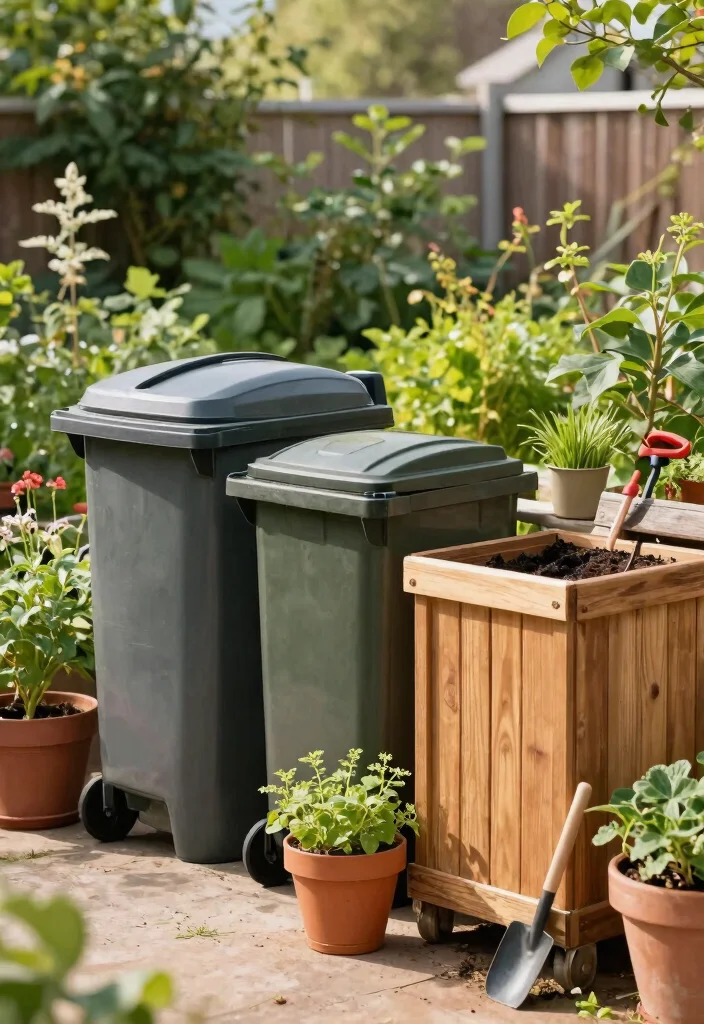
Finding the perfect compost bin can make all the difference in your composting journey. Whether you’re in a small apartment or have a spacious backyard, the right bin can simplify your experience while keeping your area tidy. Look for options like kitchen composters that seamlessly fit on your countertop or tumblers that speed up the process with easy aeration. A stationary bin can handle larger amounts, making it ideal for those with more room to spare.
Think about the materials as well; bins crafted from recycled plastics or natural wood can complement your outdoor space beautifully. Ensure your bin has good ventilation, as proper airflow is key to preventing unpleasant odors.
Key considerations when choosing your bin:
– Select a size that matches your food waste output.
– Choose a style that enhances your outdoor aesthetic.
– Look for a secure lid to keep pests out and reduce odors.
2. Balance Green and Brown Materials
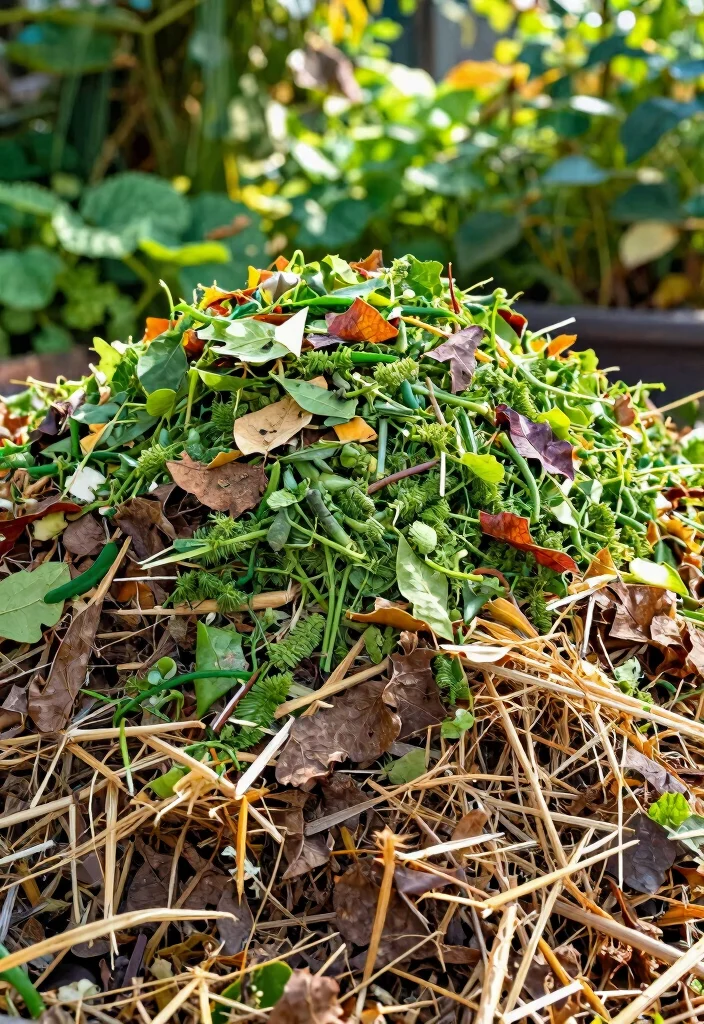
Maintaining a harmonious mix of green and brown materials is essential for successful composting. Green materials, like vegetable scraps and grass clippings, provide nitrogen, while brown materials such as dried leaves and cardboard contribute carbon. Aim for a ratio of three parts brown to one part green for optimal decomposition and odor control.
Too many greens can create a soggy mess, leading to unpleasant smells, while excess browns can slow down the composting process. Regularly monitoring this balance will keep your compost healthy and efficient.
Tips for balancing materials effectively:
– Separate browns like dried leaves in a specific container.
– Use kitchen scraps daily to keep greens fresh.
– Mix the compost frequently to improve airflow and even out ingredients.
3. Aerate Regularly

Aeration is a vital step in maintaining a healthy compost bin and minimizing odors. By turning your compost every couple of weeks, you promote airflow and mix materials, preventing anaerobic conditions that lead to bad smells. Use a garden fork or aerator to give your compost a thorough mix, akin to providing it a refreshing breath of air!
Keep an eye out for areas that feel too wet or compacted, as these may indicate a need for aeration. If you notice any unpleasant odors, it’s a clear sign to mix things up.
Effective aeration practices include:
– Monitor moisture levels and add water if necessary while aerating.
– Incorporate top layers into the center for uniform breakdown.
– Involve family members to make aeration a fun group activity.
Regular aeration is one of the core compost bin maintenance tips. Turn every couple of weeks to keep air flowing and odors at bay—it’s a simple, practical habit every urban gardener can use.
4. Monitor Moisture Levels
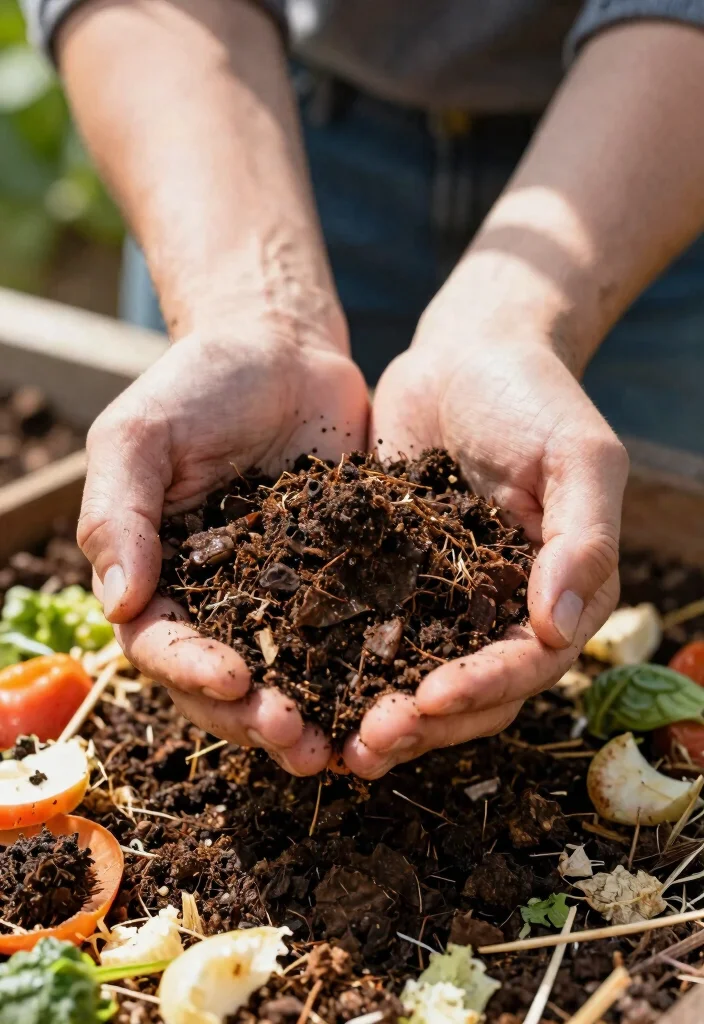
Maintaining the right moisture level in your compost is crucial for effective decomposition and odor control. If it’s overly wet, you risk creating a slimy, stinky mess; too dry, and the process will stall. Aim for moisture levels that feel like a damp sponge—wet but not dripping.
You can easily check moisture by grabbing a handful of compost; if it holds its shape without releasing water, you’re in good shape! If it feels dry, add some water or fresh greens, and if it’s too wet, mix in more browns.
Tips to manage moisture levels:
– Check moisture frequently, especially during warm months.
– Protect your compost from freezing conditions in winter by covering it.
– Keep a spray bottle handy to mist your compost when needed.
5. Compost Smaller Pieces

Smaller pieces of compost materials break down faster, leading to quicker compost creation and less odor. By chopping or shredding your food scraps and yard waste, you allow microbes to work more efficiently. You don’t need special tools—kitchen scissors or a garden pruner will do just fine!
This practice not only speeds up decomposition but also prevents clumping, which can create anaerobic conditions that produce unwanted smells.
Strategies for preparing compost materials:
– Keep sharp kitchen scissors handy for easy cutting.
– Use a wood chipper for larger branches if necessary.
– Organize prepped materials in a separate container for easy access.
6. Add Compost Activators
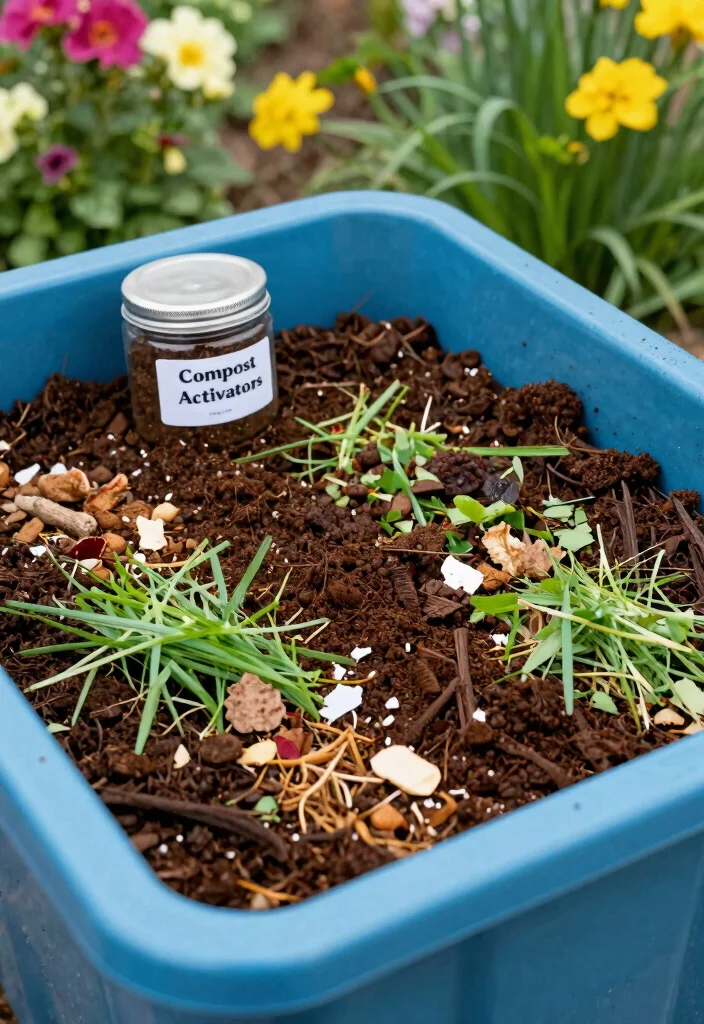
Using compost activators can significantly enhance the decomposition process. These activators can range from store-bought options to natural ingredients like coffee grounds and grass clippings, which are rich in nitrogen. Adding these materials boosts microbial activity, helping your compost break down faster and smell better.
When adding activators, start with small amounts to avoid overwhelming your compost. Regularly incorporating these elements keeps your compost lively and productive.
Ideas for compost activators:
– Add leftover coffee grounds for a nitrogen boost.
– Mix in fresh grass clippings after mowing.
– Ensure any manure used is well-composted to avoid pathogens.
Fun fact: nitrogen-rich activators like coffee grounds and grass clippings can boost the compost’s microbial activity. Used wisely, these activators can speed decomposition by 20-30% and improve smell—a simple win for your compost bin maintenance tips.
7. Keep Pests at Bay
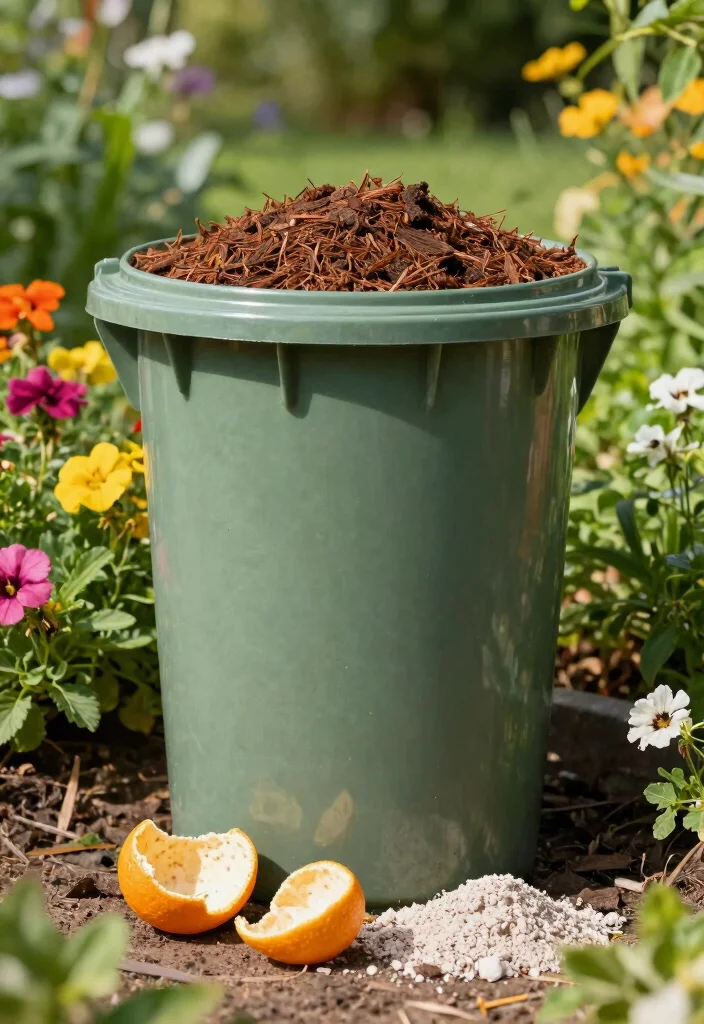
Pests can quickly become a headache for composters, especially in urban areas. To keep pests away, ensure your compost bin is properly sealed when not in use and steer clear of adding meat, dairy, or oily foods that attract unwanted visitors. Covering your compost with a layer of browns can help disguise odors that lure pests in.
If you do encounter pests, consider using natural deterrents like diatomaceous earth or citrus peels for a safe solution.
Tips for pest prevention:
– Always cover your compost bin after adding new materials.
– Regularly inspect for signs of pests to address issues early.
– Ensure good ventilation to deter pests from settling in.
8. Turn It Into a Learning Experience

Composting can be an engaging and educational activity for you and your family. Involve your kids to teach them about the importance of organic waste management and recycling. Creating a compost journal can help track what you add and monitor the compost’s progress, making it a fun project for everyone.
Consider hosting workshops with friends or neighbors to spread the joy and knowledge of composting.
Fun ways to make composting educational:
– Organize a composting day where everyone contributes scraps.
– Share your composting journey on social media or local gardening groups.
– Encourage kids to observe changes, turning it into an exciting science project.
Fun fact: kids remember 80% more when they learn by doing, like tracking compost progress in a family journal. Turn compost bin maintenance tips into a learning adventure—host a mini workshop, log what you add, and watch curiosity grow.
Ongoing Maintenance & Care Guide
Maintenance Schedule:
Daily/Weekly Tasks:
– Check for odors: Take a quick sniff around your compost bin to ensure it smells earthy rather than foul. This takes about 5 minutes.
– Add kitchen scraps: Regularly add organic waste like fruit peels, vegetable scraps, and coffee grounds. This can be done in just 10 minutes.
– Turn the compost: Use a pitchfork or shovel to aerate your compost. This promotes faster decomposition. Allow about 10-15 minutes for this task.
Monthly/Seasonal Tasks:
– Assess moisture levels: Check if your compost is too dry or too wet. Add water or dry materials as needed. This usually takes about 15-20 minutes.
– Chop up larger materials: If you notice large chunks, chop them into smaller pieces to speed up decomposition. Set aside 30 minutes for this task.
– Review the bin’s position: Ensure your compost bin is in a suitable spot, getting enough sunlight and shade. Spend around 15 minutes on this inspection.
– Add compost activators: Consider adding materials like aged manure or commercial compost starters to boost the composting process. Allocate about 10 minutes for this task.
Maintenance Summary Table:
| Task | Frequency | Difficulty | Time Needed |
|—————————–|—————-|————|————-|
| Check for odors | Daily | Easy | 5 minutes |
| Add kitchen scraps | Daily | Easy | 10 minutes |
| Turn the compost | Weekly | Moderate | 10-15 mins |
| Assess moisture levels | Monthly | Moderate | 15-20 mins |
| Chop up larger materials | Monthly | Moderate | 30 minutes |
| Review bin position | Monthly | Easy | 15 minutes |
| Add compost activators | Monthly | Easy | 10 minutes |
Common Issues to Watch For:
⚠️ Foul odors: If your compost emits a strong, unpleasant smell, it might be too wet or have an imbalance of materials. Check moisture levels and adjust the green and brown ratios.
⚠️ Pests: If you notice flies or rodents, it may be due to food scraps being exposed. Ensure that you bury scraps and cover the bin properly.
⚠️ Slow decomposition: If the compost isn’t breaking down quickly, it may lack aeration or moisture. Turn the pile and monitor moisture levels closely.
⚠️ Excess moisture: If the compost feels soggy, it can lead to anaerobic conditions. Mix in dry materials like shredded leaves or newspaper to soak up the moisture.
⚠️ Dry compost: If your compost seems too dry, it will slow down the process. Add water or moist materials to bring it back to the right humidity level.
Care Tips:
💡 Layer correctly: Always balance your greens (kitchen waste) and browns (leaves, cardboard). Aim for a ratio of about 1:3 for best results.
💡 Use a compost thermometer: This helps monitor the temperature of your compost. Ideal temperatures range between 130°F and 160°F for effective breakdown. This can save you time and effort.
💡 Keep it covered: If your compost bin has a lid, keep it closed to maintain moisture and deter pests. This simple habit prevents many common issues.
💡 Rotate the pile: Every few weeks, mix your compost thoroughly. This ensures even breakdown and aeration, leading to quicker results.
💡 Educate yourself: Stay informed about composting best practices. Reading articles or joining local composting groups can provide new insights and solutions.
By following this ongoing maintenance and care guide, you’ll create an effective compost system that reduces waste and enriches your garden without unpleasant odors. Happy composting!
9. Use Finished Compost Wisely

Once your compost is ready, it’s time to enjoy its benefits! Finished compost should smell rich and earthy, signaling that it’s perfect for enriching your garden or potted plants. Applying it as a top dressing or mixing it into garden beds enhances soil health and provides vital nutrients. This not only nourishes your plants but helps retain moisture and improves soil structure.
Use your finished compost strategically for the best results:
– Incorporate it into seedlings for a robust start.
– Use it around plants as mulch to suppress weeds.
– Consider sharing your compost surplus with neighbors for a community boost!
Conclusion
Maintaining a compost bin doesn’t have to be a smelly affair. With these nine essential compost bin maintenance tips, you’ll be well on your way to nurturing your urban garden while optimizing organic waste management.
Remember to choose the right bin, balance your materials, and keep those pesky odors at bay for a thriving compost experience. Happy composting!
Note: We aim to provide accurate product links, but some may occasionally expire or become unavailable. If this happens, please search directly on Amazon for the product or a suitable alternative.
This post contains Amazon affiliate links, meaning we may earn a small commission if you purchase through our links, at no extra cost to you.
Frequently Asked Questions
What are the essential compost bin maintenance tips for odor-free composting?
These compost bin maintenance tips help you master odor-free composting and smarter organic waste management.
Start with a well-ventilated bin placed in a shady spot away from doors; a tight lid helps control airflow and pests. Aim for a balance of greens and browns—kitchen scraps with dry leaves or shredded paper—and keep moisture like a wrung-out sponge. Regular aeration by turning or tumbling keeps the pile aerobic and minimizes smells; drain leachate and add dry browns if it becomes too wet. Finally, avoid meat, dairy, or oily scraps, which can trigger odors and pests. With these compost bin maintenance tips, you’ll enjoy odor-free composting and simpler organic waste management in compact urban spaces.
How can I prevent smells when composting in a small urban space?
Preventing smells starts with proper airflow and balance.
Use a bin designed for odor control with vents and a secure lid, and place it in a shaded, breezy area away from living spaces. Layer greens (fruit/veg scraps) with browns (dry leaves, paper) to reach a moisture level like a wrung sponge. If odors appear, add carbon-rich materials, give the pile a turn to aerate, and reduce fresh greens. Avoid meat, dairy, oils, and excessive fruit juice that attract pests. These simple composting best practices keep urban setups odor-free while making the most of your kitchen scraps.
What are beginner-friendly compost bin maintenance tips I should know?
Great question for beginners. Start small with a compact bin and a kitchen caddy, then ease into solid composting habits.
Keep a rough greens-to-browns ratio, and monitor moisture—think a damp sponge, not a wet rag. Turn or aerate every couple of weeks (more often in warmer weather) to speed up composting and reduce odors. Cover scraps with a layer of browns after adding greens, avoid meat/dairy, and keep the lid closed to deter pests. With these compost bin care basics, you’ll follow proven composting best practices and get confident with organic waste management.
How should I manage organic waste effectively with a small-space compost bin?
Make a simple routine that fits small spaces.
Keep a kitchen container with a lid for daily scraps, then add to the bin in layers of greens and browns. Chop bulky items to speed decomposition, and maintain moisture around a damp sponge so the pile stays active without getting soggy. If space is tight, consider a compact tumbling bin for easier turning. Drain excess liquid regularly and finish by using the finished compost in pots and garden beds—this is the essence of organic waste management with smart compost bin care.
How often should I turn and water my compost bin to maintain odor-free composting?
For a steady, odor-free process, turn the pile every 1-2 weeks when it’s active; in hot weather you may want to turn weekly to keep aeration high.
Water as needed so the material stays like a damp sponge—not soaking wet. If you notice heaviness or a sour smell, give it more browns, increase airflow, and rotate the bin to fix hotspots. Following these guidelines keeps compost bin maintenance tips practical and delivers reliable results in urban setups.
![9 Essential Compost Bin Maintenance Tips [No Bad Smells]](https://huserie.com/wp-content/uploads/2026/04/9-Essential-Compost-Bin-Maintenance-Tips-No-Bad-Smells-150x150.webp)



![15 Stunning Inflatable Pool Deck Ideas [Make It Look Built In]](https://huserie.com/wp-content/uploads/2026/04/15-Stunning-Inflatable-Pool-Deck-Ideas-Make-It-Look-Built-In-150x150.webp)