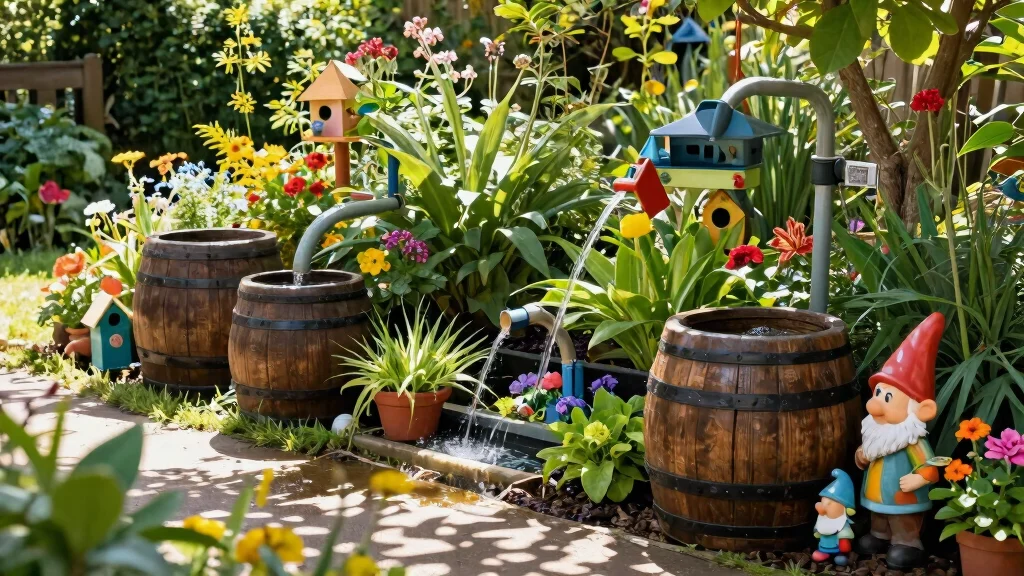
Rainy days can stir up a mix of feelings—while some enjoy the cozy ambiance, others dread the potential of yard flooding. If you’ve ever witnessed your garden transformed into a small pond, you’re not alone. This post is all about tackling that frustration head-on. I created this guide to help you explore smart rain barrel overflow ideas that can effectively prevent flooding.
If you’re a gardening enthusiast or simply someone who wants to keep their yard in top shape, this content is tailored for you. You care about managing water effectively and maintaining a thriving garden. Whether you’re looking to save rainwater, improve drainage, or implement sustainable gardening practices, you’ll find valuable insights here.
In this post, I’ve compiled 11 innovative ideas that are practical, eco-friendly, and easy to implement. Each idea serves as a solution to the common problem of rain barrel overflow, ensuring your garden stays healthy and dry. Let’s dive into these creative approaches and set up your outdoor space to thrive, rain or shine!
Key Takeaways
– Learn how to create a French drain to redirect excess water away from your garden and prevent puddles.
– Discover the benefits of building a rain garden, a beautiful and functional solution that absorbs overflow while attracting wildlife.
– Implement a swale for effective water management, allowing you to guide rainwater to where it’s needed most.
– Find out how to install a dry well, which can capture overflow and slowly release it into the ground, keeping your yard clear.
– Explore the idea of using permeable pavers in your landscaping, which allow rainwater to soak through, reducing runoff and enhancing drainage.
1. Create a French Drain
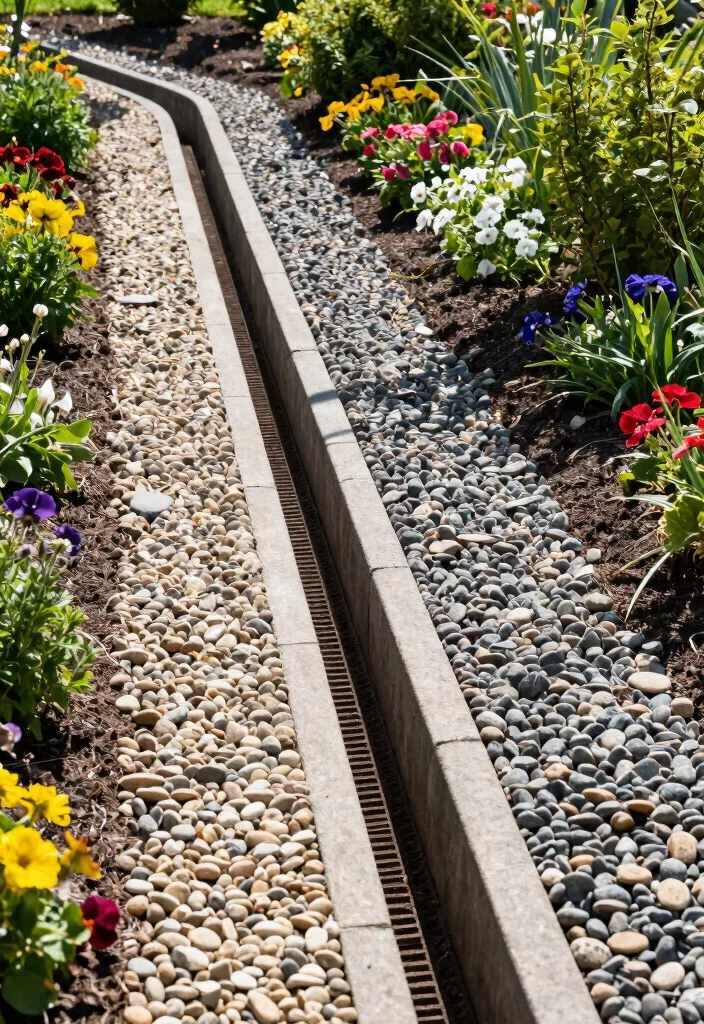
If you’re struggling with rainwater pooling in your yard, a French drain can be your best ally. This system channels excess water away from your rain barrel, keeping your garden safe and dry. By digging a trench filled with gravel, you can prevent erosion and manage heavy rainfall effectively. It’s a practical and visually appealing solution that enhances your outdoor space.Begin by evaluating your yard’s layout to determine the best drainage path. Aim for a slope that directs water towards a dry area or a designated drainage spot. With this approach, you can protect your plants and keep your yard looking pristine.Key steps to create your French drain:
– Mark the trench area to avoid underground utilities.
– Dig a trench about 6 inches wide and 12 inches deep.
– Line the trench with landscape fabric to keep dirt out while allowing water to flow.
– Fill with gravel or crushed stone, maintaining a slope for efficient drainage.
– Cover it with more landscape fabric and soil for a tidy appearance.
Completing this project over a weekend will drastically reduce flooding risks while beautifying your garden.
2. Build a Rain Garden
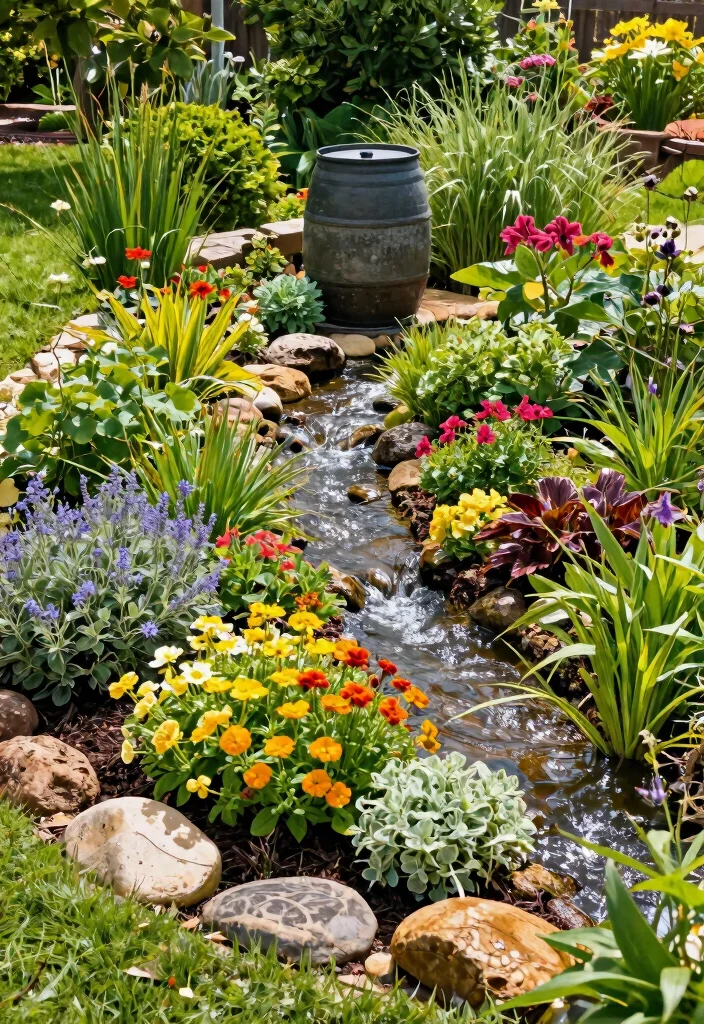
Transform your rainwater overflow into a lively rain garden that not only manages water but also attracts local wildlife. By strategically planting native species, you can create an ecosystem that thrives on excess rainwater, improving your garden’s drainage and aesthetics. This is a beautiful and eco-friendly option that enhances your outdoor environment.Select a low-lying area where water naturally accumulates and choose plants that flourish in wet conditions. This way, you can create a vibrant habitat while effectively utilizing overflow water.Steps to design your rain garden:
– Choose a spot that receives runoff from your rain barrel.
– Dig a basin about 6 to 12 inches deep to hold water.
– Plant a variety of native species like sedges, wildflowers, and shrubs.
– Add mulch to retain moisture and suppress weeds.
– Guide water from your rain barrel into the garden with decorative stones or pipes.
This approach not only enhances biodiversity but also creates a stunning focal point in your yard.
Fun fact: Properly placed rain gardens can cut runoff by up to 50% during storms. Turn rain barrel overflow ideas into habitat by planting native species in a low-lying area, boosting drainage and attracting wildlife.
3. Use a Swale for Water Management
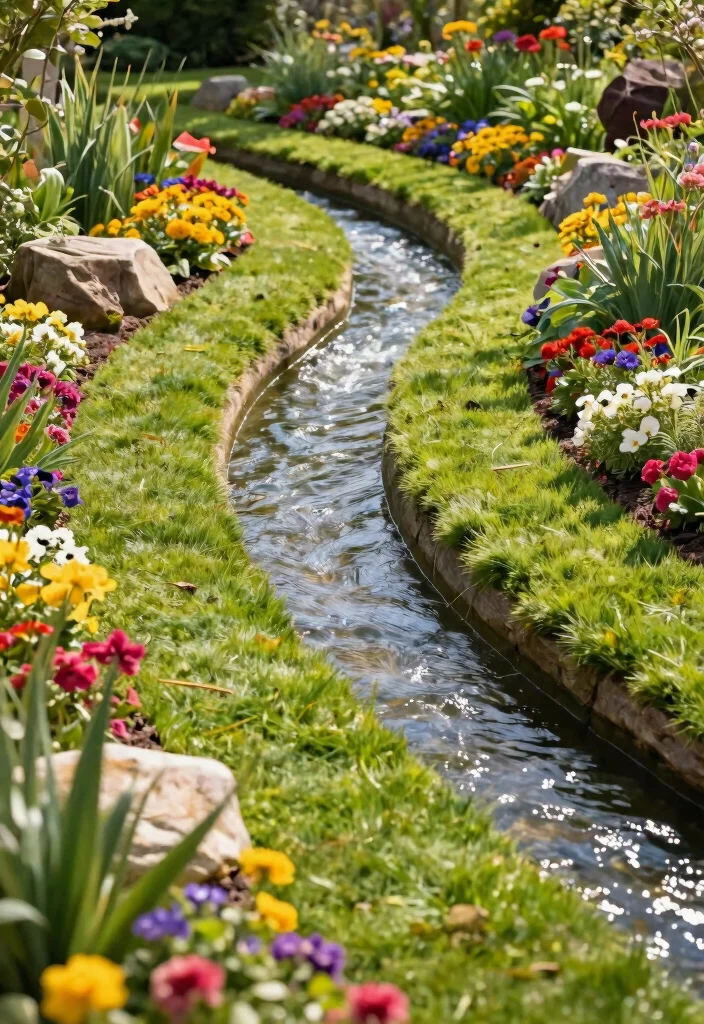
Swales are an effective and charming solution for managing rainwater overflow. These shallow ditches can guide excess water away from your garden while adding a unique landscaping feature. With the right plants, they can blend seamlessly into your yard, providing both function and beauty.Plan your swale’s path carefully to direct water where it needs to go. This not only prevents flooding but also enhances the overall look of your landscape.Steps to create a swale:
– Design the swale’s path to ensure efficient water drainage.
– Dig a shallow ditch about 2 to 4 feet wide with a gentle slope.
– Line it with grass or perennial plants that thrive in wet conditions.
– Add decorative stones at the edges for a polished finish.
– Connect it to a drainage area or dry well to handle extra water.
This solution will help manage overflow while adding a distinctive feature to your outdoor space.
4. Install a Dry Well
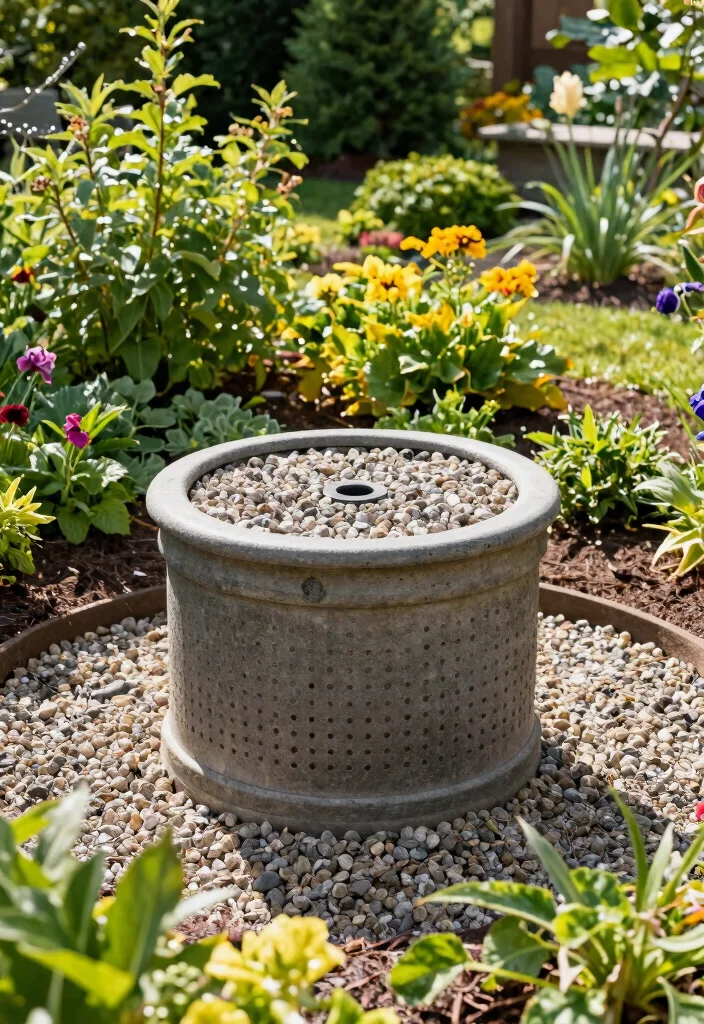
A dry well is an excellent option for those with limited yard space. This underground structure collects excess rainwater and disperses it efficiently, preventing yard flooding. Building a dry well is straightforward and can be done using easily accessible materials from your local hardware store.Select a location that is away from your home’s foundation to avoid any drainage issues. This ensures your yard remains safe and dry.Steps to install your dry well:
– Choose a site away from your home’s foundation for safety.
– Excavate a hole about 3-4 feet deep for the storage container.
– Line the hole with gravel or a perforated barrel for drainage.
– Cover it with soil, keeping it level with the ground.
– Connect your rain barrel overflow pipe using PVC piping.
This discreet solution keeps your yard free from excess water while maintaining its beauty.
5. Create a Gravel Pit
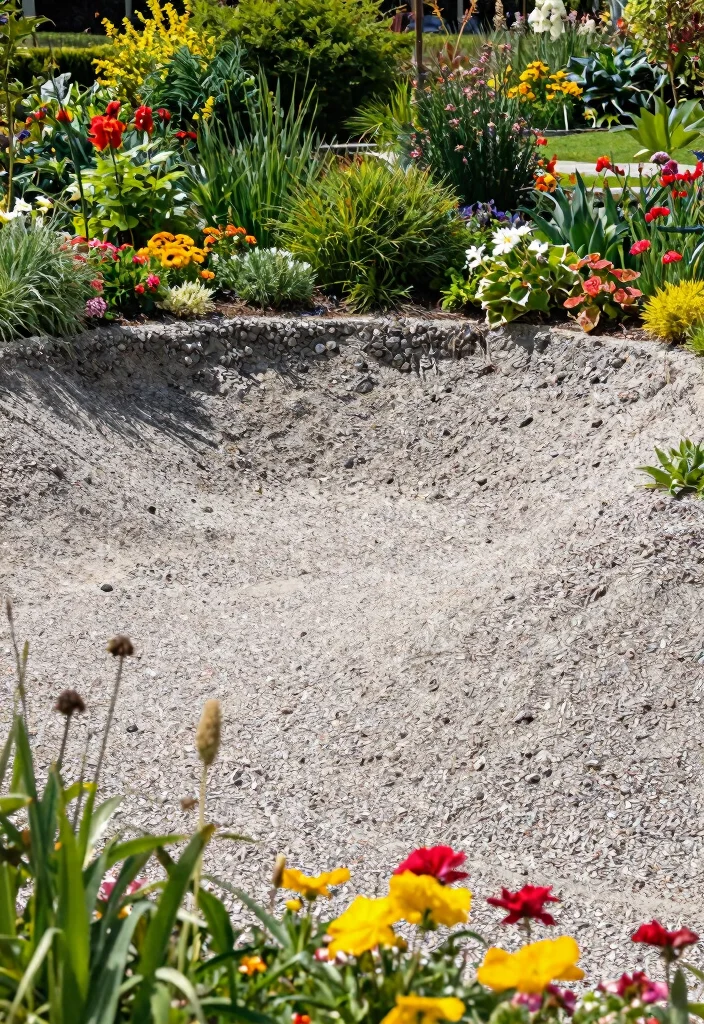
A gravel pit is a simple and effective way to handle excess rainwater from your rain barrel. By digging a shallow pit and filling it with gravel, you can absorb overflow water and allow it to percolate into the ground. This low-maintenance solution integrates well with your garden.Choosing the right location is key to maximize drainage benefits. This allows you to manage rainwater effectively without compromising your garden’s aesthetics.Steps to create your gravel pit:
– Find a suitable spot in your yard for drainage.
– Dig a shallow pit about 2-3 feet deep based on your needs.
– Fill it with drainage gravel for optimal water absorption.
– Surround the pit with ornamental grasses or native plants for a natural look.
– Connect the rain barrel overflow to the gravel pit for efficient water flow.
This solution blends beautifully into your garden while managing excess water discreetly.
Fun fact: a shallow gravel pit as small as 6 inches deep can absorb rainwater fast, cutting runoff dramatically. Dig a pit, fill with clean gravel, and let rain barrel overflow percolate away from foundations. This is one of the simplest rain barrel overflow ideas for a garden upgrade.
How To Choose The Right Rain Barrel Overflow Solution
Choosing the right overflow solution for your rain barrel can significantly enhance your garden’s efficiency while preventing yard flooding. Here are some key factors to consider:
1. Purpose
Determine what you want to achieve with your rain barrel overflow system. Are you looking to redirect water, enhance your garden’s aesthetics, or simply prevent flooding? Identifying the primary purpose will guide you in selecting the most suitable solution.
2. Size
Consider the size of your garden and the rain barrel itself. A larger garden may need more extensive solutions, such as a rain garden or a series of swales. Make sure your overflow system can handle the volume of water generated during heavy rains.
3. Material
The materials you choose for your overflow solution matter. For instance, gravel is effective for drainage, while decorative channels can add visual appeal. Ensure that the materials you select are durable and suited to outdoor conditions.
4. Budget
Establish a budget for your rain barrel overflow solution. Some options, like building a swale or a dry well, may require more investment in materials and labor. Compare different methods and choose what fits your financial plan while still addressing your yard’s flooding issue.
5. Maintenance
Think about how much time and effort you’re willing to put into maintaining your overflow system. Some solutions, like a rain garden, need regular upkeep, while others, like a gravel pit, require less attention. Choose a system that aligns with your lifestyle.
6. Aesthetics
Finally, consider how the overflow solution will fit into your yard’s overall design. Options like decorative drainage channels or landscaping with boulders can enhance your space’s look. Think about how each solution will blend with the existing features of your garden.
Pro Tip: Before committing to a specific overflow solution, sketch out a plan for your garden. Visualizing the layout can help you determine the best placement for your rain barrel and overflow system, ensuring optimal functionality and beauty.
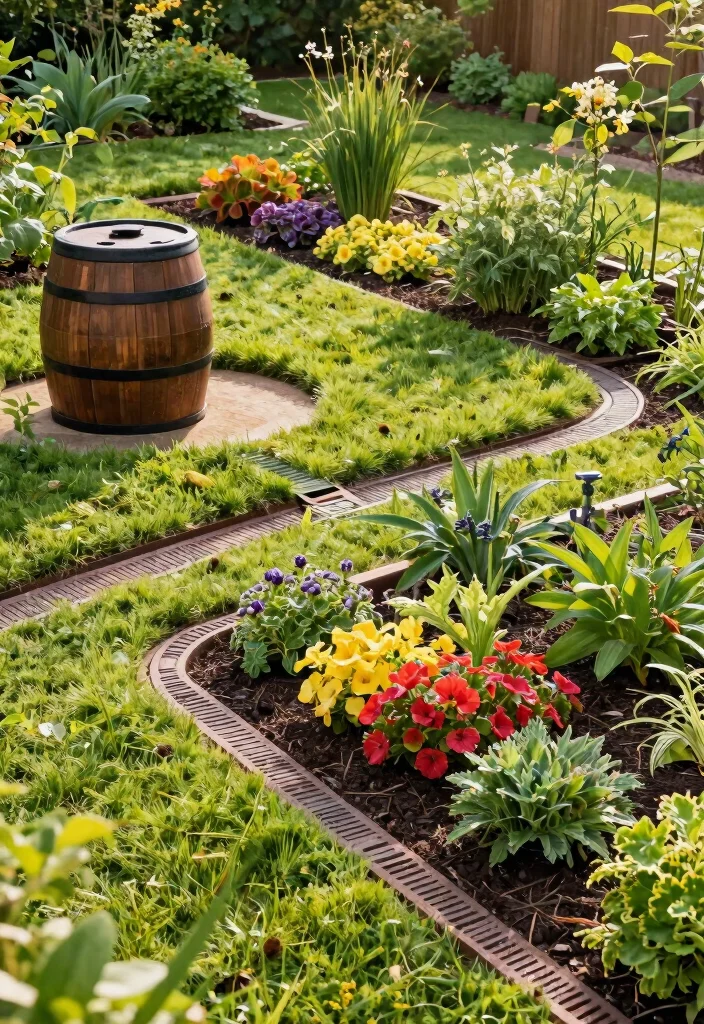
6. Incorporate Decorative Drainage Channels
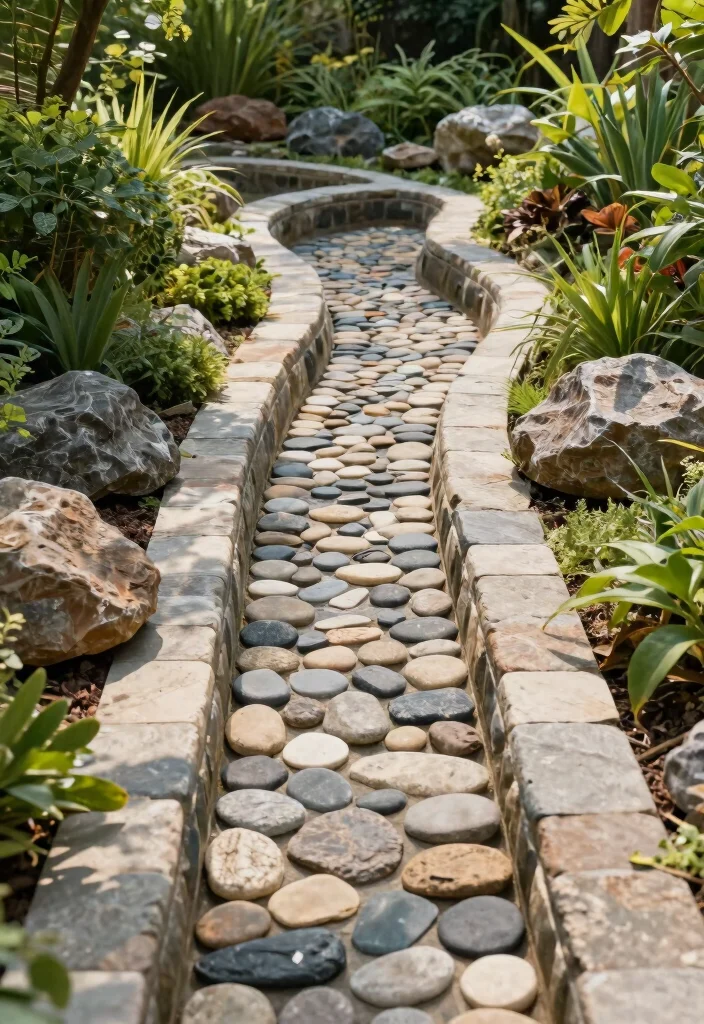
Why settle for standard drainage when you can enhance your garden with decorative channels? These channels can be crafted from stone, brick, or concrete, adding both function and style to your outdoor space. They guide overflow water away from your garden while elevating its visual appeal.Planning the channel’s path is crucial to ensure water is directed effectively. This turns a simple drainage solution into an attractive feature.Steps to install your decorative drainage channel:
– Design the channel’s route to direct water away from your plants.
– Dig a trench and line it with your chosen material.
– Add an attractive grate cover to keep debris out while enhancing aesthetics.
– Surround the channel with plants or rocks for a natural look.
– Connect it to the rain barrel overflow using flexible tubing.
This solution not only manages overflow but also adds an artistic element to your landscape.
7. Use a Hose Extension
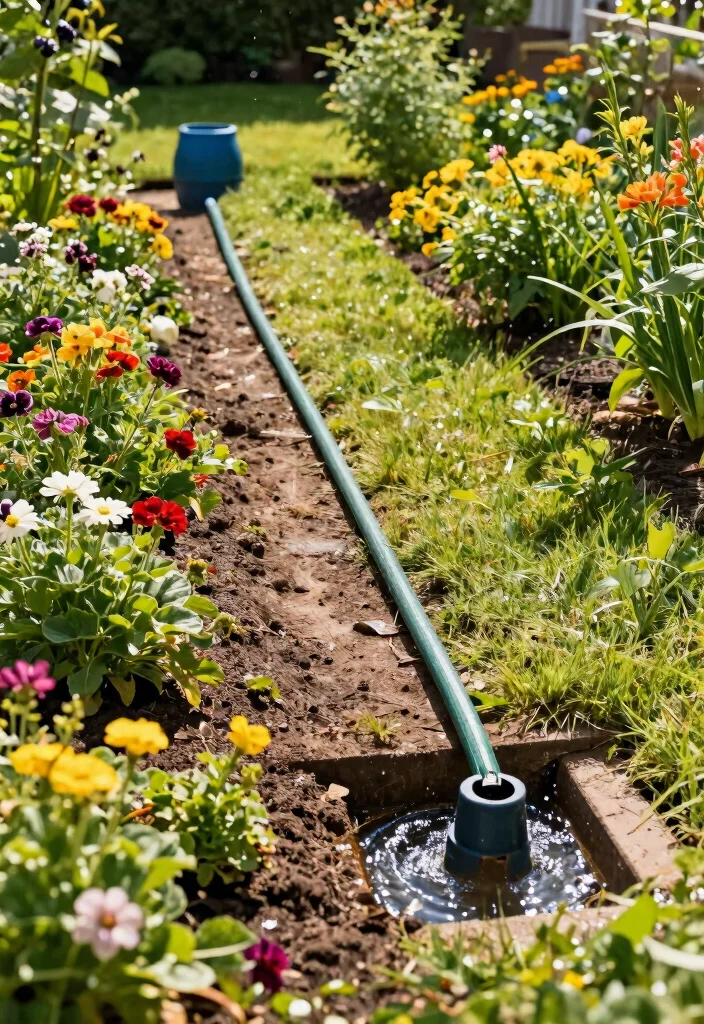
Looking for a hassle-free way to manage rainwater? A hose extension connected to your rain barrel offers a quick fix to redirect overflow to a suitable area. This simple method provides flexibility without the need for extensive installation.Ensure the hose leads to a dry location to prevent pooling. This straightforward solution can save you time and effort in the long run.Steps to use a hose extension:
– Attach a long garden hose to your rain barrel’s overflow valve.
– Run the hose to a designated drainage area in your yard.
– Secure it with stakes to keep it in place during heavy rains.
– Consider a splash guard at the hose’s end to prevent erosion.
– Regularly check for blockages to maintain steady water flow.
This method is perfect for anyone seeking an easy, mess-free solution for rainwater management.
8. Landscape with Boulders
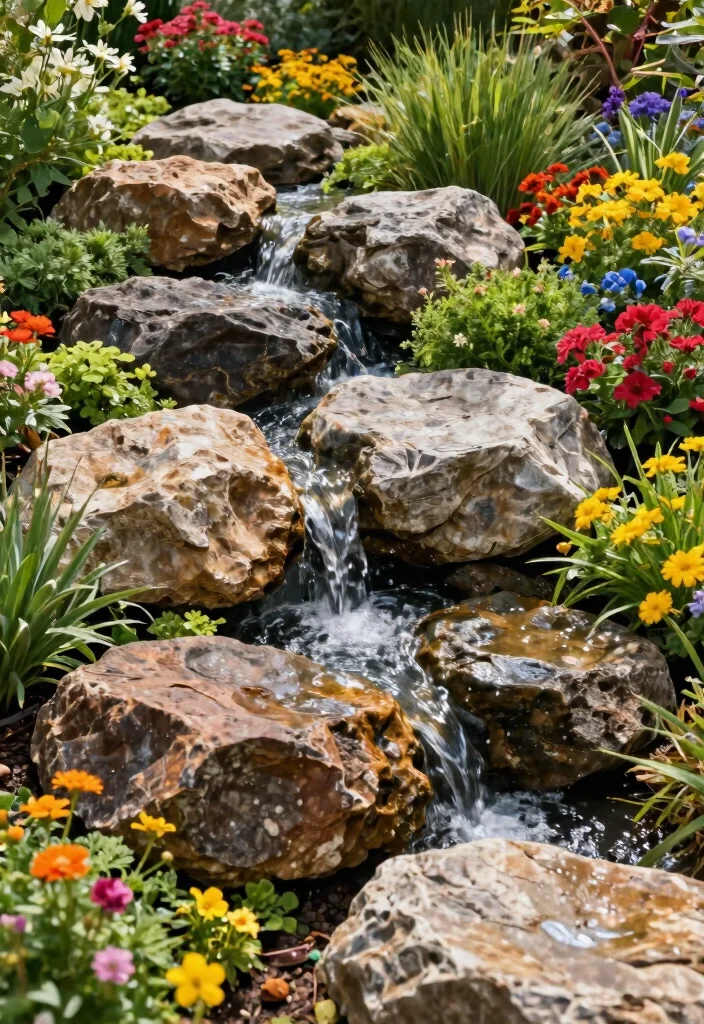
Incorporating boulders into your landscaping can effectively manage rainwater overflow while adding stunning visual elements. Large rocks can serve as natural barriers, guiding water to specific areas like a rain garden or dry well. This rugged approach enhances your garden’s overall appeal.Positioning the boulders strategically can help divert water away from flooding-prone areas. This not only protects your plants but also creates an eye-catching focal point.Steps to landscape with boulders:
– Select boulders for areas where water tends to pool.
– Arrange them to create a natural flow directing water away.
– Surround with drought-resistant plants or decorative ground covers.
– Ensure there’s enough space between boulders for drainage.
– Use smaller stones in gaps to enhance the aesthetic.
This method manages water effectively while adding rugged charm to your garden.
9. Use Permeable Pavers
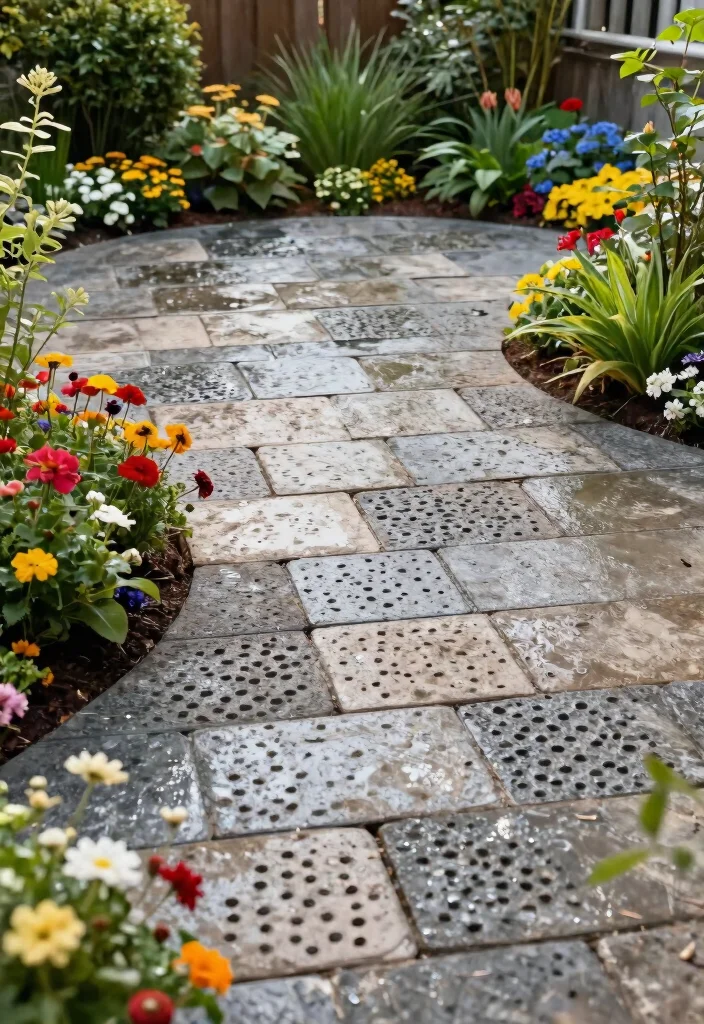
Permeable pavers offer an eco-friendly solution to manage rainwater overflow while providing a solid surface for paths and patios. This allows water to filter through, reducing runoff and preventing flooding around your rain barrel.Choosing the right style of permeable pavers can enhance your outdoor aesthetic while serving a practical purpose. This blend of function and design makes them a great addition to your landscape.Steps to install permeable pavers:
– Select permeable pavers that fit your style and needs.
– Excavate the area, ensuring it slopes slightly for drainage.
– Lay a gravel base for stability and drainage.
– Arrange pavers with spaces for gravel or plants between them.
– Surround with landscaping to create a cohesive and attractive look.
This solution provides both functional benefits and stylish enhancements to your outdoor space.
Permeable pavers aren’t just pretty—they actively cut runoff. As part of rain barrel overflow ideas, they reduce stormwater around your yard by up to 50%, giving space for plants and pathways. Choose paver styles that fit your space and keep rainwater moving where it should.
10. Implement a Water Feature
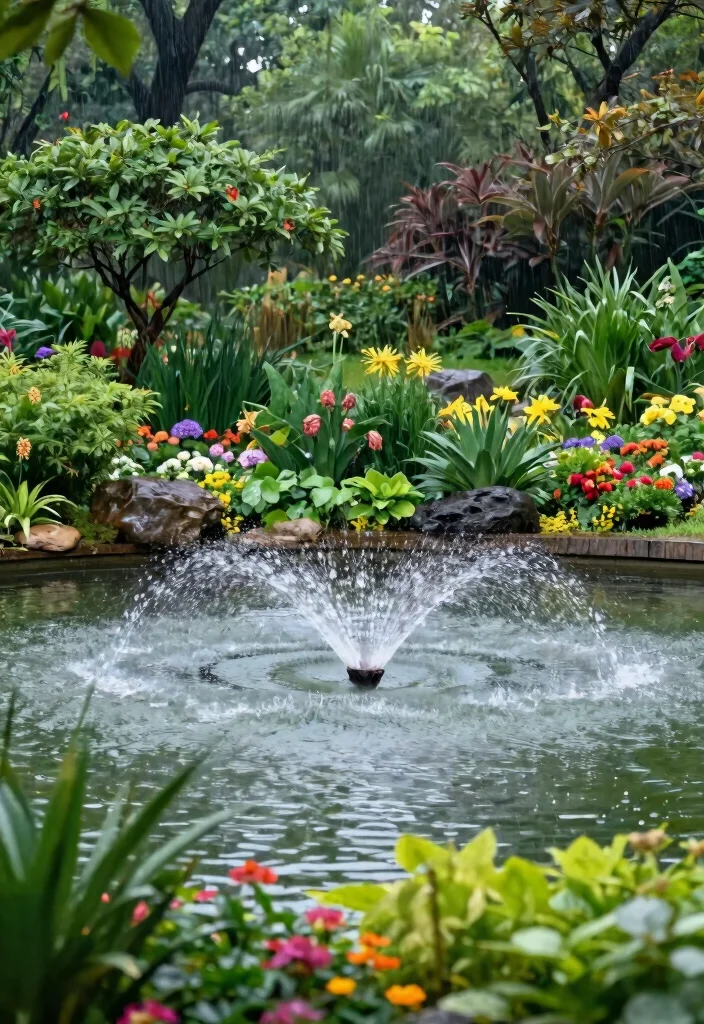
Consider adding a water feature like a pond or fountain to elegantly manage rainwater overflow. This not only helps with drainage but also enhances the beauty of your garden, creating a serene habitat for wildlife.Selecting the right type of feature can transform your space into a peaceful retreat. This makes managing overflow a delightful experience.Steps to create your water feature:
– Choose a feature type that complements your garden style.
– Excavate the area to shape your water feature, connecting it to your rain barrel overflow.
– Install a pump if needed to keep the water circulating.
– Surround the feature with moisture-loving plants to boost the ecosystem.
– Add decorative stones or lighting for extra charm.
This approach not only manages overflow but also enriches your garden’s tranquility.
11. Create a Multi-Use Garden Bed
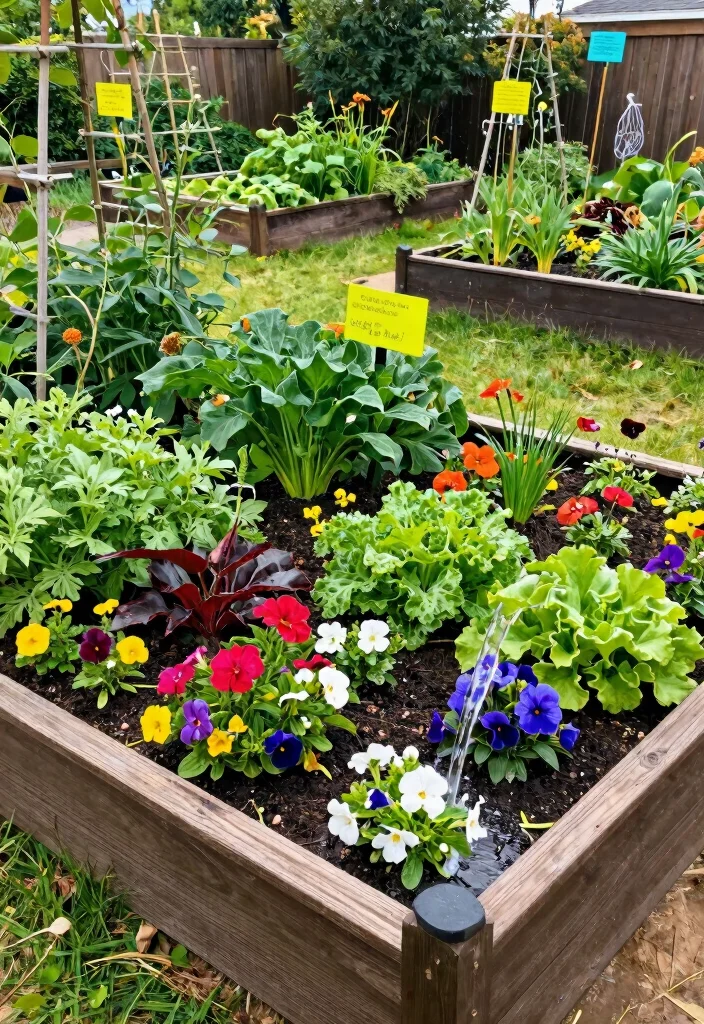
Designing a multi-use garden bed is a clever way to make use of rainwater overflow while growing your favorite plants. These beds can be raised or in-ground, strategically placed to capture water runoff from your rain barrel.This approach allows you to cultivate vegetables and flowers while effectively managing excess moisture. It’s a sustainable gardening practice that benefits your landscape.Steps to create your multi-use garden bed:
– Select a spot for easy water collection from the rain barrel.
– Build your garden bed with wood, stone, or metal to ensure good drainage.
– Fill it with quality soil and plant a mix of veggies and flowers.
– Directly connect the rain barrel overflow into the bed for optimal water use.
– Maintain the bed regularly to manage moisture and support plant health.
This solution not only handles overflow but also promotes sustainable gardening and fresh produce.
Conclusion
Managing rain barrel overflow doesn’t have to be a daunting task. With these creative ideas, you can prevent flooding in your yard while enhancing its beauty and functionality. Whether you choose to install a French drain, a rain garden, or even a decorative water feature, each solution offers a unique way to embrace sustainable gardening practices. By taking proactive measures, you will not only protect your investment in your rain barrel but also create a thriving environment for your plants. Explore these options and find the one that suits your garden best!
Note: We aim to provide accurate product links, but some may occasionally expire or become unavailable. If this happens, please search directly on Amazon for the product or a suitable alternative.
This post contains Amazon affiliate links, meaning we may earn a small commission if you purchase through our links, at no extra cost to you.
Frequently Asked Questions
What are some practical rain barrel overflow ideas to prevent yard flooding?
Here are practical rain barrel overflow ideas you can implement to protect your yard from flooding while still harvesting water.
Connect the barrel’s overflow outlet to a buried perforated drain pipe that leads to a rain garden or a low-impact soakaway.
Install a downspout diverter or a flexible hose to route excess water away from foundations.
Add a second barrel or an overflow chain to increase storage capacity and slow release.
Create a dry well or gravel-filled trench near the barrel to absorb overflow, and mulch to help infiltration.
Make sure the overflow has a mosquito-proof screen to prevent breeding. These rain barrel overflow ideas support rainwater harvesting and yard flood prevention while staying simple and cost-effective.
How can I design a DIY rain barrel system that handles heavy rainfall without overflow?
Designing a DIY rain barrel system that handles heavy rainfall comes down to sizing, routing, and redundancy. Start by estimating your roof catchment (in square feet) and typical rainfall to size barrels and overflow needs. Install a sturdy overflow outlet and a downspout diverter to move excess water away from foundations. Consider adding a second barrel or a simple overflow chain to increase capacity and slow release. Route overflow to a rain garden, dry well, or permeable trench using a buried perforated pipe or hose. Use mosquito-proof screens on all outlets and keep the system aligned with rainwater harvesting and garden drainage solutions.
What are the best garden drainage solutions to work with rainwater harvesting and prevent standing water?
To prevent standing water while still using rainwater harvesting, implement garden drainage solutions like a native rain garden or bioswale to absorb overflow, a dry well or French drain to move water away from foundations, and permeable pavers or well-drained soil beds. Grade your yard so water flows toward planting areas rather than collecting in low spots. Pair these with rainwater harvesting and garden drainage solutions for a healthier, drier yard.
How do rain barrel overflow ideas contribute to sustainable gardening practices?
Rain barrel overflow ideas contribute to sustainable gardening practices by capturing roof water, reducing runoff, and protecting the landscape from erosion. They conserve water, lower irrigation costs, and improve soil moisture for plants. When you combine rainwater harvesting with thoughtful overflow management, you create a resilient yard that handles heavy rain without flooding, supporting yard flood prevention as a natural byproduct.
How can I safely redirect excess water from rain barrels to avoid damaging landscaping?
To safely redirect excess water and avoid damaging landscaping: Route overflow to a rain garden or dry well with a perforated pipe or hose; aim water at permeable areas rather than foundations—keep the discharge at least 3–6 feet away from the house; use a downspout diverter to switch between normal flow and overflow; avoid directing water into steep slopes or flood-prone beds; install a mosquito-proof screen on all outlets. These rain barrel overflow ideas work well with yard flood prevention and rainwater harvesting without complicating your system.
![9 Essential Compost Bin Maintenance Tips [No Bad Smells]](https://huserie.com/wp-content/uploads/2026/04/9-Essential-Compost-Bin-Maintenance-Tips-No-Bad-Smells-150x150.webp)

![15 Stunning Inflatable Pool Deck Ideas [Make It Look Built In]](https://huserie.com/wp-content/uploads/2026/04/15-Stunning-Inflatable-Pool-Deck-Ideas-Make-It-Look-Built-In-150x150.webp)