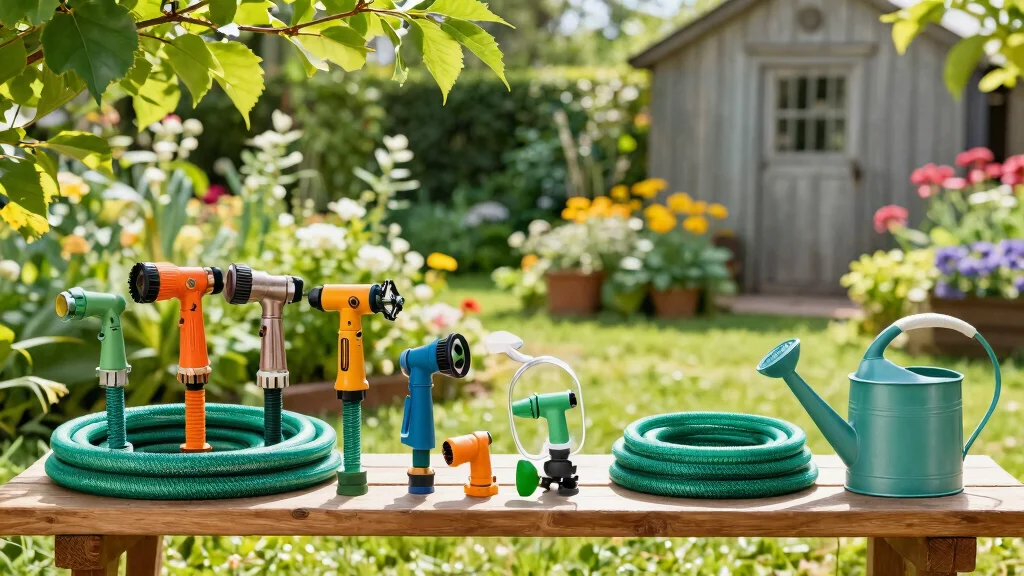
Gardening is such a rewarding hobby, but let’s face it—watering can be a bit of a chore. If you’ve ever found yourself struggling to water your plants just right, you know the frustration. This post is here to help you tackle that challenge once and for all. I created this guide because I want you to enjoy the act of watering instead of feeling like it’s a never-ending task.
If you’re someone who cares about enhancing your garden and nurturing your plants, you’re in the right place. Whether you’re a seasoned gardener or just starting out, understanding the right garden hose attachment tips can really make a difference. You’ll discover how to use garden watering accessories effectively and even embrace eco-friendly options that benefit the planet.
In this guide, you’ll get seven essential tips that are straightforward, practical, and easy to implement. From selecting the right hose nozzle types to exploring drip irrigation systems, these insights will help you water more efficiently and keep your garden thriving. Say goodbye to the days of overwatering or underwatering your plants. With these tips, you’ll have the knowledge you need for better watering practices that support your garden’s health.
Key Takeaways
– Start with adjustable hose nozzles to control water flow and pressure for different plants and areas in your garden.
– Consider drip irrigation systems for targeted watering that conserves water and reduces evaporation.
– Use eco-friendly hose materials to minimize environmental impact while ensuring durability and performance.
– Explore soaker hoses for efficient watering that allows water to seep slowly into the soil, ideal for garden beds.
– Pair your hose with timers to automate watering schedules, making your garden maintenance easier and more effective.
1. Use Adjustable Hose Nozzles
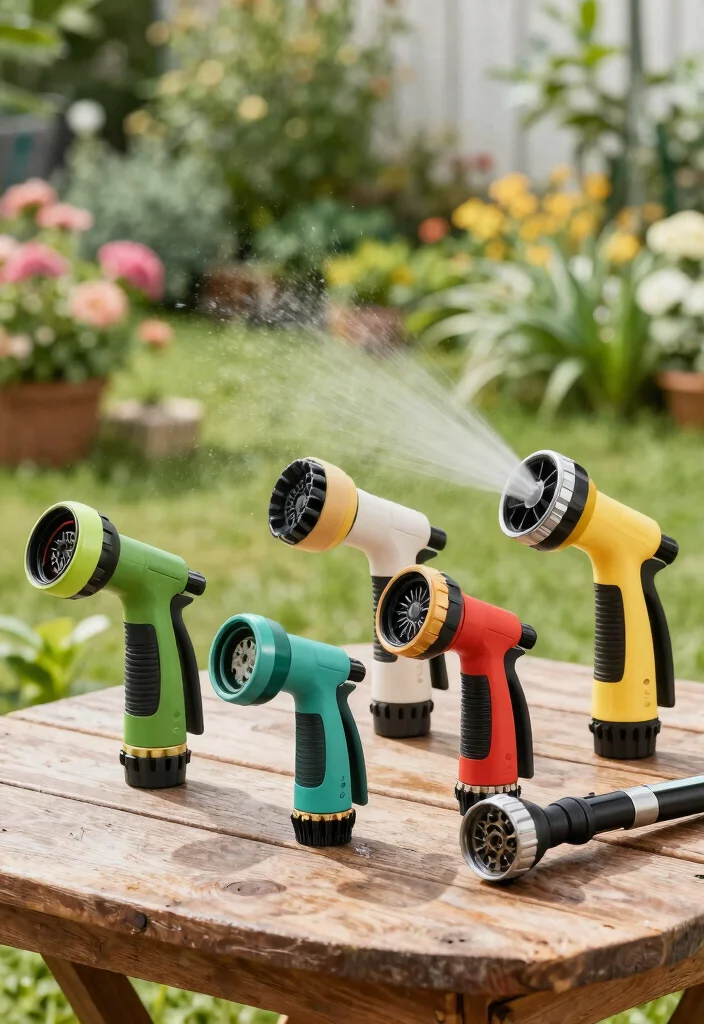
Are you tired of one-size-fits-all watering solutions? Adjustable hose nozzles are here to change that! These versatile attachments let you control the water flow, making it easier to care for delicate seedlings or tackle tough cleaning tasks. With settings like mist, shower, and jet, you can easily switch between gentle watering and powerful rinsing to suit your specific needs.
To make the most of your watering experience, choose nozzles that are lightweight yet durable. This helps prevent strain during extended use, allowing you to enjoy tending to your garden without discomfort. For added convenience, look for ergonomic designs that fit comfortably in your hand, reducing fatigue.
Key benefits of using adjustable hose nozzles:
– Choose from different spray patterns for various tasks
– Easily switch between gentle and powerful settings
– Lightweight designs minimize hand strain
– Ergonomic shapes enhance comfort during use
By using an adjustable hose nozzle, you can keep your garden thriving while ensuring your watering experience is both efficient and enjoyable.
Ever notice how the right garden hose attachment tips can save both water and time? With an adjustable nozzle, you switch from mist to jet in seconds, giving seedlings a gentle drink and tough weeds a quick rinse—it’s a small tool with big eco-friendly impact.
2. Implement Drip Irrigation Systems
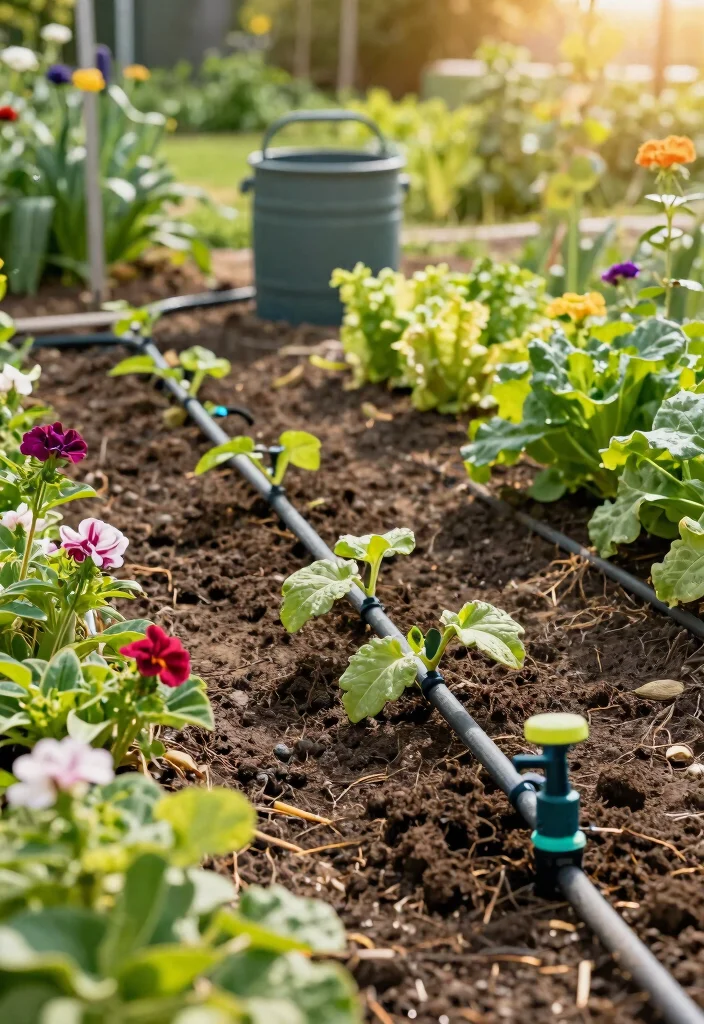
Want to keep your garden hydrated without wasting water? Drip irrigation systems are a fantastic solution! These systems deliver water straight to the roots, minimizing evaporation and runoff, which means every drop counts. Imagine saving up to 60% more water compared to traditional methods while keeping your plants healthy.
Setting up a drip irrigation system is easier than you might think! Start with a complete kit that includes everything from tubing to emitters. Lay the tubing along your plants and adjust the emitter flow to cater to individual needs. For added convenience, consider automating the system with a timer, ensuring your plants receive water at just the right times.
Steps to set up a drip irrigation system:
– Choose a complete kit for easy installation
– Position tubing to reach all plant roots
– Adjust flow rates for different plants
– Automate with a timer for hassle-free watering
With a drip irrigation system, you’ll save time and promote better plant growth while doing your part for the environment.
3. Choose Eco-Friendly Hose Materials
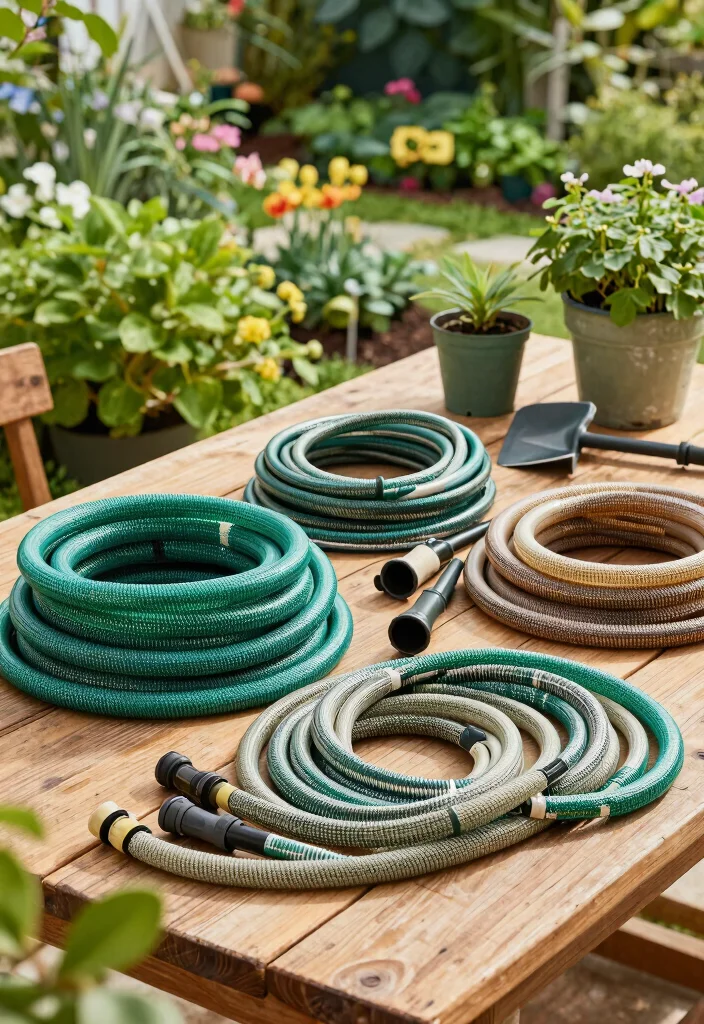
Looking to make your gardening practices more sustainable? Selecting eco-friendly hose materials can significantly reduce your impact on the environment. Unlike traditional hoses, eco-friendly options are made from recycled materials or are free from harmful chemicals, ensuring a safe experience for both your garden and the planet.
Look for hoses that are labeled as BPA-free and lead-free to avoid introducing toxins into your soil. Some brands even offer biodegradable hoses that break down naturally, making them perfect for eco-conscious gardeners. Additionally, prioritize durability so you won’t need constant replacements, which helps cut down on waste.
Tips for choosing eco-friendly hoses:
– Select hoses made from recycled or non-toxic materials
– Check for durability to reduce replacements
– Look for crush-resistant fittings for longevity
– Store properly to prevent damage and kinks
Investing in eco-friendly hoses supports both your garden and the Earth, making your gardening practices more responsible.
4. Optimize Watering with Soaker Hoses
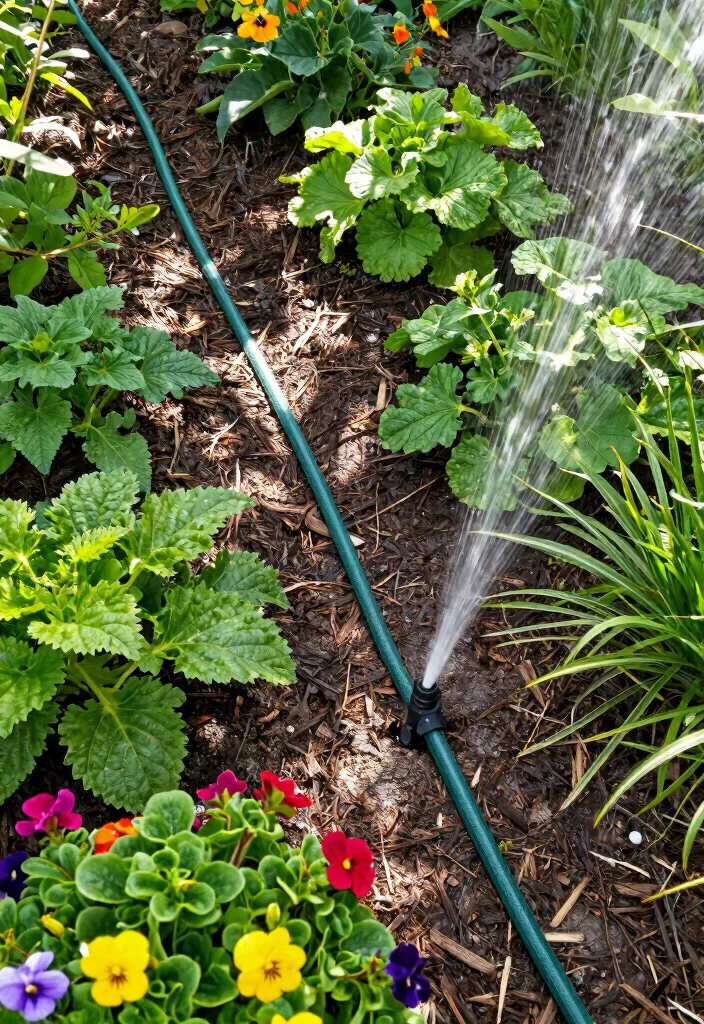
Want to ensure your plants get the moisture they need? Soaker hoses are an excellent option for deep watering! Designed to seep water directly into the soil, these hoses are perfect for garden beds, especially when buried under mulch to keep evaporation at bay. This method is particularly beneficial for perennials and shrubs that thrive on consistent moisture.
Installing soaker hoses is simple! Just lay them out evenly in your garden beds and connect them to your existing watering system. You’ll find that they provide a slow, steady flow, allowing moisture to penetrate the soil effectively. For those who love sustainability, consider using a timer to avoid overwatering while ensuring your plants get the hydration they need.
Advantages of using soaker hoses:
– Deliver water directly to plant roots
– Minimize water waste with slow, consistent flow
– Easy to install and connect to existing systems
– Use timers to optimize watering schedules
Soaker hoses not only promote healthy plant growth but also make watering a breeze, enhancing your gardening efficiency.
How To Choose the Right Garden Hose Attachment
When it comes to watering your garden effectively, selecting the right garden hose attachment can make a big difference. The right choice ensures that you water your plants efficiently while conserving water. Here are some key points to help you make the best decision for your watering needs.
1. Consider Hose Nozzle Types
Different hose nozzles serve various purposes. You can choose from adjustable nozzles, spray nozzles, or even fan-shaped ones. An adjustable nozzle allows you to change the water pressure and pattern, making it versatile for different plants. A fan-shaped nozzle is great for covering larger areas like flower beds.
2. Look for Eco-Friendly Hose Materials
Opt for hoses made from recycled or sustainable materials. Many brands now offer eco-friendly options that do not leach harmful chemicals into the soil. These hoses often last longer and are better for the environment, providing peace of mind while you water your plants.
3. Assess the Size and Length
Select a hose attachment that fits your hose diameter, usually ¾ inch. Additionally, consider the length you need. For small gardens, a shorter hose may suffice, but larger gardens will require longer hoses or extensions. Measure your garden to avoid any inconveniences.
4. Explore Drip Irrigation Systems
Drip irrigation systems are excellent for deep-rooted plants. They deliver water directly to the roots, minimizing waste. If you have a larger garden, investing in a drip system could save you time and resources. Look for kits that include everything you need for easy installation and maintenance.
5. Experiment with Soaker Hoses
Soaker hoses are a unique option that allows water to seep out slowly, directly into the soil. They are perfect for garden beds and can reduce water evaporation. Check if the soaker hose matches your garden’s layout to ensure effective coverage.
6. Pair with Timers for Convenience
Consider pairing your hose attachment with a timer. This simple addition allows you to set specific watering times, ensuring your plants get the right amount of moisture without overwatering. Look for easy-to-use timers that can be programmed based on your garden’s needs.
Pro Tip: Always read the product specifications before purchasing. This helps you understand the compatibility and features of your garden hose attachments. A well-informed choice leads to better garden health!
Choosing the right garden hose attachment may seem complicated, but by considering the above factors, you can simplify your watering routine. Whether you go for a nozzle, a drip system, or a soaker hose, each option offers unique benefits tailored to your gardening style. Happy gardening!
5. Experiment with Watering Cans for Precision
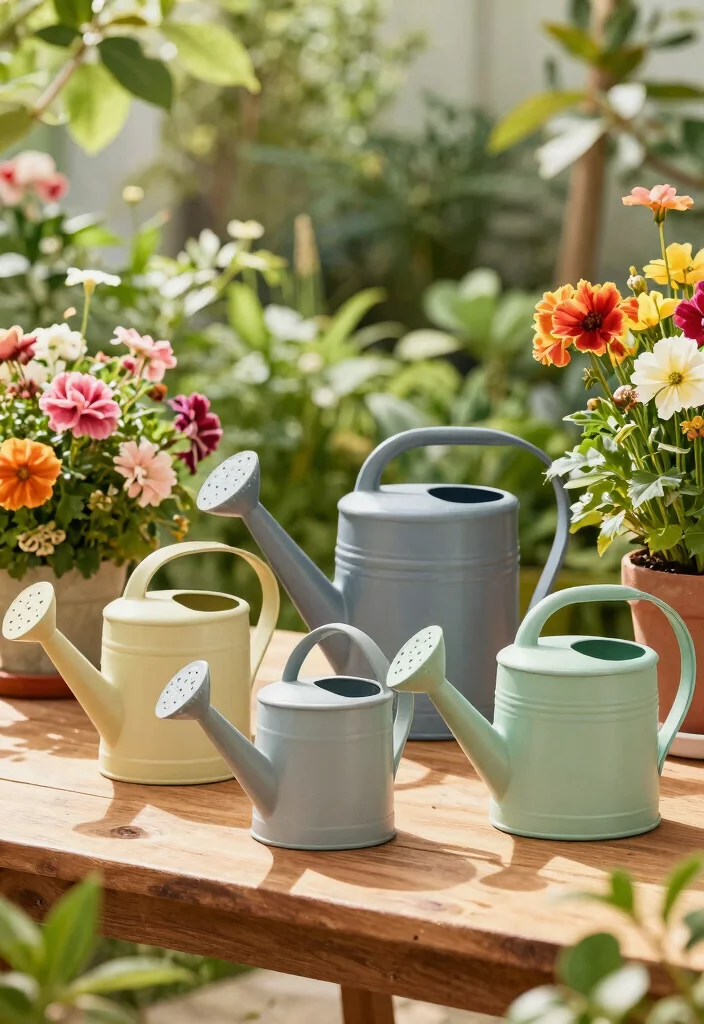
Looking for a more precise way to water your plants? Watering cans can be your gardening ally! With their ability to control water flow, they help prevent overwatering and ensure each plant receives the right amount of moisture. Choose a can with a narrow spout to target specific areas, especially delicate seedlings in containers.
For a sustainable touch, opt for watering cans made from recycled materials. Many modern designs now feature ergonomic handles that make watering comfortable and built-in measurements for accurate hydration. To boost your eco-friendliness, fill your watering can with rainwater, making the best use of natural resources.
Benefits of using watering cans:
– Control flow for targeted watering
– Choose eco-friendly materials for sustainability
– Look for ergonomic designs for comfort
– Utilize collected rainwater for eco-friendly gardening
By incorporating a watering can into your routine, you’ll enhance your gardening precision while nurturing your plants with just the right amount of love.
6. Pair Your Hose with Timers
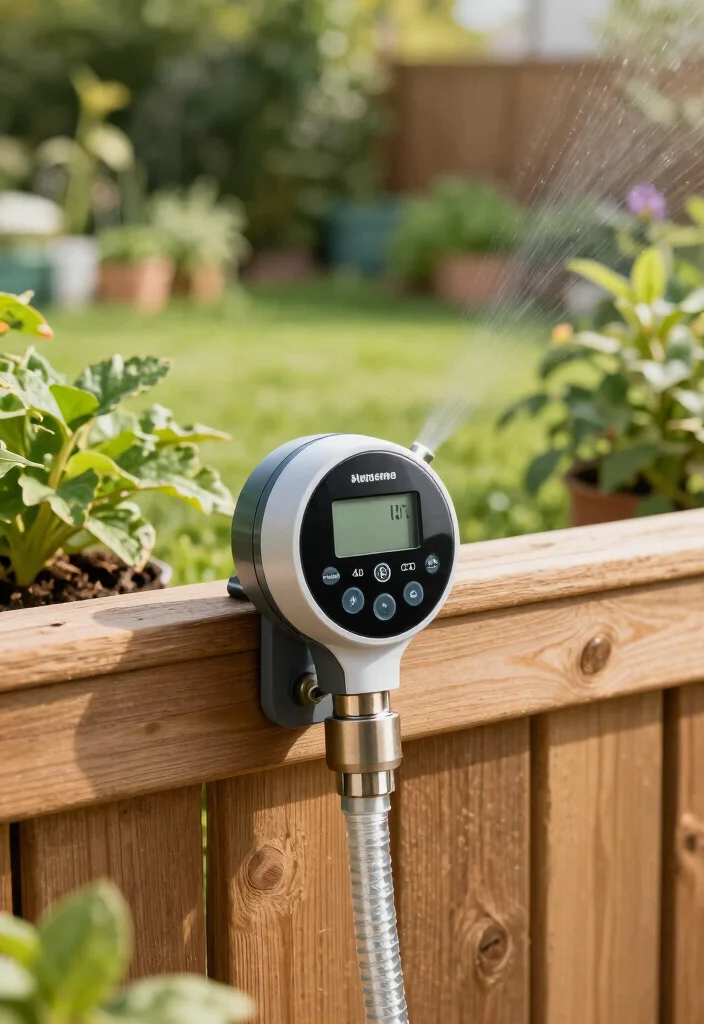
Want to simplify your watering routine? Pairing your garden hose with timers is a smart move! These handy devices automate your watering schedule, ensuring your plants receive the right amount of water even when you’re busy. Smart timers can connect to Wi-Fi, allowing you to manage them remotely from your smartphone, making gardening more convenient than ever.
When shopping for a timer, look for models that offer multiple settings, like rain delays and seasonal adjustments. This way, you can optimize water usage all year round. Plus, for the eco-friendly gardener, consider timers that integrate with rain sensors to prevent unnecessary watering during wet weather.
Essential features to look for in timers:
– Remote control via smartphone for convenience
– Multiple settings to customize watering schedules
– Rain sensor integration for sustainable watering
– Seasonal adjustments to save water
By incorporating timers into your gardening routine, you’ll make watering effortless while ensuring your garden remains well-hydrated.
Did you know smart timers can cut watering waste by up to 30%? With rain delays and seasonal adjustments, you get precise control right from your smartphone—essential garden hose attachment tips for greener, easier watering.
7. Embrace Multi-functional Tools
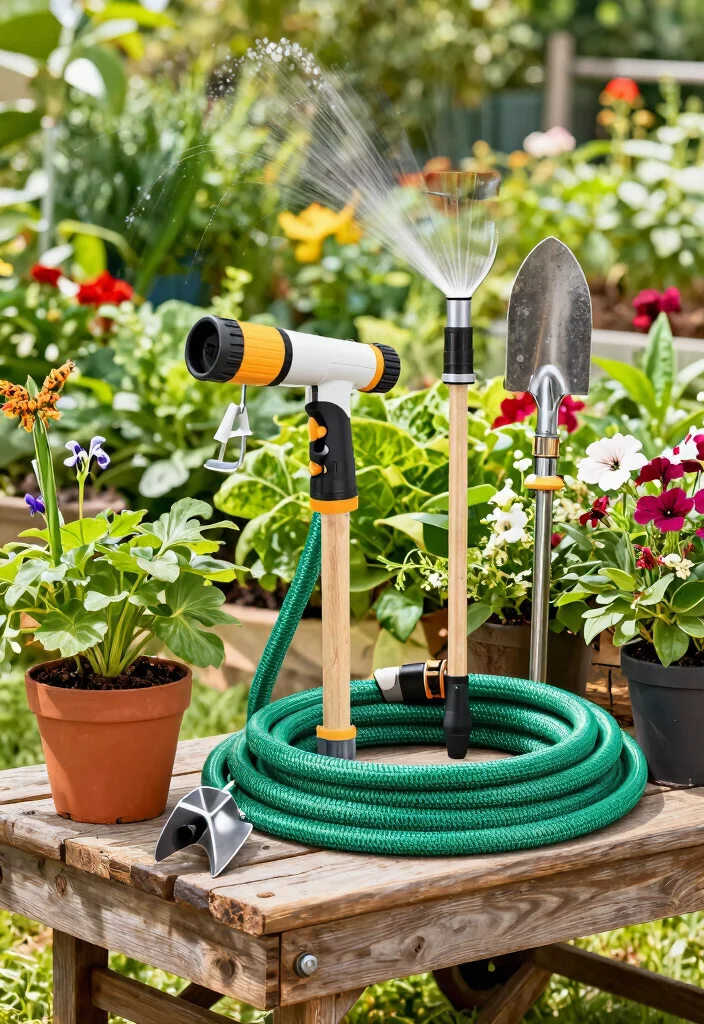
Want to streamline your gardening tasks? Multi-functional tools can make watering and plant care much easier! These versatile gadgets combine several functions into one, saving you space and money while enhancing your gardening efficiency. For example, consider a hose attachment that doubles as a sprinkler or a watering wand with various spray settings.
These tools allow you to switch between different watering methods without needing multiple devices, simplifying your gardening experience. Look for features like adjustable water pressure and built-in soil moisture sensors to customize your watering approach. Additionally, investing in a garden cart can keep multiple tools organized and easily accessible.
Benefits of using multi-functional tools:
– Combine several tools for efficiency
– Switch between watering methods easily
– Customize pressure and flow for plant needs
– Store tools conveniently for easy access
Embracing multi-functional tools will not only lighten your workload but will also enhance the care you provide for your plants.
Fun fact: garden hose attachment tips show that multi-functional attachments can cut watering time by up to 30% and save space. Switch between sprinkler, mist, and wand in seconds—eco-friendly, practical, and surprisingly simple.
Conclusion
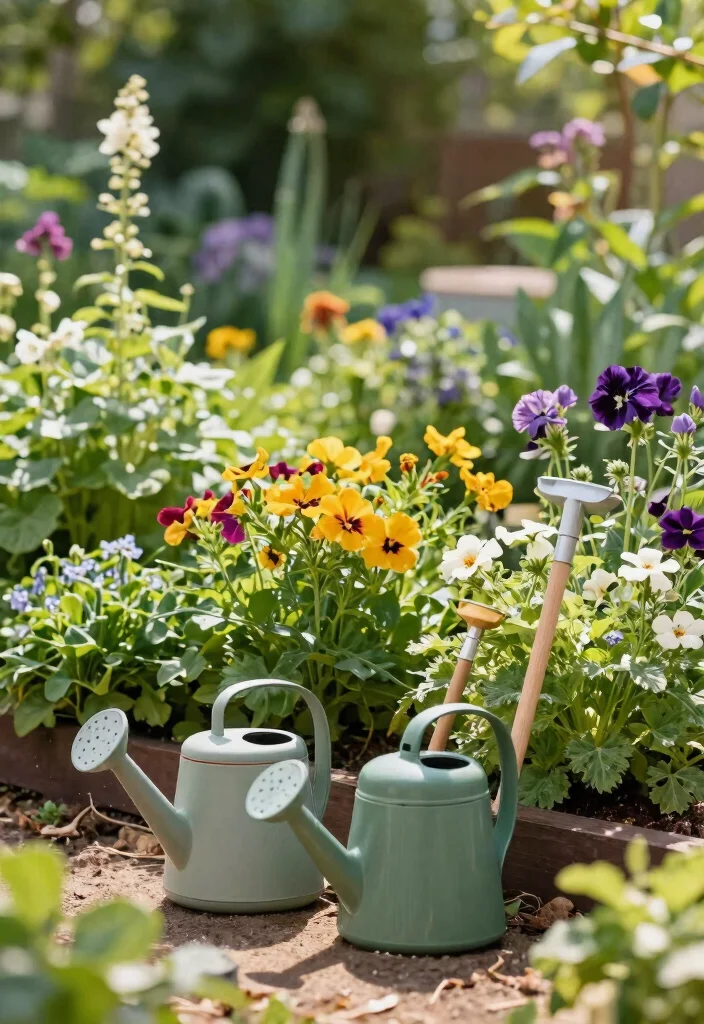
Elevating your gardening game is all about the right tools and techniques. By implementing these garden hose attachment tips, not only do you improve your watering efficiency, but you also contribute to a healthier and more eco-friendly garden.
So whether you’re adjusting your hose nozzle, exploring drip irrigation, or using watering cans for precision, every step counts toward a thriving garden!
Note: We aim to provide accurate product links, but some may occasionally expire or become unavailable. If this happens, please search directly on Amazon for the product or a suitable alternative.
This post contains Amazon affiliate links, meaning we may earn a small commission if you purchase through our links, at no extra cost to you.
Frequently Asked Questions
What are the essential garden hose attachment tips for better watering?
Great question! Here are practical, eco-friendly steps to upgrade your watering routine:
Start with garden hose attachment tips that emphasize water efficiency—choose adjustable hose nozzle types with a shut-off lever and multiple spray patterns.
Use a targeted spray for plant bases and a gentle mist for delicate seedlings to improve efficient watering techniques.
Consider integrating drip irrigation systems or hose-end drip adapters to water roots directly and reduce runoff.
Keep attachments tight and corrosion-free, check washers for leaks, and store hoses properly to extend life—this falls under garden maintenance tools.
Water at the right time (early morning) and avoid wasting water on sidewalks by aiming low and close to soil.
How do different hose nozzle types affect water efficiency and plant care?
Choosing the right hose nozzle types can dramatically cut water waste while protecting plants. An adjustable nozzle lets you switch from a fine mist for delicate foliage to a concentrated jet for stubborn soil or cleaning, helping you apply water where it matters most. For delicate plants, use a wide, gentle spray to minimize leaf damage; for tough weeds or watering deeper roots, switch to a narrower stream. Always use flow control and aim at the soil rather than the leaves to maximize efficient watering techniques. Keep nozzles clean to prevent clogs, and consider eco-friendly options that resist mineral buildup.
Can I pair drip irrigation systems with standard garden hose attachments for efficient watering?
Absolutely. You can blend regular hose attachments with drip irrigation systems for targeted, low-waste watering. Start with a hose-end adapter or a conversion kit that feeds a drip line or soaker hose. Add a pressure regulator to protect emitters and a timer to water during cooler parts of the day. Place emitters at the base of plants and stagger watering based on plant needs to achieve true efficient watering techniques. This setup lets you conserve water while keeping your garden vibrant.
What maintenance steps and tools help extend the life of eco-friendly garden watering attachments?
Great question for longevity. Focus on garden maintenance tools and simple routines: rinse nozzle tips with warm water to remove mineral buildup, inspect washers and fittings for leaks, and replace worn washers promptly. Store hoses in a shaded area or on a reel to prevent UV damage and kinking, and drain hoses before winter or freezing weather. Periodically lubricate O-rings and tighten connections to prevent leaks. These practices keep your eco-friendly gear working longer and deliver steady performance.
What common mistakes should I avoid with garden watering accessories to ensure efficient watering techniques?
Avoid these common missteps: overwatering or leaving the nozzle on full blast while moving attachments; not adjusting the nozzle for the task, which wastes water; skipping a regulator when using pressure-fed systems; ignoring plant needs by watering foliage instead of soil; and neglecting winterization or proper storage. Also, don’t rely on one-size-fits-all solutions—match hose attachments to plant type and soil conditions. By staying mindful of efficient watering techniques, you’ll get healthier plants and a longer-lasting toolkit.
![9 Essential Compost Bin Maintenance Tips [No Bad Smells]](https://huserie.com/wp-content/uploads/2026/04/9-Essential-Compost-Bin-Maintenance-Tips-No-Bad-Smells-150x150.webp)
![15 Stunning Inflatable Pool Deck Ideas [Make It Look Built In]](https://huserie.com/wp-content/uploads/2026/04/15-Stunning-Inflatable-Pool-Deck-Ideas-Make-It-Look-Built-In-150x150.webp)